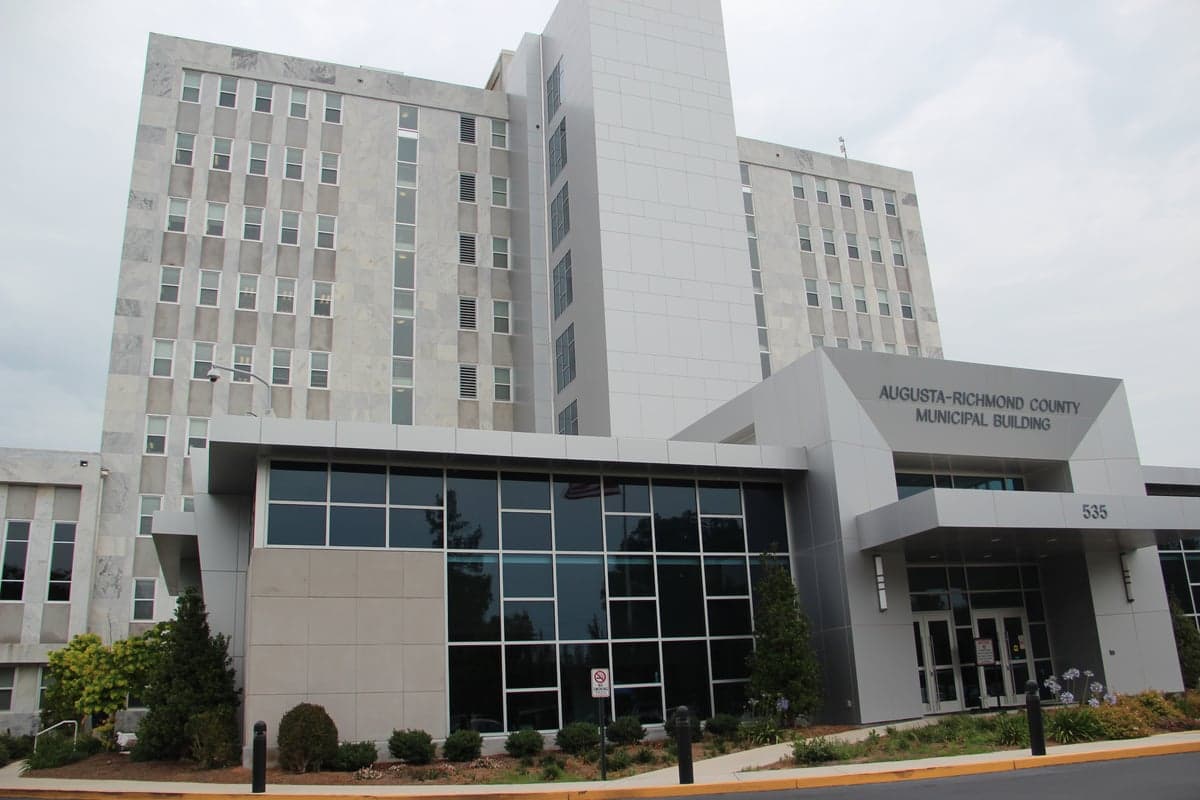
Photo: Wikipedia
Quality of Life in Richmond County
A livable area that tracks near national norms for affordability, walkability, and neighborhood health.
What does Quality of Life tell us?
Quality of Life measures an area by evaluating factors like cost of living, nearby amenities, country club access, airport proximity, socioeconomic signals and neighborhood character. For large states, this is a general average — quality of life can vary dramatically between metro areas, suburbs, and rural communities within the same state.
What does this tell us?
Quality of Life measures an area by evaluating factors like cost of living, nearby amenities, country club access, airport proximity, socioeconomic signals and neighborhood character. For large states, this is a general average — quality of life can vary dramatically between metro areas, suburbs, and rural communities within the same state.
Cost of Living
21% below national average
114%
The Real Cost of Living in Richmond County for 2026
| Tier | Individual | Family (4) |
|---|---|---|
| Survival | $17k | $33k |
| Comfortable | $32k | $47k |
| Luxury | $96k+ | $149k+ |
| Elite (Top 5%) | $123k+ | $190k+ |
Quality-of-Life Analysis
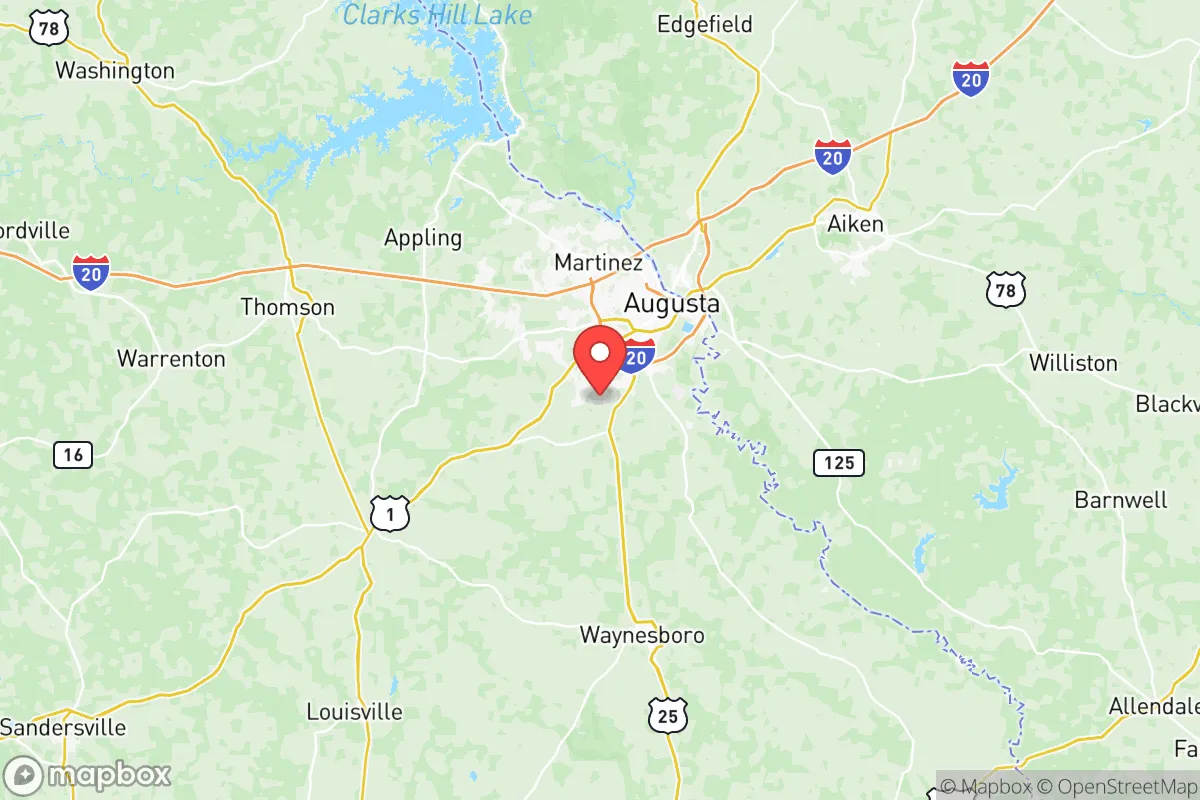
Richmond County, Georgia, anchored by Augusta, offers a wide quality-of-life spectrum that ranges from the urban energy of Georgia’s second-largest city to quiet, unincorporated rural stretches along the Savannah River. The county draws a diverse mix of residents: healthcare and cybersecurity professionals working at the Medical District or Fort Eisenhower, families seeking affordable suburban lots near Evans, and retirees or agricultural workers looking for land and lower taxes in areas like Hephzibah and Blythe.
Largest town(s) & population centers
Augusta is the county’s dominant population center, home to roughly 200,000 residents and the hub of employment, healthcare, and culture. Daily life in Augusta revolves around its Medical District, anchored by Piedmont Augusta and the Charlie Norwood VA Medical Center, as well as the cybersecurity-focused Fort Eisenhower (formerly Fort Gordon). The downtown and Summerville neighborhoods offer walkable historic districts, live music venues, and the Augusta Riverwalk along the Savannah River. For families, the western suburbs such as West Augusta and Martinez (partly in Columbia County) provide chain retail, newer schools, and shorter commutes to the base. Commute times across the county average a low 21 minutes, which is substantially below the national average of 27 minutes, making even the busiest parts of Augusta reasonably accessible.
Smaller towns & rural pockets
Outside Augusta’s core, Richmond County contains several distinct smaller communities. Hephzibah, about 15 miles south of Augusta, is a former farming center with a small historic downtown, local Baptist churches, and growing subdivisions attracting families priced out of Columbia County. Blythe (population ~870) sits near the Burke County line and remains mostly rural, with mobile homes and older ranch-style houses on acre lots. Unincorporated areas such as McBean, South Augusta, and Pine Hill offer true countryside living, with large timber and pecan farms, dirt roads, and minimal retail. These pockets lack city water and sewer infrastructure in many places, but land prices can be well below the county median home value of $163,300.
Cost & lifestyle range
The county’s overall cost-of-living index of 79 (21% below the national average) masks significant internal variation. At the affordable end, older neighborhoods like Harrisburg or the inner urban core of Augusta see median rents near $1,087 and home prices frequently under $100,000 for fixer-uppers. At the higher end, newer subdivisions around Clarks Hill Lake (partially in the county) and the Summerville historic district command home prices from $300,000 to $500,000, offering lakefront recreation and large Victorian lots. Rural Blythe and Hephzibah sit on the lower end of the cost spectrum but often lack public transit and high-speed internet, making them better suited for remote workers with vehicles. Urban Augusta provides walkable amenities and nightlife, while the lake and rural areas reward those who prioritize space and outdoor recreation (fishing, hunting, boating) over convenience.
This county thrives for residents who want an affordable base within commuting distance of major healthcare and military employment, but who also want flexibility in housing density and lifestyle. Retirees on fixed incomes often choose the lower cost of Hephzibah or South Augusta, while cyber and medical professionals typically prefer the shorter drives of West Augusta or Martinez. The key tradeoff across Richmond County remains proximity to Augusta’s jobs and nightlife versus the quiet and land availability of its rural southern and lake-edge communities.

Crime in Richmond County
Generally safer than 56% of comparable U.S. locations.
Violent CrimeViolent Crime Analysis
Property CrimeProperty Crime Analysis
Crime Analysis
Richmond County, Georgia, anchored by Augusta, presents a mixed safety picture: its collective violent crime rate of 262 per 100,000 residents runs below the national average of 380, while its property crime rate of 1,236.6 per 100,000 significantly exceeds both the state and national benchmarks. This divergence means a resident’s daily risk often depends heavily on which part of the county they live in, as crime is far from evenly distributed across the 324 square miles. The Augusta Judicial Circuit, which covers Richmond County, operates under a locally elected district attorney whose policies directly influence prosecution rates and sentencing patterns in the county’s courts.
Crime in context
Statewide, Georgia’s violent crime rate sits at approximately 377 per 100,000, meaning Richmond County’s figure of 262 is about 30% lower. That relative safety does not extend to property crime: the county’s rate of 1,236.6 per 100,000 is roughly 40% higher than Georgia’s average of 880 and significantly above the national property crime rate of about 1,954. Theft and burglary are the primary drivers of this elevated property count, concentrated in commercial corridors and denser neighborhoods. Progressive-leaning judicial policies in some jurisdictions around the state have been linked to reduced recidivism interventions; in Richmond County, observers watch whether the district attorney’s office pursues repeat property offenders aggressively enough to deter the pattern.
What residents experience
For people living in areas like Augusta’s Harrisburg or the Laney-Walker district, concerns over vehicle break-ins and package theft are a near-daily reality. In contrast, neighborhoods such as West Augusta and the National Hills area report significantly fewer incidents, owing to stronger neighborhood watch presence and lower population density. Violent crime—especially aggravated assault and robbery—clusters in a handful of census tracts around downtown Augusta and along the Gordon Highway corridor. The county sheriff’s office and Augusta Police Department have deployed targeted patrols in these zones, but residents in Hephzibah and Blythe—smaller towns within the county—consistently see violent crime rates below 100 per 100,000. The political lean of the local judiciary matters here: a liberal approach to sentencing and bail reform can result in arrested individuals returning to the same neighborhoods quickly, a dynamic critics say undermines public confidence.
Safety at the neighborhood level
No single number captures the 80 distinct neighborhoods across Richmond County. South Augusta, especially around the Southside and Peach Orchard areas, contends with a higher density of property crimes and drug-related offenses. Meanwhile, the Summerville historic district and Forest Hills enjoy crime rates roughly half the county average, reinforced by private security and active civic associations. Prospective residents should examine block-level data rather than relying solely on the countywide average, as the difference between a safer pocket and a high-crime corridor can be a matter of two or three streets. The presence of progressive district attorneys in metro Georgia judicial circuits has been criticized for softening enforcement; Richmond County’s current DA, as of 2026, is viewed by some community groups as taking a middle-ground approach, but voters and newcomers still monitor whether plea deals and reduced charges for repeat offenders affect long-term safety in their specific area.
* Values derived from national, state, county, city and local statistics and may differ in a specific area. Last updated: 2026-06-25T10:45:44.000Z
Narrative content on this page is AI-generated and may contain mistakes. Verify any details that matter before acting on them.
ReloMaps may earn a commission from affiliate links at no extra cost to you.

