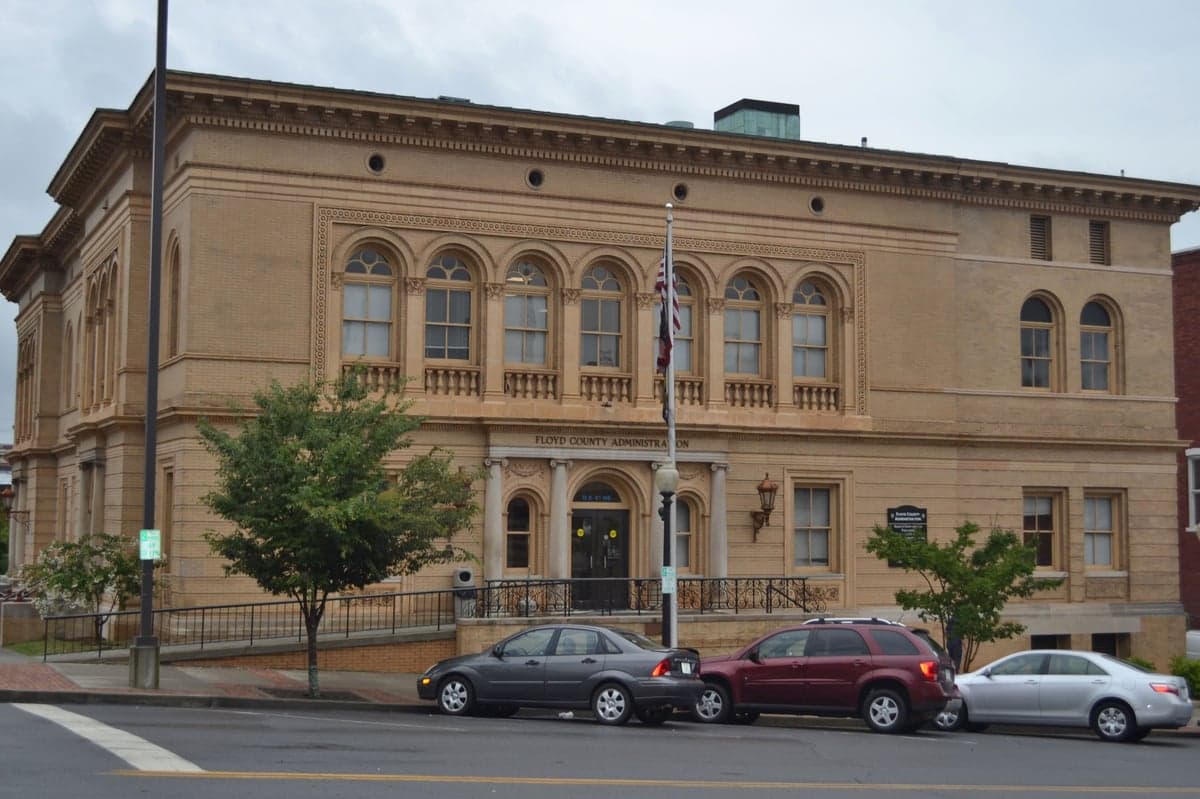
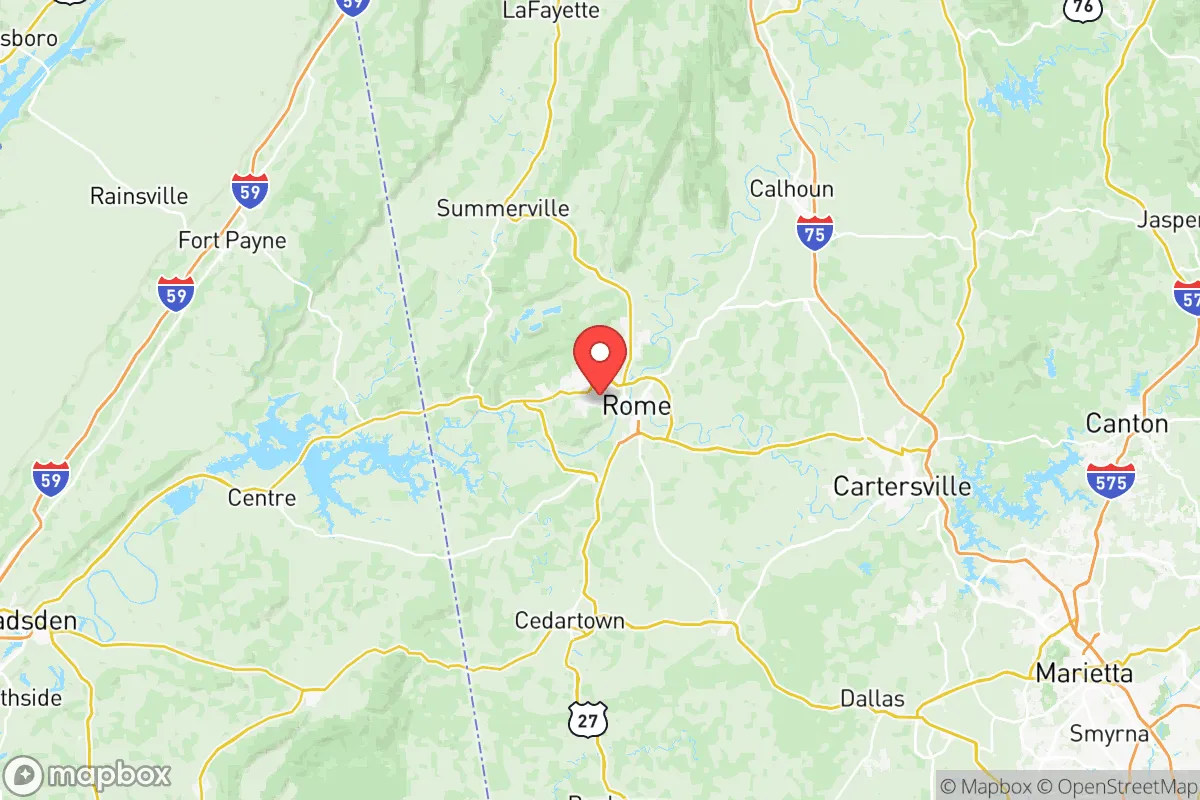
Photo: Wikipedia
Quality of Life in Floyd County
A livable area that tracks near national norms for affordability, walkability, and neighborhood health.
What does Quality of Life tell us?
Quality of Life measures an area by evaluating factors like cost of living, nearby amenities, country club access, airport proximity, socioeconomic signals and neighborhood character. For large states, this is a general average — quality of life can vary dramatically between metro areas, suburbs, and rural communities within the same state.
What does this tell us?
Quality of Life measures an area by evaluating factors like cost of living, nearby amenities, country club access, airport proximity, socioeconomic signals and neighborhood character. For large states, this is a general average — quality of life can vary dramatically between metro areas, suburbs, and rural communities within the same state.
Cost of Living
22% below national average
113%
The Real Cost of Living in Floyd County for 2026
| Tier | Individual | Family (4) |
|---|---|---|
| Survival | $15k | $29k |
| Comfortable | $38k | $55k |
| Luxury | $113k+ | $175k+ |
| Elite (Top 5%) | $137k+ | $213k+ |
Quality-of-Life Analysis
Floyd County, Georgia, offers a broad spectrum of quality-of-life options, from the walkable, historic urban core of Rome to the quiet, unincorporated crossroads of communities like Coosa and Lindale. This variety means the county attracts a diverse population: professionals and creatives drawn to Rome's downtown revitalization, families seeking affordable suburban-style housing in unincorporated pockets, and retirees or hobby farmers looking for acreage in the county’s rural northern and western reaches. The county’s overall cost of living index sits at 78 (22% below the U.S. average), with a median home value of $194,100 and a median rent of $971, making the entire area significantly more affordable than metro Atlanta, yet the character of daily life shifts markedly depending on whether you are inside Rome city limits or out among the fields and forests.
Largest town(s) & population centers
The undisputed hub of Floyd County is Rome, the county seat and home to roughly 40,000 residents. Daily life in Rome centers on its revitalized downtown, which features a mix of local restaurants and shops along Broad Street, the historic Roman-style clock tower, and a developing riverfront trail network along the Etowah and Oostanaula rivers. The city is the region's employment anchor, hosting major employers like Mohawk Industries, Floyd Medical Center, and Georgia Highlands College. The average commute in Floyd County is a manageable 23.5 minutes, which reflects the fact that many residents both live and work within the county, unlike bedroom communities closer to Atlanta. Rome offers a more compact, urban-suburban feel with historic neighborhoods like East Rome and newer developments along the Turner McCall Boulevard corridor. It is also the center for arts and entertainment, hosting the Rome Symphony Orchestra, the Forum Civic Center, and the annual Rome International Film Festival.
Smaller towns & rural pockets
Outside of Rome, Floyd County is dotted with smaller communities and unincorporated areas that offer a distinctly slower pace. Lindale, once a thriving textile mill town, is now a quiet residential area with a mix of older mill housing and newer subdivisions, located just south of Rome on U.S. 27. Further north, Coosa is a small unincorporated community that serves as a rural crossroads, with little commercial development but access to the Coosa River and large tracts of undeveloped land. Armuchee (pronounced *ah-moo-chee*) is another named place in the county's northern sector, known more for its strong school community and sprawling farmsteads than for any downtown. These areas lack the restaurants and retail of Rome but offer space, quiet, and a sense of isolation that is rare within a 90-minute drive of downtown Atlanta. Property here tends to be cheaper than in Rome proper: the county's low median home value of $194,100 is pulled down significantly by these outlying areas, where a three-bedroom house on an acre can often be found for under $175,000.
Cost & lifestyle range
The cost of living and density of amenities in Floyd County vary dramatically between the Rome city limits and the far-flung rural towns. At the higher end of the spectrum is Rome’s Horseleg Bay area adjacent to the Oostanaula River, where waterfront homes can command $400,000 or more, though the overall median rent of $971 means even a one-bedroom apartment in the city center remains far cheaper than comparable housing in Atlanta or Chattanooga. On the low end, communities like Lindale and unincorporated areas near Mount Alto offer the lowest housing costs in the county, with fixer-uppers occasionally available below $100,000. Residents in these rural pockets sacrifice access to immediate amenities — there are no major grocery stores or hospitals in Coosa or Armuchee — but gain lower taxes and larger lot sizes. Utilities in the rural areas often rely on wells and septic systems, which can offset some savings. The commute from these far-flung areas to Rome's job centers still averages under 30 minutes, however, making the rural option viable for those who work in town.
Floyd County ultimately thrives for residents who value choice and balance. Those who want walkable nightlife, a historic downtown, and cultural events will find Rome satisfying without the cost or congestion of a major metropolis. Those seeking acreage, privacy, and a lower cost of living can find that in places like Coosa, Lindale, or Armuchee, while still being a short drive from a regional hospital and shopping. The county is less suited for those who demand a vibrant urban scene or who require frequent access to Atlanta's airport or links to a major interstate highway (the county lacks an interstate within its borders). It works best for people who want to buy a lot of home for the money and are flexible about the trade-offs between convenience and space.

Crime in Floyd County
Generally safer than 56% of comparable U.S. locations.
Violent CrimeViolent Crime Analysis
Property CrimeProperty Crime Analysis
Crime Analysis
Floyd County, Georgia, posts a violent crime rate of 262 incidents per 100,000 residents and a property crime rate of 1,236.6 per 100,000, placing it moderately below national averages but slightly above Georgia’s state figures. Public safety in this northwest Georgia county is shaped by a mix of urban crime concentrations in the county seat of Rome and notably lower incident rates in surrounding communities like Lindale, Cave Spring, and Silver Creek. Residents and prospective movers should understand how crime statistics vary within the county and what local law enforcement and judicial policies mean for community safety.
Crime in context
Floyd County’s violent crime rate of 262 per 100,000 is roughly 25% lower than the national average of 380 per 100,000 but about 10% higher than Georgia’s state figure of 238 per 100,000. Property crime in the county stands at 1,236.6 per 100,000, which is 17% below the national average of 1,486 per 100,000 and nearly identical to Georgia’s figure of 1,221 per 100,000. These numbers place Floyd County in a moderate safety tier among Georgia’s 159 counties: safer than high-crime urban counties like Fulton or DeKalb but riskier than rural counties such as nearby Chattooga or Polk. The Rome Judicial Circuit, which prosecutes cases in Floyd County, has drawn scrutiny from conservative groups for a pattern of plea deals and reduced sentences for repeat offenders, a factor that local observers link to property crime persistence.
What residents experience
Most of Floyd County’s reported crime is concentrated in the city of Rome, particularly in neighborhoods along the U.S. 27 corridor and near the Historic Downtown district. These areas see higher rates of burglary, theft, and aggravated assault, often tied to drug-related activity. In contrast, the towns of Cave Spring and Silver Creek report property crime rates roughly half the county average, and violent crime is rare. Lindale, a census-designated place just south of Rome, falls between these extremes: you can expect property crime rates near 900 per 100,000 but violent incidents are sporadic. Residents in safer areas describe daily life as uneventful, with the main safety concerns being unlocked car thefts and occasional vandalism. The Floyd County Police Department and Rome Police Department maintain visible patrols, though response times in outlying areas like Coosa and Armuchee may stretch to 15–20 minutes.
How neighborhood safety varies across the county
The sharpest safety divide in Floyd County is between incorporated Rome and the unincorporated county. Zip code 30161 (central Rome) records crime rates 2–3 times higher than zip code 30165 (north Rome) or 30147 (Lindale). The county’s District Attorney’s Office, currently led by a prosecutor with a record of alternative sentencing programs, has been criticized in local forums for what some call a lenient approach to property crime offenders. This is a legitimate concern for buyers considering homes near Rome’s city limits—progressive judicial philosophies in the justice system, while well-intentioned toward rehabilitation, can lead to higher recidivism and more criminals on the street. For families and retirees, the safest bets remain the communities of Cave Spring and Silver Creek, where violent crime is essentially absent and property crime runs below 600 per 100,000. Prospective residents should check specific street addresses against the county’s online crime map, as even in safer zip codes, pockets near apartment complexes or commercial corridors show elevated theft rates.
* Values derived from national, state, county, city and local statistics and may differ in a specific area. Last updated: 2026-07-03T03:04:53.000Z
Narrative content on this page is AI-generated and may contain mistakes. Verify any details that matter before acting on them.
ReloMaps may earn a commission from affiliate links at no extra cost to you.

