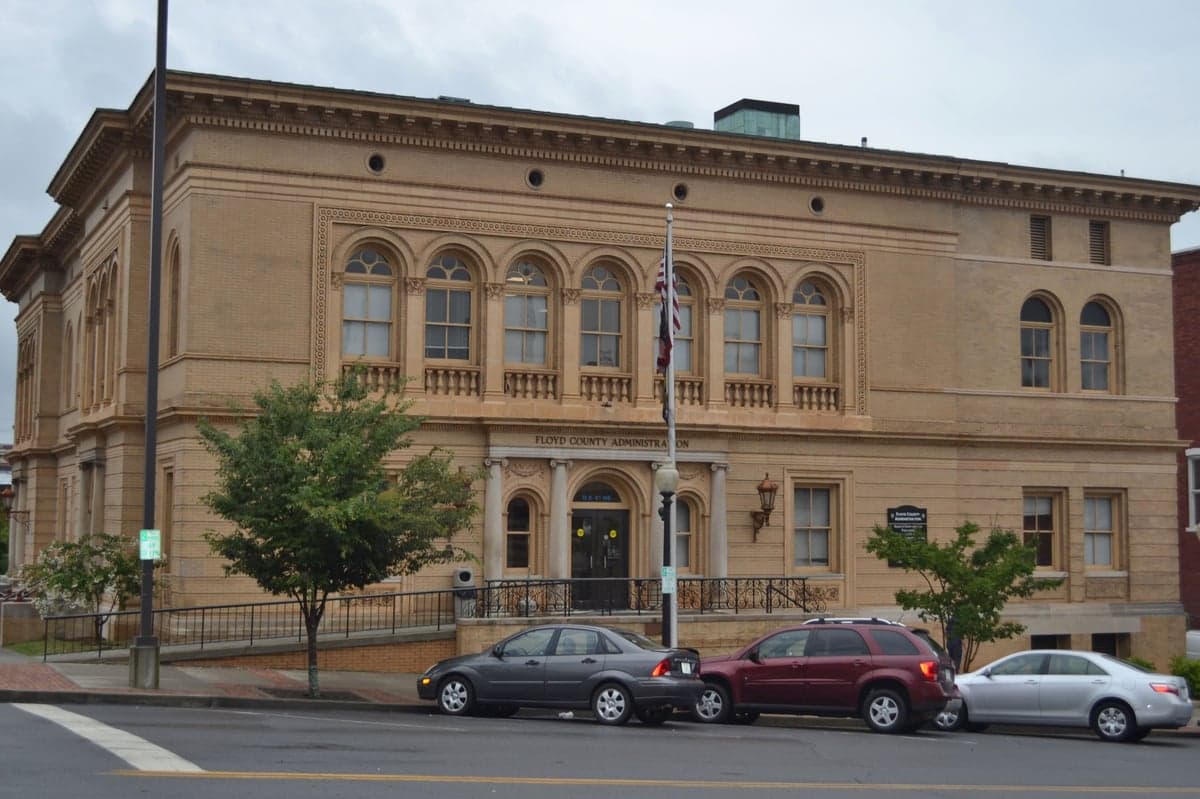
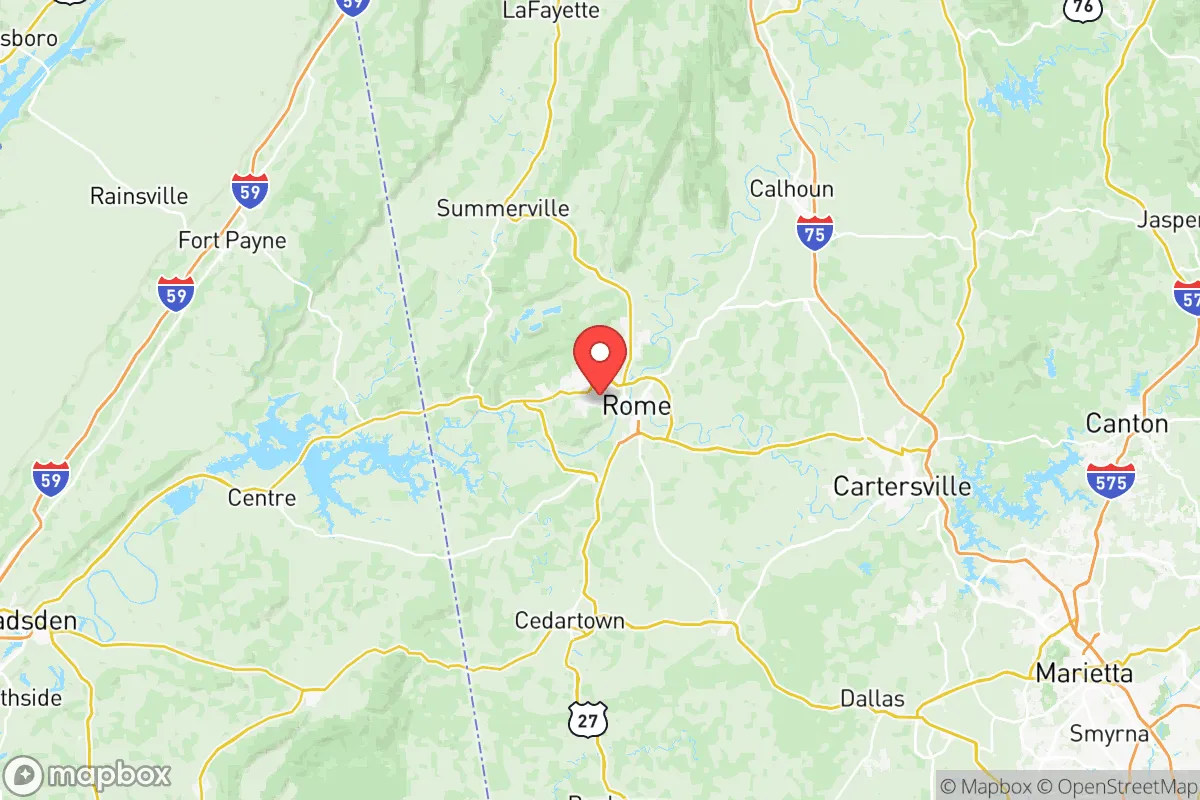
Photo: Wikipedia
Find The Best Places To Live in Floyd County
PRO TIP! You can paste a Zillow or Redfin link to get info on that property.
Best Places to Live in Floyd County
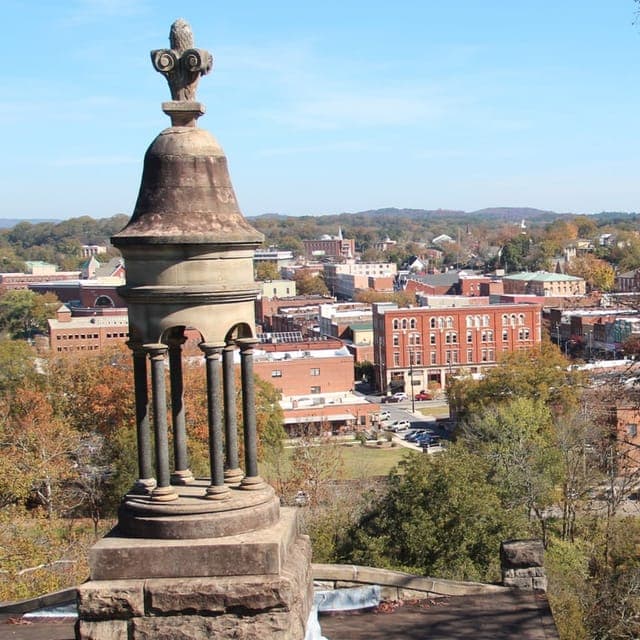
Cities & Towns in Floyd County
Cities in Floyd County
What It's Like Living in Floyd County, GA
Floyd County, Georgia, feels like a place where the old South and a modern, grounded lifestyle meet without much fuss. Anchored by the city of Rome, the county offers a mix of small-city amenities, rural quiet, and a pace of life that’s noticeably slower than Atlanta’s, yet busier than the deep country. It’s the kind of area where people know their neighbors, Friday night lights are a big deal, and you can still find a house for under $200,000.
Daily Rhythm: Work, Commute, and Weekend Errands
Life here revolves around a manageable routine. The median commute is just over 23 minutes, which means most people aren’t spending hours in traffic. In Rome, the county seat, you’ll see folks heading to jobs at Floyd Medical Center, Georgia Power, or the sprawling Mohawk Industries plant. A significant number of residents also commute to Cartersville or even Atlanta (about 70 miles south), but that’s a choice, not a necessity. The median household income sits at $62,540, which goes further here than in many parts of the state because the cost of living index is a low 78—well below the national average. Weekends often mean a trip to the Rome Farmers Market on Broad Street, a hike at Berry College’s expansive campus (the world’s largest), or a meal at a local staple like Schroeder’s New Deli or the Brewer’s Cafe in downtown Rome. For shopping, most people head to the Mount Berry Square mall area or the big-box stores along Turner McCall Boulevard.
Sports, Community, and the Local Identity
High school sports are a genuine cultural pillar here. Rome High School football games draw thousands, and the rivalry between Rome and Darlington School (a private prep school) is a topic of conversation year-round. College sports are also big, with many residents following the University of Georgia or Georgia Tech, but the local passion is for the Rome Braves, the minor league affiliate of the Atlanta Braves. Their games at State Mutual Stadium are a summer staple—affordable, family-friendly, and a genuine social hub. The county’s identity is rooted in a mix of old money (from the textile and carpet industries) and a newer wave of families priced out of metro Atlanta. The median age of 37.8 reflects a population that’s settled but not elderly. The kind of person who fits in here is someone who values a slower pace, doesn’t mind a bit of humidity, and appreciates that you can still buy a home for $194,100 (the median value) without sacrificing quality of life. It’s a place for people who want a yard, a decent school system, and a community that shows up for each other.
What’s There to Do: Outdoors, Festivals, and Nightlife
Outdoor life is a major draw. The Etowah River runs through the county, offering kayaking and fishing, and the Pinhoti Trail starts just north of Rome, providing serious hiking. The Rome River District is the cultural heart, with the Rome Symphony Orchestra, the Desoto Theatre, and festivals like the Rome International Film Festival and Chiaha Harvest Fair. For a more low-key evening, locals hang at Mellow Mushroom or Jefferson’s in downtown Rome, or grab a drink at The Office Lounge. The smaller towns—Cave Spring (known for its natural spring and historic school for the deaf), Lindale, and Silver Creek—offer a quieter, more rural lifestyle. Cave Spring, in particular, has a quirky, artsy feel with its antique shops and the Rolater Park spring-fed pool. The cultural quirk here is a deep pride in local history, from the Chief John Ross House to the Rome Area History Museum. People here know their town’s story, and they’ll tell it to you.
Pros and Cons of Living in Floyd County
Let’s be honest about the trade-offs. The pros are clear: affordable housing, a low cost of living, and a strong sense of community. The schools, particularly in the Rome City School District and Floyd County Schools, are generally well-regarded and serve as community anchors. The violent crime rate is 262 per 100,000, which is slightly above the national average but concentrated in specific areas of Rome; most of the county feels safe. The cons? Job diversity is limited—healthcare, education, and manufacturing dominate. If you’re in tech or finance, you’ll likely be commuting or working remotely. Nightlife is modest; don’t expect a club scene. The weather is classic Georgia: hot, humid summers and mild winters, but the humidity can be draining from June through September. Traffic is rarely a problem except on the main arteries through Rome during rush hour. And while the county is growing, it’s not exploding—so if you want constant new restaurants and entertainment options, you might feel a bit bored. But for those who want a place where you can buy a home, raise a family, and actually know your neighbors, Floyd County delivers. It’s a real, lived-in place, not a postcard.

* Values derived from national, state, county, city and local statistics and may differ in a specific area. Last updated: 2026-07-03T03:04:53.000Z
Narrative content on this page is AI-generated and may contain mistakes. Verify any details that matter before acting on them.
ReloMaps may earn a commission from affiliate links at no extra cost to you.

