Photo: Wikipedia
Find The Best Places To Live in Dougherty County
PRO TIP! You can paste a Zillow or Redfin link to get info on that property.
Best Places to Live in Dougherty County
Cities & Towns in Dougherty County
Cities in Dougherty County
What It's Like Living in Dougherty County, GA
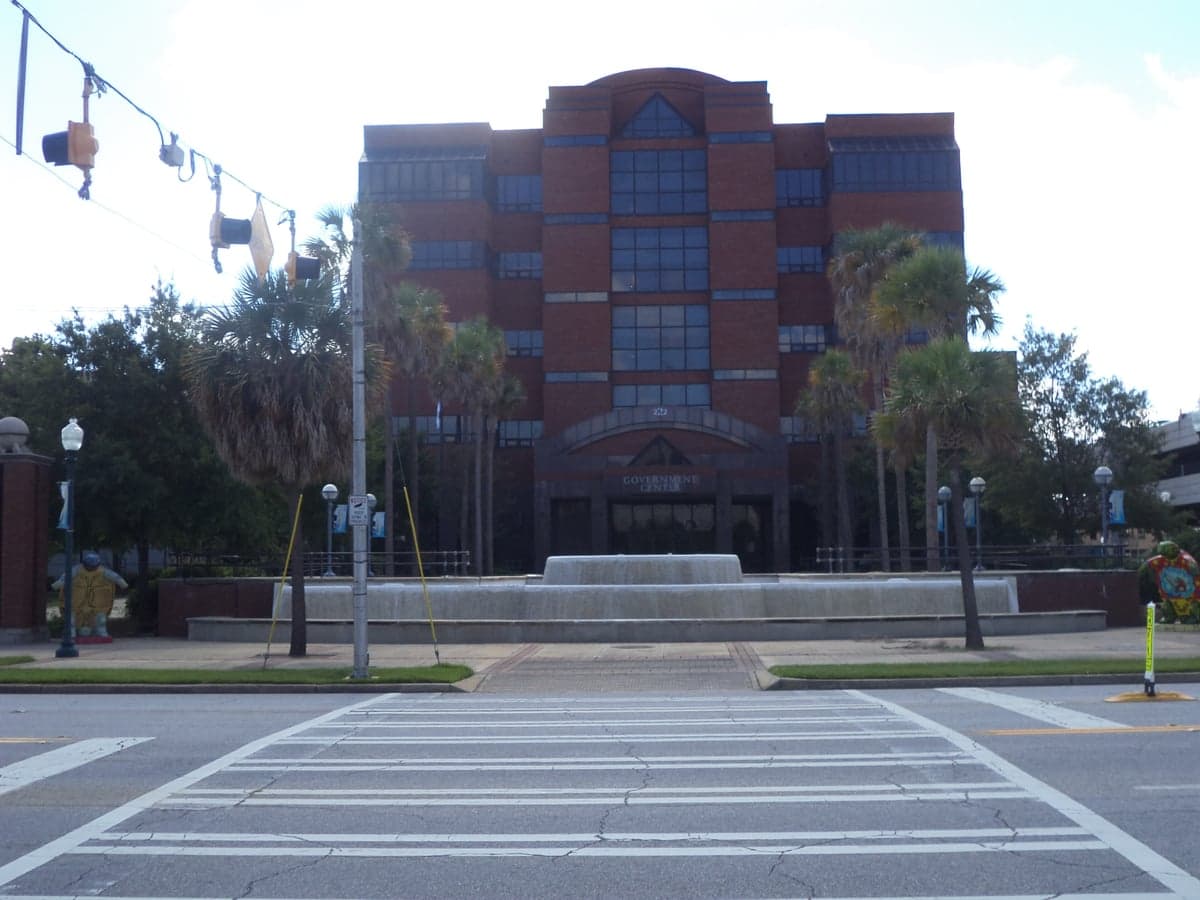
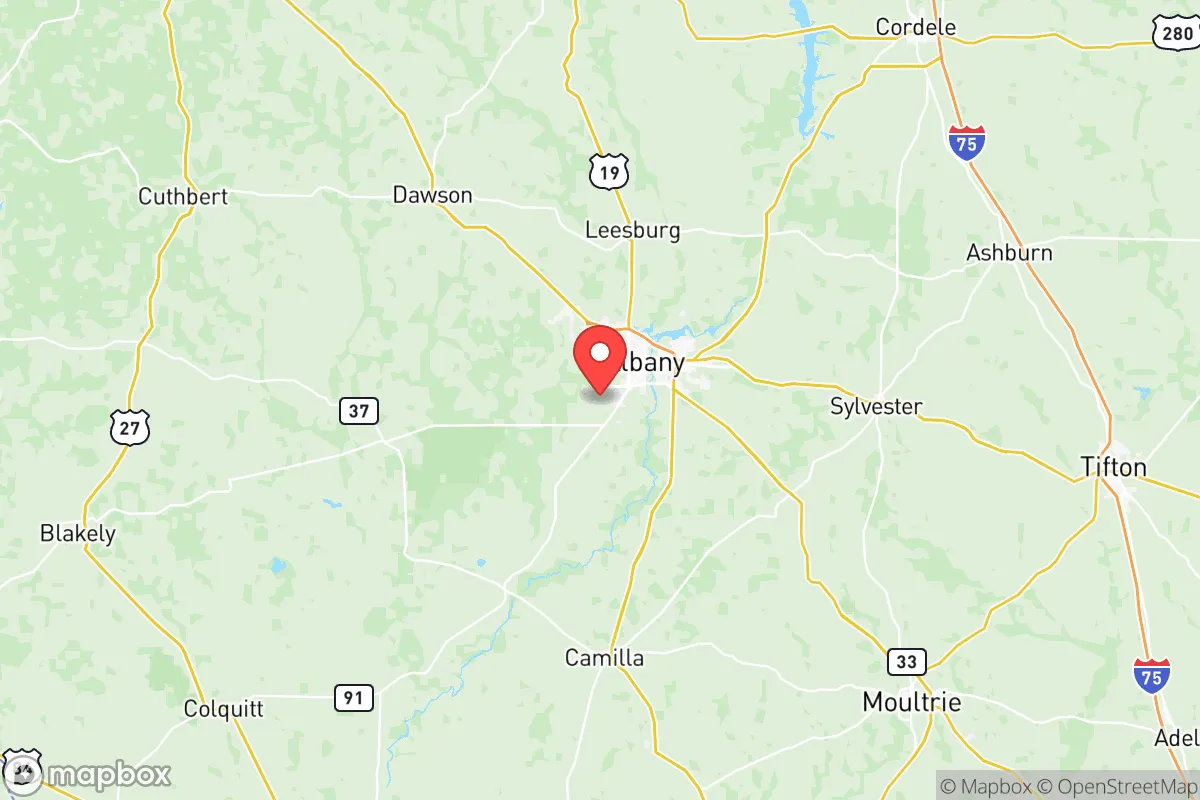
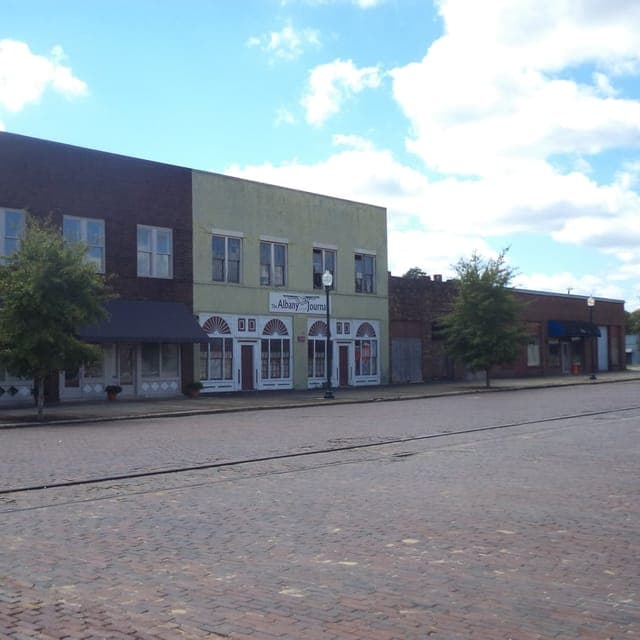
Living in Dougherty County means being part of a place that feels both deeply rooted and quietly resilient—a corner of southwest Georgia where the pace is slower, the people are direct, and the landscape is defined by pecan groves, pine forests, and the Flint River. The county seat, Albany, anchors the region with a population of roughly 68,000, but the character shifts noticeably as you move into smaller communities like Putney, Leesburg (which is actually in Lee County but feels connected), and the rural stretches toward Newton. This is not a place for people chasing nightlife or rapid growth; it’s a place for those who value affordability, a strong sense of community, and the kind of quiet where you can hear yourself think.
The Daily Rhythm and Who Fits In
Most days in Dougherty County start early and end early. The average commute is just over 20 minutes, which means people actually have time for breakfast with their families or a quick stop at a local diner like Pearl’s BBQ in Albany for pulled pork before heading to work. The median age here is 36.6, and the median household income sits at $46,784—a figure that goes further than it would in most of the country thanks to a cost of living index of 65, well below the national average. That combination tends to attract people who work in healthcare, education, or logistics (Procter & Gamble and MillerCoors both have major plants in Albany), as well as retirees and young families priced out of Atlanta or even Columbus. The kind of person who fits in here values stability over flash, knows their neighbors by name, and doesn’t mind driving 15 minutes to get groceries.
Weekends often revolve around youth sports, church, or outdoor projects. The median home value of $129,200 means a decent three-bedroom house is within reach for most working families, and many residents spend their Saturdays maintaining that house or working on a boat or truck. Shopping is practical—Walmart and Publix dominate—but there are local gems like The Flint River Fresh Market in Albany for seasonal produce. For a night out, locals head to Harvest Moon for live music or Brett’s Restaurant for a steak dinner that feels like a special occasion.
Sports, Community, and What People Actually Do
High school football is the undisputed king of Dougherty County sports. Albany High School and Westover High School draw big crowds on Friday nights, and the rivalry between them is the kind of thing that splits families and fills the stands with three generations of alumni. College sports are less central—Georgia Tech and UGA fans are plentiful, but nobody’s driving to Athens every weekend. For outdoor recreation, Chehaw Park in Albany is the standout: a 700-acre zoo and nature preserve with hiking trails, a BMX track, and a campground that fills up during the annual Muckfest obstacle course event. The Flint River itself is a draw for kayaking and fishing, though the water levels can be unpredictable after heavy rains.
Festivals are a big deal here. The Albany Cherry Blossom Festival in March is the county’s signature event, drawing thousands for parades, concerts, and a carnival that takes over the downtown area. Smaller towns like Putney host community fish fries and church homecomings that feel like family reunions. The cultural quirks are real: people wave at passing cars on rural roads, and it’s not unusual to be invited to a stranger’s barbecue after a five-minute conversation at the gas station. That openness is genuine, but it comes with a side of nosiness—everyone knows everyone’s business, and that can feel suffocating if you value privacy.
Pros and Cons of Living Here
The upsides are straightforward. Affordability is the headline: a cost of living 35% below the national average means your paycheck stretches further than it would in nearly any other metro area of similar size. The violent crime rate of 262 per 100,000 is higher than the national average, but it’s concentrated in specific Albany neighborhoods—most of the county, especially the rural areas around Newton and Putney, feels safe and quiet. The schools are a mixed bag; Dougherty County School System has some strong elementary schools, but high school graduation rates lag behind the state average, and many families with means opt for private options like Deerfield-Windsor School in Albany.
What frustrates longtime residents is the lack of economic momentum. The median income hasn’t kept pace with inflation, and job growth outside of healthcare and manufacturing is slow. Young adults often leave for Atlanta or Savannah after college, and the county’s population has been flat or slightly declining for years. The weather is another trade-off: summers are long, humid, and hot, with afternoon thunderstorms that can flood low-lying roads. Winters are mild, but the pollen season in March and April is brutal for allergy sufferers. Still, for the people who stay—and many do—the trade-off is a life where you can own a home, know your mail carrier by name, and spend Sunday afternoons on the river without fighting a crowd.

* Values derived from national, state, county, city and local statistics and may differ in a specific area. Last updated: 2026-07-03T02:20:28.000Z
Narrative content on this page is AI-generated and may contain mistakes. Verify any details that matter before acting on them.
ReloMaps may earn a commission from affiliate links at no extra cost to you.

