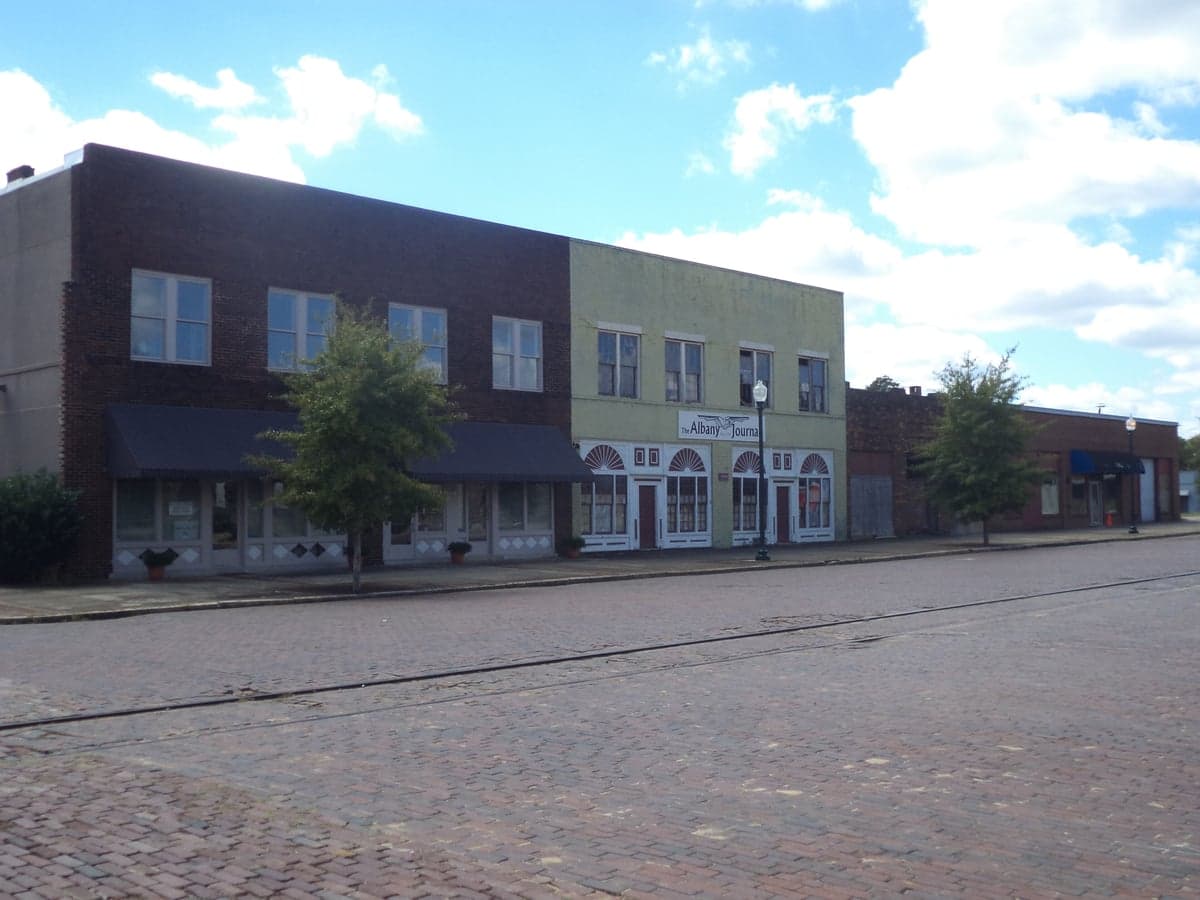
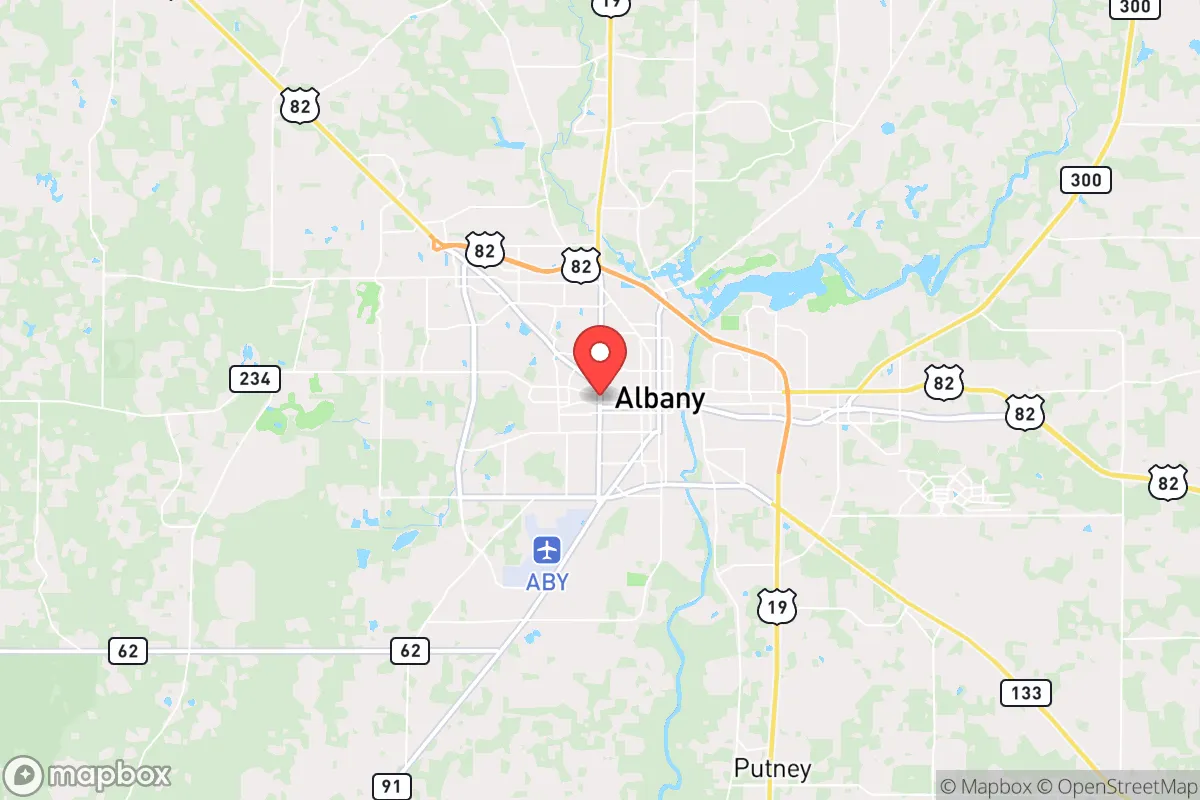
Photo: Wikipedia
Find The Best Places To Live
in Albany
PRO TIP! You can paste a Zillow or Redfin link to get info on that property.
What It's Like Living in Albany, GA
Living in Albany, Georgia, feels a bit like being part of a big, slow-moving family reunion that you actually want to attend. It’s a city with a deep-rooted sense of place, where the Flint River bends through town and the pace of life is dictated more by the afternoon thunderstorm than by the clock. You’ll find a community that’s proud of its history, fiercely loyal to its local sports, and quietly resilient, even when the national headlines don’t always paint a pretty picture.
The Daily Rhythm: Slow Mornings and Friday Night Lights
For most people here, a typical day starts with a slow commute. With an average drive time of just under 20 minutes, you can live on the outskirts and still be downtown in a flash. Traffic is rarely a headache, which is a luxury that residents don’t take for granted. Mornings often start at a local spot like Bread House Bakery & Café for a kolache or a biscuit, or a quick stop at a Waffle House for the full Southern experience. Weekends are for the Albany Farmers Market on Pine Avenue, where you’ll see the same faces every Saturday, or for a lazy afternoon at Chehaw Park, a 700-acre zoo and adventure park that feels like a secret. The city’s median age is 35.1, which means you’re just as likely to see young families pushing strollers at the park as you are retirees fishing off the RiverWalk.
Sports & Community: More Than Just a Game
If you want to understand Albany, you have to understand its obsession with high school football. Friday nights in the fall are a civic ritual. Albany High School and Westover High School games draw crowds that rival some small colleges, and the energy is electric. It’s not just about the game; it’s where you catch up with neighbors, see the band perform, and feel the pulse of the community. For college sports, the Albany State University Golden Rams are a huge deal, especially during basketball season. The city bleeds blue and gold, and a home game at the HPER Gymnasium is a loud, proud affair. Beyond the field, the city’s identity is tied to its history as the “Peanut Capital of the World,” and the annual National Peanut Festival (though technically in nearby Dothan, AL) is a major regional draw, but locals also love the Albany Mardi Gras and the RiverFront Festival for their small-town charm and live music.
What’s There to Do: Honest Entertainment
You won’t find a Broadway-caliber theater or a world-class museum here, but you will find a surprising amount of character. The Albany Museum of Art punches above its weight with a solid permanent collection and rotating exhibits. For a night out, locals gravitate to Pretoria Fields Collective, a craft brewery and taproom in a converted warehouse, or Harvest Moon, a farm-to-table restaurant that feels like a hidden gem. The Flint RiverQuarium is a hit with kids, but the real outdoor draw is Radium Springs Gardens, one of Georgia’s seven natural wonders, where the water is a constant 68 degrees and the gardens are a quiet escape. For a more active weekend, people head to Lake Chehaw for kayaking or to the Philema Road area for disc golf and hiking. The biggest cultural quirk? The city is deeply split between the “old Albany” families and the newer transplants, but everyone agrees on one thing: you don’t mess with the local barbecue. Smokehouse BBQ and Brett’s Restaurant are sacred institutions.
Pros and Cons of Living Here: The Real Talk
Let’s be honest. The cost of living is a massive pro. With a cost of living index of 63 (well below the national average of 100), your dollar goes a long way. The median home value is just $118,700, which means a young family or a single person can actually afford a house with a yard. The median household income is $45,201, which feels comfortable here because your rent or mortgage won’t eat half your paycheck. The weather is another plus—mild winters and long summers mean you can be outside most of the year. But the cons are real and you need to hear them. The violent crime rate is 731.9 per 100,000, which is significantly higher than the national average. This is the number one frustration for longtime residents, and it’s concentrated in specific areas, but it’s a fact that colors daily life for many. The job market is also a challenge; it’s dominated by healthcare (Phoebe Putney Memorial Hospital is the largest employer), education, and agriculture, with fewer white-collar or tech opportunities. If you’re a remote worker, you’re golden. If you’re looking for a six-figure corporate job, you’ll likely need to commute to Atlanta or look elsewhere. The schools are a mixed bag—some are excellent, some struggle, and private school enrollment is relatively high among families who can afford it. The biggest cultural frustration? The city can feel insular. Newcomers sometimes complain that it’s hard to break into established social circles, but the flip side is that once you’re in, you’re family.

Similar small cities to Albany
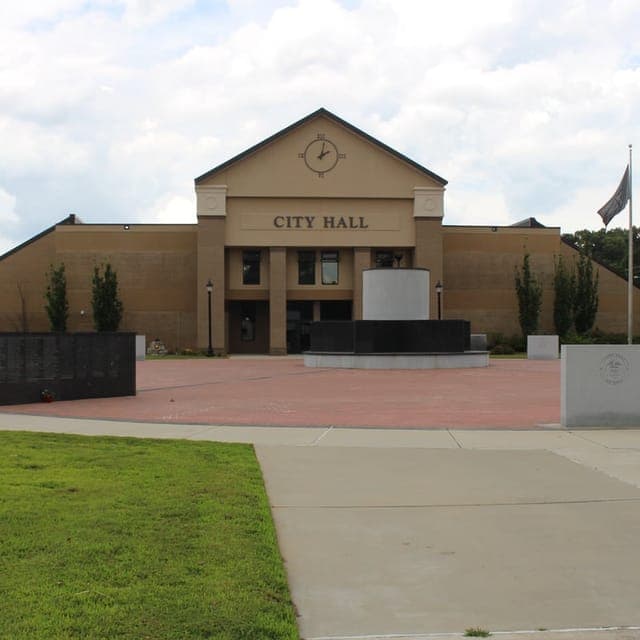
* Values derived from national, state, county, city and local statistics and may differ in a specific area. Last updated: 2026-04-30T00:52:30.000Z
Narrative content on this page is AI-generated and may contain mistakes. Verify any details that matter before acting on them.
ReloMaps may earn a commission from affiliate links at no extra cost to you.

