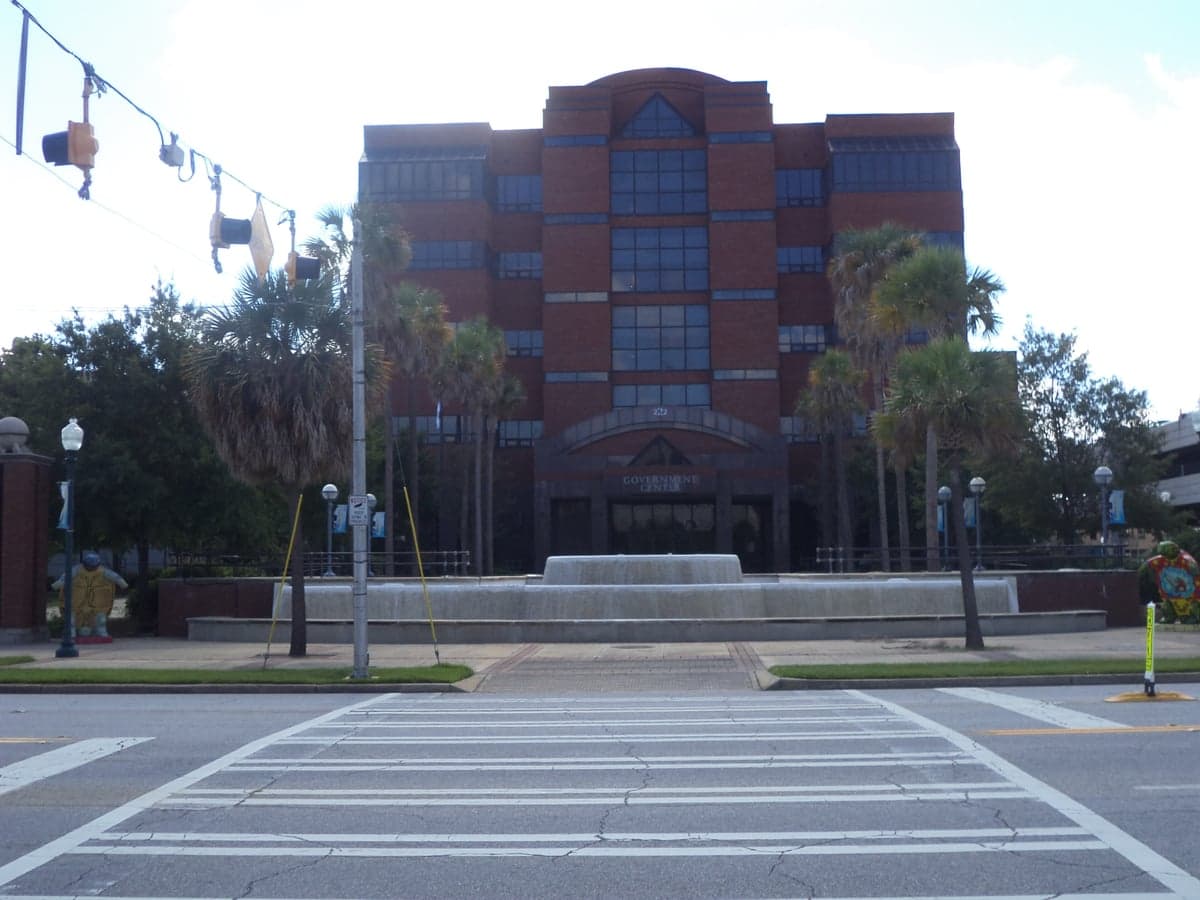
Photo: Wikipedia
Quality of Life in Dougherty County
A livable area that tracks near national norms for affordability, walkability, and neighborhood health.
What does Quality of Life tell us?
Quality of Life measures an area by evaluating factors like cost of living, nearby amenities, country club access, airport proximity, socioeconomic signals and neighborhood character. For large states, this is a general average — quality of life can vary dramatically between metro areas, suburbs, and rural communities within the same state.
What does this tell us?
Quality of Life measures an area by evaluating factors like cost of living, nearby amenities, country club access, airport proximity, socioeconomic signals and neighborhood character. For large states, this is a general average — quality of life can vary dramatically between metro areas, suburbs, and rural communities within the same state.
Cost of Living
35% below national average
127%
The Real Cost of Living in Dougherty County for 2026
| Tier | Individual | Family (4) |
|---|---|---|
| Survival | $14k | $27k |
| Comfortable | $25k | $37k |
| Luxury | $85k+ | $131k+ |
| Elite (Top 5%) | $106k+ | $164k+ |
Quality-of-Life Analysis
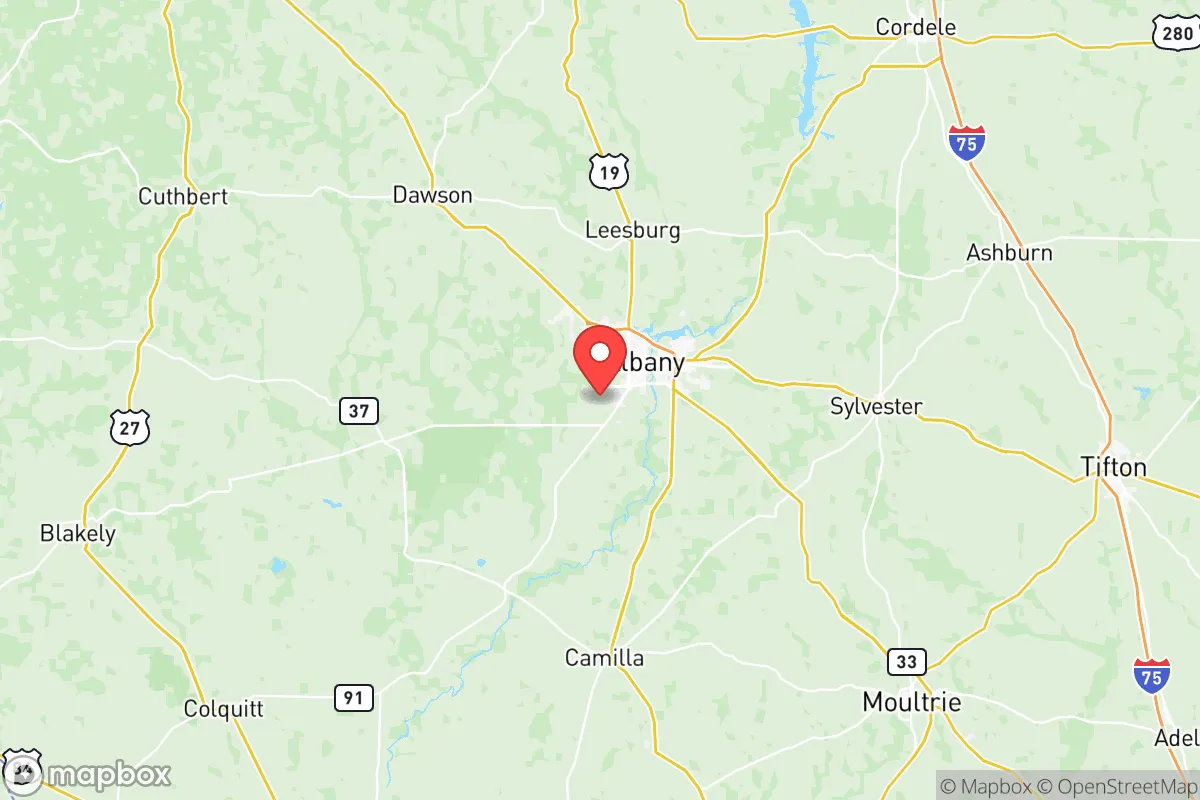
Dougherty County, Georgia, anchored by the regional hub of Albany, offers a spectrum of living environments that range from dense urban-style neighborhoods to quiet, unincorporated farmland, all within a low-cost setting. The county’s character shifts noticeably from the commercial and institutional core of Albany to the slower-paced, more residential communities of Putney and the rural stretches near the Flint River. This diversity attracts a broad mix of residents: young professionals and students drawn to Albany’s employment and educational centers, families seeking affordable suburban lots in smaller towns, and retirees or agricultural workers looking for land and solitude in the county’s outer reaches.
Largest town(s) & population centers
Albany is the undisputed population and economic center of Dougherty County, home to roughly 70,000 residents and the vast majority of the county’s jobs, retail, and healthcare. Daily life in Albany revolves around major employers like Phoebe Putney Health System, the Marine Corps Logistics Base, and Albany State University. The city offers a range of neighborhoods, from historic districts like the Old Town Albany area with its Victorian homes and tree-lined streets, to more modern subdivisions on the west side near the Albany Mall. Commute times are notably short—the county average is just over 20 minutes—meaning most residents can reach work, grocery stores, and schools quickly. While Albany provides the region’s only significant concentration of dining, entertainment, and cultural venues (such as the Albany Museum of Art and the Flint RiverQuarium), it also contends with higher crime rates than the county’s smaller communities, a factor that pushes some families toward the outskirts.
Smaller towns & rural pockets
Outside Albany, Dougherty County’s smaller communities offer a markedly different pace. Putney, an unincorporated area about 10 miles north of Albany, is the most notable of these, featuring a mix of newer subdivisions and older farmhouses, with easy access to U.S. Highway 19 for commuting. Further south, the community of Pretoria is more rural, with scattered homes and agricultural land, while Radium Springs, once a resort destination, now functions as a quiet residential area along the Flint River. The county’s eastern edge, near the Lee County line, contains unincorporated pockets like East Albany (a census-designated place) that blend suburban-style housing with open fields. These areas lack the commercial density of Albany—residents typically drive into the city for groceries, medical care, and most shopping—but gain lower crime rates, larger lot sizes, and a stronger sense of neighborly quiet.
Cost & lifestyle range
The cost of living across Dougherty County is uniformly low, with a composite index of 65 (35% below the U.S. average), but the trade-offs between areas are distinct. At the most affordable end, older neighborhoods in central and east Albany offer median home values around $129,200 and median rents of $905, with many homes under $100,000. These areas provide the shortest commutes and closest access to jobs and services, but often come with older housing stock and higher property crime rates. At the other end of the spectrum, newer subdivisions in Putney and the western edge of Albany (near the Dougherty/Lee county line) see home prices climbing into the $200,000–$300,000 range, offering larger floor plans, newer construction, and lower crime statistics—but requiring a 15- to 25-minute drive to most amenities. Rural properties in Pretoria or along the Flint River can be even cheaper per acre, but buyers must factor in well and septic costs and longer drives to schools and hospitals. For renters, the $905 median rent buys a two-bedroom apartment in Albany’s newer complexes, while a similar budget in Putney might only yield an older single-family home.
Dougherty County best suits those who value extreme affordability and short commutes over urban density or rural isolation. Young families and first-time homebuyers often find the best balance in Putney or the western Albany suburbs, where homes are still cheap by national standards but crime is lower. Retirees on fixed incomes can stretch their dollars in Albany’s older neighborhoods, while agricultural workers and those seeking acreage gravitate toward the county’s rural fringes. The county’s low cost of living and central location within southwest Georgia make it a pragmatic choice for anyone who prioritizes financial breathing room over the amenities of a larger metro area.

Crime in Dougherty County
Generally safer than 56% of comparable U.S. locations.
Violent CrimeViolent Crime Analysis
Property CrimeProperty Crime Analysis
Crime Analysis
Dougherty County, anchored by the city of Albany, presents a mixed safety picture where property crime rates significantly exceed national averages while violent crime hovers near the national median. The county's overall crime index is elevated compared to the rest of Georgia, driven largely by property offenses in the more urbanized areas of Albany and its immediate surroundings. Residents in outlying communities like Leesburg and Putney generally report a lower incidence of crime, though the county's centralized law enforcement and judicial systems mean that trends in the city of Albany heavily influence the county-wide statistics.
Crime in context
Dougherty County's violent crime rate of 262 incidents per 100,000 residents is slightly below the national average of roughly 380 per 100,000, but it is notably higher than the Georgia state average of approximately 240 per 100,000. The property crime rate of 1,236.6 per 100,000 is a more significant concern, as it substantially exceeds both the national average (around 1,950 per 100,000) and the Georgia state average (roughly 1,100 per 100,000). This means a resident in Dougherty County is statistically more likely to experience a burglary, theft, or motor vehicle theft than the average Georgian. The disparity between violent and property crime rates suggests that while serious physical confrontations are less common than in many other parts of the country, property-related offenses are a persistent daily reality, particularly in Albany's older neighborhoods and commercial corridors.
What residents experience
Daily life for Dougherty County residents is shaped by the contrast between the city of Albany and its smaller, more suburban neighbors. In Albany, property crime is a frequent topic of neighborhood watch meetings and local news, with areas near the downtown core and along major thoroughfares like Slappey Boulevard and Dawson Road reporting higher concentrations of theft and vehicle break-ins. Residents in Albany often cite concerns about the effectiveness of the local criminal justice system, particularly the policies of the Dougherty County District Attorney's office and the judges in the Albany Judicial Circuit. A progressive approach to prosecution and sentencing, which may emphasize diversion programs and reduced incarceration for property offenders, can lead to a perception that repeat offenders are quickly returned to the streets, undermining public confidence and potentially contributing to the elevated property crime rate. In contrast, communities like Leesburg (in neighboring Lee County but part of the same metro area) and Putney experience far fewer incidents, with residents reporting a stronger sense of security and quicker police response times. The unincorporated areas of the county, such as those around the Albany State University campus, see a mix of student-related theft and occasional violent incidents, but these are generally contained to specific blocks rather than widespread.
Neighborhood-level variation
The safety landscape within Dougherty County is highly localized. The most significant concentration of crime, both violent and property, occurs within the city limits of Albany, particularly in the central and eastern wards. Neighborhoods like the Radium Springs area and the historic districts near the Flint River have seen fluctuating crime rates, with property offenses being the primary driver. Conversely, the western and southern fringes of the county, including areas near the Marine Corps Logistics Base and the more rural stretches toward Sylvester, report crime rates that are a fraction of Albany's. For prospective residents, the safest options are typically found in the newer subdivisions on the outskirts of Albany or in the small towns of Lee County immediately adjacent, such as Leesburg, which offer a suburban buffer from the city's higher crime statistics. The Dougherty County Police Department and the Albany Police Department share jurisdiction, but response times and proactive patrols vary significantly, with the county sheriff's office often covering the lower-crime rural areas more effectively than city police can cover the denser urban zones.
* Values derived from national, state, county, city and local statistics and may differ in a specific area. Last updated: 2026-07-03T02:20:28.000Z
Narrative content on this page is AI-generated and may contain mistakes. Verify any details that matter before acting on them.
ReloMaps may earn a commission from affiliate links at no extra cost to you.

