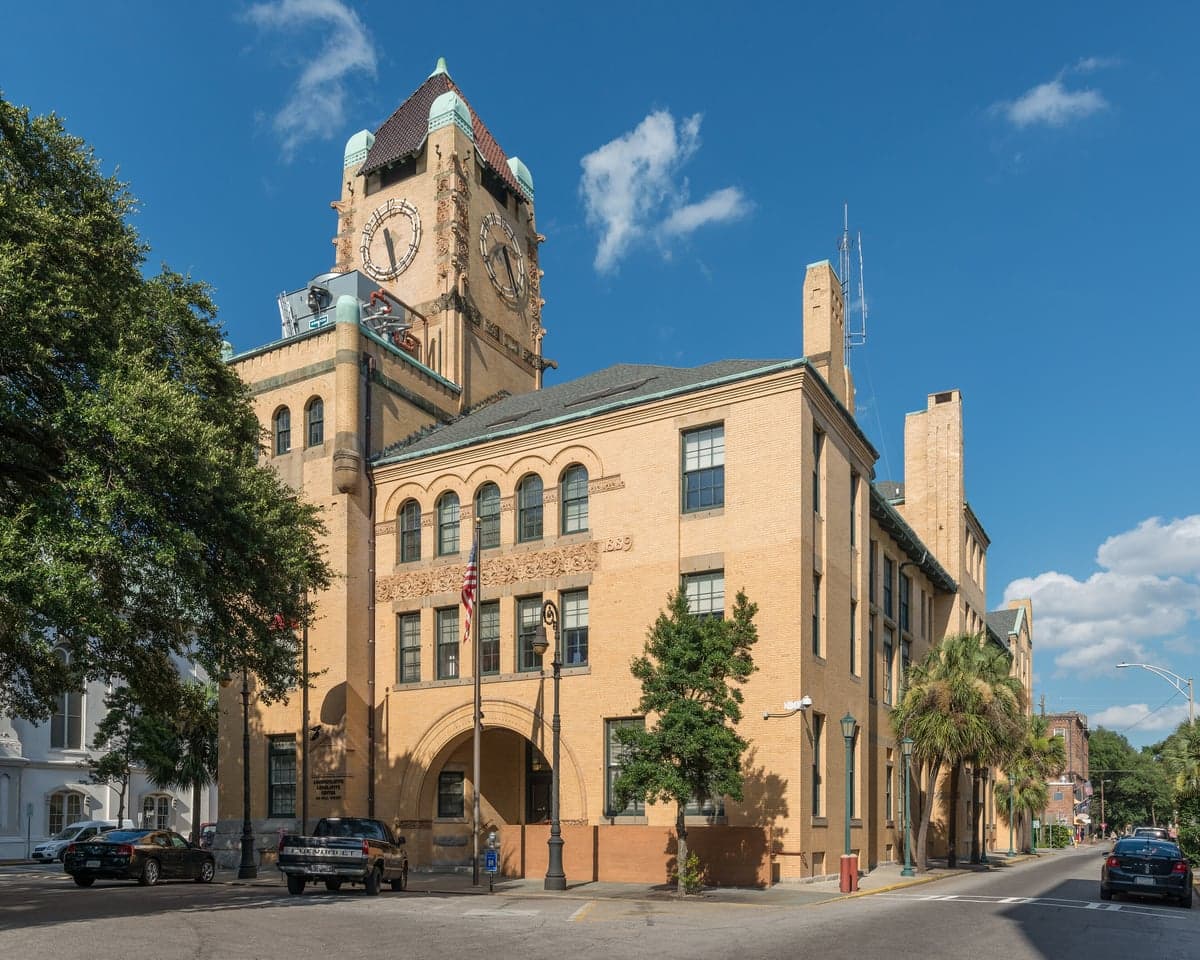
Photo: Wikipedia
Personal Sovereignty in Chatham County
Viable for self-reliance. Generally workable, though some barriers may limit total independence.
What does Personal Sovereignty tell us?
Personal Sovereignty measures your capacity for self-reliance and independence with minimal government friction. Higher scores mean fewer barriers between you and the way you want to live... but it assumes you have the space you need and good neighbors.
What does this tell us?
Personal Sovereignty measures your capacity for self-reliance and independence with minimal government friction. Higher scores mean fewer barriers between you and the way you want to live... but it assumes you have the space you need and good neighbors.
State Policy
Energy independence: Importer (12% of energy produced in-state)
Personal Liberty
Homesteading

Personal Liberty Analysis
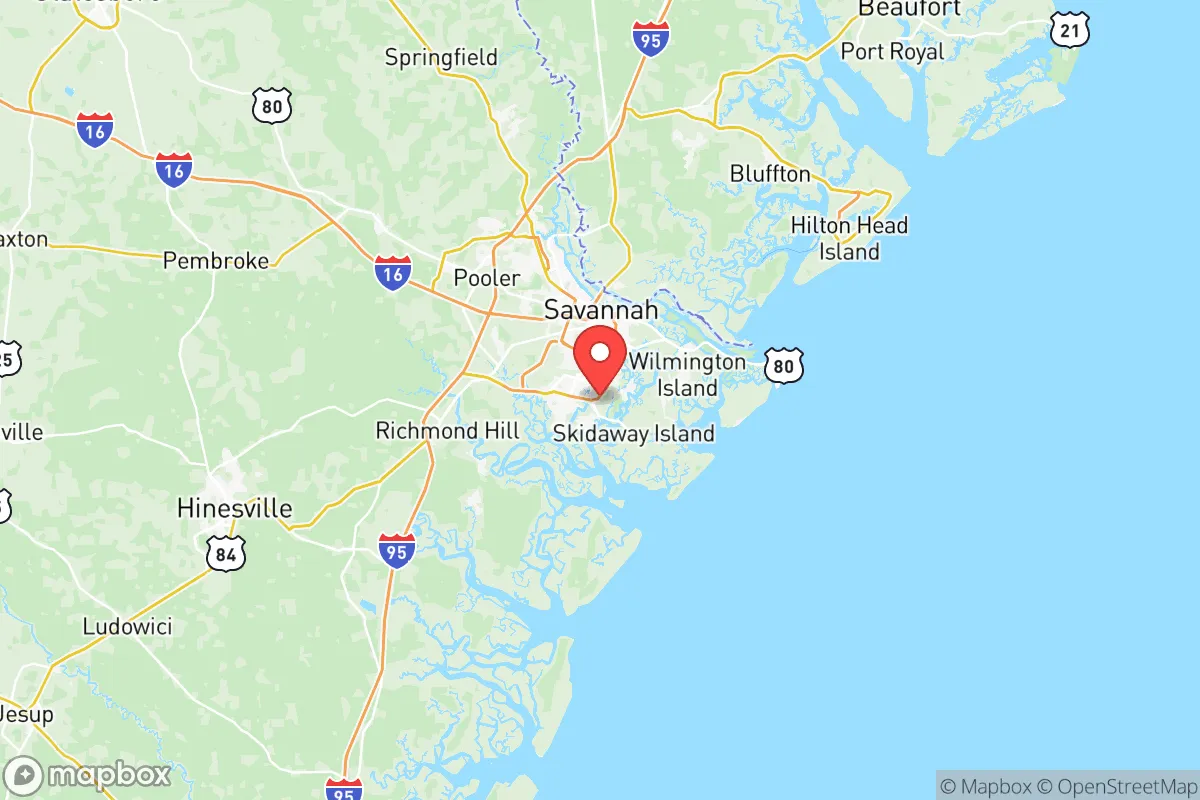
Chatham County, anchored by Savannah, presents a nuanced personal sovereignty environment where Georgia’s generally permissive state laws provide a baseline of autonomy, but local municipal codes and urban density create significant variation across the county. For individuals and families prioritizing personal freedom, the key distinction lies between the city limits of Savannah and the more rural, unincorporated areas like Pooler, Bloomingdale, and the islands of Tybee and Wilmington, where regulatory touch and community character differ markedly.
Tax burden and regulatory posture: How Georgia’s framework shapes local freedom
Georgia’s state-level posture is broadly friendly to personal sovereignty. There is no state property tax on vehicles, and the state income tax is a flat 5.49% as of 2026. Chatham County’s property tax millage rate is moderate for the region, but the real variable is the local regulatory environment. Savannah imposes a city property tax on top of the county rate, making the combined burden noticeably higher than in unincorporated areas or smaller towns like Pooler or Bloomingdale. For example, a home in Savannah’s historic district carries a higher effective tax rate than a comparable property in unincorporated Chatham County. Business regulation follows a similar pattern: starting a home-based business in Savannah requires a business license and adherence to zoning overlays, while in Port Wentworth or Garden City, the process is simpler and less costly. The county’s regulatory posture is not heavy-handed by coastal urban standards, but it is not as light-touch as rural Georgia counties to the west. For a self-reliant individual, the unincorporated areas and smaller municipalities offer a noticeably lower regulatory burden than Savannah proper.
Self-defense and gun law specifics: What Georgia’s permitless carry means in Chatham County
Georgia is a permitless carry state, meaning any legal resident 21 or older can carry a concealed firearm without a permit. This applies uniformly across Chatham County, including within Savannah city limits. However, local enforcement culture and practical access differ. In Savannah, gun ownership is common but less openly displayed than in more rural parts of the county. The Savannah Police Department is generally professional and respects lawful carry, but the city’s higher crime density means interactions with law enforcement are more frequent. In contrast, Tybee Island and Wilmington Island have a more relaxed, suburban gun culture where open carry is more socially accepted. There are no county-specific gun ordinances that exceed state law—no additional waiting periods or magazine capacity bans. The Chatham County Sheriff’s Office processes weapons carry licenses (still useful for reciprocity when traveling) efficiently, with typical wait times under 30 days. For a family prioritizing self-defense, the legal framework is solid statewide, but the day-to-day experience of exercising that right is smoother in the county’s less urbanized areas.
Self-reliance and homesteading viability: Lot sizes, zoning, and off-grid feasibility
Homesteading and off-grid living are feasible in Ch

* Values derived from national, state, county, city and local statistics and may differ in a specific area. Last updated: 2026-06-29T01:31:10.000Z
Narrative content on this page is AI-generated and may contain mistakes. Verify any details that matter before acting on them.
ReloMaps may earn a commission from affiliate links at no extra cost to you.

