Photo: Wikipedia
Find The Best Places To Live in Chatham County
PRO TIP! You can paste a Zillow or Redfin link to get info on that property.
Best Places to Live in Chatham County


Cities & Towns in Chatham County
Cities in Chatham County
What It's Like Living in Chatham County, GA
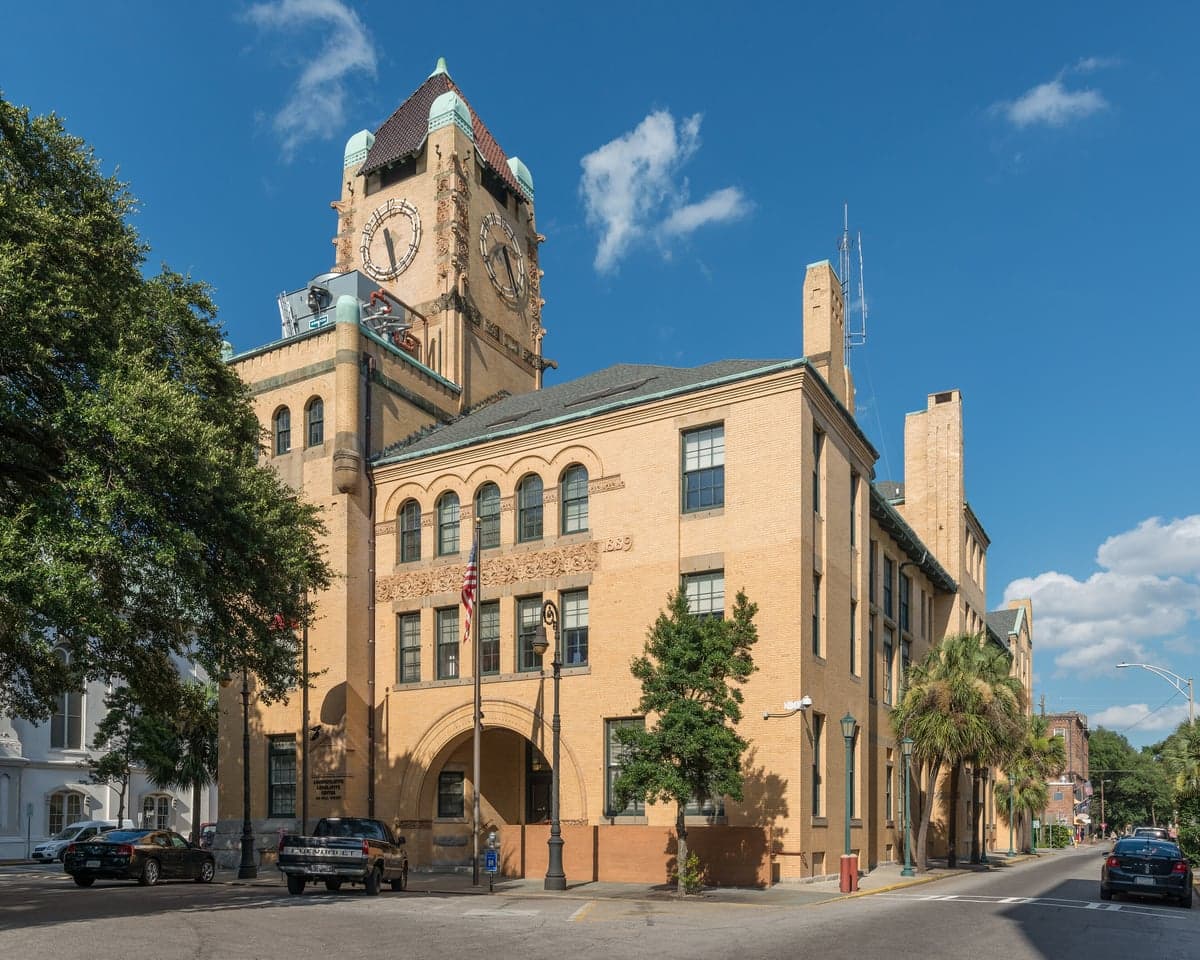
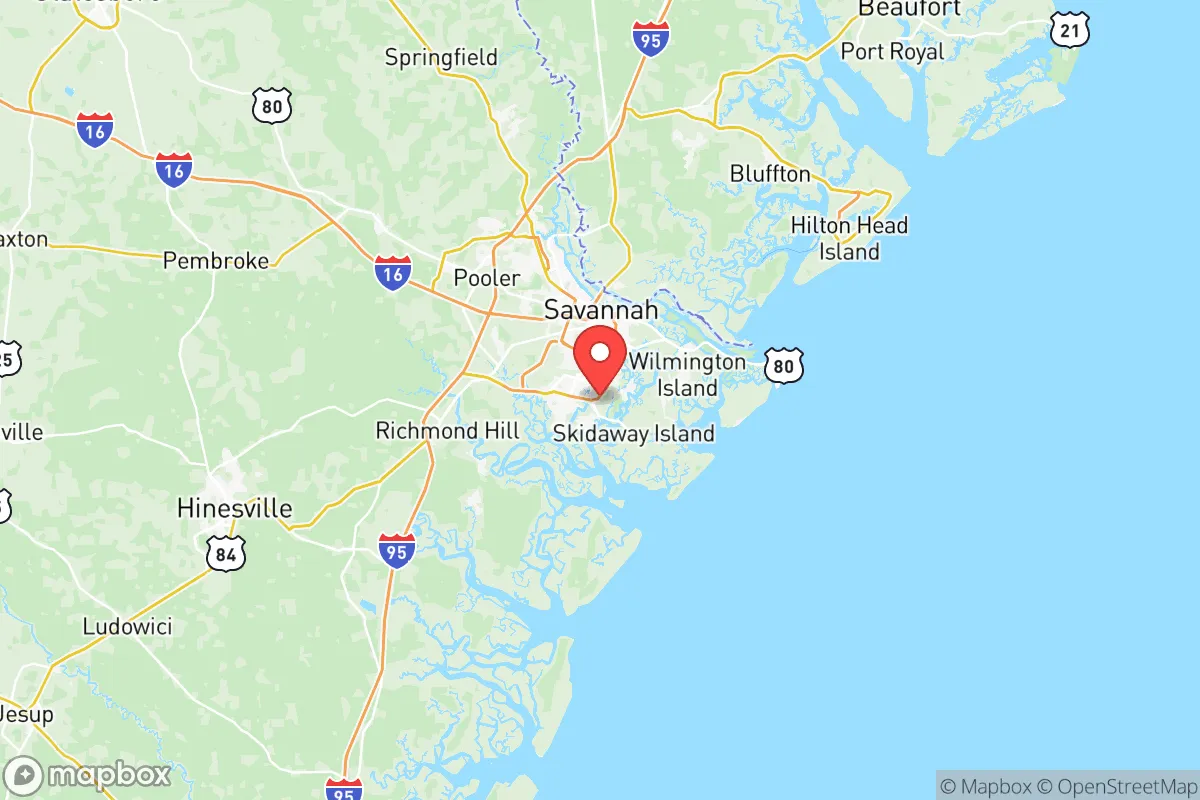
Living in Chatham County means trading the breakneck pace of a major metro for a salt-tinged rhythm where Spanish moss sways over historic squares and the Atlantic Ocean is never more than a twenty-minute drive away. This is the heart of Georgia’s coast, anchored by Savannah but stretching out to include the beach-town vibe of Tybee Island, the suburban quiet of Pooler, the rural stretches of Bloomingdale, and the riverfront communities of Port Wentworth and Garden City. It’s a place where you can spend a Saturday morning watching cargo ships glide past a downtown coffee shop and the afternoon kayaking through marsh creeks, all without ever feeling like you’re in a tourist trap.
The Daily Rhythm: From Historic Squares to Suburban Strip Malls
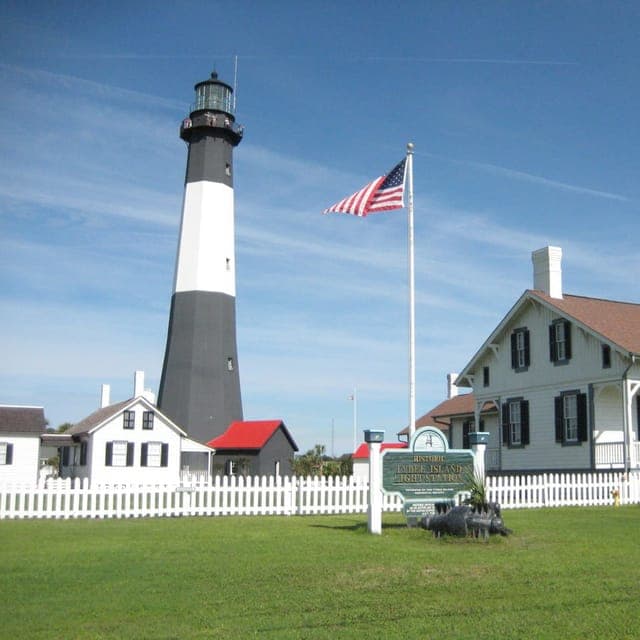
For most residents, daily life in Chatham County revolves around a few distinct hubs. Savannah’s Historic District is the cultural and economic engine, where workers in tourism, film production, and the creative arts fill the streets. But the majority of the county’s 298,143 residents live outside the downtown core. Pooler, with its massive Tanger Outlets and new hospitals, has become the go-to for families who want good schools and a 22-minute average commute to jobs in Savannah or at Gulfstream Aerospace. Tybee Island offers a completely different rhythm — a small-town beach community where the year-round population swells with summer renters and the main drag, Butler Avenue, is lined with seafood shacks and bike rental shops. The county’s median age of 37.1 reflects a mix of young professionals drawn to Savannah’s creative scene and established families settling in the suburbs.
What people actually do here is heavily shaped by the weather. Summers are long, humid, and hot, which pushes outdoor activities to early mornings or evenings. Locals know to hit Forsyth Park before 9 a.m. and retreat to air-conditioned breweries or the Savannah Mall by midday. Winters are mild — rarely below freezing — which means outdoor festivals and farmers markets run almost year-round. The cost of living index sits at 110 (10% above the national average), driven largely by housing. The median home value of $273,300 is a bargain compared to coastal Florida or the Carolinas, but it’s climbed sharply since 2020, pricing out some longtime residents, particularly on Tybee and in the Historic District.
Sports, Community, and the Things That Bring People Together
Chatham County doesn’t have a major professional sports team, but that doesn’t mean sports are an afterthought. High school football is a genuine community anchor, especially in the suburbs. Benedictine Military School and Savannah Christian Preparatory School regularly draw crowds of 5,000 or more on Friday nights, and the rivalry between Jenkins High and Beach High is the stuff of local legend. For college sports, Georgia Southern University in nearby Statesboro is about an hour away, but many locals are die-hard Georgia Bulldogs fans who make the three-hour drive to Athens for home games. The Savannah Bananas, a collegiate summer baseball team, have become a national phenomenon with their viral, theatrical style of play — tickets are nearly impossible to get, but the team’s home games at Grayson Stadium are a quintessential Chatham County experience.
Beyond sports, the county’s identity is deeply tied to its festivals. The Savannah Music Festival draws world-class jazz, classical, and folk acts each spring. The St. Patrick’s Day Parade is the second-largest in the United States, turning downtown into a sea of green and drawing over 300,000 visitors. For a quieter weekend, locals head to Skidaway Island State Park for hiking through maritime forest or to Tybee Island’s North Beach to watch cargo ships enter the Savannah River. The food scene is a major draw — The Olde Pink House for upscale Southern fare, Zunzi’s for takeout sandwiches, and the Wyld Dock Bar for waterfront oysters are staples that residents defend fiercely.
Pros and Cons of Living in Chatham County
The upsides are clear: affordable coastal living compared to Charleston or Jacksonville, a rich history that gives the area a distinct sense of place, and a pace of life that feels deliberate without being slow. The violent crime rate of 262 per 100,000 is slightly above the national average, and it’s concentrated in specific Savannah neighborhoods — most suburban and rural areas feel very safe. Traffic is manageable by big-city standards, though the I-16 corridor between Savannah and Pooler can back up during rush hour, and the Talmadge Memorial Bridge can be a bottleneck for beach traffic on summer weekends.
What frustrates longtime residents most is the summer humidity (it’s not the heat, it’s the wet blanket) and the rising cost of housing in desirable areas. The median income of $69,575 is solid for Georgia, but home prices have outpaced wage growth, making it harder for first-time buyers. The school system is a mixed bag — Savannah-Chatham County Public Schools have some excellent magnet programs (like Savannah Arts Academy) but also struggling neighborhood schools, which is why many families in Pooler and Richmond Hill (just over the county line) opt for private or charter options. Still, the area’s 36.8% college-educated population supports a lively intellectual scene, from book readings at the Flannery O’Connor Childhood Home to lectures at the Telfair Museums.
The kind of person who fits in here is someone who values texture over polish. Chatham County isn’t a manicured master-planned community — it’s a place where historic mansions sit next to vacant lots, where the air smells like salt marsh and diesel fuel, and where a Friday night can mean a shrimp boil on Tybee or a gallery opening in the Starland District. It rewards curiosity and a tolerance for humidity. If you want a predictable, sanitized suburbia, Pooler delivers that in spades. If you want character, grit, and a front-row seat to the Atlantic, Savannah and Tybee are waiting. Just bring bug spray and a willingness to learn the difference between a low country boil and a shrimp and grits.

* Values derived from national, state, county, city and local statistics and may differ in a specific area. Last updated: 2026-06-29T01:31:10.000Z
Narrative content on this page is AI-generated and may contain mistakes. Verify any details that matter before acting on them.
ReloMaps may earn a commission from affiliate links at no extra cost to you.

