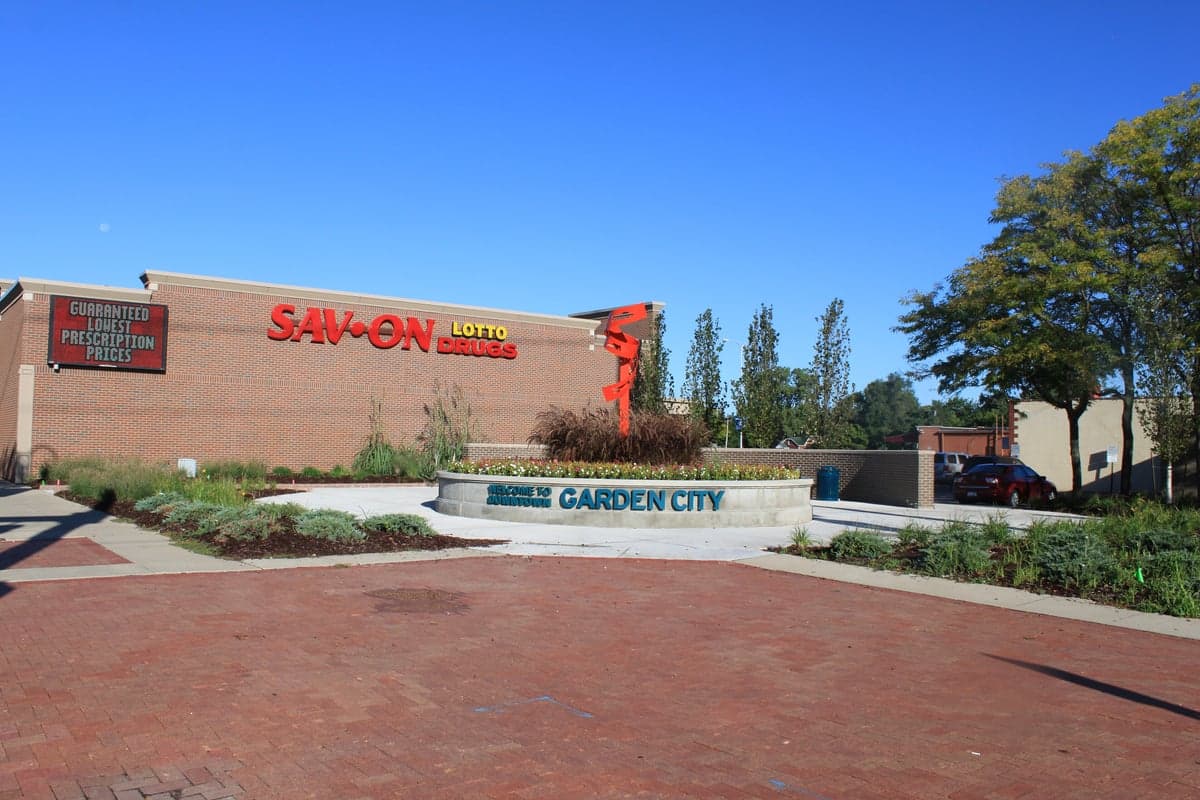
Photo: Wikipedia
Strategic Assessment of Garden City, MI
Multiple tactical vulnerabilities. Population density, target proximity, or disaster risk are likely compounding. A retreat property and exit planning is required.
What does the Strategic Assessment tell us?
Our Strategic Assessment grades tactical survivability of an area. Major population centers, military targets, fallout zones, natural disasters, and border exposure all drive risk — lower exposure means a more defensible position in a crisis.
This is heavily inspired by Joel Skousen's Strategic Relocation book. Highly recommended you checkout the book ($)What does this tell us?
Our Strategic Assessment grades tactical survivability of an area. Major population centers, military targets, fallout zones, natural disasters, and border exposure all drive risk — lower exposure means a more defensible position in a crisis.
This is heavily inspired by Joel Skousen's Strategic Relocation book. Highly recommended you checkout the book ($)Strategic Pillars
Key Distances
Regional Safe Places
Below is our recommended "safe zones" in Michigan and the surrounding area based on our strategic heuristics. For most people, it's unrealistic to live in a “safe zone” full-time due to work, family or other personal reasons. They tend to be more rural. However, many of these areas are perfect for second homes and retreat properties that double as a vacation home or even a short-term rental.


Important Note: For informational purposes only. This does not mean nothing bad ever happens in the green zones. Please use common sense. This is based on public data and modeled with AI. We tried to take a conservative approach but mistakes happen. We update this regularly as new information becomes available.
Solar Generator Recommendations
Backup power matters more here than in safer locations. We've picked three solar generators across budgets and capacity tiers — start with the budget unit if you only need a few essentials, or step up if you want to run a fridge and HVAC for days at a time.
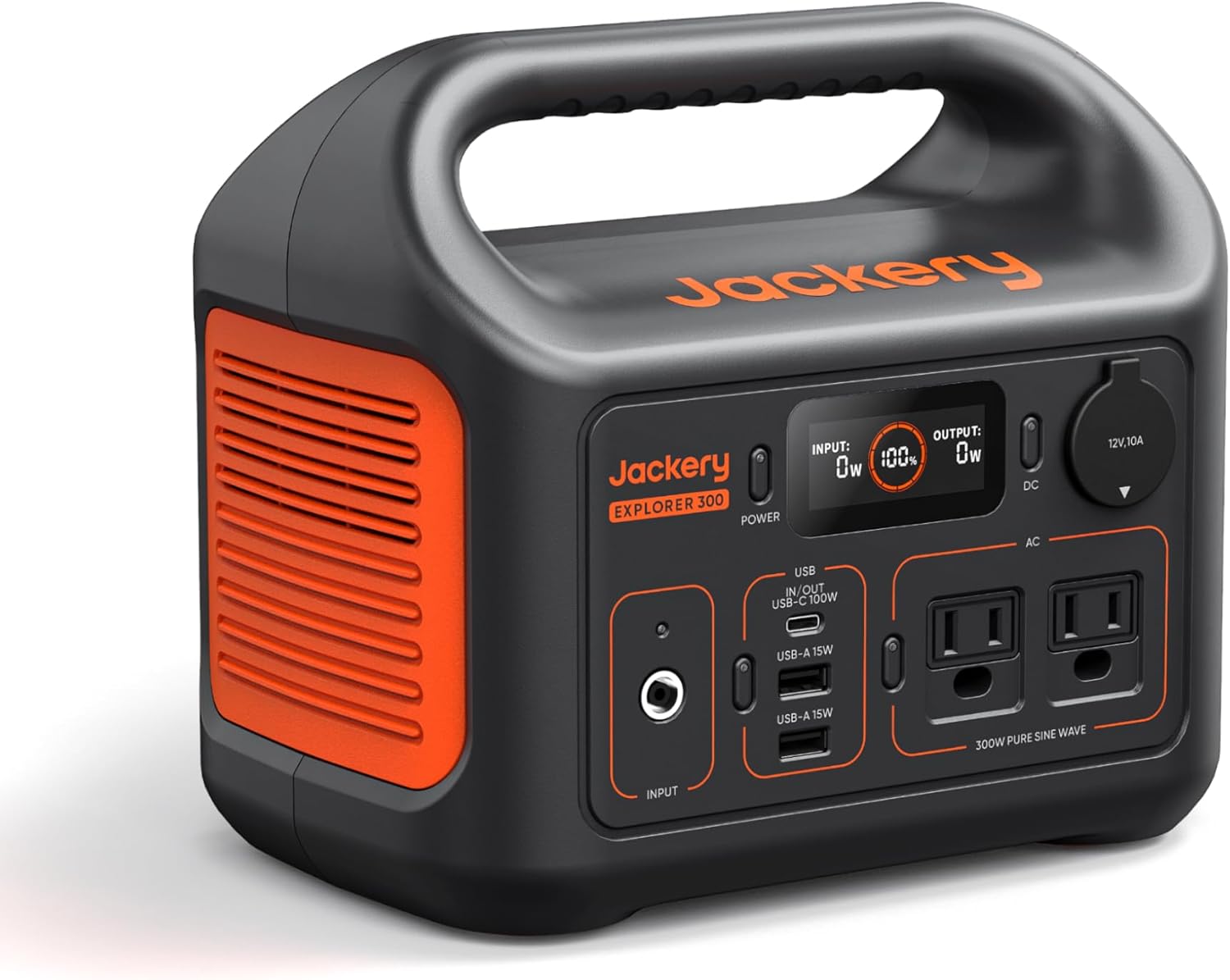
Jackery Portable Power Station Explorer 300
Budget OptionPower on the Go: Weighing only 11 lbs, it's convenient to set up and store with book-sized foldable solar panels

BLUETTI Portable Power Station AC180
Designed for both indoor and outdoor scenarios, AC180 is highly capable as it has a robost capacity and continuous output power.

EF ECOFLOW DELTA Pro Ultra Power Station
Upgraded PickEcoFlow DELTA Pro Ultra is a whole-home energy system designed to grow with your family. Integrated with the Smart Home Panel 2, it scales to meet your evolving energy needs — keeping your home powered, intelligent, and secure through every stage of life.
We earn a commission, at no additional cost to you.
Strategic Assessment Analysis
Garden City, Michigan, presents a mixed strategic picture for the relocation-minded reader focused on resilience and self-sufficiency. While its location in the downriver area of Metro Detroit offers certain logistical advantages, it also places residents squarely within the shadow of a major metropolitan hub, which carries significant risk exposure for those prioritizing disaster readiness. The city’s true value lies not in isolation or natural fortification, but in its potential as a staging ground—a place with decent infrastructure and community cohesion that requires deliberate, active preparation to offset its inherent vulnerabilities.
Geographic position and natural advantages for long-term stability
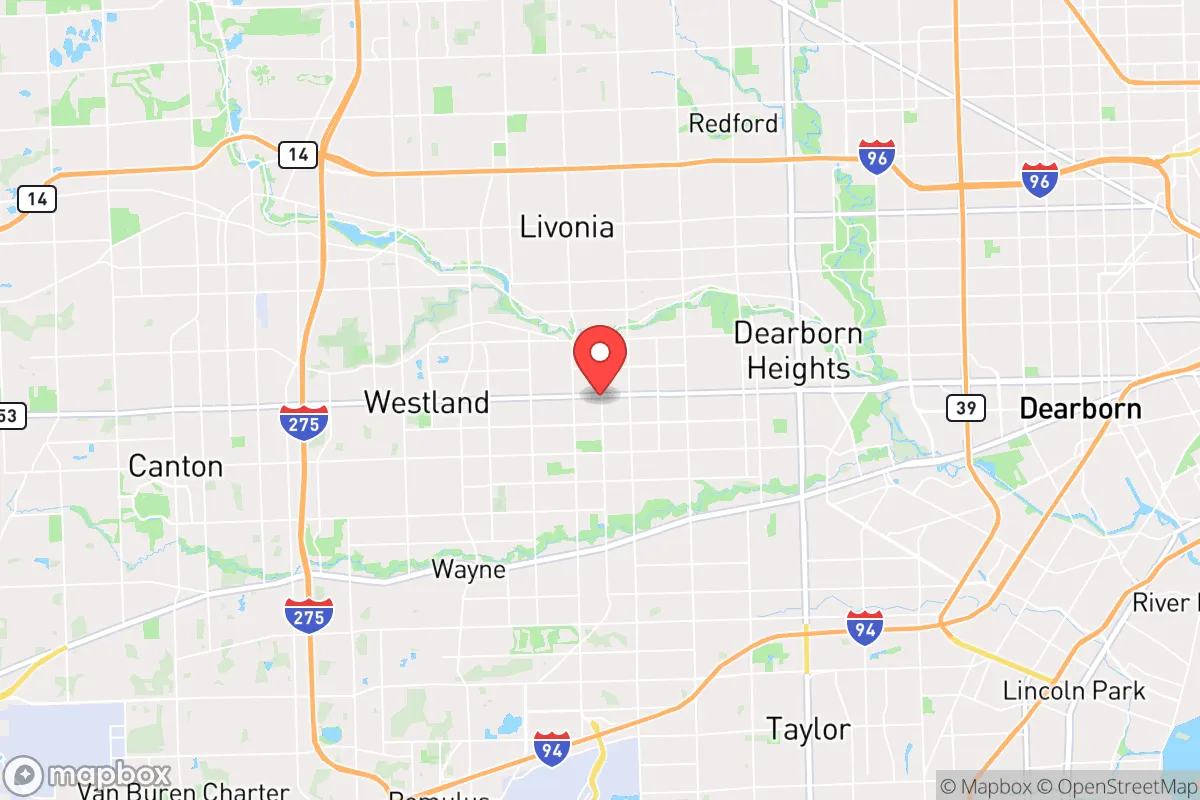
Garden City sits roughly 20 miles west of downtown Detroit, placing it in the suburban ring rather than the urban core. This positioning offers a meaningful buffer from the immediate chaos that could follow a major event in the city, while still providing access to the region’s economic and logistical networks. The area is part of the relatively flat, glacially smoothed terrain of southeastern Michigan, which means no significant floodplains, fault lines, or wildfire corridors threaten the city directly. The Rouge River runs nearby, but Garden City itself is not situated in a high-risk flood zone, and the local drainage infrastructure is adequate for typical Midwestern storms. The climate is temperate, with four distinct seasons, which supports basic gardening and small-scale agriculture for those willing to adapt to a shorter growing season (roughly 150 days). The soil, while not premium farmland, is workable for raised beds and cold-hardy crops. For a relocator, the natural advantages here are modest but real: no hurricanes, no earthquakes, no wildfires, and a water-rich Great Lakes region that provides a deep, reliable freshwater source—the Great Lakes hold roughly 20% of the world’s surface freshwater, and Michigan’s access to them is a long-term strategic asset that few other states can match.
Risk exposures and proximity to fallout-relevant landmarks
The most significant risk for Garden City is its proximity to Detroit and the broader southeastern Michigan industrial corridor. Detroit is a major population center (roughly 4.3 million in the metro area) and a hub for automotive manufacturing, chemical processing, and logistics. In a national emergency—whether natural disaster, grid failure, or geopolitical conflict—this density becomes a liability. The city is within 25 miles of Detroit Metropolitan Airport (DTW), a major international transit hub that could be a target or a chokepoint. Additionally, the downriver area hosts several industrial facilities, including chemical plants and refineries along the Detroit River and the Rouge River complex. A major incident at any of these sites could produce hazardous material releases that would affect Garden City depending on wind direction. The area is also within the fallout radius of potential targets in Detroit proper, such as the Renaissance Center, the Ambassador Bridge, and the Detroit-Windsor Tunnel—critical infrastructure that could be targeted in a conflict. While Garden City itself is not a primary target, its location in the suburban ring means it could face secondary effects: refugees, supply chain disruptions, and potential contamination plumes. The city’s flat terrain offers no natural defensive barriers, and its grid-like street pattern makes it vulnerable to rapid movement of people or threats. For the relocator, this means that while daily life is safe and stable, the strategic calculus shifts dramatically in a crisis—Garden City is not a retreat; it is a position that requires constant situational awareness.
Practical resilience for a relocator: food, water, energy, and defensibility
For the individual or family serious about self-sufficiency, Garden City offers a mixed bag. The city’s water supply comes from the Great Lakes Water Authority, which draws from Lake Huron and the Detroit River. This is a robust, high-volume system, but it is also centralized and vulnerable to contamination or disruption. A relocator should plan for at least two weeks of stored water per person, plus a means of purification (filtration, boiling, or chemical treatment). The local water table is high enough that a private well is theoretically possible on larger lots, but most residential properties in Garden City are on standard city lots (typically 50 to 70 feet wide), limiting space for a well and septic system. Rainwater collection is feasible but must comply with Michigan’s relatively permissive laws—roof catchment for non-potable use is allowed, and a 1,000-square-foot roof can yield roughly 600 gallons per inch of rain. Food resilience is more challenging. The city’s zoning is primarily residential, with limited agricultural land. Community gardens exist, but the average lot size makes significant food production difficult. A relocator would need to rely on intensive gardening techniques (raised beds, vertical growing, hoop houses) to supplement a stored food supply. The local climate supports cool-season crops (lettuce, kale, root vegetables) and warm-season crops (tomatoes, peppers, squash) with careful timing. Energy resilience is a bright spot. Michigan has net metering for solar, and while Garden City’s tree cover can be an issue, many homes have south-facing roofs suitable for a modest solar array. Battery storage is recommended, as grid outages are not uncommon during severe storms. Natural gas is the primary heating fuel, and a backup generator (propane or dual-fuel) is a wise investment. Defensibility is the weakest link. Garden City is a typical suburban grid—straight streets, open yards, and multiple points of entry. There are no natural chokepoints, and the city’s population density (roughly 3,500 people per square mile) means that in a crisis, neighbors will be close. This can be a strength for community mutual aid, but it also means that privacy and security are harder to maintain. A relocator should prioritize a home on a corner lot with a fenced yard, or consider a property with a basement that can serve as a secure shelter. The local police department is responsive, but in a widespread emergency, response times will lengthen dramatically.
The overall strategic picture for Garden City is one of calculated trade-offs. It is not a survivalist’s paradise—it lacks the isolation, defensible terrain, and agricultural capacity of rural Michigan. But it is not a trap either. For the relocator who values community infrastructure, access to healthcare and supply chains, and a relatively low cost of living (median home prices around $200,000 as of 2025), Garden City offers a base that can be hardened with deliberate effort. The key is to treat it as a forward operating position rather than a final retreat. Stockpile supplies, build local networks, and maintain a vehicle capable of reaching more remote areas (northern Michigan or the Upper Peninsula) if the situation deteriorates. The Great Lakes water advantage is real, and the city’s position in the downriver corridor provides options—but only if you’re prepared to act on them. For the reader who wants a suburban lifestyle with a serious resilience plan, Garden City is a viable choice, provided you go in with eyes open and a full pantry.

* Values derived from national, state, county, city and local statistics and may differ in a specific area. Last updated: 2026-10-17T20:50:06.000Z
Narrative content on this page is AI-generated and may contain mistakes. Verify any details that matter before acting on them.
ReloMaps may earn a commission from affiliate links at no extra cost to you.

