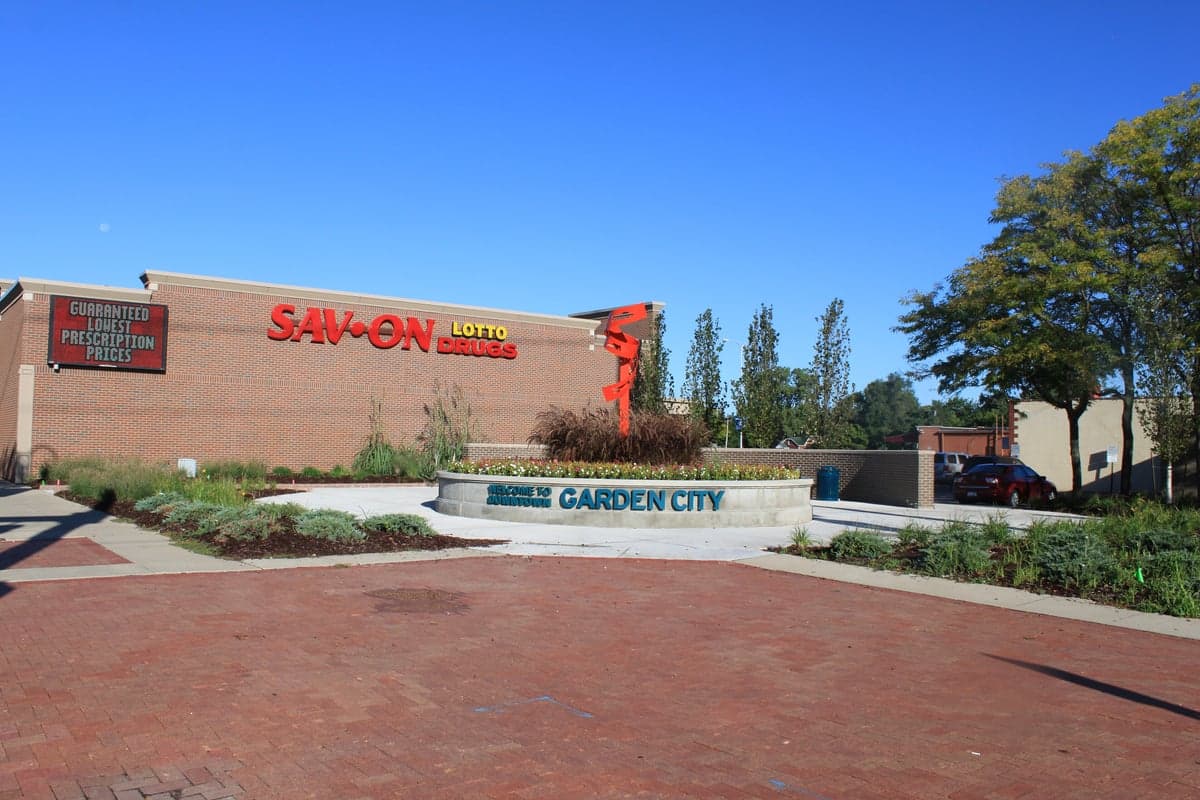
Photo: Wikipedia
Quality of Life in Garden City, MI
A livable area that tracks near national norms for affordability, walkability, and neighborhood health.
What does Quality of Life tell us?
Quality of Life blends cost of living, nearby amenities, socioeconomic signals, and neighborhood character. City-level scores represent the whole municipality; individual neighborhoods can differ.
What does this tell us?
Quality of Life blends cost of living, nearby amenities, socioeconomic signals, and neighborhood character. City-level scores represent the whole municipality; individual neighborhoods can differ.
Cost of Living
26% below national average
The Real Cost of Living in Garden City, MI for 2026
| Tier | Individual | Family (4) |
|---|---|---|
| Survival | $16k | $30k |
| Comfortable | $32k | $46k |
| Luxury | $92k+ | $142k+ |
| Elite (Top 5%) | $108k+ | $167k+ |
139%
The Area Signal
A metric tracking the socioeconomic signals of the area.
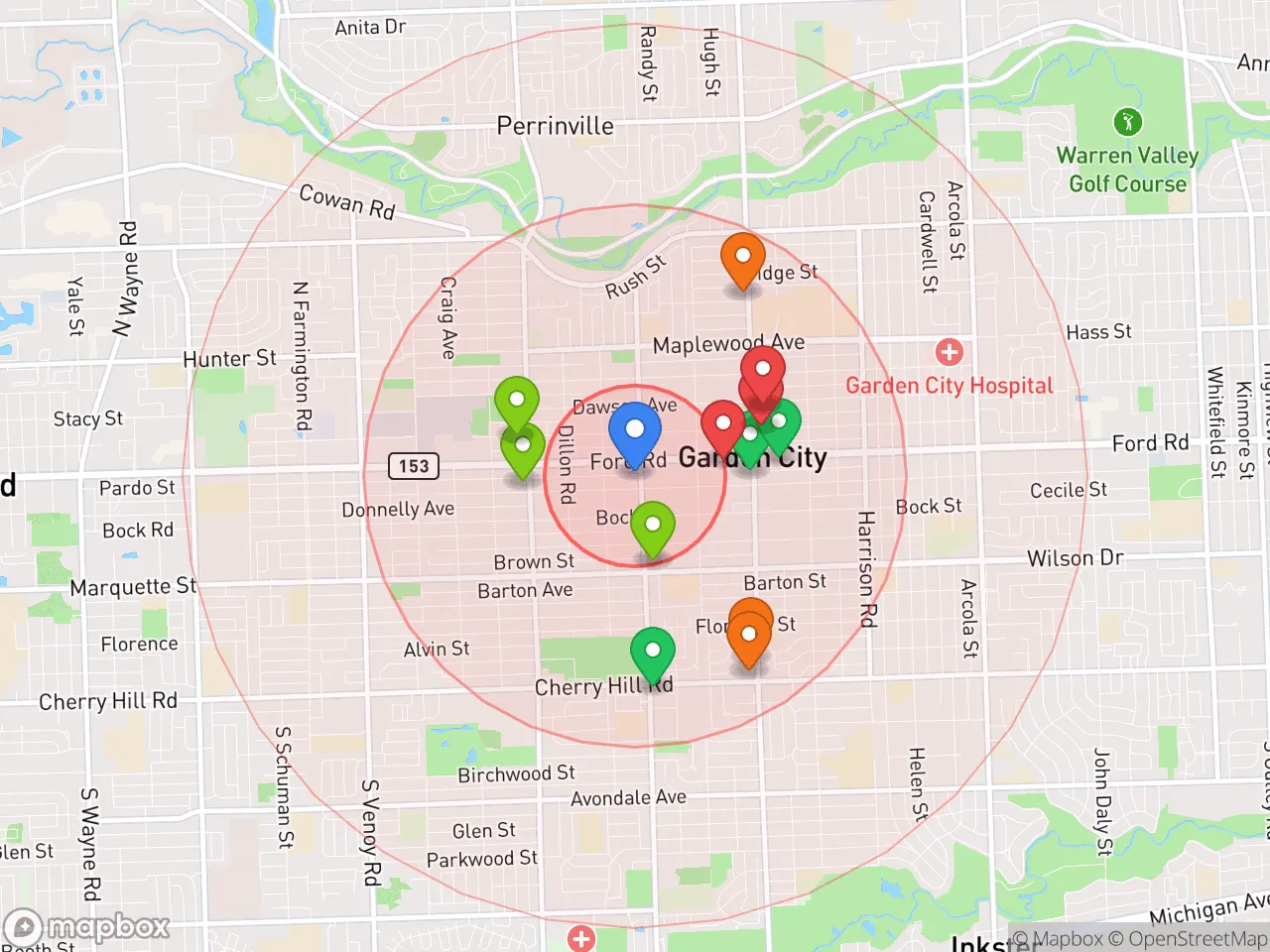
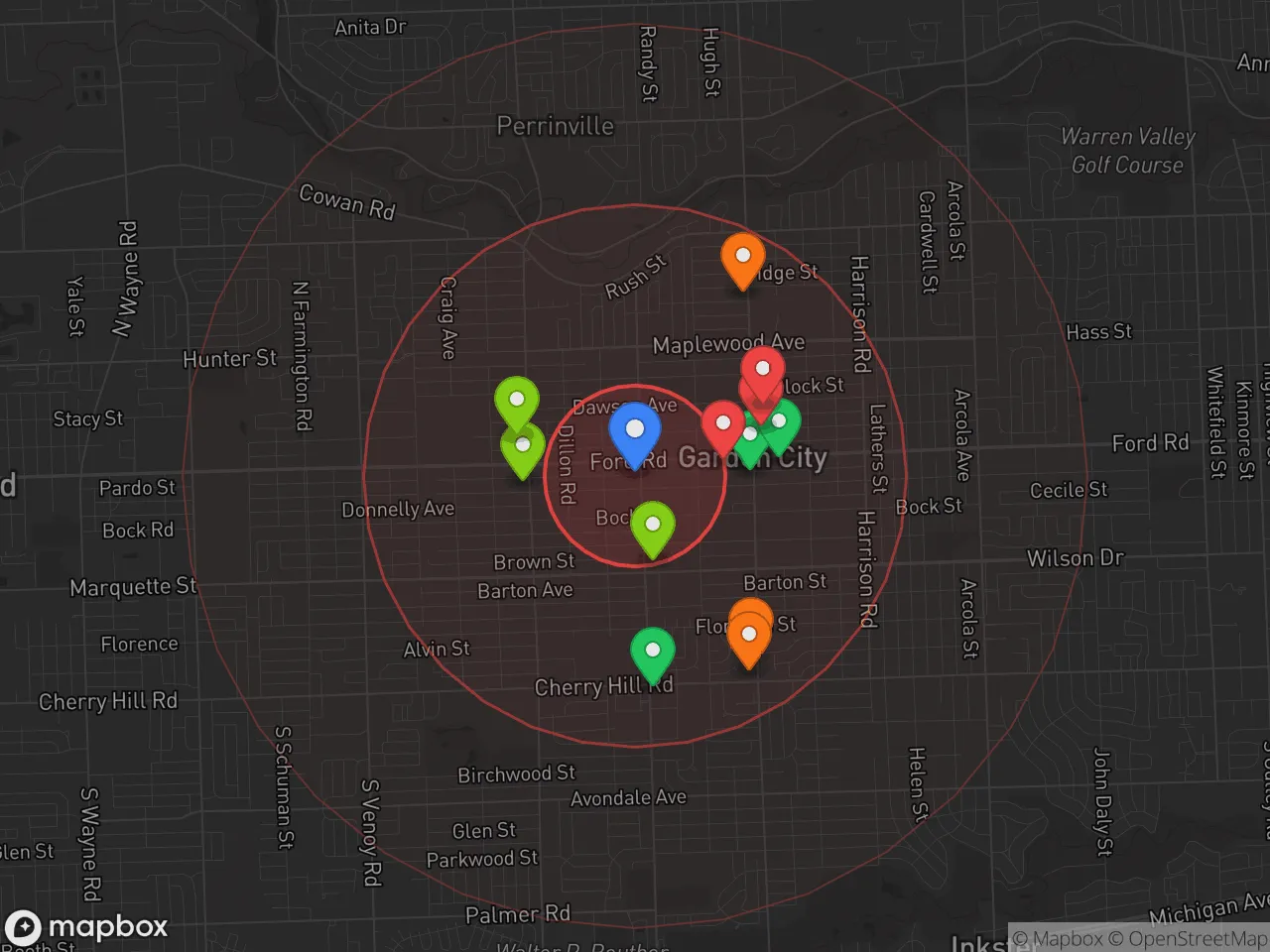
Hobbies
Explore the areaGroceries
0 within 10 miles
Gas
0 within 10 miles
Hospital
0 within 20 miles
Airport
DTW — Detroit Metropolitan Wayne County
Post Office
Critical Amenities
Quality-of-Life Analysis
Garden City, Michigan, offers a notably affordable quality of life relative to the Detroit metro area, with a cost of living index of 74—26% below the national average. This western suburb of Detroit attracts a mix of working-class families, long-term residents, and first-time homebuyers seeking stable, middle-class neighborhoods without the premium prices of nearby communities like Livonia or Dearborn. The city’s population of roughly 27,000 is predominantly owner-occupied, with a median age around 40, reflecting a settled, family-oriented demographic.
Cost of living, housing affordability, and how it compares to nearby suburbs
Garden City’s housing market is a standout value in Wayne County. The median home value sits at $162,400, well below the Michigan state median of roughly $210,000 and dramatically lower than neighboring Livonia’s median of about $260,000. Median rent is $991, making it one of the most affordable rental markets in the western suburbs. The average commute of 26 minutes is slightly shorter than the Detroit metro average of 28 minutes, with most residents driving to jobs in Dearborn, Livonia, or downtown Detroit via I-94 or Ford Road. Property taxes in Garden City are moderate for Wayne County, though Michigan’s 6% income tax and local city income tax (1%) add to the overall tax burden. Compared to Canton or Plymouth, Garden City offers significantly lower entry costs for buyers, though it lacks the newer housing stock and higher-end retail those communities provide.
Amenities, schools, and what daily life is like for families
Daily life in Garden City centers on its well-maintained parks, local schools, and a quiet suburban routine. The Garden City School District serves about 3,500 students, with Garden City High School offering a solid academic program and strong athletics. The city operates 12 parks, including the 40-acre Memorial Park with sports fields, a splash pad, and walking trails. For shopping and dining, residents rely on the Ford Road corridor, which features national chains like Meijer and Kroger, plus local staples such as the Garden City Grill. The nearby Westland Shopping Center and Livonia’s Laurel Park Place provide additional retail options within a 10-minute drive. Healthcare access is convenient, with Beaumont Hospital, Dearborn and Henry Ford West Bloomfield Hospital both within 20 minutes. The city’s annual Garden City Summer Festival and weekly farmers market from June to October foster a small-town feel within the metro area.
Garden City is best suited for budget-conscious families, retirees on fixed incomes, and first-time homebuyers who prioritize affordability and a low-key lifestyle over trendy amenities or top-tier school rankings. The city’s low crime rate relative to Detroit proper and its proximity to major employment centers make it a practical choice for those who work in the region but want a quieter, more affordable home base. However, residents seeking luxury housing, elite schools, or a vibrant nightlife scene will find better options in communities like Plymouth or Birmingham. For those who value a stable, middle-class suburb with a strong sense of community and a lower cost of entry, Garden City delivers a solid return on investment.

Crime in Garden City, MI
Generally safer than 71% of comparable U.S. locations.
Violent CrimeViolent Crime Analysis
Property CrimeProperty Crime Analysis
Crime Analysis
Garden City, Michigan, presents a mixed safety profile for prospective residents. The city’s violent crime rate of 332.1 incidents per 100,000 residents is notably lower than the national average, but its property crime rate of 736.8 per 100,000 sits above the national benchmark. These figures place Garden City in a challenging position: it is safer than many nearby Detroit suburbs for violent offenses, yet property crime remains a persistent concern that demands attention from newcomers.
Crime in context
When compared to state and national averages, Garden City’s violent crime rate is approximately 5% below the U.S. average, a meaningful distinction for a community situated within the broader Wayne County metro area. However, the property crime rate is roughly 15% higher than the national average, driven largely by theft and vehicle break-ins. This pattern is common in older, inner-ring suburbs where aging infrastructure and economic pressures intersect. It is important to note that Garden City falls under the jurisdiction of Wayne County’s 20th District Court, which operates within a progressive legal framework. Like many large metro areas with liberal judges and district attorneys, the local justice system tends to prioritize rehabilitation over incarceration. While this approach is sympathetic to offenders, it directly results in more criminals remaining on the street, undermining justice for victims and the public. Residents should be aware that this prosecutorial philosophy can reduce the deterrent effect of law enforcement, potentially emboldening repeat property offenders.
What residents experience
Daily life in Garden City for most residents involves a heightened awareness of property security. Car thefts and package thefts are the most commonly reported incidents, with many occurring overnight in driveways and residential streets. Violent crime, by contrast, is rare and typically confined to isolated domestic disputes or incidents near commercial corridors like Ford Road and Middlebelt Road. The city’s police department maintains a visible presence, but staffing levels are constrained by municipal budgets. Residents often rely on neighborhood watch groups and private security cameras to supplement official patrols. The overall feeling is one of cautious vigilance rather than constant fear, though the progressive court system’s leniency toward repeat offenders is a frequent topic of local frustration.
Neighborhood-level variation in Garden City is modest but real. The area south of Cherry Hill Road and west of Venoy Road, closer to the city’s border with Westland, tends to report slightly lower property crime rates due to newer housing stock and more active homeowners’ associations. In contrast, the older, denser blocks near the downtown core and along the Inkster Road corridor see more frequent thefts and vandalism. For those considering a move, choosing a home with a garage, installing motion-sensor lighting, and joining a local block club are practical steps to mitigate risk. Overall, Garden City offers a relatively affordable entry point into the Detroit metro area, but the combination of elevated property crime and a lenient justice system means that safety requires proactive personal investment.
* Values derived from national, state, county, city and local statistics and may differ in a specific area. Last updated: 2026-10-17T20:50:06.000Z
Narrative content on this page is AI-generated and may contain mistakes. Verify any details that matter before acting on them.
ReloMaps may earn a commission from affiliate links at no extra cost to you.

