Photo: Wikipedia
Quality of Life in Eureka Springs, AR
A high quality of life with strong walkability, manageable living costs, healthy neighborhood signals, and solid amenity access.
What does Quality of Life tell us?
Quality of Life blends cost of living, nearby amenities, socioeconomic signals, and neighborhood character. City-level scores represent the whole municipality; individual neighborhoods can differ.
What does this tell us?
Quality of Life blends cost of living, nearby amenities, socioeconomic signals, and neighborhood character. City-level scores represent the whole municipality; individual neighborhoods can differ.
Cost of Living
21% below national average
The Real Cost of Living in Eureka Springs, AR for 2026
| Tier | Individual | Family (4) |
|---|---|---|
| Survival | $13k | $25k |
| Comfortable | $48k | $71k |
| Luxury | $76k+ | $117k+ |
| Elite (Top 5%) | $112k+ | $174k+ |
59%
The Area Signal
A metric tracking the socioeconomic signals of the area.
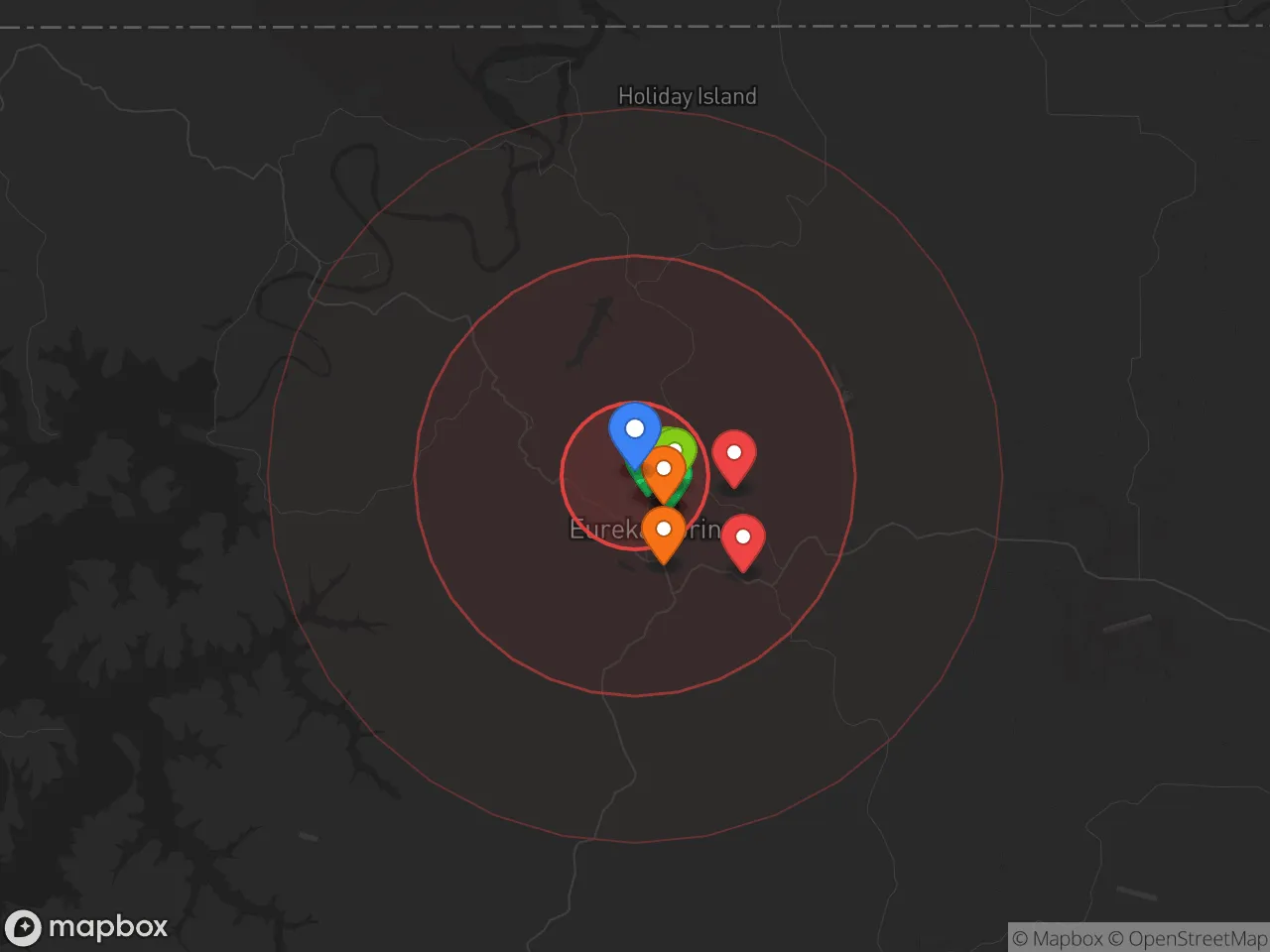
Hobbies
Explore the areaGroceries
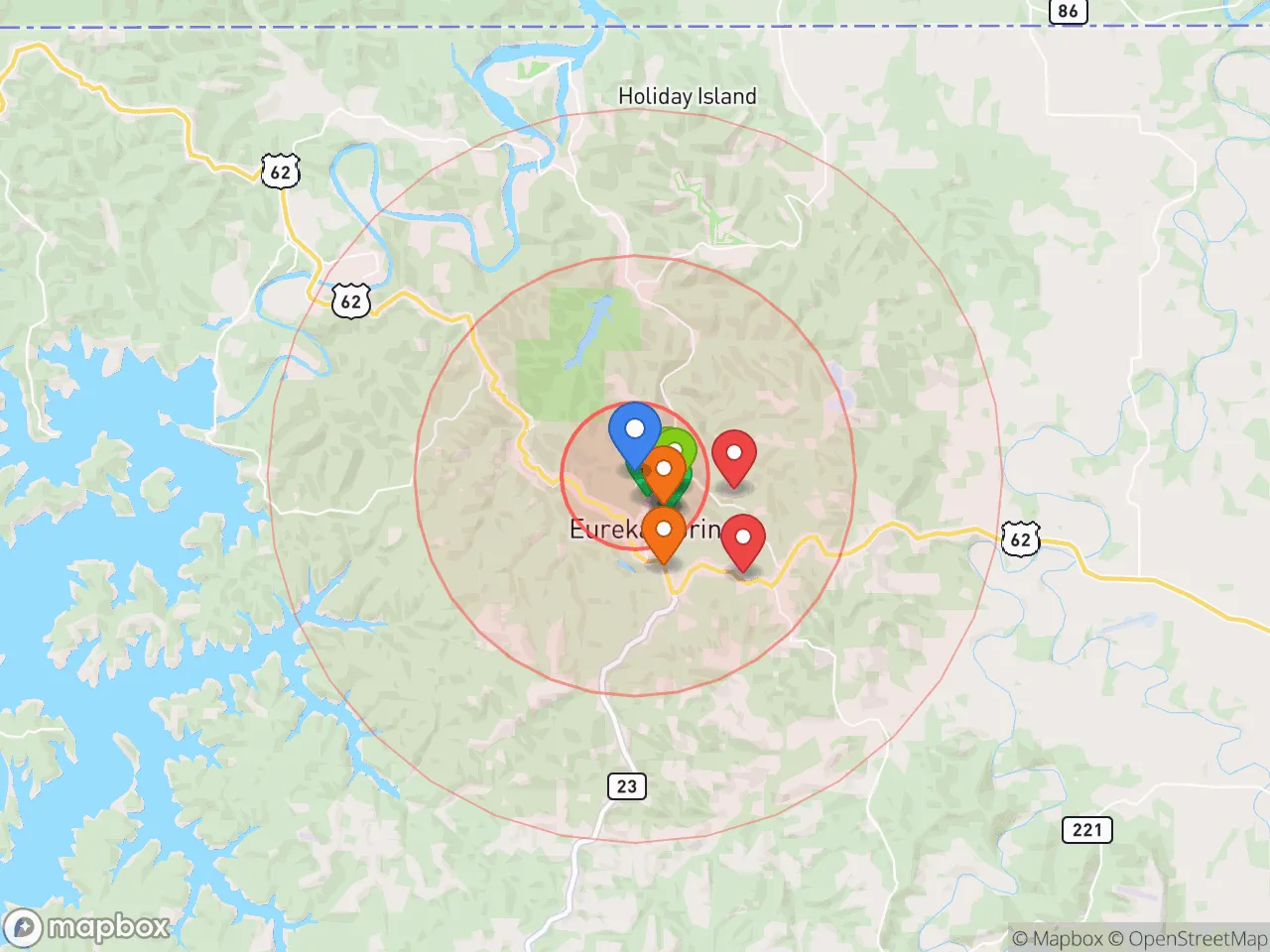
1 within 10 miles
Gas
0 within 10 miles
Hospital
3 within 20 miles
Airport
MCI — Kansas City International
Post Office
USPS — Eureka Springs, AR
Critical Amenities
Quality-of-Life Analysis
Eureka Springs, Arkansas, presents a distinctive quality-of-life profile shaped by its historic character, artistic community, and significantly below-average cost of living. With a cost-of-living index of 79 (where 100 is the U.S. average), the area attracts a mix of retirees, remote workers, and creative professionals seeking an affordable, culturally rich environment in the Ozark Mountains. The population skews older and more liberal than surrounding rural Carroll County, with a notable concentration of artists, LGBTQ+ residents, and small business owners drawn to the town’s Victorian architecture and countercultural legacy.
Cost of living and housing affordability compared to nearby towns
Eureka Springs offers substantial financial breathing room relative to national averages. The median home value of $246,900 is roughly 30% below the national median, while the median rent of $845 is nearly 40% lower than the U.S. figure. This affordability is even more striking when compared to larger regional hubs: homes in Fayetteville (about 45 minutes south) average over $350,000, and in Bentonville (home to Walmart headquarters) they exceed $400,000. The average commute of 22.3 minutes is slightly longer than the national average of 26 minutes, reflecting the town’s rural setting and the fact that many residents commute to jobs in Berryville, Holiday Island, or even Rogers for retail and healthcare employment. However, utility costs and grocery prices in Eureka Springs run slightly above the state average due to the town’s remote location and reliance on propane heating in many older homes.
Local amenities, schools, and daily life rhythm
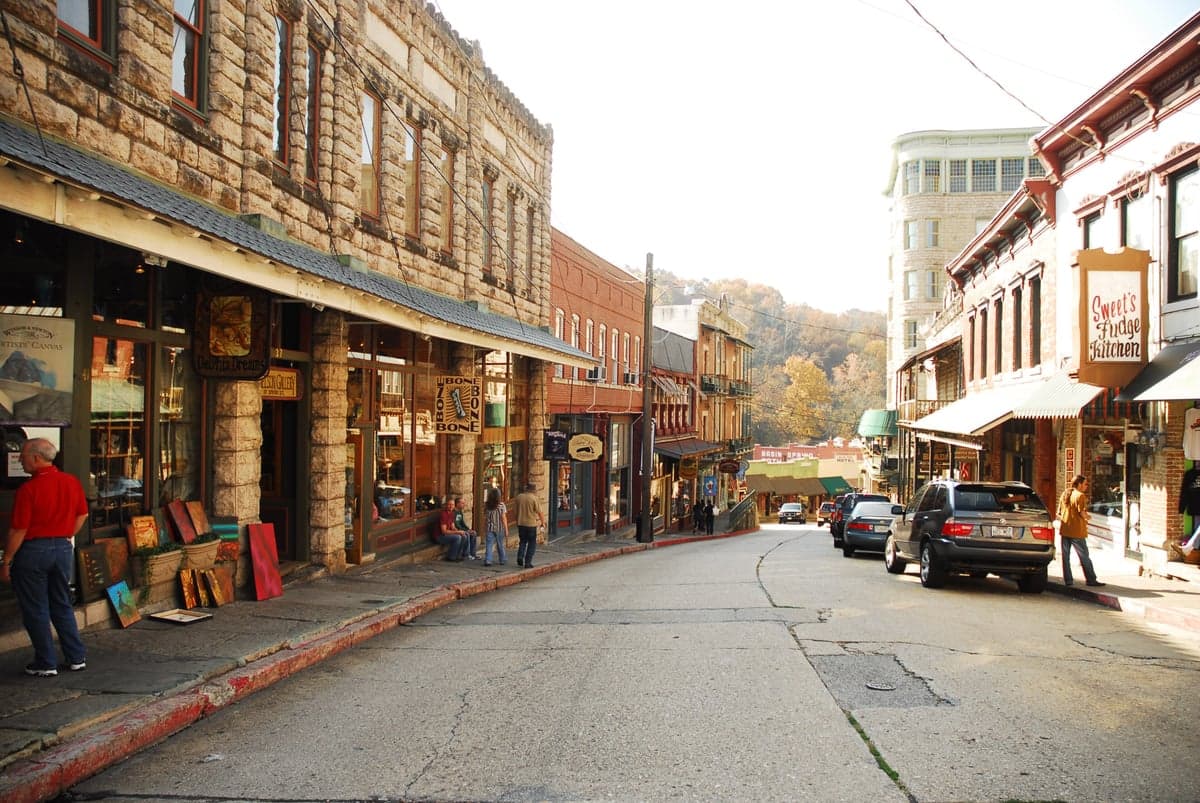
Daily life in Eureka Springs revolves around its walkable downtown historic district, which is packed with independent galleries, boutique shops, and farm-to-table restaurants like the Rogue’s Manor and Local Flavor. The town’s public schools, part of the Eureka Springs School District, serve roughly 700 students and maintain a student-teacher ratio of 12:1, though test scores lag behind state averages in math and reading. For higher education, North Arkansas College in Harrison (30 minutes north) offers associate degrees and workforce training. Healthcare is provided by the Eureka Springs Hospital, a 25-bed critical access facility, with more comprehensive services available at Mercy Hospital in Rogers (40 minutes). The town’s cultural calendar is dominated by events like the Eureka Springs Blues Weekend, the May Festival of the Arts, and the annual Ozark Mountain UFO Conference, which reinforce its reputation as a quirky, arts-focused destination. Outdoor recreation is immediate: Beaver Lake and Table Rock Lake are within 20 minutes for boating and fishing, and the Ozark National Forest offers hiking and mountain biking trails.
Eureka Springs is best suited for those who prioritize cultural vibrancy and historic charm over career opportunities or top-tier schools. Remote workers, retirees, and artists will find the low cost of living and tight-knit community appealing, while families with school-age children may want to weigh the district’s academic performance against the area’s unique lifestyle. The town’s reliance on tourism means seasonal employment fluctuations, but its affordability and natural beauty create a compelling quality-of-life equation for the right resident.

Crime in Eureka Springs, AR
Crime rates similar to the national median for U.S. locations.
Violent CrimeViolent Crime Analysis
Property CrimeProperty Crime Analysis
Crime Analysis
Eureka Springs, Arkansas, presents a mixed safety picture for potential residents. The city’s violent crime rate of 526.9 per 100,000 residents is significantly higher than both the national average and the Arkansas state average, placing it among the more dangerous small towns in the region. Property crime, at 1,642.4 per 100,000, is also elevated, though less dramatically so when compared to state figures. These statistics indicate that while Eureka Springs is not a high-crime urban center, it faces real public safety challenges that warrant careful consideration.
Crime in context
To understand the severity of Eureka Springs’ crime rates, context is essential. The violent crime rate of 526.9 per 100,000 is roughly 50% higher than the national average and well above the Arkansas average of approximately 530 per 100,000. This category includes offenses like aggravated assault, robbery, and rape. The property crime rate of 1,642.4 per 100,000 is closer to the national average but still represents a tangible risk of theft, burglary, and motor vehicle theft. It is important to note that Eureka Springs is a small, tourist-dependent city in a largely rural county (Carroll County), and its crime rates are notably higher than those of nearby, less tourist-oriented communities. The presence of a progressive judicial philosophy in the region, which often prioritizes rehabilitation and alternatives to incarceration, can contribute to higher recidivism and a greater number of offenders remaining on the street, directly impacting public safety and victim justice.
What residents experience
Residents of Eureka Springs most frequently encounter property crimes, particularly theft and vandalism, which are often tied to the transient tourist population. Violent crime, while less common in daily life, is a serious concern, with aggravated assault being the most reported offense. The city’s historic downtown and popular attractions can see spikes in crime during peak tourist seasons. Many locals report feeling safe in their immediate neighborhoods but express caution about late-night activity in the commercial core and areas near major highways. The combination of a high violent crime rate and a justice system that may not hold offenders fully accountable creates an environment where residents feel a heightened sense of vulnerability.
Neighborhood-level crime data for Eureka Springs is limited, but general patterns emerge. The historic downtown district and areas along Highway 62, which sees heavy tourist traffic, tend to have higher reported crime. Residential areas further from the commercial core, such as those near Lake Leatherwood or in the surrounding hills, generally experience lower crime rates. Prospective residents should research specific blocks and talk to local law enforcement to get a clearer picture of safety in their desired area. Overall, while Eureka Springs offers a unique and vibrant community, its crime statistics and the local justice system’s approach demand that newcomers be vigilant and proactive about personal and property security.
* Values derived from national, state, county, city and local statistics and may differ in a specific area. Last updated: 2026-10-08T19:29:15.000Z
Narrative content on this page is AI-generated and may contain mistakes. Verify any details that matter before acting on them.
ReloMaps may earn a commission from affiliate links at no extra cost to you.

