Photo: Wikipedia
Find The Best Places To Live
in Eureka Springs
PRO TIP! You can paste a Zillow or Redfin link to get info on that property.
What It's Like Living in Eureka Springs, AR
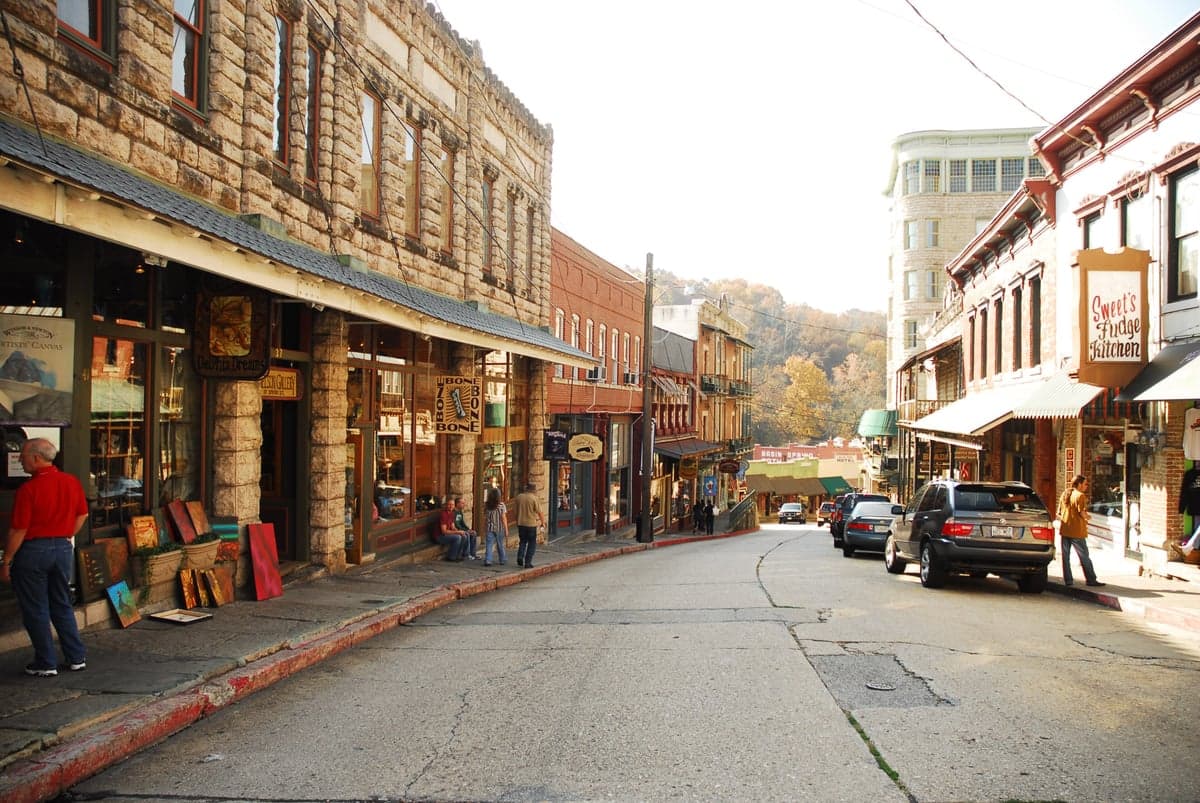
Eureka Springs is a place that feels like it belongs to a different century, or maybe a different country altogether. With a population just over 2,200, this Victorian-era mountain town in the Ozarks doesn't try to be like anywhere else in Arkansas, and that's exactly the point for the people who live here. It's a mix of artists, retirees, remote workers, and folks who just got tired of the suburbs, all coexisting in a steep, winding maze of historic buildings where the main street looks like a movie set and the local grocery store is still a community gathering spot.
The Daily Rhythm: Slow, Scenic, and Surprisingly Practical
Life here moves at a pace that can take some getting used to. The median age is just under 51, and the median household income sits around $41,800, which tells you this isn't a town built on high-paying corporate jobs. People work in tourism, hospitality, local healthcare, or run small shops and galleries. The commute is a dream — the average drive to work is about 22 minutes, and most of that is winding through the Ozark hills rather than sitting in traffic. You'll see folks grabbing coffee at the Eureka Daily Roast or picking up essentials at Harps Food Store, and weekends are often spent hiking the trails at Lake Leatherwood City Park or floating the Kings River. The cost of living index is 79, well below the national average, which makes the modest incomes stretch further — though the median home value of $246,900 is surprisingly high for the area, driven by demand for vacation homes and short-term rentals.
Sports, Entertainment, and Where the Town Comes Together
If you're looking for Friday night lights and a high school football culture that dominates the calendar, Eureka Springs is not that place. The local high school teams exist, but they don't command the same fervor you'd find in a larger Arkansas town like Bentonville or Fayetteville. Instead, the town's energy goes into its festivals and performing arts. The Eureka Springs Blues Weekend, the Ozark Folk Festival, and the quirky Eureka Springs UFO Festival draw crowds from all over the region. Music venues like the Auditorium and Chelsea's Corner Cafe host everything from bluegrass to indie rock. For a town this small, the number of well-regarded restaurants is surprising — try the smoked trout at Local Flavor or the burgers at Mud Street Cafe. The Crescent Hotel bar is a classic spot for a drink with a view, and the nearby Beaver Lake offers fishing and boating for those who want to get on the water.
Who Fits In, and Who Doesn't
This town attracts a specific kind of person. You'll find a lot of retirees, artists, and people who work remotely in creative fields. The 25.3% college-educated rate is respectable for a town this size, and the political and cultural vibe is notably more progressive than the surrounding Carroll County — but it's a live-and-let-live atmosphere rather than an activist one. Families with school-age children are less common here; the school system is small and tight-knit, but parents often drive to Berryville or even Rogers for more options. The kind of person who thrives here is someone who values character over convenience, who doesn't mind steep hills and narrow streets, and who can handle the seasonal swings — summer brings a flood of tourists, while winter can feel very quiet. The violent crime rate of 526.9 per 100,000 is higher than the national average, and locals will tell you that's concentrated in certain areas and often tied to property disputes or domestic incidents, but it's worth being aware of when choosing a neighborhood.
Honest Pros and Cons of Living Here
- Pros: Low cost of living, stunning natural beauty, strong sense of local identity, walkable downtown, vibrant arts and music scene, and a community that welcomes nonconformists.
- Cons: Limited job opportunities outside tourism and healthcare, a housing market inflated by short-term rentals, a quiet social scene in winter, and a higher-than-average violent crime rate that requires street-smart awareness.
What longtime residents love most is the authenticity — this isn't a manufactured resort town. What frustrates them is the seasonal tourism crush that can make Main Street feel like a theme park in July, and the difficulty of finding affordable housing for locals. The weather is classic Ozarks: hot, humid summers, mild springs and autumns, and winters that bring occasional ice storms but rarely deep snow. If you're looking for a place where you can live differently, where the neighbors know your name and the landscape is genuinely beautiful, Eureka Springs delivers. Just don't expect it to be easy, cheap, or like anywhere else you've lived.

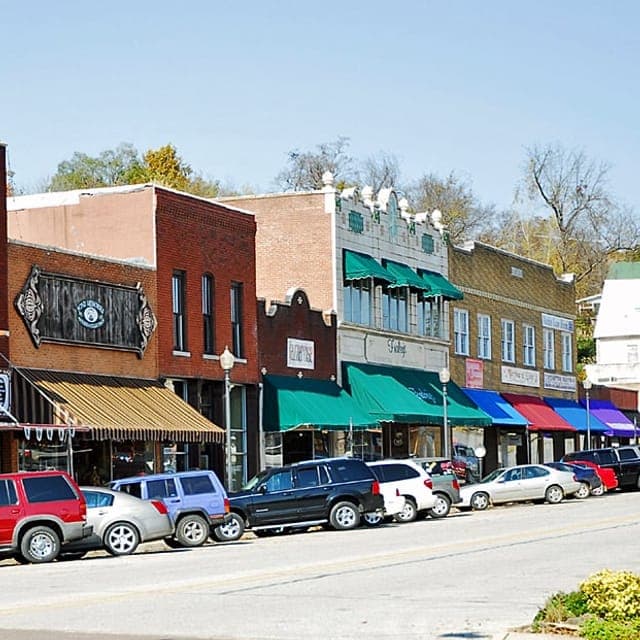
Similar small towns to Eureka Springs
* Values derived from national, state, county, city and local statistics and may differ in a specific area. Last updated: 2026-10-08T19:29:15.000Z
Narrative content on this page is AI-generated and may contain mistakes. Verify any details that matter before acting on them.
ReloMaps may earn a commission from affiliate links at no extra cost to you.

