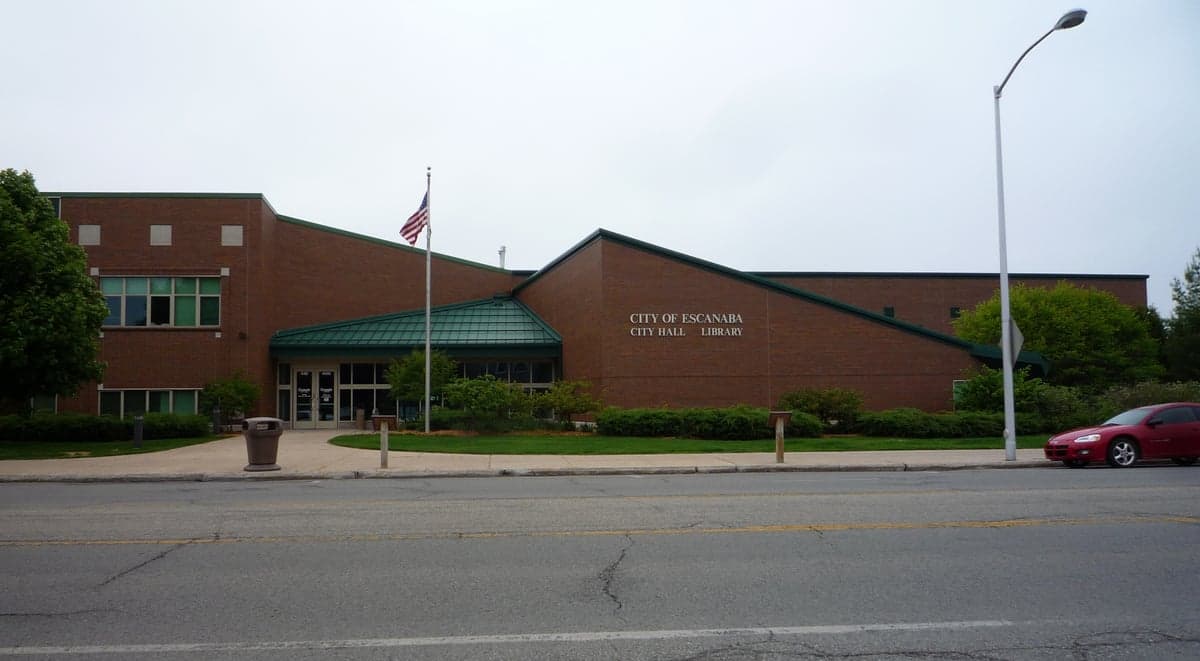
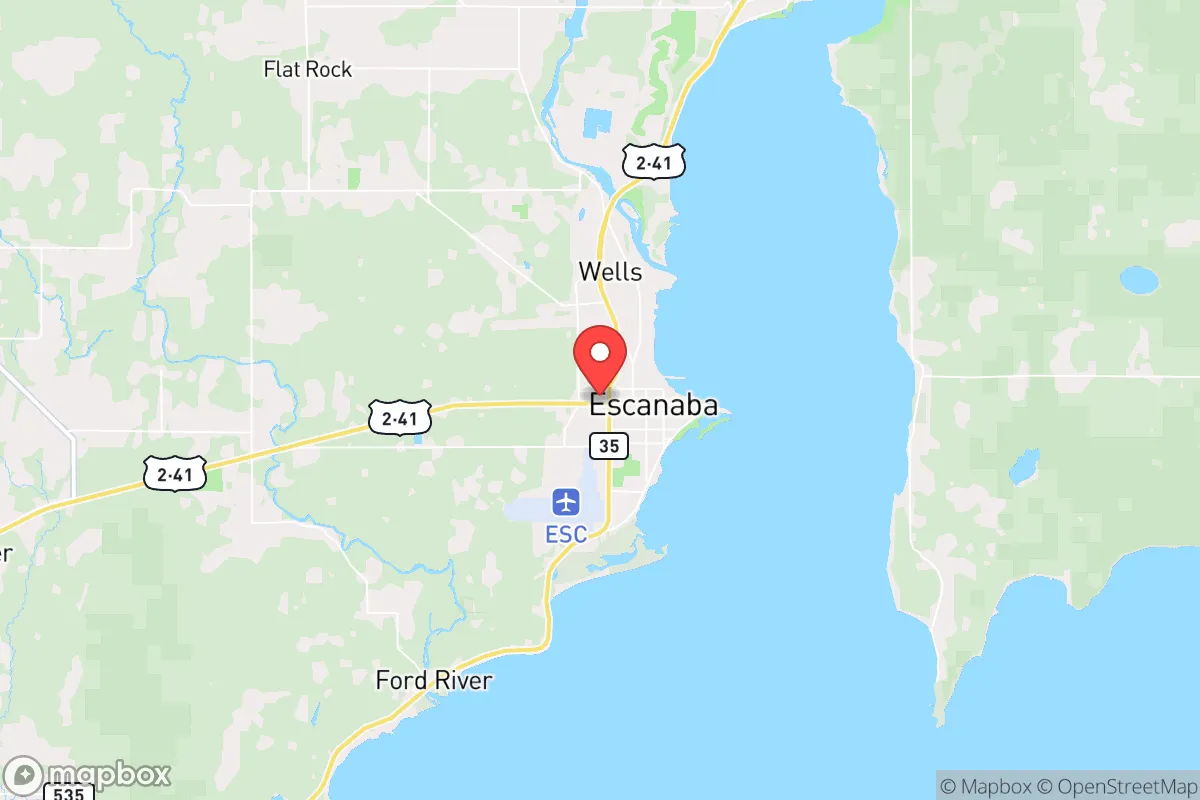
Photo: Wikipedia
Quality of Life in Escanaba, MI
A high quality of life with strong walkability, manageable living costs, healthy neighborhood signals, and solid amenity access.
What does Quality of Life tell us?
Quality of Life blends cost of living, nearby amenities, socioeconomic signals, and neighborhood character. City-level scores represent the whole municipality; individual neighborhoods can differ.
What does this tell us?
Quality of Life blends cost of living, nearby amenities, socioeconomic signals, and neighborhood character. City-level scores represent the whole municipality; individual neighborhoods can differ.
Cost of Living
49% below national average
The Real Cost of Living in Escanaba, MI for 2026
| Tier | Individual | Family (4) |
|---|---|---|
| Survival | $11k | $20k |
| Comfortable | $23k | $33k |
| Luxury | $73k+ | $112k+ |
| Elite (Top 5%) | $113k+ | $175k+ |
121%
The Area Signal
A metric tracking the socioeconomic signals of the area.
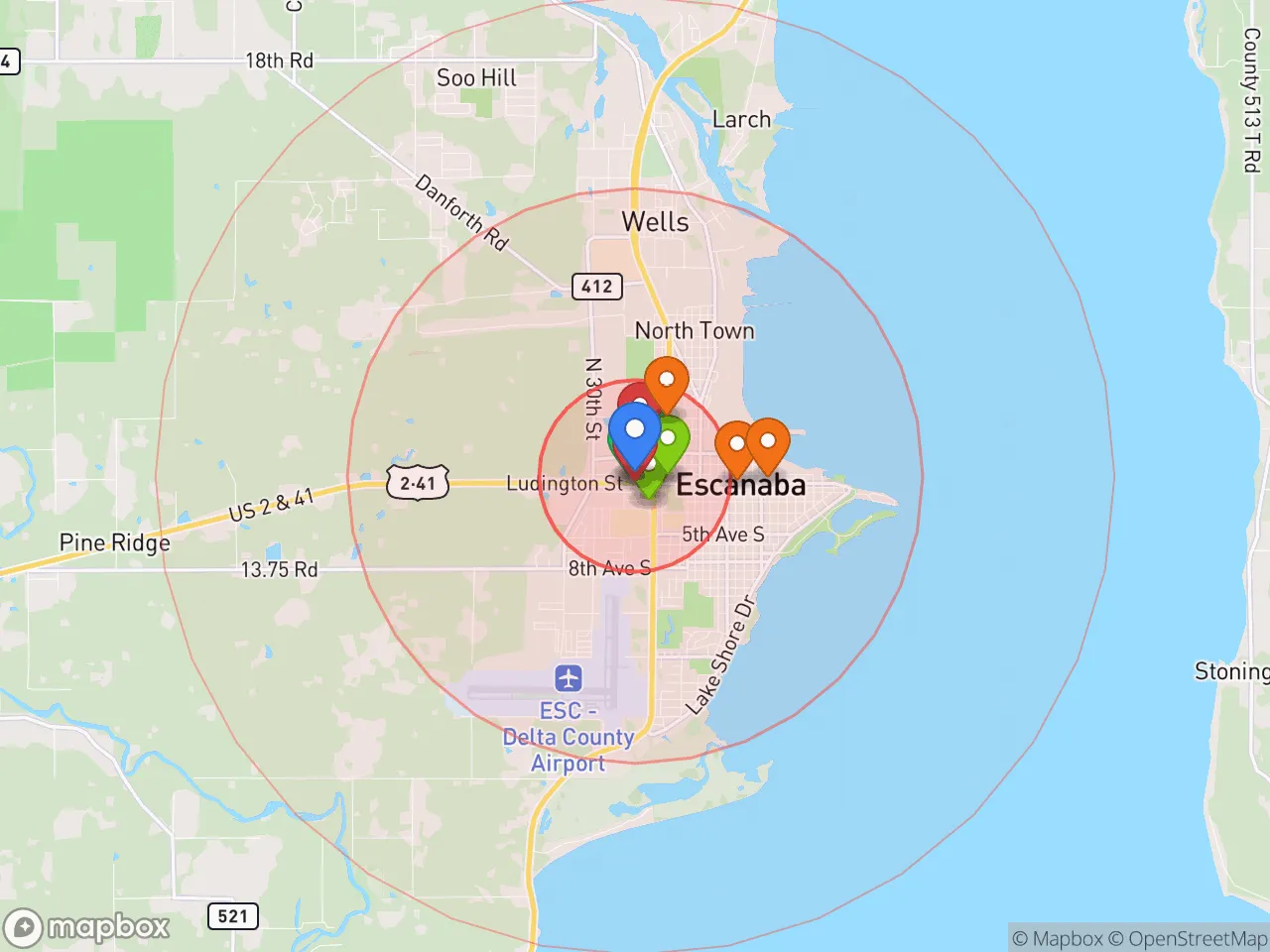
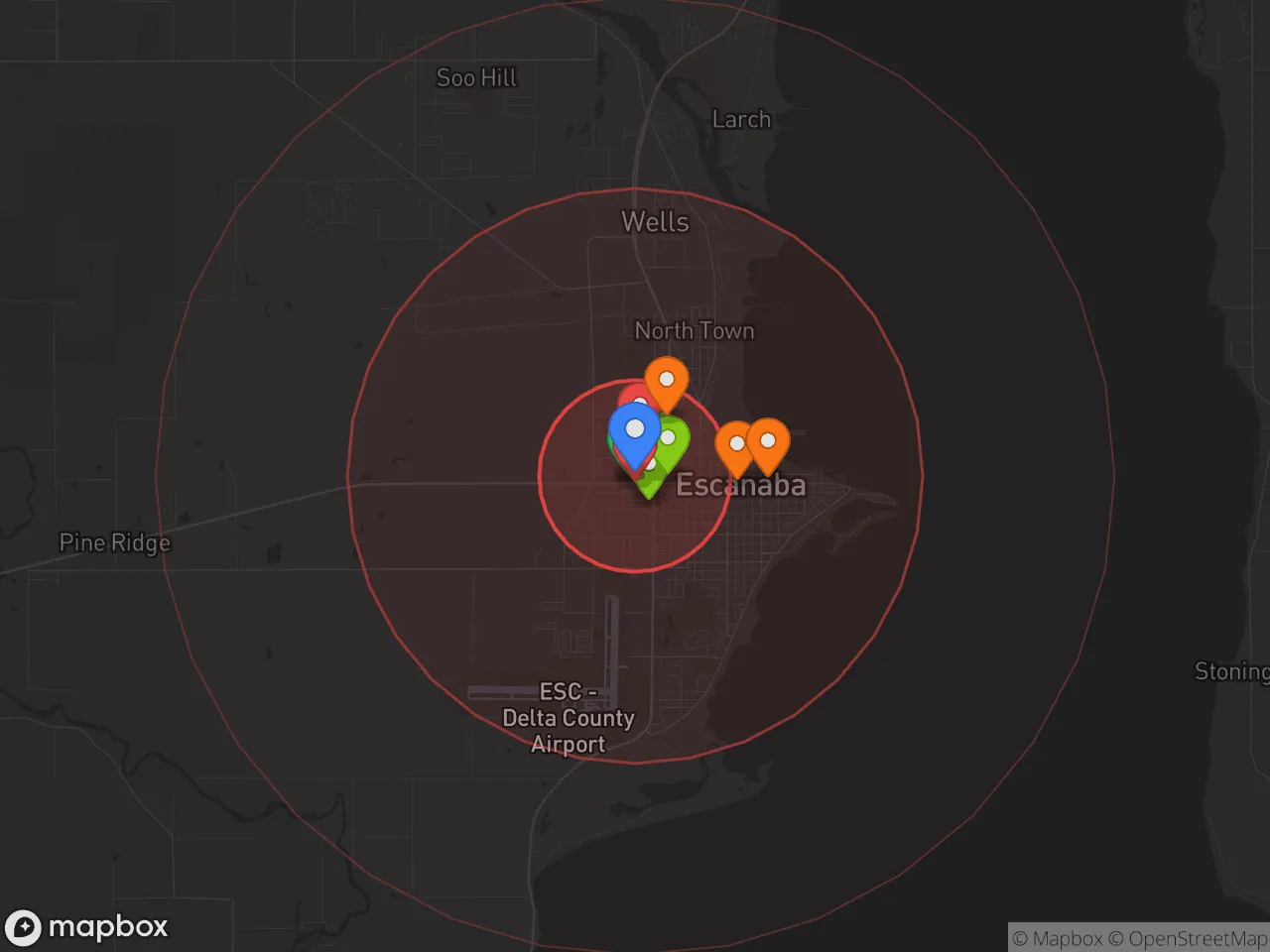
Hobbies
Explore the areaGroceries
0 within 10 miles
Gas
0 within 10 miles
Hospital
0 within 20 miles
Airport
JFK — John F. Kennedy Memorial
Post Office
Critical Amenities
Quality-of-Life Analysis
Escanaba offers a cost of living that is roughly half the national average, making it one of the most affordable places to live in Michigan's Upper Peninsula. With a cost of living index of 51 (where 100 equals the U.S. average), the city attracts a mix of retirees, remote workers, and tradespeople seeking financial breathing room. The median household income of roughly $45,000 aligns with the area's low expenses, creating a community where modest earnings go further than in most of the country.
How housing costs and affordability compare to nearby towns
Housing in Escanaba is dramatically cheaper than the national median. The median home value sits at $116,600, while the median rent is just $661 per month. These figures are significantly lower than in Marquette (roughly 60 miles north), where median home values exceed $200,000. A typical mortgage payment in Escanaba, even at current interest rates, often falls below $800 per month — less than half the national average. The average commute time of 24.4 minutes is slightly longer than the national average of 26 minutes, reflecting the spread-out nature of Delta County and the fact that many residents drive to jobs in paper mills, healthcare facilities, or retail centers along the US-2 and US-41 corridors. Utility costs, particularly heating in winter, are higher than the national average due to the region's harsh winters, but this is partially offset by lower property taxes compared to many Michigan counties.
Schools, amenities, and the daily rhythm of life
Escanaba Area Public Schools serve roughly 2,300 students across four buildings, with a student-teacher ratio of about 18:1. The high school offers dual enrollment at Bay College, a local community college that also provides workforce training and associate degrees. Daily life revolves around the waterfront: Ludington Park, with its marina and walking trails, is a central gathering spot, while the Escanaba Farmers Market runs from May through October. The city has a small but functional downtown with grocery stores, a hospital (OSF St. Francis Hospital), and basic retail. For broader shopping or entertainment, residents drive 50 minutes to Marquette or 90 minutes to Green Bay, Wisconsin. Winter activities dominate from November through March — ice fishing on Little Bay de Noc, snowmobiling on regional trails, and cross-country skiing at the nearby Rapid River trails. Summer brings boating, fishing for walleye and perch, and the Upper Peninsula State Fair in August.
Escanaba is best suited for people who value low housing costs and a slower pace over urban amenities and career variety. Retirees on fixed incomes, remote workers with stable internet (fiber is available in parts of town), and tradespeople employed in manufacturing, healthcare, or the paper industry will find the most financial stability here. Families should weigh the limited extracurricular options and the long drive to larger medical specialists against the safety and affordability. Professionals seeking nightlife, diverse dining, or rapid career advancement will likely find the area too quiet. For those who prioritize financial freedom and outdoor recreation over convenience, Escanaba delivers a quality of life that is hard to match elsewhere in the Midwest.

Crime in Escanaba, MI
Generally safer than 61% of comparable U.S. locations.
Violent CrimeViolent Crime Analysis
Property CrimeProperty Crime Analysis
Crime Analysis
Escanaba, Michigan, reports a violent crime rate of 309.8 per 100,000 residents and a property crime rate of 1,491.8 per 100,000, placing it above national averages for both categories. While not among the most dangerous cities in the Upper Peninsula, these figures indicate that crime is a tangible concern for residents and prospective movers. The city's safety profile is shaped by its small-town character, economic conditions, and the broader criminal justice environment in Delta County.
Crime in context
Escanaba's violent crime rate is roughly 12% higher than the national average of about 277 per 100,000, while its property crime rate exceeds the national figure by approximately 25%. Compared to Michigan's statewide violent crime rate of roughly 450 per 100,000, Escanaba fares better, but the property crime rate is notably higher than the state average of about 1,100 per 100,000. These statistics place Escanaba in a middle tier among similar-sized Michigan communities. The city's location in Delta County, which has a mix of rural and small-town jurisdictions, means that law enforcement resources are spread thin, potentially contributing to clearance rates that lag behind larger, better-funded departments.
What residents experience
Property crime—including theft, burglary, and motor vehicle theft—is the most common safety issue in Escanaba, with residents reporting incidents involving unlocked vehicles, shed break-ins, and package theft. Violent crime, while less frequent, includes aggravated assault as the most common offense, with robbery and homicide occurring rarely. The local justice system in Delta County operates under Michigan's state laws, which are generally considered moderate in sentencing. However, readers should be aware that Michigan's overall criminal justice reform trends—including reduced sentencing for certain drug offenses and expanded parole eligibility—can influence local outcomes. In jurisdictions with progressive prosecutorial policies, offenders may receive shorter sentences or diversion programs, which critics argue can lead to higher recidivism and reduced public safety. Escanaba itself does not have a notably progressive district attorney, but the broader state-level shift toward rehabilitation over incarceration is a factor that residents should monitor.
Neighborhood-level variation
Crime in Escanaba is not evenly distributed. The downtown commercial corridor and areas near the waterfront see higher rates of property crime, particularly during tourist season. Residential neighborhoods on the city's north and west sides tend to report fewer incidents, while the south side near the industrial zones experiences more frequent police calls. The Ludington Park area and the neighborhoods surrounding the Escanaba Country Club are generally considered safer, with lower crime reports. Prospective residents should consult the Delta County Sheriff's Office crime mapping tool and speak with local real estate agents to identify specific block-level trends. Overall, Escanaba requires standard urban precautions—locking doors, securing valuables, and staying aware after dark—but does not present the acute safety concerns found in larger Michigan cities like Detroit or Flint.
* Values derived from national, state, county, city and local statistics and may differ in a specific area. Last updated: 2026-11-05T17:51:37.000Z
Narrative content on this page is AI-generated and may contain mistakes. Verify any details that matter before acting on them.
ReloMaps may earn a commission from affiliate links at no extra cost to you.

