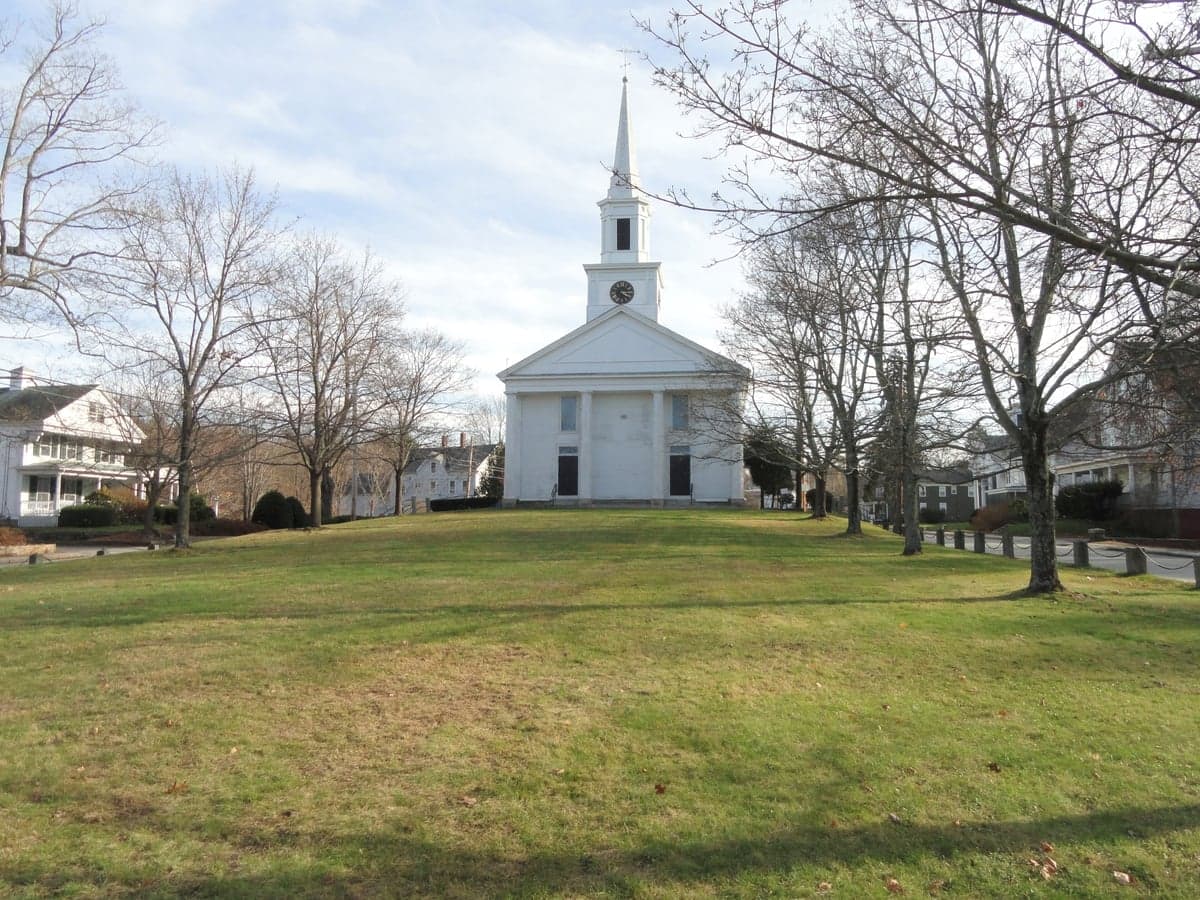
Photo: Wikipedia
Quality of Life in Douglas, MA
A high quality of life with strong walkability, manageable living costs, healthy neighborhood signals, and solid amenity access.
What does Quality of Life tell us?
Quality of Life blends cost of living, nearby amenities, socioeconomic signals, and neighborhood character. City-level scores represent the whole municipality; individual neighborhoods can differ.
What does this tell us?
Quality of Life blends cost of living, nearby amenities, socioeconomic signals, and neighborhood character. City-level scores represent the whole municipality; individual neighborhoods can differ.
Cost of Living
24% above national average
The Real Cost of Living in Douglas, MA for 2026
| Tier | Individual | Family (4) |
|---|---|---|
| Survival | $20k | $37k |
| Comfortable | $81k | $119k |
| Luxury | $201k+ | $312k+ |
| Elite (Top 5%) | $237k+ | $367k+ |
123%
The Area Signal
A metric tracking the socioeconomic signals of the area.
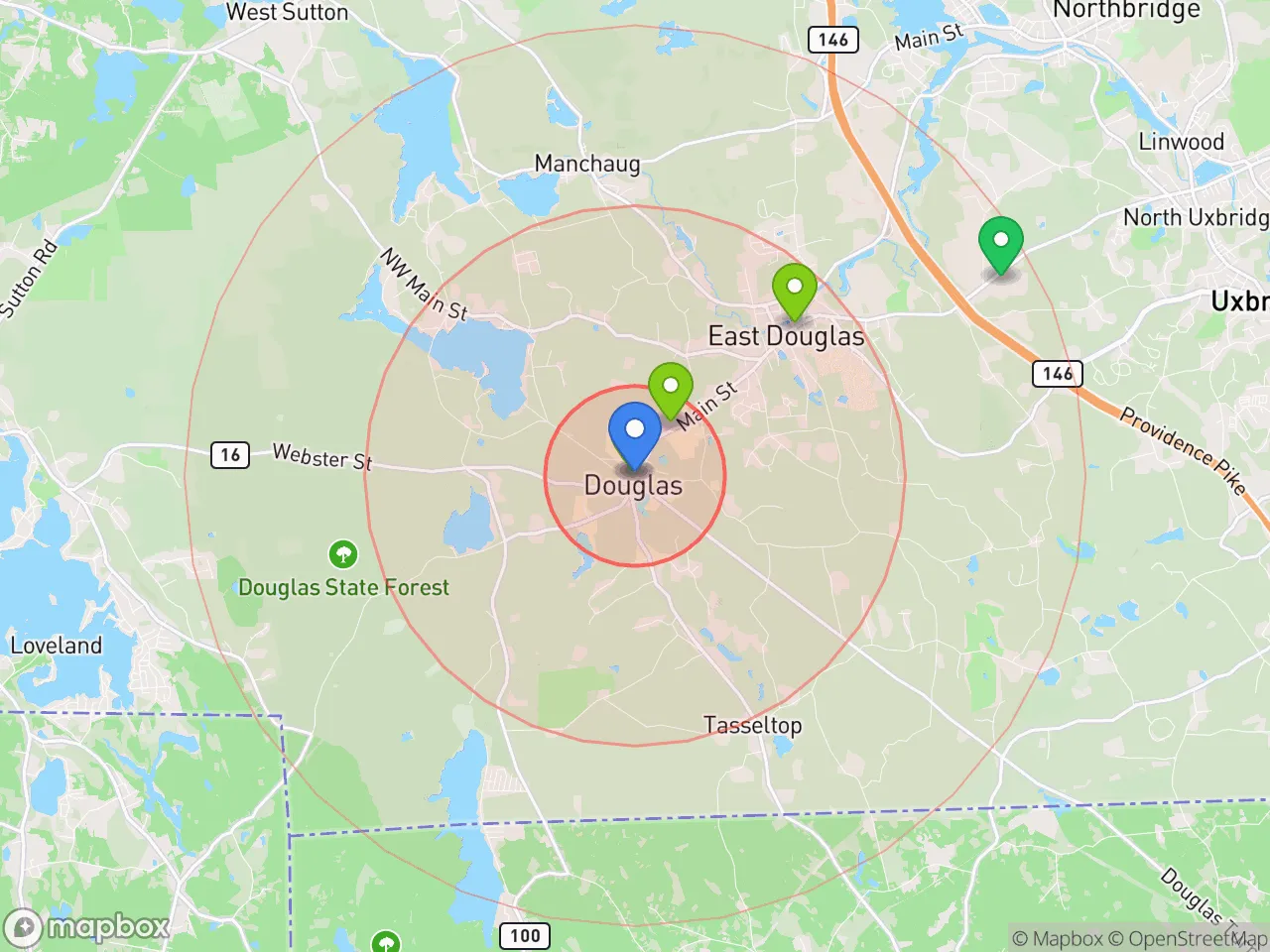
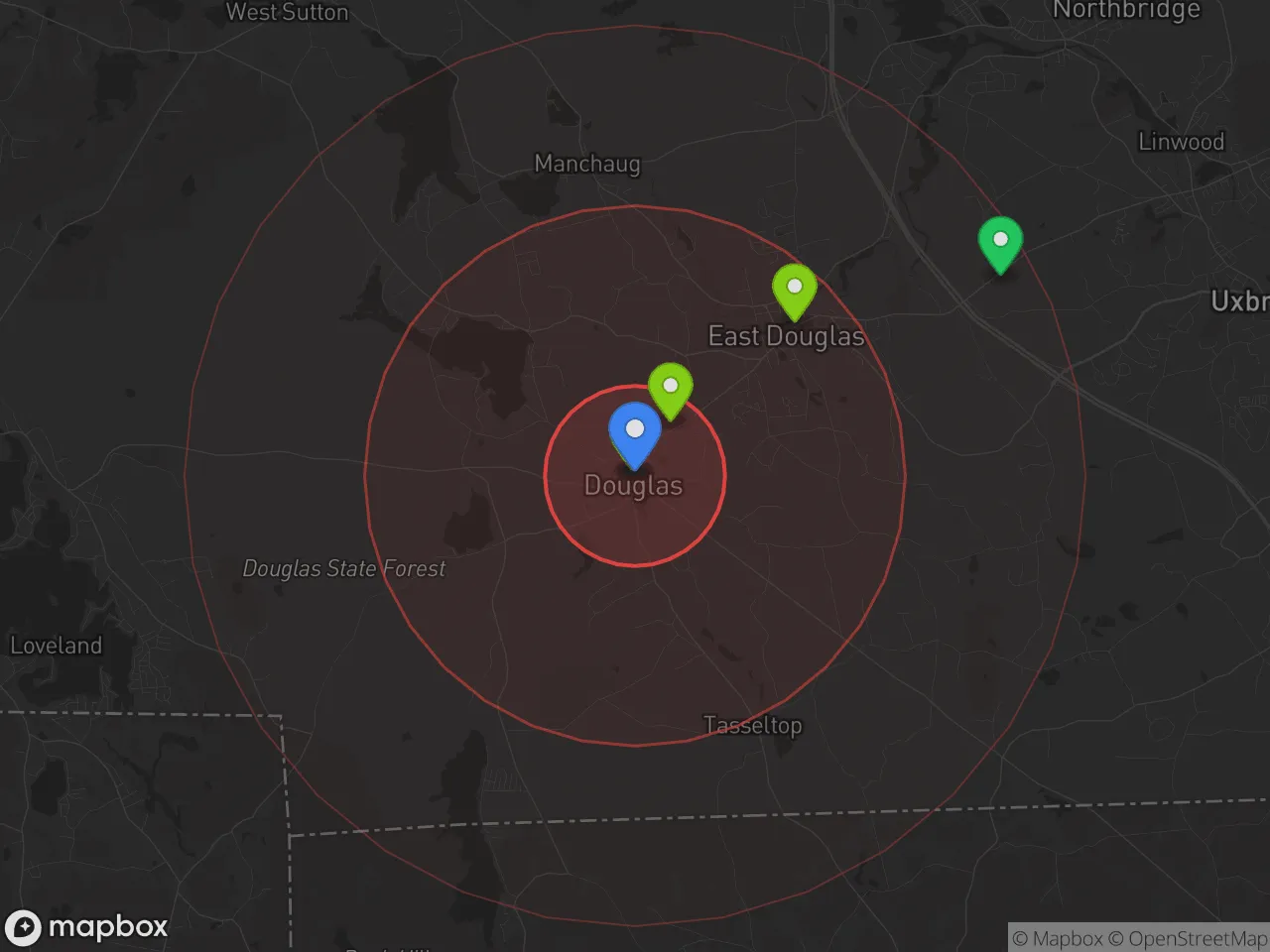
Hobbies
Explore the areaGroceries
0 within 10 miles
Gas
0 within 10 miles
Hospital
0 within 20 miles
Airport
PDX — Portland International Jetport
Post Office
Critical Amenities
Quality-of-Life Analysis
Douglas, Massachusetts, presents a quality of life defined by rural tranquility and steady affluence, attracting families and professionals who prioritize space and community over urban convenience. With a cost of living index of 124 (24% above the U.S. average), the town sits firmly in the upper-middle-class bracket, drawing residents who work in nearby Worcester, Providence, or Boston but seek a slower-paced, wooded setting. The population skews toward homeowners, long-term residents, and those willing to trade a longer commute for larger lots and lower crime rates.
Cost of living, housing affordability, and how Douglas compares to nearby towns
Douglas’s housing market reflects its desirability as a commuter haven, with a median home value of $417,200 — notably higher than the Massachusetts state median of roughly $480,000 but still more attainable than neighboring towns like Uxbridge ($440,000) or Mendon ($520,000). Renters find relative value here, with a median rent of $1,249, which is about 15% lower than the Worcester County average of $1,470. However, the overall cost of living index of 124 means everyday expenses — groceries, utilities, transportation — run about a quarter higher than the national norm. Property taxes in Douglas hover around 1.2% of assessed value, slightly below the state average, which helps offset the premium on home prices. For buyers, the trade-off is clear: you pay more for a house than in Central Massachusetts towns like Webster ($350,000 median), but you gain significantly more land and lower density. The average commute of 32 minutes is manageable for those working in Worcester (25 minutes) or Providence (35 minutes), though Boston commuters face a grueling 60-75 minutes each way.
Amenities, schools, and what daily life is like for families
Daily life in Douglas revolves around its small-town infrastructure and access to outdoor recreation. The town’s public school system, Douglas Public Schools, serves roughly 1,200 students across three schools and earns above-average ratings from Niche, with Douglas High School scoring a B+ for academics and a strong reputation for athletics and community involvement. For shopping and dining, residents drive 10-15 minutes to Uxbridge or Northbridge for grocery stores, chain restaurants, and basic services, while major retail hubs like the Blackstone Valley Shopping Center in Millbury are 20 minutes away. Outdoor amenities define the area: the 1,200-acre Douglas State Forest offers hiking, fishing, and off-road vehicle trails, and the Blackstone River Valley National Heritage Corridor provides biking and paddling opportunities. The town lacks a traditional downtown — most commercial activity clusters along Route 16 — so the daily rhythm is car-dependent, with children often bused to school and parents commuting out for work. Community life centers on the Douglas Public Library, the annual Douglas Farmers Market, and town-sponsored events like the Fourth of July parade.
Douglas is best suited for families and professionals who value space, safety, and a slower pace over walkable amenities or short commutes. The town’s low crime rate (violent crime is roughly 60% below the national average) and strong school system make it a natural fit for parents raising children, while the large lots and forested surroundings appeal to outdoor enthusiasts. Empty-nesters and remote workers also find the area attractive, provided they can absorb the higher cost of living and don’t mind driving 10-20 minutes for most errands. Those who need frequent access to Boston or Providence should weigh the commute carefully — but for anyone seeking a quiet, land-rich community within striking distance of two major metro areas, Douglas delivers a compelling balance.

Crime in Douglas, MA
Lower crime rates than 93% of comparable U.S. locations.
Violent CrimeViolent Crime Analysis
Property CrimeProperty Crime Analysis
Crime Analysis
Douglas, Massachusetts, is a notably safe community, with violent and property crime rates that are a fraction of both the state and national averages. The town recorded a violent crime rate of just 115.3 per 100,000 residents and a property crime rate of 157.2 per 100,000, placing it among the safest municipalities in Worcester County. However, as a small town situated within commuting distance of the Boston and Providence metro areas, residents should remain aware that the broader regional justice environment—characterized by progressive district attorneys and liberal judicial policies—can have downstream effects on local safety, even in low-crime enclaves like Douglas.
Crime in context
Douglas’s crime statistics are significantly lower than comparable benchmarks. The town’s violent crime rate of 115.3 per 100K is roughly one-third the Massachusetts state average and less than one-fifth the national rate. Property crime, at 157.2 per 100K, is similarly low—about 70% below the state average and nearly 80% below the U.S. figure. These numbers reflect a community where serious offenses like homicide, robbery, and aggravated assault are rare events. The low density and rural character of the town contribute to these figures, but the proximity to larger urban centers means that regional crime trends—particularly those driven by recidivism and lenient sentencing in nearby Worcester and Providence—can occasionally spill over into Douglas.
What residents experience
For those living in Douglas, the day-to-day reality is one of minimal concern about personal safety. The most common incidents are minor property crimes such as theft from unlocked vehicles or sheds, rather than violent confrontations. Residents frequently report feeling safe walking their neighborhoods at night and leaving doors unlocked during the day. However, the broader context of the Massachusetts justice system is a point of caution. Progressive district attorneys in Worcester County and neighboring Bristol County have implemented policies that emphasize diversion and reduced incarceration for non-violent offenders. While sympathetic to rehabilitation, these approaches can result in repeat property offenders cycling through the system without meaningful consequences, which directly impacts the sense of security for victims and the public. Douglas’s low crime rate does not insulate it entirely from this dynamic, as regional criminal networks occasionally target suburban and rural towns for burglaries and vehicle thefts.
Neighborhood-level variation in Douglas is minimal, with most areas—from the historic town center to the more rural outskirts—enjoying similarly low crime rates. The Douglas State Forest area and newer subdivisions near the Connecticut border see slightly higher reports of trespassing and vandalism, but violent crime remains virtually nonexistent across all parts of town. The most significant safety consideration for prospective residents is not the immediate neighborhood but the regional justice philosophy: the progressive policies of nearby district attorneys mean that offenders caught in Douglas may face lighter sentences, reducing deterrence and potentially increasing the risk of repeat offenses over time. For those prioritizing a low-crime environment, Douglas offers an excellent statistical profile, but the surrounding legal climate warrants ongoing attention.
* Values derived from national, state, county, city and local statistics and may differ in a specific area. Last updated: 2026-10-21T14:14:07.000Z
Narrative content on this page is AI-generated and may contain mistakes. Verify any details that matter before acting on them.
ReloMaps may earn a commission from affiliate links at no extra cost to you.

