Photo: Wikipedia
Find The Best Places To Live in Worcester County
PRO TIP! You can paste a Zillow or Redfin link to get info on that property.
Best Places to Live in Worcester County
Cities & Towns in Worcester County
Cities in Worcester County
What It's Like Living in Worcester County, MA
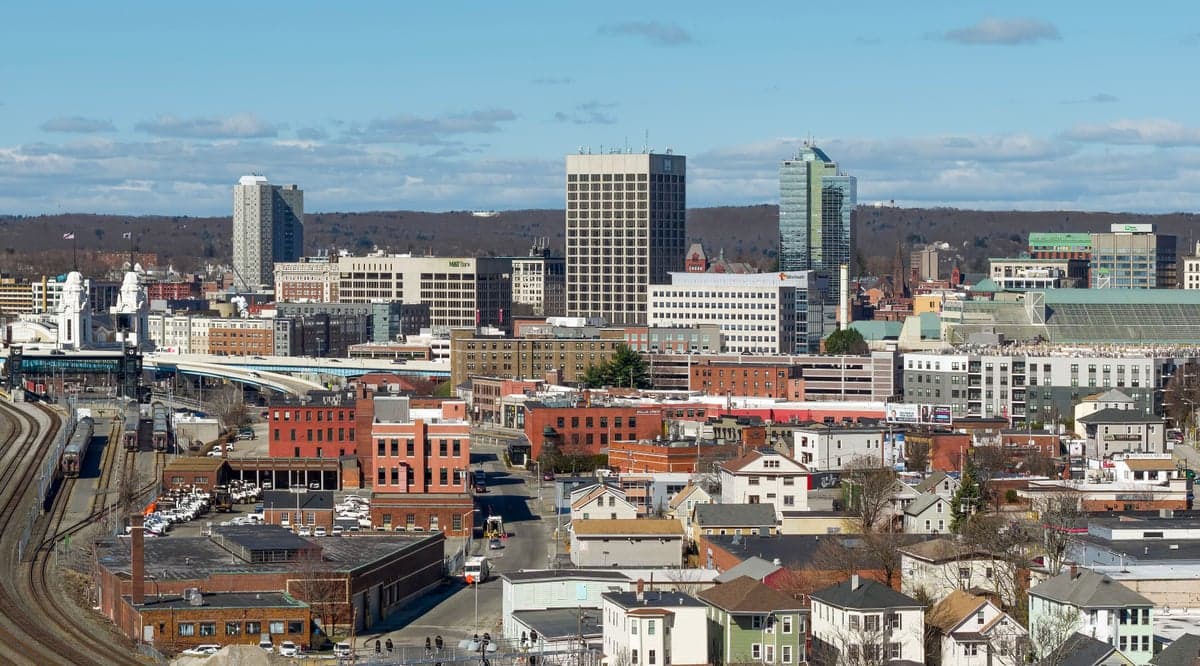
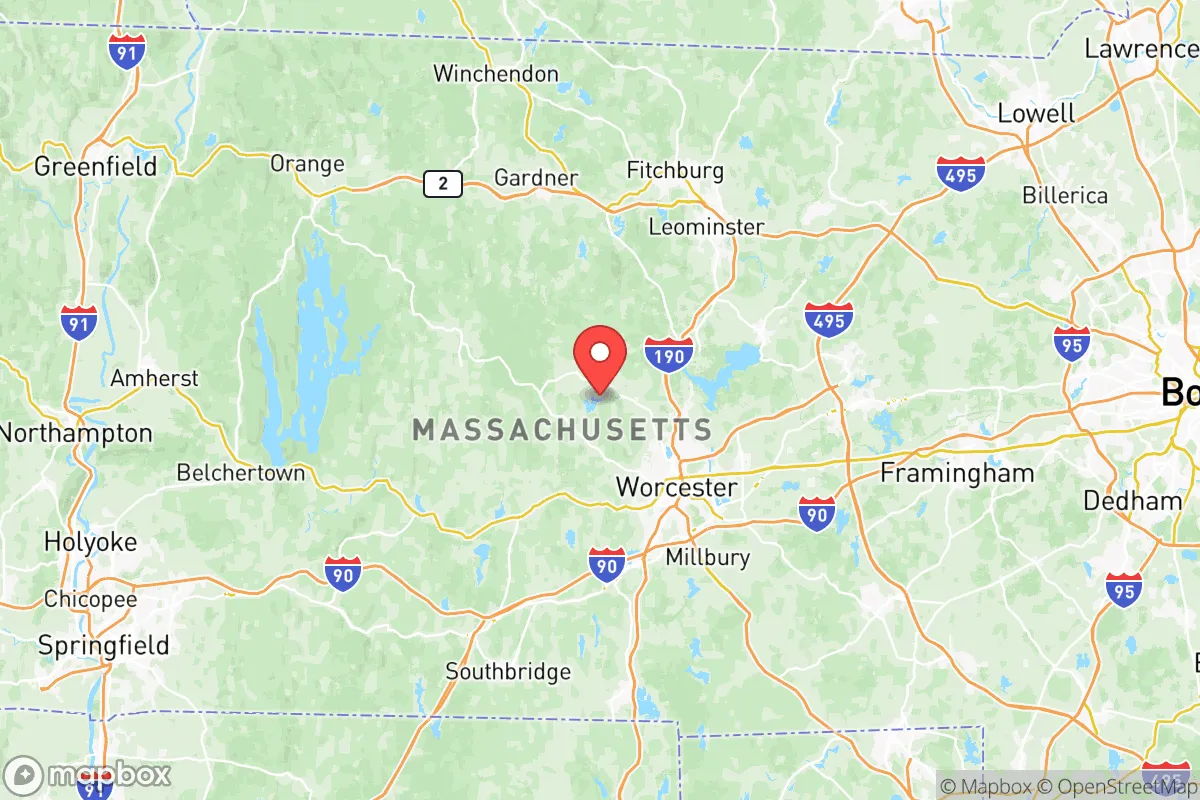
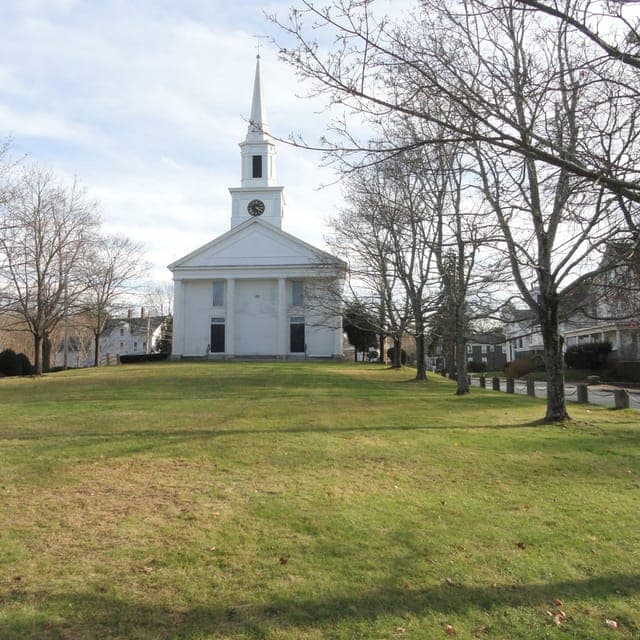
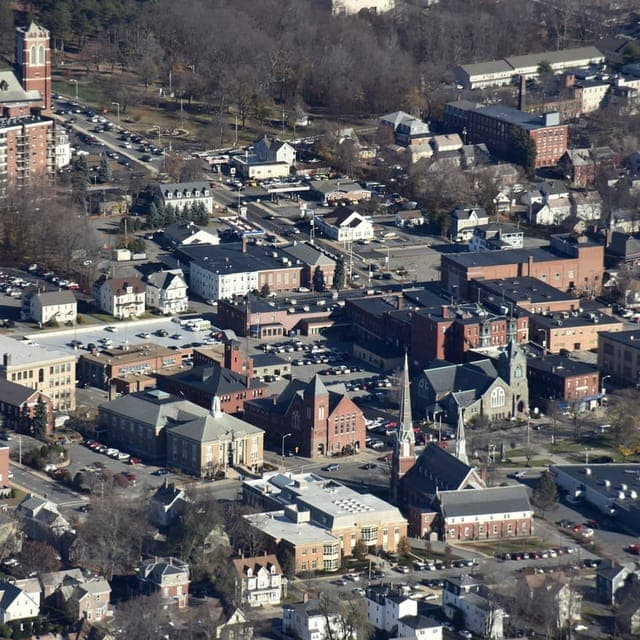
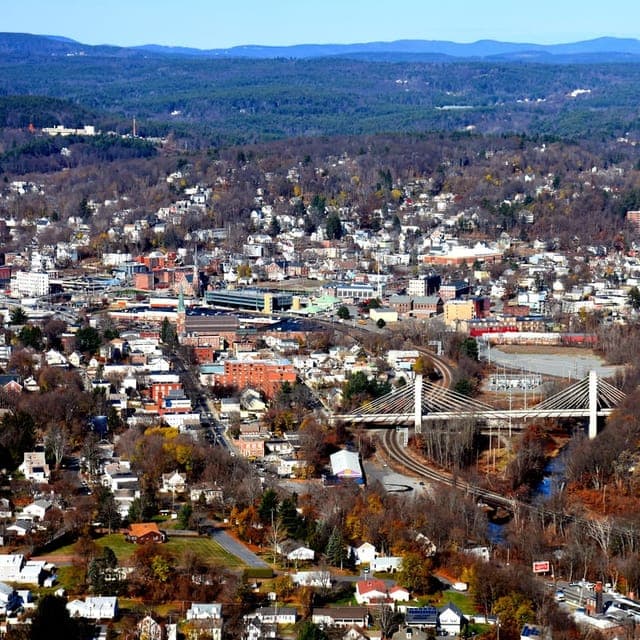
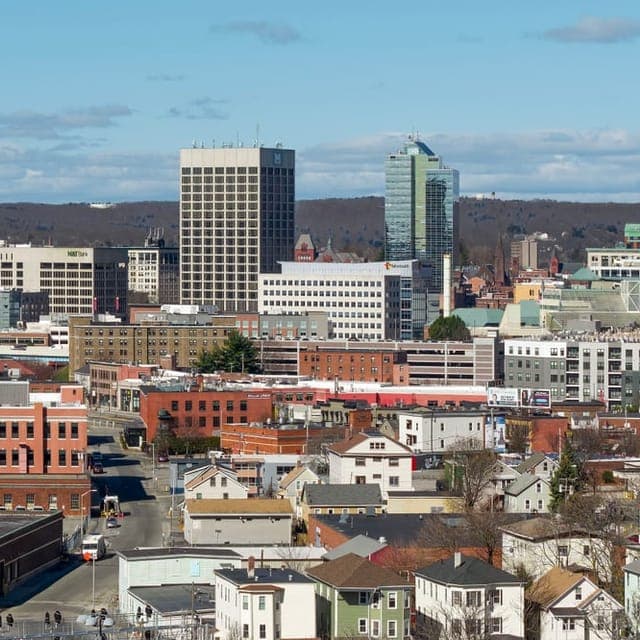
Worcester County is the gritty, hardworking heart of Central Massachusetts—a sprawling mix of old mill cities like Worcester and Fitchburg, leafy suburban towns such as Leominster and Holden, and quiet rural corners like Sturbridge and Barre. It’s the kind of place where you can live in a city apartment, commute to a biotech job in a restored factory, and still be at a quiet state park within twenty minutes. The county’s roughly 861,600 residents come for the blend of affordability (median home value $390,700, cost of living 125% of the national average) and the slow-burn charm of a region that doesn’t need to show off.
Daily Rhythm: From City Streets to Country Lanes
Life here follows the seasons. In Worcester itself, the morning commute is a real thing—average drive time just under 30 minutes, which feels about right for a county this spread out. People cluster around Kelly Square and the Canal District for coffee before heading to jobs at UMass Chan Medical School, the region’s largest employer, or at the manufacturing and logistics firms that line Route 290 and I-190. After work, many run errands at the Auburn Mall or grab a bite at the Armsby Abbey. Families in towns like Holden or Westborough spend their weekends at the community center or the local library’s storytime, while those further west in Sturbridge might head to Old Sturbridge Village to show the kids how early New Englanders lived. The pace is slower than Boston, but faster than rural Vermont—a sweet spot for people who want options without constant hustle.
One thing you notice right away: the food scene punches above its weight. Worcester’s Shrewsbury Street is lined with Italian-American classics and newer Vietnamese spots, and early-morning crowds pack Miss Worcester Diner for stuffed french toast. In small towns like Webster and Southbridge, you’ll find family-run Portuguese bakeries that sell malasadas on weekend mornings. It’s a county where a Friday night fish fry at an Elks lodge is just as normal as a craft beer tasting at a Worcester brewery.
Sports, Seasons, and Saturday Nights
Sports are a big deal here, but not in the “pro stadium every week” sense. The Worcester Red Sox (the WooSox) play at Polar Park in the Canal District, drawing solid crowds for Triple-A baseball in a stadium that feels like a small-town ballpark on steroids. High school football Friday nights are still a thing—especially in Leominster and St. John’s of Shrewsbury, where local rivalries pack bleachers. College hockey is huge: Holy Cross in Worcester and Anna Maria College in Paxton both draw passionate alumni. In winter, many families head to Mount Wachusett in Princeton for skiing and tubing, just a 30-minute drive from downtown.
Beyond sports, festivals fill the calendar. Sturbridge hosts the annual Fall Foliage Festival, while Leominster holds the Johnny Appleseed Festival (yes, the real Johnny Appleseed was born there). The Worcester County Craft Beer Trail loops through breweries like Wormtown Brewery and Tree House Brewing in Charlton. For outdoor types, the county’s 100+ conservation areas—like Wachusett Mountain State Reservation and the Blackstone River Valley Heritage Corridor—offer hiking, biking, and kayaking that many locals treat as a weekend default.
The Honest Trade-Offs
Living here has real upsides and some stubborn frustrations. On the plus side, the median household income of $93,561 goes further than in eastern Massachusetts because housing costs are lower—though the median home value of $390,700 has been rising steadily, pricing out some longtime residents. Schools are a draw: towns like Shrewsbury and Westborough have top-rated public systems, and many families move into those districts specifically. The violent crime rate is 235.8 per 100,000, which is below the national average but above the safest suburbs; Worcester itself has pockets you’d avoid at night, though most towns feel very safe.
What frustrates locals? The weather—winters are long, with snow that can linger into April, and “mud season” in March is genuinely messy. Traffic along I-290 through Worcester can back up unpredictably, especially during construction season. And while nightlife exists, it’s not Boston: you’ll have the same five bars people have been going to for a decade. About 39% of adults hold a college degree, which puts the county a bit below the state average but well above many rural areas, so you get a mix of white-collar professionals and blue-collar tradespeople. The culture leans pragmatic and independent—the kind of place where people wave from their trucks but won’t impose on your privacy. If you’re looking for a spot with history, seasonal rhythm, and a no-nonsense community feel, Worcester County rewards the patient.

* Values derived from national, state, county, city and local statistics and may differ in a specific area. Last updated: 2026-07-10T00:04:39.000Z
Narrative content on this page is AI-generated and may contain mistakes. Verify any details that matter before acting on them.
ReloMaps may earn a commission from affiliate links at no extra cost to you.

