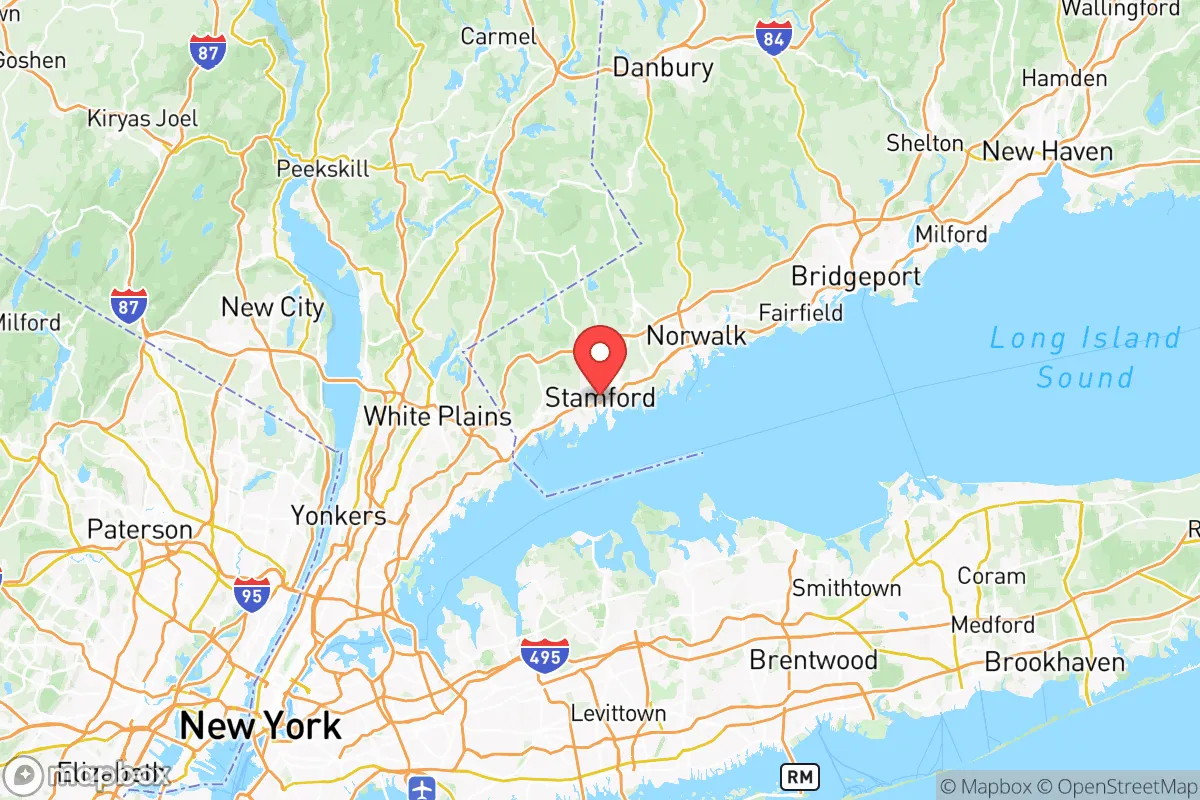
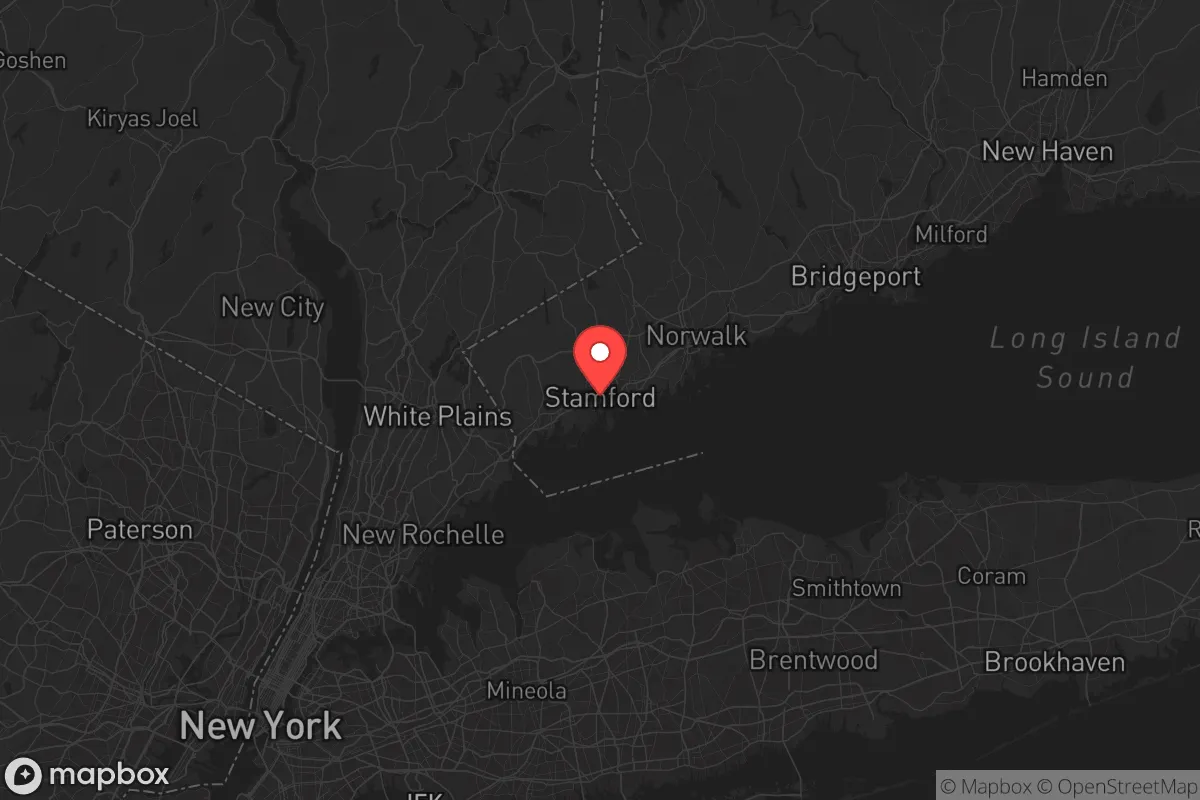
Political ClimatePolitical Climate in Western Connecticut Planning Region County
Showing district-level results — no local-only data available.
Local Political AnalysisPolitical Analysis of Western Connecticut Planning Region County
Western Connecticut Planning Region County is one of the most reliably Democratic areas in the state, with a Cook Partisan Voting Index (PVI) of D+13, meaning it votes about 13 points more Democratic than the national average. This makes it significantly more liberal than Connecticut as a whole, which sits at D+8. The county has been trending bluer for decades, driven by the influx of New York City commuters and professionals into towns like Danbury, Ridgefield, and Newtown, while the more rural and working-class corners—such as parts of Sherman, Kent, and Cornwall—still hold a Republican presence, though it's shrinking.
How it compares
Compared to the rest of Connecticut, Western Connecticut is a Democratic stronghold within an already blue state. The county's D+13 PVI is a full five points more Democratic than the state's D+8 average, which puts it in the same league as Fairfield County's coastal towns (like Greenwich and Stamford) but with a more suburban and exurban character. The political divide within the county is stark: Danbury, the largest city, leans Democratic but has a sizable Republican minority, especially in its northern wards and surrounding lake communities. Ridgefield and Newtown are solidly blue, with Democratic margins often exceeding 20 points in presidential elections. Meanwhile, Sherman and Kent are the county's most conservative towns, often voting Republican by single-digit margins, though they are becoming less reliable for the GOP as younger families move in. The swing precincts are in places like Bethel and Brookfield, where moderate voters—often former New Yorkers—split tickets between Democratic presidential candidates and Republican local officials.
What this means for residents
For liberal residents, the county's deep blue lean means their values are reflected in local policy: strong public school funding, environmental protections, and progressive zoning laws that encourage affordable housing. Conservative residents, however, are not entirely marginalized. In towns like New Milford and Washington, Republican town committees remain active, and local elections—for boards of education, planning commissions, and selectmen—are often competitive. The county's Democratic dominance does create a sense of ideological homogeneity in public discourse, but it also means that conservative voices can find community in specific towns and in statewide Republican networks. The practical effect is that property taxes, which are high across Connecticut, are a perennial issue regardless of party, and both sides agree on the need for fiscal restraint even if they disagree on how to achieve it.
Culturally, Western Connecticut is defined by its blend of affluent suburban liberalism and rural New England conservatism. The county is home to a significant number of second-home owners from New York City, which has driven up housing costs and shifted the political center of gravity leftward. This has created tension in towns like Roxbury and Bridgewater, where long-time residents feel priced out and politically sidelined. Policy-wise, the county has been a leader in environmental initiatives—such as the Housatonic River cleanup and land conservation trusts—but it also grapples with the same issues as the rest of the state: aging infrastructure, high energy costs, and a struggling rural economy in the northern towns. For anyone moving here, the political climate is best understood as a microcosm of Connecticut's broader shift toward the left, but with enough local variation that you can find a town that fits your political comfort zone.

State Political ClimatePolitical Climate in Connecticut
State Political AnalysisPolitical Environment in the State
Connecticut is a solidly Democratic state with a Cook PVI of D+8, meaning it typically votes about eight points more Democratic than the national average in presidential elections. Over the past 20 years, the state has shifted leftward, driven by the suburbanization of liberal voters around Hartford, New Haven, and Stamford, while rural and exurban areas have grown more Republican. This isn’t a purple state—it’s a blue state with a meaningful red minority concentrated in the Litchfield Hills, the Quiet Corner, and parts of the shoreline.
Urban vs. rural divide
The political map of Connecticut is a tale of three regions. The I-95 corridor from Greenwich to New Haven is the Democratic engine, with cities like Stamford, Bridgeport, and New Haven delivering massive margins—often 70-80% Democratic. Hartford and its inner-ring suburbs like West Hartford and Bloomfield are similarly deep blue. In contrast, the rural northwest—Litchfield County towns like Cornwall, Kent, and Salisbury—vote Republican by 10-20 points, though they’re small in population. The eastern part of the state, including Windham County towns like Killingly and Plainfield, has trended redder over the last decade, with some precincts flipping from blue to red in 2016 and 2020. The Fairfield County suburbs—places like Darien, New Canaan, and Greenwich—are the real battleground: historically moderate Republican, they’ve shifted toward Democrats since 2016, especially among college-educated women. This suburban shift is why the state’s overall lean has hardened from D+7 in 2012 to D+8 today.
Policy environment
Connecticut’s policy environment is distinctly progressive, with a high-tax, high-service model that conservatives often find frustrating. The state has a progressive income tax with a top marginal rate of 6.99% on income over $500,000, plus a 7.5% corporate tax. Property taxes are among the highest in the nation—Hartford’s mill rate is over 74 mills, while Greenwich’s is around 11 mills, creating a wide disparity. Education policy is centralized: the state funds schools through a complex formula that favors poorer districts, and there’s a strong teachers’ union presence. Healthcare is heavily regulated, with a state-based exchange (Access Health CT) and strict insurance mandates. Election laws are among the most liberal: no-excuse absentee voting, early voting (14 days before Election Day), and same-day voter registration. Gun laws are strict—universal background checks, an assault weapons ban, a 10-round magazine limit, and a permit-to-purchase system for handguns. For conservatives, the regulatory environment can feel stifling, especially for small businesses and gun owners.
Recent policy direction
Recent legislation has pushed Connecticut further left on several fronts. In 2023, the state passed Public Act 23-53, which expanded gun storage requirements and banned open carry of firearms in public—a direct response to the 2022 Highland Park shooting. On education, Public Act 23-167 codified protections for LGBTQ+ students and prohibited school boards from banning books based on viewpoint, a move that drew backlash from conservative parent groups. In 2024, the legislature passed a clean slate law that automatically erases certain criminal records after seven years, and a data privacy law (CTDPA) giving residents more control over how companies use their personal data. On property rights, the state has tightened rent control in municipalities like New Haven and Bridgeport, and passed a right-to-counsel law for tenants facing eviction. Medical and bodily autonomy: abortion remains legal up to viability, and in 2022 the state passed a law protecting providers who serve out-of-state patients. For conservatives, the recent direction feels like a steady march toward more regulation, especially on guns and parental rights. For liberals, it’s a necessary response to national trends.
Civil unrest & political movements
Connecticut has seen its share of political activism, but it’s generally more subdued than in neighboring New York or Massachusetts. The Black Lives Matter protests in 2020 were large in Hartford and New Haven, but mostly peaceful. On the right, the Second Amendment sanctuary movement gained traction in rural towns—Killingly, Woodstock, and Easton passed resolutions opposing state gun laws, though they’re symbolic. Immigration politics are a flashpoint: Connecticut is a sanctuary state (since 2013), meaning local police don’t enforce federal immigration detainers unless there’s a warrant. This has led to tensions in towns like Danbury, where a 2019 ICE raid sparked protests and counter-protests. Election integrity controversies are minimal—the state uses paper ballots and has strong auditing procedures, so there’s little of the “stolen election” rhetoric seen elsewhere. The most visible political movement lately is the parental rights push, with groups like “CT Parents United” organizing against curriculum changes and library book policies, particularly in Fairfield County suburbs. These are real, but they haven’t flipped any elections yet.
Projection
Over the next 5-10 years, Connecticut will likely stay D+8 or drift slightly bluer, driven by in-migration from New York City and out-migration of younger conservatives to lower-tax states like Florida and Texas. The Fairfield County suburbs will continue to trend Democratic as college-educated professionals replace older Republican homeowners. Rural areas like Litchfield County will get redder but won’t gain enough population to offset the urban vote. The biggest wildcard is housing costs: if the state doesn’t build more housing, young families—especially conservatives—will leave, accelerating the blue shift. A new resident moving in now should expect a state where Democratic control is entrenched, but where local politics in towns like Middletown or Wallingford can still be competitive. The policy environment will likely see more gun restrictions, more tenant protections, and more education mandates, but also more investment in transit and climate resilience.
For a conservative relocating here, the bottom line is that you’ll be in a minority—but not an invisible one. You’ll find like-minded communities in the Litchfield Hills, the Quiet Corner, and parts of the shoreline. You’ll pay high taxes and deal with strict gun laws, but you’ll also get excellent schools, low crime in most suburbs, and a state government that’s stable and predictable. For a liberal, it’s a comfortable fit—progressive policies, strong unions, and a social safety net. Either way, Connecticut is a place where politics is serious but not apocalyptic; people argue over zoning and school budgets, not secession or revolution. That’s the real draw for many: a blue state that works, even if it’s not cheap.
* Values derived from national, state, county, city and local statistics and may differ in a specific area. Last updated: 2026-06-17T00:30:19.000Z
Narrative content on this page is AI-generated and may contain mistakes. Verify any details that matter before acting on them.
ReloMaps may earn a commission from affiliate links at no extra cost to you.

