
Quality of Life in South Central Connecticut Planning Region County
A livable area that tracks near national norms for affordability, walkability, and neighborhood health.
What does Quality of Life tell us?
Quality of Life measures an area by evaluating factors like cost of living, nearby amenities, country club access, airport proximity, socioeconomic signals and neighborhood character. For large states, this is a general average — quality of life can vary dramatically between metro areas, suburbs, and rural communities within the same state.
What does this tell us?
Quality of Life measures an area by evaluating factors like cost of living, nearby amenities, country club access, airport proximity, socioeconomic signals and neighborhood character. For large states, this is a general average — quality of life can vary dramatically between metro areas, suburbs, and rural communities within the same state.
Cost of Living
22% above national average
92%
The Real Cost of Living in South Central Connecticut Planning Region County for 2026
| Tier | Individual | Family (4) |
|---|---|---|
| Survival | $23k | $44k |
| Comfortable | $64k | $94k |
| Luxury | $156k+ | $242k+ |
| Elite (Top 5%) | $193k+ | $299k+ |
Quality-of-Life Analysis
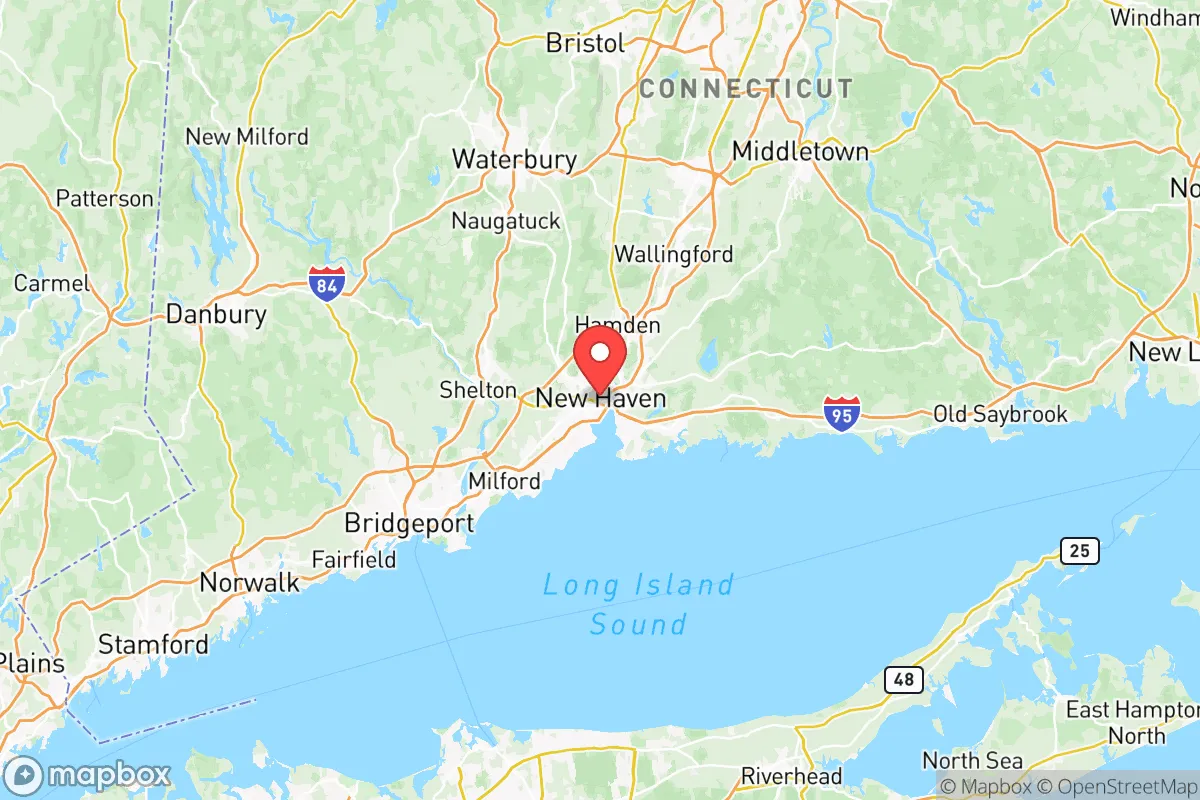
South Central Connecticut Planning Region County, which encompasses the greater New Haven area and its surrounding suburbs, offers a quality-of-life spectrum that ranges from dense, walkable urban centers to quiet, rural towns. The county's character is defined by its blend of historic coastal communities, college towns, and inland forested areas, drawing everyone from young professionals and academics to families seeking good schools and retirees looking for small-town charm. With a cost of living index of 122 (22% above the national average), the county provides a more affordable alternative to Fairfield County while still offering strong access to employment, education, and recreation.
Largest town(s) & population centers
New Haven is the county's urban core and largest city, home to Yale University and a vibrant cultural scene. Daily life here is defined by walkable neighborhoods like East Rock and Wooster Square, a robust restaurant scene, and access to theaters, museums, and the Long Island Sound waterfront. The city's population of roughly 135,000 includes a large student and academic contingent, alongside a diverse working-class population. West Haven, directly south of New Haven, offers a more suburban feel with its own beachfront along the Sound, while Hamden and North Haven serve as primary suburban bedroom communities with strong school systems and retail corridors along Whitney Avenue and Dixwell Avenue. These towns see average commute times around 23.7 minutes, making them practical for workers commuting to New Haven or even into Fairfield County.
Smaller towns & rural pockets
Moving north and east from the urban core, the county transitions into smaller communities with distinct identities. Wallingford offers a historic downtown with a train station on the New Haven-Hartford line, appealing to commuters who want small-town walkability. Branford and Guilford, along the coast east of New Haven, are classic New England shoreline towns with village greens, marinas, and preserved open space. Inland, Durham and Middlefield are genuinely rural towns with working farms, forested tracts, and low-density residential development. Bethany and Woodbridge are smaller, more affluent towns with large lot zoning and significant wooded acreage, offering a semi-rural lifestyle within 20 minutes of downtown New Haven. These areas attract families and professionals who prioritize space, privacy, and nature access over urban amenities.
Cost & lifestyle range
The cost of living varies significantly across the county. At the higher end, Madison and Guilford on the shoreline command median home values well above the county's $328,300 average, often exceeding $500,000, with correspondingly high property taxes. These towns offer top-rated schools, beach access, and a slower pace of life. At the more affordable end, New Haven itself and West Haven offer median rents near the county's $1,463 average, with older housing stock and more rental options. Meriden, at the county's northern edge, provides some of the lowest home prices in the region, with many homes under $250,000, though it lacks the coastal amenities and school reputations of shoreline towns. The median home value of $328,300 is roughly 15% below the Connecticut state average, making the county a relative bargain within the state. Renters will find the most options in New Haven and Hamden, while buyers seeking land will gravitate toward Durham, Middlefield, and Bethany.
This county works best for people who want access to a major university city and its cultural and employment opportunities but also value the option of a quieter, more spacious suburban or rural setting. Young professionals and academics thrive in New Haven's walkable neighborhoods, while families with children often settle in Hamden, Branford, or Guilford for their school systems. Retirees and remote workers are drawn to the shoreline towns and inland rural pockets for their quality of life. The county's 23.7-minute average commute and moderate cost of living relative to coastal Connecticut make it a practical choice for those who want the best of both urban and natural environments without the premium prices of Fairfield County.

Crime in South Central Connecticut Planning Region County
Generally safer than 71% of comparable U.S. locations.
Violent CrimeViolent Crime Analysis
Property CrimeProperty Crime Analysis
Crime Analysis
South Central Connecticut Planning Region, anchored by New Haven and extending through suburbs like Hamden, West Haven, and Milford, presents a mixed safety profile. The region’s violent crime rate of 110.6 incidents per 100,000 residents is notably lower than the national average of roughly 380 per 100,000, but its property crime rate of 1,158.1 per 100,000 sits slightly above the national figure of about 1,100 per 100,000. This divergence means residents generally face a lower risk of violent assault or robbery compared to much of the U.S., but property theft—including burglary, larceny, and motor vehicle theft—remains a tangible concern, particularly in denser urban pockets.
Crime in context
When benchmarked against Connecticut’s statewide violent crime rate of approximately 150 per 100,000, the South Central region’s 110.6 figure is a clear positive, placing it among the safer planning regions in the state. However, the property crime rate of 1,158.1 per 100,000 is slightly elevated relative to Connecticut’s overall rate of roughly 1,100 per 100,000. This is largely driven by New Haven, the region’s largest city, where property crime rates are significantly higher than in surrounding suburbs. For context, Milford and Hamden report property crime rates closer to 900–1,000 per 100,000, while Wallingford and North Haven often fall below 800 per 100,000. The region’s violent crime is heavily concentrated in New Haven’s downtown and a few specific neighborhoods, whereas suburban towns like Branford and Guilford consistently report violent crime rates below 50 per 100,000.
What residents experience
For the typical resident outside of New Haven’s core, daily life involves a low probability of encountering violent crime. Most violent incidents are targeted—often tied to gang activity or domestic disputes—rather than random attacks on strangers. Property crime, however, is more widespread. Residents in West Haven and Hamden frequently report package thefts, unlocked car break-ins, and occasional home burglaries, especially in areas near major highways like I-95 and I-91. The region’s progressive judicial climate, particularly in New Haven’s Superior Court, has drawn criticism from public safety advocates. Progressive prosecutors and judges in New Haven County have implemented policies favoring diversion programs and reduced bail for nonviolent offenders, which critics argue leads to higher recidivism and more property crime as repeat offenders cycle through the system without meaningful consequences. This approach, while intended to reduce incarceration, has been linked to a perception among criminals that property crimes carry minimal risk of jail time, emboldening theft rings that operate across town lines.
Neighborhood-level variation
Safety varies dramatically within the region. New Haven’s Dixwell and Newhallville neighborhoods report violent crime rates exceeding 300 per 100,000, while East Rock and Westville in the same city see rates below 80 per 100,000. Suburban towns like Madison and Guilford on the shoreline are among the safest in Connecticut, with violent crime rates under 30 per 100,000 and property crime rates around 600 per 100,000. Wallingford offers a middle ground, with a strong police presence and community watch programs that keep property crime manageable. For families and professionals, choosing a town with a conservative or moderate local government—such as North Haven or Branford—often correlates with stricter enforcement and lower crime rates, as these municipalities resist the progressive policies that have softened consequences in New Haven proper.
* Values derived from national, state, county, city and local statistics and may differ in a specific area. Last updated: 2026-07-23T19:46:24.000Z
Narrative content on this page is AI-generated and may contain mistakes. Verify any details that matter before acting on them.
ReloMaps may earn a commission from affiliate links at no extra cost to you.

