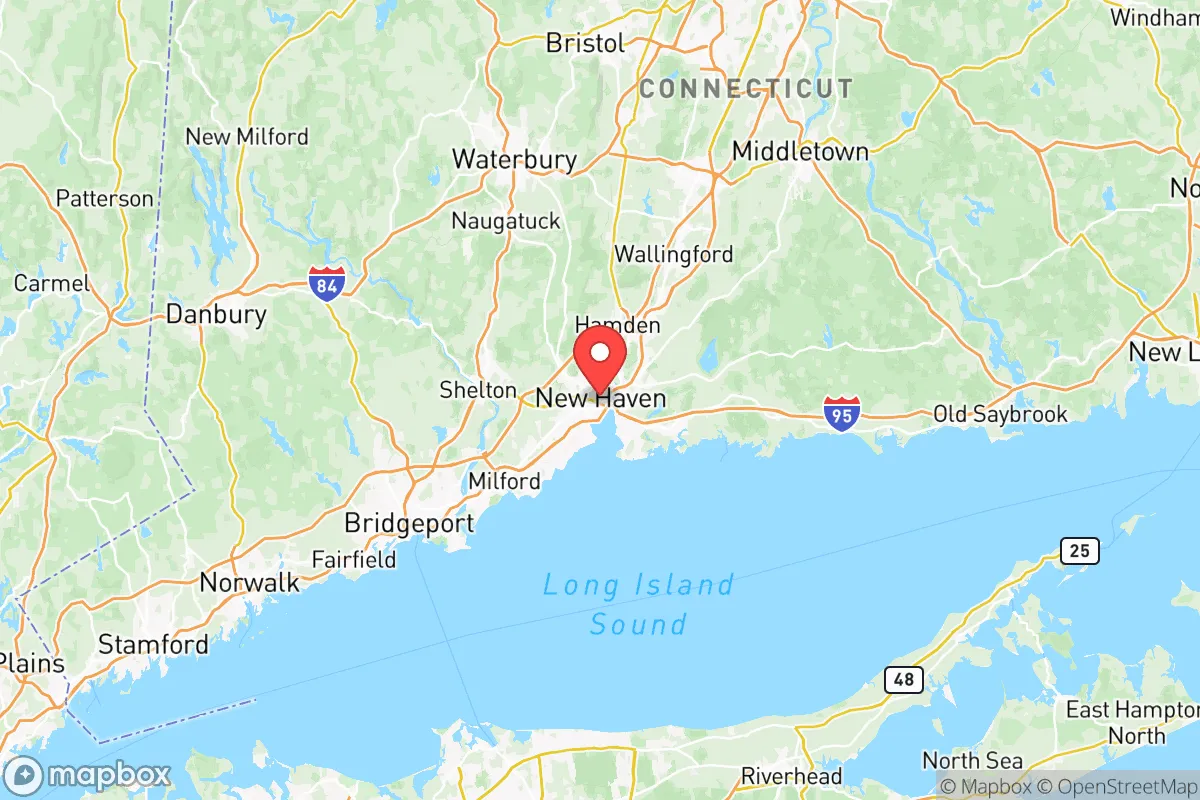
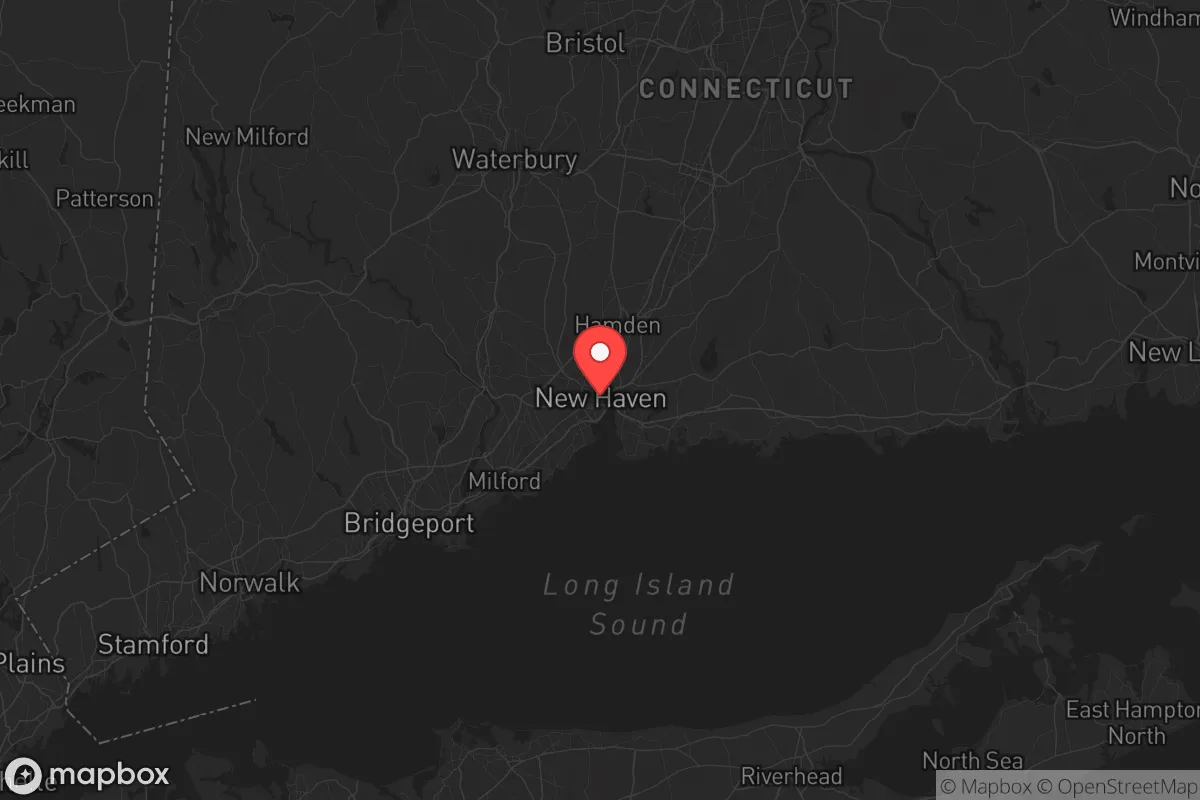
Personal Sovereignty in South Central Connecticut Planning Region County
Viable for self-reliance. Generally workable, though some barriers may limit total independence.
What does Personal Sovereignty tell us?
Personal Sovereignty measures your capacity for self-reliance and independence with minimal government friction. Higher scores mean fewer barriers between you and the way you want to live... but it assumes you have the space you need and good neighbors.
What does this tell us?
Personal Sovereignty measures your capacity for self-reliance and independence with minimal government friction. Higher scores mean fewer barriers between you and the way you want to live... but it assumes you have the space you need and good neighbors.
State Policy
Energy independence: Importer (5% of energy produced in-state)
Personal Liberty
Homesteading

Personal Liberty Analysis
South Central Connecticut Planning Region (often referred to as the South Central Region) presents a complex personal sovereignty environment that is heavily shaped by state-level mandates, with local municipalities offering varying degrees of autonomy. While Connecticut as a whole leans toward a more regulated, higher-tax posture, the specific towns within this region—including New Haven, Hamden, North Haven, Wallingford, and Meriden—show meaningful differences in how strictly those state rules are enforced and how much room exists for self-reliant living. For a conservative-leaning individual or family weighing relocation, the region offers pockets of relative freedom within a broader framework of state control, particularly in the more suburban and rural towns outside the urban core.
Tax burden and regulatory posture in South Central Connecticut towns
Connecticut carries one of the highest combined state and local tax burdens in the nation, and South Central Connecticut is no exception. The state income tax is progressive, topping out at 6.99%, and the state sales tax is 6.35%. Property taxes are levied at the municipal level and vary significantly: Wallingford's mill rate is roughly 24.5 mills, while Hamden's is around 42 mills, meaning a home assessed at $300,000 would owe about $7,350 in Wallingford versus $12,600 in Hamden. The regulatory posture is generally heavy—state building codes are strict, environmental regulations (especially around coastal areas and wetlands) are robust, and business licensing can be cumbersome. However, towns like North Haven and Wallingford have more business-friendly zoning and permitting processes compared to New Haven, where city-level bureaucracy and higher fees add friction. For a self-employed individual or small business owner, choosing a town with a lower mill rate and a more streamlined local permitting office can meaningfully reduce the annual cost of autonomy.
Self-defense and gun law specifics in a restrictive state
Connecticut has some of the most restrictive gun laws in the country, and South Central Connecticut reflects that state-level reality. The state requires a permit to purchase any firearm, a background check for all sales (including private), and a permit to carry a handgun, which is issued on a "may-issue" basis but has become de facto "shall-issue" after legal challenges. Magazines over 10 rounds are banned, and the state maintains an assault weapons ban that covers many common semi-automatic rifles. Open carry is legal only with a permit but is rare and often draws police attention. Within the region, enforcement attitudes vary: North Haven and Wallingford have a more gun-friendly culture, with local gun shops and ranges like the Blue Trail Range in Wallingford, while New Haven and Hamden have more restrictive local ordinances (e.g., bans on discharging firearms within town limits) and a less permissive atmosphere. For a gun owner, the practical reality is that you can own and transport firearms legally, but the process is expensive (permits cost $70-$200, plus training) and time-consuming. The region is not a destination for those seeking maximal Second Amendment freedom, but it is workable for law-abiding owners who follow the rules.
Self-reliance and homesteading viability: lot sizes, zoning, and off-grid feasibility
Homesteading and off-grid living are challenging in South Central Connecticut due to dense development and strict zoning, but there are notable exceptions. Most towns require minimum lot sizes of 0.5 to 1 acre in suburban zones, though rural pockets in Durham and Middlefield (both within the region) allow lots of 2 acres or more. Raising chickens is legal in most towns, but pigs and goats are often restricted to agricultural zones. Off-grid systems face significant hurdles: Connecticut requires all homes to be connected to the electrical grid unless a special exemption is granted, and solar panels must be grid-tied. Rainwater collection is legal but limited to outdoor use, and composting toilets require a state-approved system. In towns like Wallingford and North Haven, backyard vegetable gardens and small-scale food preservation (canning, root cellaring) are common and unregulated. However, building a truly self-sufficient homestead—with private well, septic, and off-grid power—is nearly impossible within the region's suburban footprint. The best bet for a reader seeking more land and fewer restrictions is the northern edge of the region, near the Durham-Middlefield line, where zoning is lighter and lot sizes are larger.
Personal liberties: parental rights, medical autonomy, speech, and property
Parental rights in Connecticut are moderately protected by state law, but the state has moved toward more centralized control in education. Connecticut mandates a statewide curriculum and standardized testing, and while homeschooling is legal, it requires annual notice and portfolio review by the local school district. In South Central Connecticut, districts like Hamden and New Haven have more progressive policies on sex education and gender identity, while Wallingford and North Haven tend to be more deferential to parental input. Medical autonomy is limited: Connecticut has a vaccine mandate for school attendance (with medical exemptions only), and the state's public health emergency powers are broad. Property rights are constrained by strong zoning and environmental regulations—for example, the Connecticut Inland Wetlands and Watercourses Act restricts development near wetlands, which cover significant portions of towns like Meriden and Hamden. Free speech is protected under the First Amendment, but local noise ordinances and permit requirements for public gatherings can be used to limit expression in practice. For a reader prioritizing personal liberties, the region's towns with more conservative local governance—Wallingford, North Haven, and Durham—offer a somewhat lighter touch than the urban centers.
Overall, personal sovereignty in South Central Connecticut is a trade-off: you gain access to a dense network of services, infrastructure, and employment (especially in healthcare and education), but you operate within a state-level framework that is among the most regulated and taxed in the country. Compared to areas like rural New Hampshire or much of the South, the region feels constrained. However, within the region, the difference between a town like Wallingford (lower taxes, more gun-friendly, larger lots) and New Haven (higher taxes, restrictive gun culture, dense zoning) is substantial. For a conservative-leaning individual or family, the best strategy is to target the suburban and exurban towns on the region's periphery—Durham, Middlefield, North Haven, and Wallingford—where state mandates are less aggressively enforced and local culture aligns more closely with self-reliance and personal responsibility. The region will never be a libertarian haven, but with careful town selection, it can be a workable home for those who value both freedom and proximity to urban amenities.

* Values derived from national, state, county, city and local statistics and may differ in a specific area. Last updated: 2026-07-23T19:46:24.000Z
Narrative content on this page is AI-generated and may contain mistakes. Verify any details that matter before acting on them.
ReloMaps may earn a commission from affiliate links at no extra cost to you.

