Political ClimatePolitical Climate in Naugatuck Valley Planning Region County
Showing district-level results — no local-only data available.
Local Political AnalysisPolitical Analysis of Naugatuck Valley Planning Region County
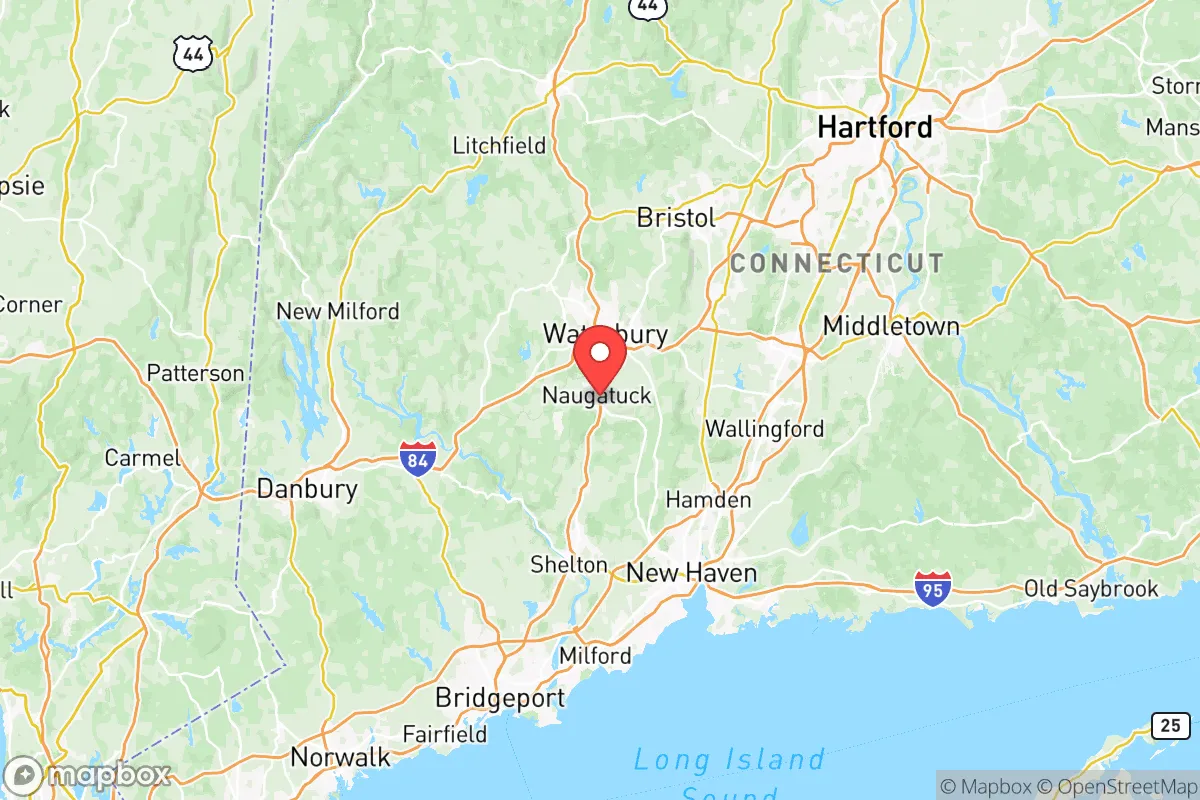
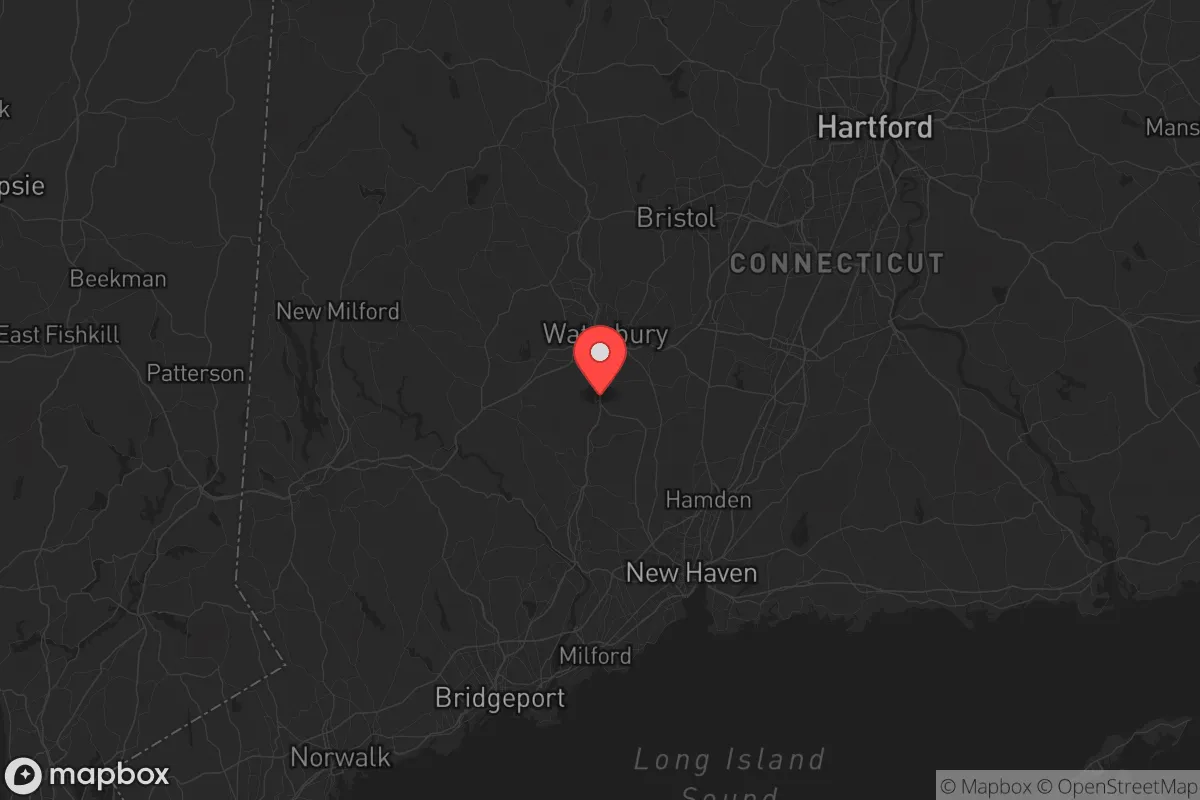
The Naugatuck Valley Planning Region, anchored by the city of Waterbury and stretching through the industrial towns of the central Connecticut river corridor, is a classic Democratic-leaning area with a Cook PVI of D+8—identical to the state of Connecticut as a whole. But that number masks a more complicated reality: while the region votes blue in presidential elections, its political culture is far more conservative than the state’s affluent coastal suburbs, and the gap between the valley’s working-class Democratic base and its moderate-to-conservative exurbs has been widening since the 2016 election. The region’s trajectory is one of slow polarization, with the old “blue-collar Democrat” identity fraying as national party alignments shift.
How it compares
At first glance, the D+8 PVI makes the Naugatuck Valley look like a perfect microcosm of Connecticut’s overall partisan balance. But the comparison breaks down when you look at the towns. Waterbury itself, the region’s largest city, is heavily Democratic—Biden won it by roughly 25 points in 2020—while the surrounding towns tell a different story. Naugatuck and Beacon Falls are classic swing towns: Naugatuck voted for Obama twice, then flipped to Trump in 2016 and 2020, while Beacon Falls has trended Republican since 2012. Oxford and Southbury are reliably red, with Trump winning Oxford by 15 points in 2020. Meanwhile, Middlebury and Woodbury lean Democratic but are more moderate than Waterbury, often splitting tickets in state races. The result is a region where the Democratic margin is carried almost entirely by Waterbury and a few smaller blue towns like Cheshire and Prospect, while the rest of the valley votes like a red-leaning exurb. That’s a sharp contrast to Connecticut’s overall D+8, which is driven by the deep-blue suburbs of Fairfield County and the Hartford area.
What this means for residents
For a liberal resident in Waterbury, the region feels reliably Democratic—local elections are dominated by the party, and progressive policies like paid family leave and gun safety laws are broadly supported. But drive 15 minutes to Oxford or Southbury, and the political landscape flips: those towns vote Republican in local races, and residents there often feel their views on taxes, development, and school funding are out of step with the state’s Democratic majority. The practical effect is that the Naugatuck Valley is a place where political identity is deeply tied to geography. A conservative in Oxford can still find a community that shares their values, but they’ll likely feel outnumbered in state-level politics. A liberal in Waterbury enjoys local dominance but may find the region’s overall culture more moderate than the coastal suburbs. The swing towns—Naugatuck, Beacon Falls, and parts of Cheshire—are where the real tension lives, with voters who once reliably backed Democrats now splitting tickets or voting Republican in national races while still supporting local Democrats.
Culturally, the Naugatuck Valley retains a distinct blue-collar identity that sets it apart from Connecticut’s wealthier corners. The region’s politics are shaped by a pragmatic, union-influenced Democratic tradition that coexists with a strong Catholic social conservatism, especially on issues like abortion and school choice. You’ll find more “pro-life Democrat” yard signs here than anywhere else in the state. The area’s policy priorities reflect that: local debates often center on property taxes, school funding formulas, and economic development, rather than the cultural flashpoints that dominate coastal Connecticut. For residents, this means the valley feels less polarized in daily life than the national headlines suggest—most people, regardless of party, agree that the region needs better jobs and infrastructure. But the long-term trend is toward sharper division, as younger, more liberal voters move into Waterbury and Cheshire while older, more conservative residents hold firm in the exurbs. The region’s D+8 label is accurate, but it’s a label that hides a landscape of quiet, growing distance between the valley’s blue city and its red towns.

State Political ClimatePolitical Climate in Connecticut
State Political AnalysisPolitical Environment in the State
Connecticut is a solidly Democratic state with a Cook PVI of D+8, meaning it typically votes about eight points more Democratic than the national average in presidential elections. Over the past 20 years, the state has shifted leftward, driven by the consolidation of Democratic power in its wealthy, educated suburbs and the continued decline of its once-dominant manufacturing and insurance-based Republican base. While the state hasn't flipped a presidential election since 1988 (when it went for George H.W. Bush), the margin has widened: in 2000, Al Gore won by about 17 points; in 2020, Joe Biden won by 20 points. The practical reality for a conservative-leaning relocator is that you'll be living in a state where Democrats control every statewide office, both U.S. Senate seats, and supermajorities in the state legislature, but where local politics can vary dramatically from town to town.
Urban vs. rural divide
The political map of Connecticut is a classic tale of three regions. The southwestern corner, anchored by Stamford, Greenwich, and Bridgeport, is the state's Democratic engine. These are commuter towns for New York City, filled with high-income professionals who lean left on social issues and taxes. Fairfield County alone delivers about a third of the state's Democratic vote. The central corridor, including Hartford and New Haven, is also solidly blue, driven by state government workers, university faculty, and urban minority populations. The eastern half of the state—places like Norwich, Windham, and Killingly—is more rural, working-class, and increasingly Republican. In 2020, Donald Trump won 18 of the state's 169 towns, almost all in the eastern and northwestern corners. The divide isn't just urban vs. rural; it's also wealthy suburbs vs. struggling small towns. Towns like West Hartford and Glastonbury are reliably blue, while Litchfield County towns like Torrington and Winsted have trended red. The state's political center of gravity is clearly in the southwest, but the eastern half is where the GOP's future growth lies.
Policy environment
Connecticut's policy environment is defined by high taxes and a strong regulatory posture. The state has a progressive income tax with rates up to 6.99%, one of the highest sales tax rates at 6.35%, and some of the highest property taxes in the nation—averaging about 2.1% of home value. There is no right-to-work law; unions remain powerful, especially in the public sector. Education policy is centralized: the state funds schools through a complex formula that favors urban districts, and there is a robust school choice program, including magnet schools and charter schools, though it's less expansive than in neighboring states. Healthcare is heavily regulated, with a state-based health insurance exchange and a public option for small businesses. Election laws are among the most liberal in the country: no-excuse absentee voting, early voting (passed in 2023), and automatic voter registration. Gun laws are among the strictest: a 2013 law banned "assault weapons" and high-capacity magazines, and a 2023 law further restricted open carry and raised the purchasing age to 21. For a conservative, the policy environment is a mixed bag: high taxes and strong gun control are clear negatives, but school choice and a relatively business-friendly corporate tax rate (7.5%) offer some offset.
Recent policy direction
The last five years have seen Connecticut accelerate leftward on several fronts. In 2021, the state passed a police accountability bill that banned chokeholds, created a new independent oversight body, and limited qualified immunity—a move that drew fierce opposition from law enforcement unions. In 2022, the legislature passed a sweeping abortion rights bill that codified Roe v. Wade protections and expanded who can perform abortions. In 2023, the state enacted a clean slate law that automatically erases certain criminal records after a waiting period, and a data privacy law giving residents more control over how companies use their personal information. On the gun front, the 2023 law banned open carry of handguns and raised the purchasing age for all firearms to 21. On education, the state passed a law requiring all public schools to teach LGBTQ+-inclusive curriculum starting in 2023. On property rights, the state has a strong eminent domain framework, but recent legislation has focused on tenant protections, including a ban on no-fault evictions during the pandemic (now expired) and a new law requiring landlords to accept Section 8 vouchers. For a conservative relocator, the trend is clear: the state is moving toward more regulation, more mandates, and more government involvement in daily life, particularly on guns, education, and healthcare.
Civil unrest & political movements
Connecticut has seen its share of political activism, but it's generally less volatile than many other states. The Black Lives Matter protests in 2020 were large and sustained in Hartford, New Haven, and Stamford, but they were mostly peaceful. The state's sanctuary state status—enacted in 2013 and strengthened in 2021—has made it a flashpoint in immigration politics. Local police are prohibited from cooperating with federal immigration enforcement unless presented with a judicial warrant, which has drawn criticism from conservatives and praise from immigrant rights groups. The Second Amendment movement is active but small; there have been annual "Second Amendment Sanctuary" resolutions passed in about 20 towns, mostly in the eastern part of the state, but they are symbolic. Election integrity has been a minor issue: the 2020 election saw a massive increase in absentee voting due to COVID, and while there were no widespread fraud allegations, some Republican town committees have pushed for stricter ID laws. The most visible political flashpoint in recent years has been education: school board meetings in towns like Southington and Wallingford have seen heated debates over critical race theory, LGBTQ+ curriculum, and mask mandates. A new resident would notice that political activism is more localized and less confrontational than in, say, Texas or Oregon, but the underlying tensions are real.
Projection
Over the next 5-10 years, Connecticut is likely to remain solidly Democratic, but the margin may narrow slightly. The state's population is aging and slowly declining—it lost a congressional seat after the 2020 census—and out-migration is concentrated among younger, more conservative-leaning residents moving to lower-tax states like Florida and Texas. The in-migration is mostly from New York, which reinforces the Democratic tilt. The biggest wild card is the suburban shift: wealthy, educated suburbs that were once swing areas (like Fairfield and Westport) have moved decisively left, while rural and exurban towns are becoming more Republican. The state's fiscal situation is precarious—it has one of the highest debt burdens per capita in the nation—which could force future tax increases or spending cuts, potentially accelerating out-migration. For a conservative moving in now, expect the state to remain a Democratic stronghold, but with a growing Republican presence in the eastern half. The practical reality is that you'll have little influence on state-level policy, but you can find like-minded communities in towns like Ledyard, Brookfield, or Woodstock.
For a new resident, the bottom line is this: Connecticut offers a high quality of life with excellent schools, low crime, and beautiful scenery, but it comes with a high price tag and a policy environment that leans heavily left. If you're conservative, you'll need to accept that your vote won't change state-level outcomes, but you can find your niche in the eastern or northwestern towns where local politics are more balanced. If you're liberal, you'll find a state that largely aligns with your values, especially on social issues and environmental policy. Either way, the state's political climate is stable, predictable, and unlikely to surprise you—for better or worse.
* Values derived from national, state, county, city and local statistics and may differ in a specific area. Last updated: 2026-07-09T11:51:32.000Z
Narrative content on this page is AI-generated and may contain mistakes. Verify any details that matter before acting on them.
ReloMaps may earn a commission from affiliate links at no extra cost to you.

