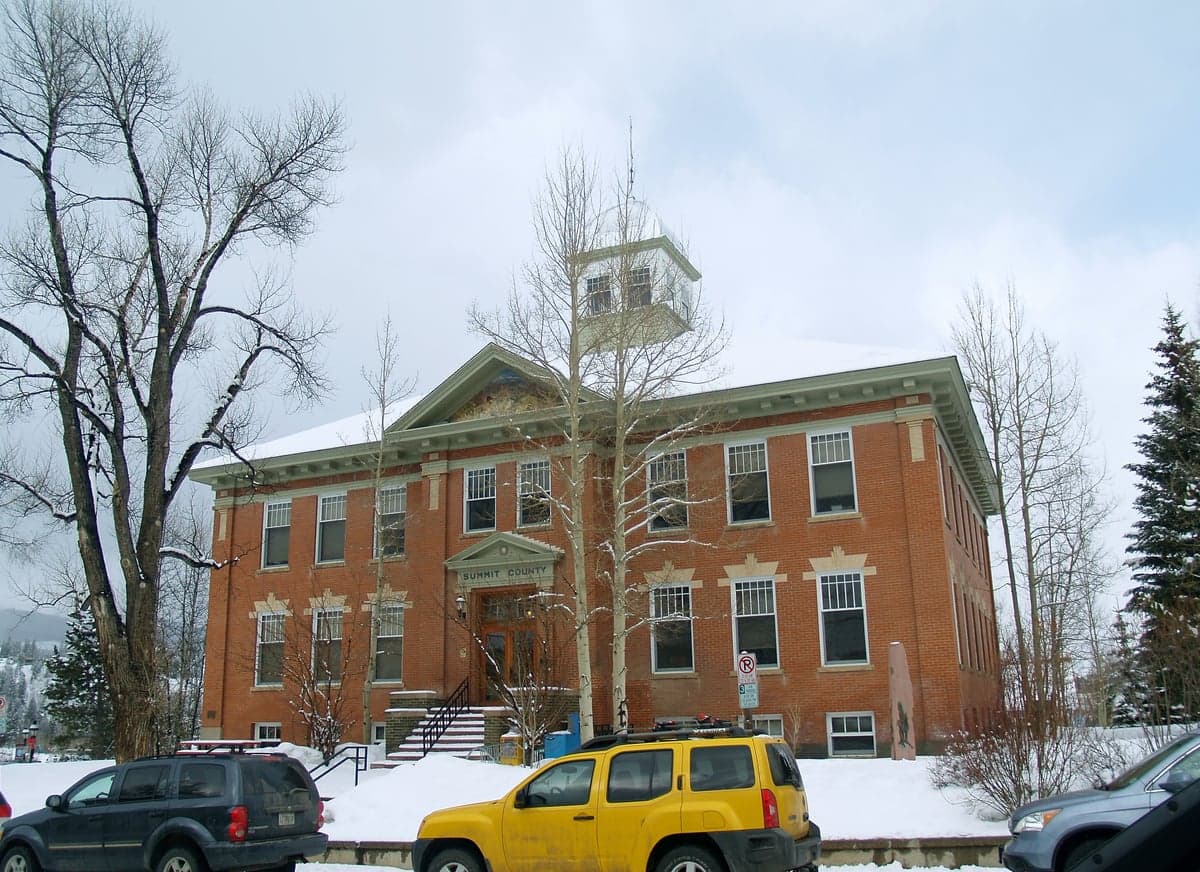
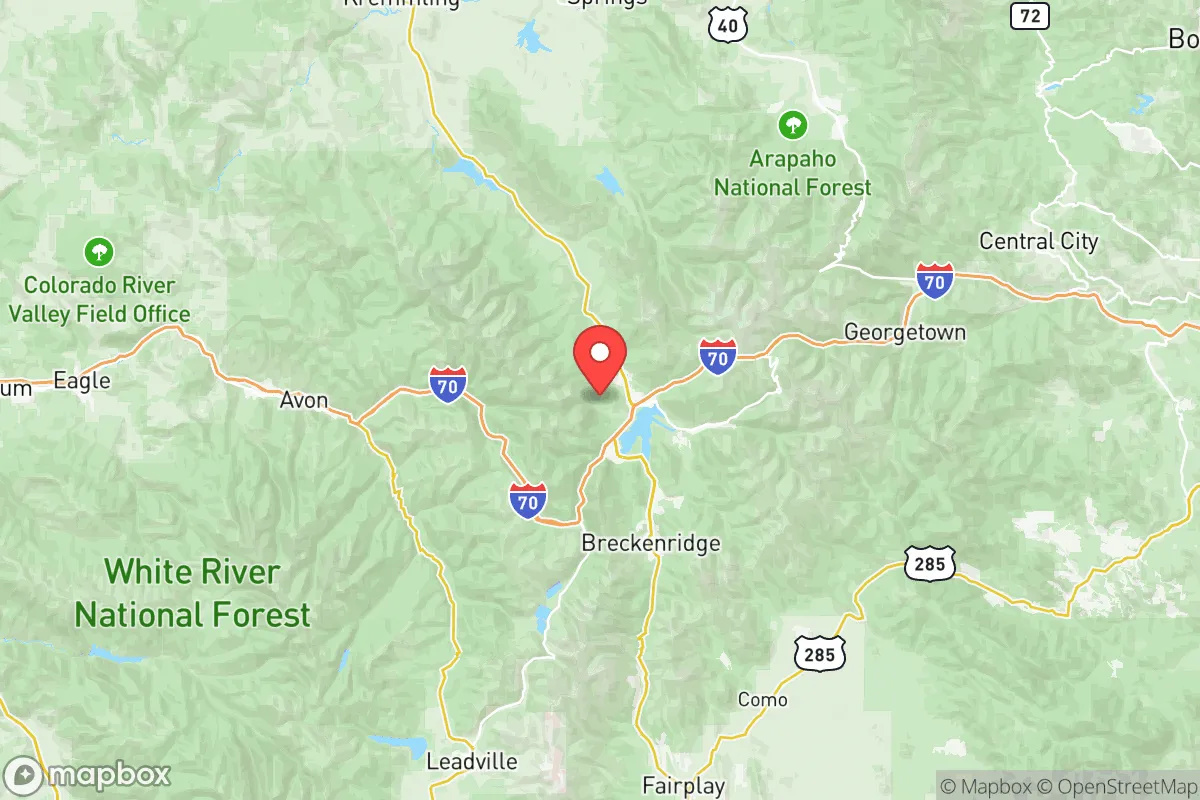
Photo: Wikipedia
Quality of Life in Summit County
A livable area that tracks near national norms for affordability, walkability, and neighborhood health.
What does Quality of Life tell us?
Quality of Life measures an area by evaluating factors like cost of living, nearby amenities, country club access, airport proximity, socioeconomic signals and neighborhood character. For large states, this is a general average — quality of life can vary dramatically between metro areas, suburbs, and rural communities within the same state.
What does this tell us?
Quality of Life measures an area by evaluating factors like cost of living, nearby amenities, country club access, airport proximity, socioeconomic signals and neighborhood character. For large states, this is a general average — quality of life can vary dramatically between metro areas, suburbs, and rural communities within the same state.
Cost of Living
116% above national average
58%
The Real Cost of Living in Summit County for 2026
| Tier | Individual | Family (4) |
|---|---|---|
| Survival | $30k | $56k |
| Comfortable | $125k | $183k |
| Luxury | $183k+ | $283k+ |
| Elite (Top 5%) | $215k+ | $333k+ |
Quality-of-Life Analysis
Summit County, Colorado, presents a spectrum of living environments that range from the resort-charged energy of Breckenridge to the quiet isolation of historic mining hamlets. The county attracts two broad groups: seasonal workers and second-home owners drawn to world-class skiing and summer festivals, and a smaller cohort of year-round residents seeking quieter, more affordable pockets away from the tourist corridor. This diversity in place and pace means quality of life varies significantly depending on whether one lands in a town, a lakeside community, or a rural subdivision.
Largest town(s) & population centers
Breckenridge is Summit County’s largest and most recognizable town, with roughly 5,000 year-round residents (swelling many times over with visitors). Daily life here orbits Peak 9 and the historic Main Street: retail, restaurants, the BreckConnect gondola, and an event calendar packed with the International Snow Sculpture Championships and Breckenridge Film Festival. Housing is dense and expensive, with condos and single-family homes commanding premiums for walk-to-lift access. Frisco, Silverthorne, and Dillon form a more residential cluster along Interstate 70 and the shores of Dillon Reservoir. Silverthorne offers the county’s largest shopping center (Outlets at Silverthorne) and more mid-range housing stock, while Frisco provides a balanced small-town feel with its Main Street marina and Frisco Adventure Park. Dillon’s lakefront setting attracts boaters and those who prefer quieter evenings. The average commute in the county is 21 minutes, reflecting that many workers live in these secondary towns and drive into Breckenridge or to ski resorts like Keystone and Copper Mountain.
Smaller towns & rural pockets
Beyond the I-70 corridor, Summit County contains distinct smaller communities. Blue River, just south of Breckenridge, functions as a low-density residential area of single-family homes on larger lots, appealing to families who want proximity to town without the crowds. Montezuma, a historic mining district high in a valley east of Keystone, has a year-round population counted in the dozens and feels genuinely remote, with dirt roads and limited services — a niche for off-grid oriented residents and backcountry skiers. Unincorporated areas such as Keystone (a resort village, not an incorporated town) offer a mix of condos, rental cabins, and seasonal employment at the ski area. The community of Heeney in the county’s northern reaches near the Green Mountain Reservoir provides very low-density ranch-style living, with few commercial amenities and long drives to grocery stores.
Cost & lifestyle range
The county’s overall cost-of-living index of 216 (more than double the U.S. average) masks meaningful internal variation. Breckenridge sits at the high end: median home value at $850,700 and median rent at $1,851 are floor figures, with many properties far exceeding those numbers. Luxury condos near the lifts frequently cross $1.5 million. In Silverthorne and Frisco, buyers find more moderate prices for homes in subdivisions like Wildernest (Silverthorne) or Peninsula (Frisco) and can rent two-bedroom condos for around $1,600–$1,800. Blue River and rural subdivisions near Heeney offer the lowest entry point for single-family homes on land, though commuting time to jobs and schools increases accordingly. Services and amenities scale with population: Breckenridge has a full-service hospital (St. Anthony Summit Medical Center), year-round transit, and diverse dining, while Montezuma has none of the above. The 21-minute average commute underscores that many residents choose more affordable outskirts and drive into the main hubs for work and errands.
Families and remote workers who thrive in Summit County either embrace the resort-town trade-offs (high costs, crowds, abundant recreation) or deliberately choose a quieter community like Blue River or Heeney and accept longer drives for supplies. The county offers no true low-cost option, but its spectrum of town scales and densities allows residents to calibrate their lifestyle between nonstop mountain-town buzz and off-grid solitude — as long as they can afford the premium on either end.

Crime in Summit County
Crime rates similar to the national median for U.S. locations.
Violent CrimeViolent Crime Analysis
Property CrimeProperty Crime Analysis
Crime Analysis
Summit County, Colorado, reports a violent crime rate of 427.5 incidents per 100,000 residents and a property crime rate of 2,175.8 per 100,000, both exceeding national averages. The county’s heavy reliance on tourism—especially in towns like Breckenridge, Silverthorne, and Dillon—means that transient populations and seasonal crowds significantly shape local safety dynamics. While many residential neighborhoods and gated resort communities remain calm, the data reveals a destination county where property crime, in particular, warrants careful consideration for anyone planning to relocate.
Crime in context
Summit County’s violent crime rate is roughly 12% higher than the national average (380.7 per 100K) and slightly above Colorado’s state average of approximately 410 per 100K. The property crime rate of 2,175.8 per 100K exceeds the U.S. median (around 1,958 per 100K) and is comparable to Colorado’s elevated statewide figure, which has been driven in part by auto theft and larceny in recreation-heavy counties. Within Colorado’s 5th Judicial District—which includes Summit, Clear Creek, and Lake counties—property crime has trended upward since 2020, a pattern that some local law enforcement officials attribute to a combination of seasonal visitor volume and what they describe as lenient charging policies by the district attorney’s office. The district attorney, elected on a reform platform, has prioritized diversion programs, which critics contend reduce deterrent effects and contribute to repeat property offenses in high-traffic areas like Breckenridge’s Main Street and Silverthorne’s shopping corridors.
What residents experience
Most Summit County residents live in relatively safe, walkable towns, but the type of crime they encounter is distinctly tied to the visitor economy. Theft from vehicles is the most common incident, particularly near Breckenridge Ski Resort, Keystone Resort, and the Dillon Amphitheater during peak season. Burglaries of short-term rental units are another recurring issue, as unoccupied vacation homes provide easy targets. Violent crime, while less frequent, clusters around late-night bar districts in Breckenridge and Frisco, and domestic violence calls account for a share of the county’s aggravated assault numbers. Residents often note that the most visible safety issue is the presence of transient individuals in Dillon’s town center and along the Blue River bike path. Some locals express concern that progressive judicial policies—specifically, a reduced use of pretrial detention and a focus on citation rather than arrest for low-level theft—leave repeat offenders free to target the same neighborhoods, eroding trust in the system’s ability to protect victims.
Neighborhood-level variation is significant in Summit County and should inform any relocation decision. Keystone and Copper Mountain resort villages report the fewest incidents, thanks to private security patrols and limited public access. Frisco, with its tight-knit community and active neighborhood watch, maintains below-average property crime relative to the county. Breckenridge, as the largest town and primary tourist hub, sees the highest absolute number of crimes—especially larceny and vehicle break-ins—and its historic core shows a concentration of incidents that spikes during winter holidays. Silverthorne’s commercial district, which includes outlet malls and highway-adjacent hotels, also generates elevated property crime reports. Prospective residents should seek subdivisions with restricted access, such as the Tenmile Range neighborhoods in Frisco or the gated enclaves near Keystone’s golf course, and verify local sheriff patrol density before committing to a purchase or long-term rental.
* Values derived from national, state, county, city and local statistics and may differ in a specific area. Last updated: 2026-06-24T23:01:55.000Z
Narrative content on this page is AI-generated and may contain mistakes. Verify any details that matter before acting on them.
ReloMaps may earn a commission from affiliate links at no extra cost to you.

