Photo: Wikipedia
Find The Best Places To Live
in Silverthorne
PRO TIP! You can paste a Zillow or Redfin link to get info on that property.
What It's Like Living in Silverthorne, CO
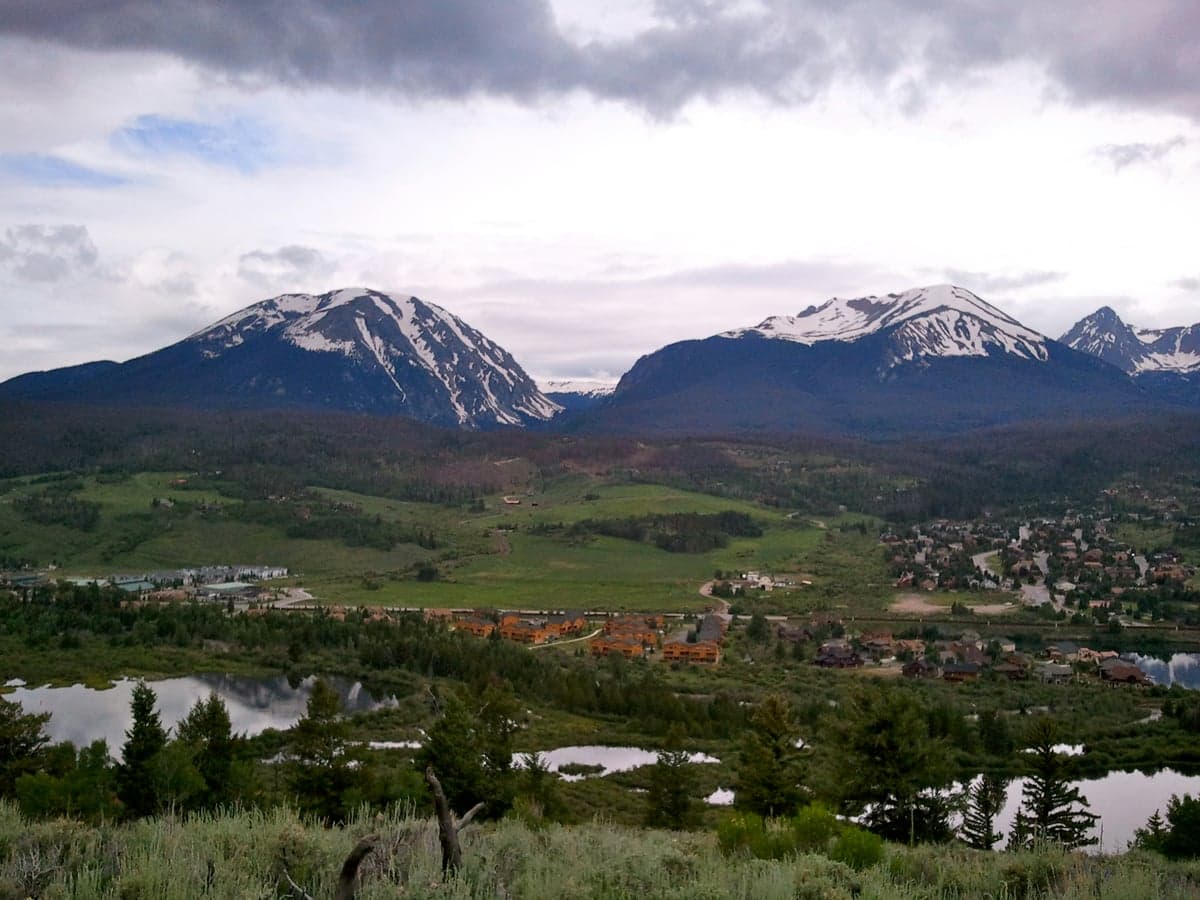
Silverthorne, Colorado, sits at 9,000 feet on the Blue River, a town that feels less like a resort destination and more like the place where the people who run the resorts actually live. It’s a working mountain town with a grocery store, a solid brewery, and a surprising number of families who’ve figured out how to make the high-altitude life work year-round. The vibe is practical, outdoorsy, and a little bit stubborn — the kind of place where you’re more likely to be judged by your ski wax than your car.
The Daily Rhythm at 9,000 Feet
Most mornings in Silverthorne start early, partly because the sun hits hard at this elevation and partly because there’s usually a reason to be outside before the afternoon winds kick up. The town’s median age of 47.2 skews older than the typical ski-bum town, which reflects a population that’s either settled here long-term or moved in mid-career with remote work in hand. With a median household income of $114,185, Silverthorne isn’t cheap, but it’s noticeably more affordable than Breckenridge or Vail just over the pass. People shop at the City Market on Blue River Parkway, grab coffee at the Mountain Lyon Cafe, and spend weekends on the Blue River Trail or the paved bike path that connects to Frisco and Dillon. The average commute of just over 21 minutes is short by Front Range standards, but it can feel longer in winter when I-70 slows to a crawl during ski traffic.
The cost of living index sits at 191, nearly double the national average, and that’s the trade-off for living in a place where the air is thin and the views are wide. Rentals are scarce, and the median home value of $691,300 puts homeownership out of reach for many service workers. The people who thrive here tend to be financially comfortable, physically active, and comfortable with a slower pace of life during the off-seasons.
Sports, Ski Culture, and the Local Hangouts
Silverthorne doesn’t have its own high school — students attend Summit High School in Frisco — so Friday night football isn’t a town ritual the way it is in rural Colorado. Instead, the community rallies around winter sports. The Silverthorne Recreation Center is a genuine hub, with a lap pool, ice rink, and youth sports leagues that keep families busy year-round. The Outlets at Silverthorne draw shoppers from across the county, but locals know the real action is at Bakers’ Brewery on Blue River Parkway, where the nachos are reliable and the beer list rotates with the seasons. For a town of 4,657 people, there’s a surprising number of places to grab a drink after a ski day — Damon’s Grill for the wings, Tavern West for the patio, and Blue Moon Bakery for the morning-after cinnamon rolls.
Pro sports loyalties lean toward the Denver Broncos and Colorado Avalanche, but the real obsession is with the mountains themselves. Locals track snowpack the way farmers track rainfall, and a bad winter means more than just bad skiing — it affects tourism, construction, and the entire local economy.
What There Is to Do (and What Frustrates People)
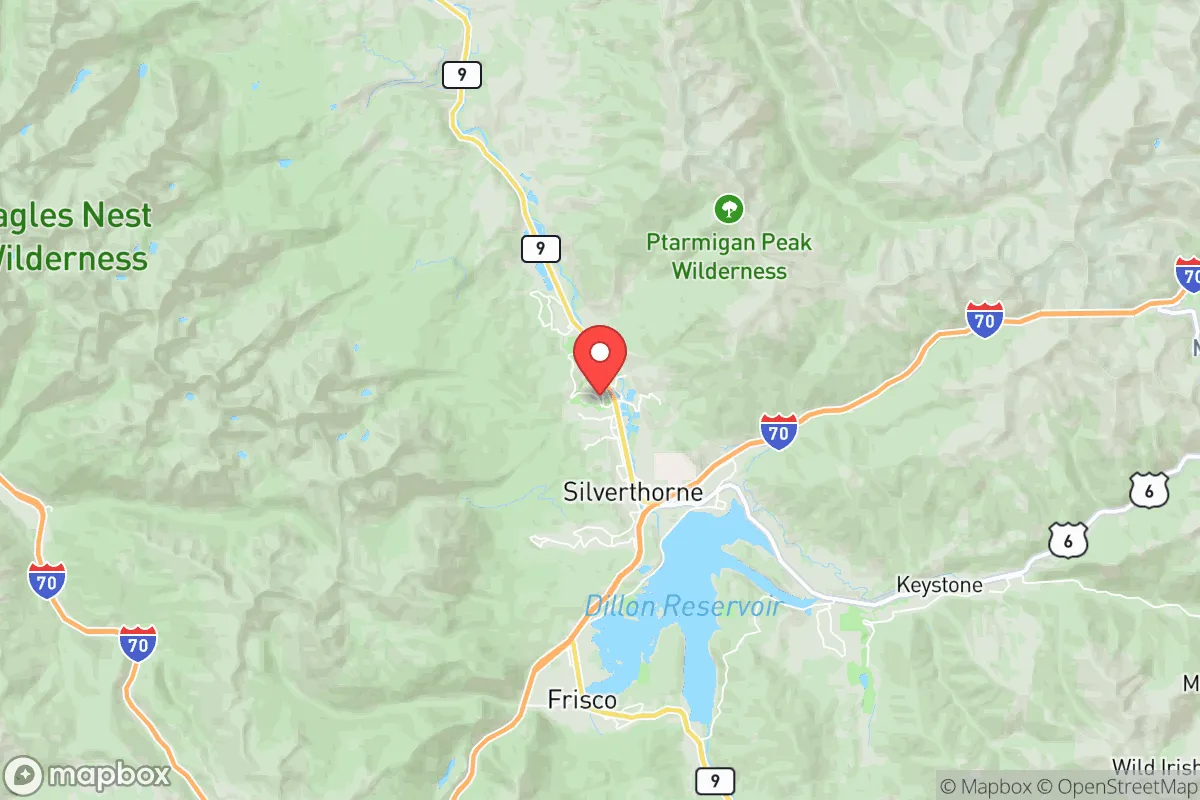
The biggest draw is the outdoor access. The Blue River runs right through town, offering fishing and tubing in summer. The Gore Range Trail starts just north of town, and the Dillon Reservoir is a ten-minute drive for paddleboarding and sailing. Winter means Keystone and Breckenridge are both within 15 minutes, and Copper Mountain is just up the pass. The Silverthorne Performing Arts Center hosts concerts and theater, but the town’s entertainment scene is low-key — think bluegrass nights and art walks, not nightclubs.
Longtime residents love the quiet and the community feel, but they’ll also tell you about the frustrations. I-70 traffic is the number one complaint, especially on winter weekends when the interstate backs up from the Eisenhower Tunnel to the Silverthorne exit. The violent crime rate of 110.5 per 100,000 is low in absolute terms but slightly above the Colorado average, and property crime — mostly theft from cars at trailheads — is a recurring annoyance. The 48.5% college-educated population means the town has a literate, engaged citizenry, but it also means housing competition is fierce and the service industry workforce often commutes from more affordable towns like Leadville or Kremmling.
Who Fits In and Who Doesn’t
Silverthorne works best for people who value access to the outdoors over urban amenities and who have the financial flexibility to absorb the high cost of living. It’s a good fit for remote workers, second-home owners, and families who want their kids to grow up skiing and biking rather than scrolling. It’s a harder fit for young renters trying to make it on service wages, or for anyone who expects a lively nightlife scene. The town has a slightly conservative bent compared to Breckenridge or Boulder, with a practical, live-and-let-live attitude that appeals to people who just want to be left alone to enjoy the mountains. The seasonal rhythm is real — summer and winter bring crowds and energy, while spring and fall are quiet, muddy, and introspective. That’s not a bug; it’s the feature that keeps Silverthorne from feeling like a theme park.

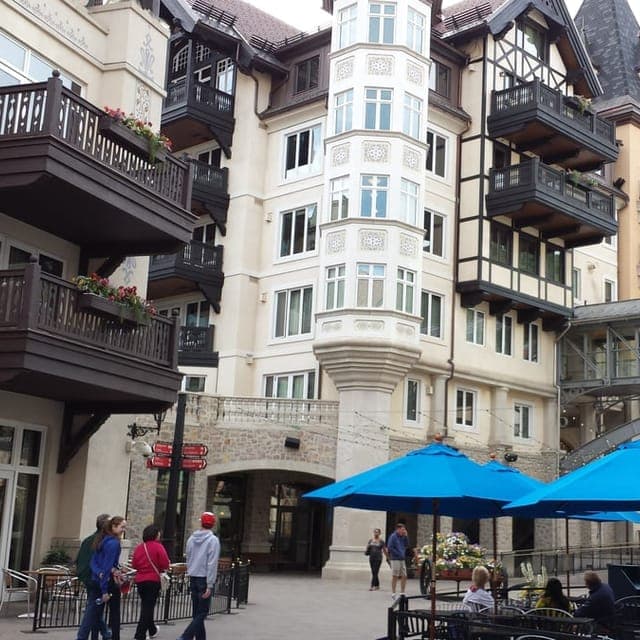
Similar small towns to Silverthorne
* Values derived from national, state, county, city and local statistics and may differ in a specific area. Last updated: 2026-08-03T16:05:47.000Z
Narrative content on this page is AI-generated and may contain mistakes. Verify any details that matter before acting on them.
ReloMaps may earn a commission from affiliate links at no extra cost to you.

