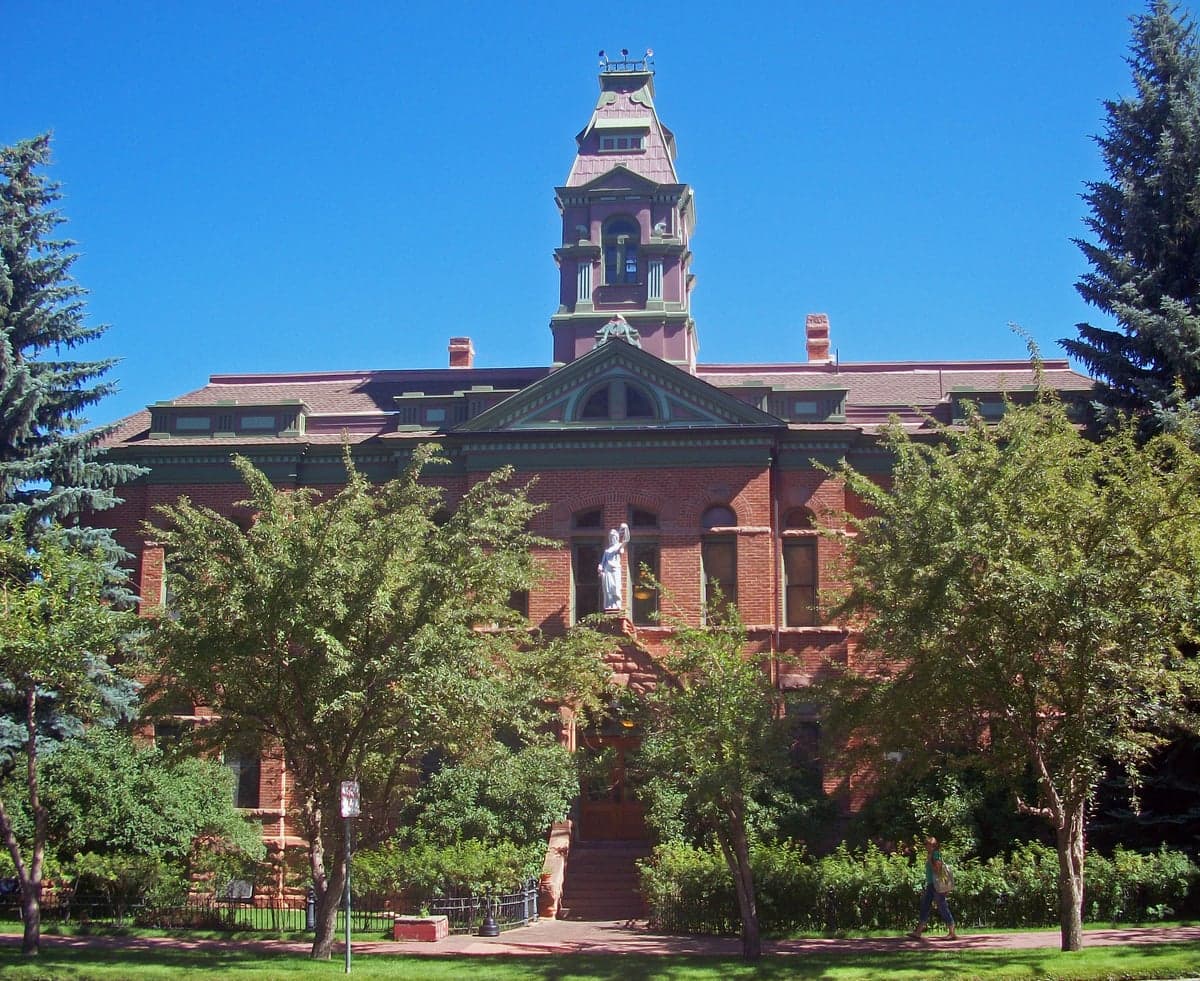
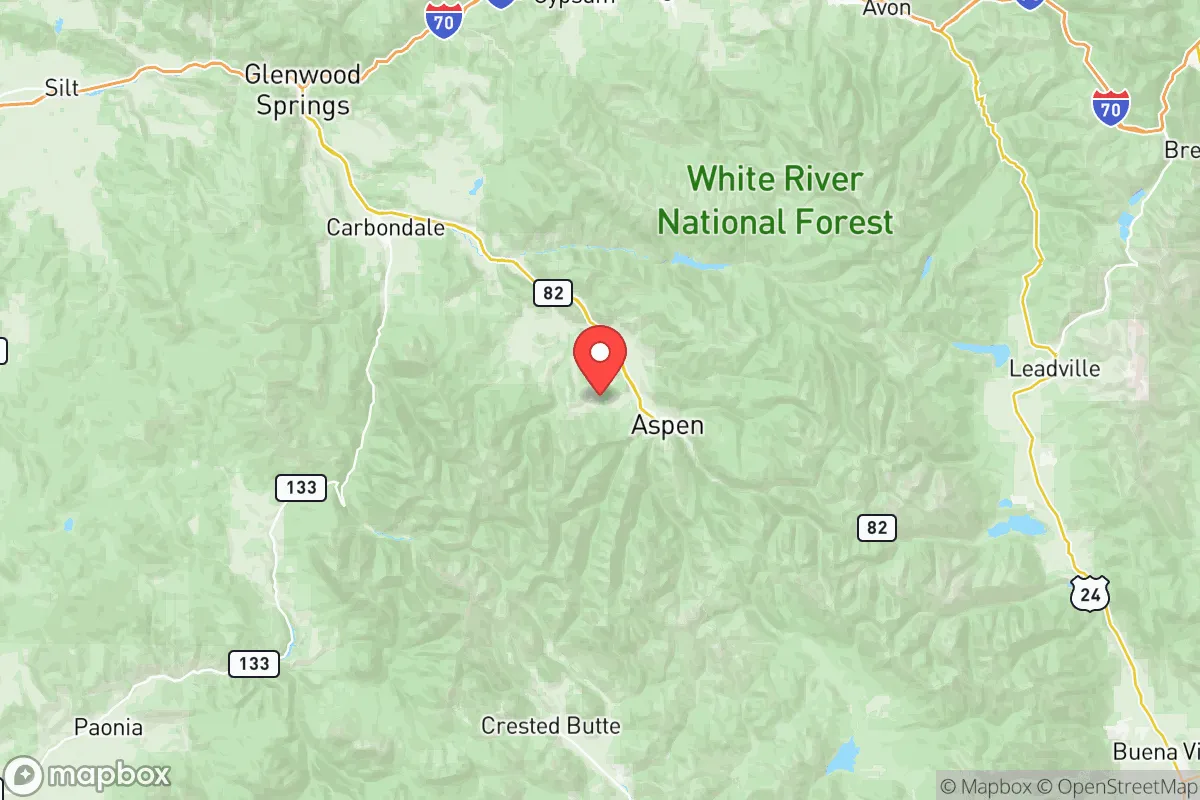
Photo: Wikipedia
Quality of Life in Pitkin County
A livable area that tracks near national norms for affordability, walkability, and neighborhood health.
What does Quality of Life tell us?
Quality of Life measures an area by evaluating factors like cost of living, nearby amenities, country club access, airport proximity, socioeconomic signals and neighborhood character. For large states, this is a general average — quality of life can vary dramatically between metro areas, suburbs, and rural communities within the same state.
What does this tell us?
Quality of Life measures an area by evaluating factors like cost of living, nearby amenities, country club access, airport proximity, socioeconomic signals and neighborhood character. For large states, this is a general average — quality of life can vary dramatically between metro areas, suburbs, and rural communities within the same state.
Cost of Living
158% above national average
31%
The Real Cost of Living in Pitkin County for 2026
| Tier | Individual | Family (4) |
|---|---|---|
| Survival | $30k | $56k |
| Comfortable | $220k | $323k |
| Luxury | $230k+ | $356k+ |
| Elite (Top 5%) | $422k+ | $654k+ |
Quality-of-Life Analysis
Pitkin County, Colorado, offers one of the most dramatic quality-of-life spectrums in the Rocky Mountain region, anchored by the world-renowned resort of Aspen and extending to remote, off-grid homesteads in the upper Roaring Fork Valley. The county draws a distinct mix of residents: ultra-high-net-worth individuals and second-home owners who gravitate toward the luxury amenities of Aspen and Snowmass Village, alongside a workforce of service-industry employees, artists, and outdoor enthusiasts who live in more affordable pockets like Basalt and unincorporated areas such as Woody Creek and Old Snowmass. With a cost-of-living index of 258 (more than 2.5 times the national average) and a median home value of $1,131,200, the county is among the most expensive in the United States, yet it also contains enclaves where year-round residents find relative affordability through long-term rentals or shared housing.
Largest town(s) & population centers
Aspen is the county seat and by far its largest population center, with roughly 7,000 year-round residents. Daily life here is defined by a high concentration of luxury retail, fine dining, and world-class skiing at Aspen Mountain, but also by acute housing scarcity: the median rent of $1,880 understates the reality, as many one-bedroom apartments lease for $3,000–$5,000 per month. Snowmass Village, about 9 miles west of Aspen, is a smaller, family-oriented resort community with roughly 2,800 residents. It offers a slightly less frenetic pace than downtown Aspen, with direct ski-in/ski-out access at Snowmass Ski Area and a greater share of employee housing. Both towns share the county's average commute of roughly 20 minutes, a short duration made possible by the Roaring Fork Transportation Authority (RFTA) bus system, which is one of the most heavily used rural transit networks in the nation.
Smaller towns & rural pockets
Basalt, straddling the Pitkin-Eagle county line at the confluence of the Roaring Fork and Fryingpan Rivers, is the county's most accessible "affordable" town, with a year-round population around 4,000. It functions as a bedroom community for workers commuting to Aspen and Snowmass, and its midvalley location provides slightly lower home prices and a more laid-back, river-oriented lifestyle. Woody Creek, a unincorporated hamlet 6 miles northwest of Aspen, is known for its ranching history, the Woody Creek Tavern, and a mix of modest cabins and large riverfront estates. Old Snowmass, located between Aspen and Snowmass Village, consists primarily of large-lot residential properties and working ranches, offering seclusion within a 15-minute drive of downtown Aspen. Further up the Fryingpan River Valley, communities like Meredith and Ruedi are sparsely populated, with many off-grid cabins and limited services, attracting those who prioritize solitude and backcountry access over convenience.
Cost & lifestyle range
The cost-of-living spread across Pitkin County is extreme. At the high end, Aspen's West End and Red Mountain neighborhoods feature multimillion-dollar estates with median sale prices exceeding $5 million, while Snowmass Village's Divide and Woodrun areas offer ski-access condos starting around $800,000. At the lower end, Basalt's midvalley location provides the county's most attainable home prices — typically $600,000 to $900,000 for a single-family home — though even these figures are well above national medians. Renters face a tight market: the countywide median rent of $1,880 often applies to older units or shared housing, while a one-bedroom apartment in Aspen frequently exceeds $2,500. Lifestyle options vary accordingly: Aspen residents enjoy walkable access to cultural institutions like the Aspen Art Museum and the Wheeler Opera House, while Basalt and Woody Creek residents prioritize river recreation, mountain biking, and a quieter social scene. The average commute of 20 minutes is a significant advantage, allowing residents in lower-cost areas to reach Aspen's jobs and amenities without the long drives common in other mountain resort counties.
Pitkin County is best suited for individuals and families who have either substantial financial resources or a high tolerance for housing trade-offs — such as living in a shared rental, a deed-restricted unit, or a remote cabin — in exchange for unparalleled outdoor recreation and a vibrant mountain culture. Those who thrive here are typically deeply committed to skiing, biking, fishing, and hiking, and they accept the county's high costs and limited housing inventory as the price of living in one of the most spectacular alpine environments in North America.

Crime in Pitkin County
Crime rates similar to the national median for U.S. locations.
Violent CrimeViolent Crime Analysis
Property CrimeProperty Crime Analysis
Crime Analysis
Pitkin County, home to the renowned ski resort town of Aspen, presents a complex safety picture that diverges sharply from Colorado’s statewide averages. While the county is perceived as an exclusive, low-crime enclave, its reported violent crime rate of 427.5 incidents per 100,000 residents is significantly higher than the national average, a statistic that often surprises prospective residents and visitors. Property crime, at 2,175.8 per 100,000, also exceeds national benchmarks, driven largely by the transient tourist economy and high-value targets in affluent neighborhoods.
Crime in context
When compared to Colorado’s statewide violent crime rate of roughly 370 per 100,000, Pitkin County’s rate of 427.5 is notably elevated. This places the county in a higher-risk tier than many of its rural neighbors, though it remains below the rates seen in Colorado’s major urban centers like Denver and Aurora. The property crime rate of 2,175.8 per 100,000 is also above the national average of approximately 1,950, reflecting the opportunistic theft and burglary that plague resort communities. The 9th Judicial District, which covers Pitkin and Garfield counties, has faced criticism for a lenient approach to property and drug-related offenses, a progressive prosecutorial philosophy that critics argue emboldens repeat offenders and undermines public safety. This judicial environment, combined with a transient workforce and high volume of seasonal visitors, creates conditions where criminals face minimal consequences for theft and trespassing, directly impacting the quality of life for full-time residents.
What residents experience
For those living in Pitkin County, the statistical risk translates into a tangible awareness of theft and property crime. The town of Aspen sees the highest concentration of incidents, particularly larceny from vehicles and retail theft, driven by the dense tourist foot traffic and high-end merchandise. The unincorporated areas of Snowmass Village and Woody Creek experience lower violent crime rates but remain vulnerable to residential burglaries, especially during the off-season when homes sit vacant. Violent crime, while less frequent, is often concentrated in the service-industry corridors of Aspen and the mid-valley area around Basalt, where alcohol-fueled altercations and domestic disputes are more common. The progressive policies of the local district attorney’s office, which prioritize diversion programs and reduced sentencing for non-violent offenders, have been cited by law enforcement as a factor in repeat property crime, as offenders cycle through the system with little deterrent effect. This creates a frustrating dynamic for residents who invest heavily in security systems and private patrols, particularly in high-value neighborhoods like Red Mountain and Starwood.
Neighborhood-level variation in Pitkin County is pronounced, largely correlating with property values and seasonal occupancy. The exclusive enclaves of Old Snowmass and Lenado report very low violent crime but remain prime targets for organized burglary rings that target luxury homes. In contrast, the more densely populated areas of Aspen’s West End and the downtown core see higher rates of theft and public intoxication. The town of Carbondale, while technically in Garfield County, serves as a bedroom community for many Pitkin County workers and experiences spillover crime from the Aspen area. Prospective residents should weigh the statistical risks against the reality that most violent crime is non-random, while property crime is a persistent, everyday nuisance that demands proactive prevention. The combination of high property values, a revolving door of seasonal workers, and a justice system that prioritizes rehabilitation over incarceration makes Pitkin County a place where personal vigilance and private security are not luxuries but necessities for protecting one’s home and belongings.
* Values derived from national, state, county, city and local statistics and may differ in a specific area. Last updated: 2026-06-21T12:47:17.000Z
Narrative content on this page is AI-generated and may contain mistakes. Verify any details that matter before acting on them.
ReloMaps may earn a commission from affiliate links at no extra cost to you.

