Photo: Wikipedia
Find The Best Places To Live in Pitkin County
PRO TIP! You can paste a Zillow or Redfin link to get info on that property.
Best Places to Live in Pitkin County
Cities & Towns in Pitkin County
Cities in Pitkin County
What It's Like Living in Pitkin County, CO
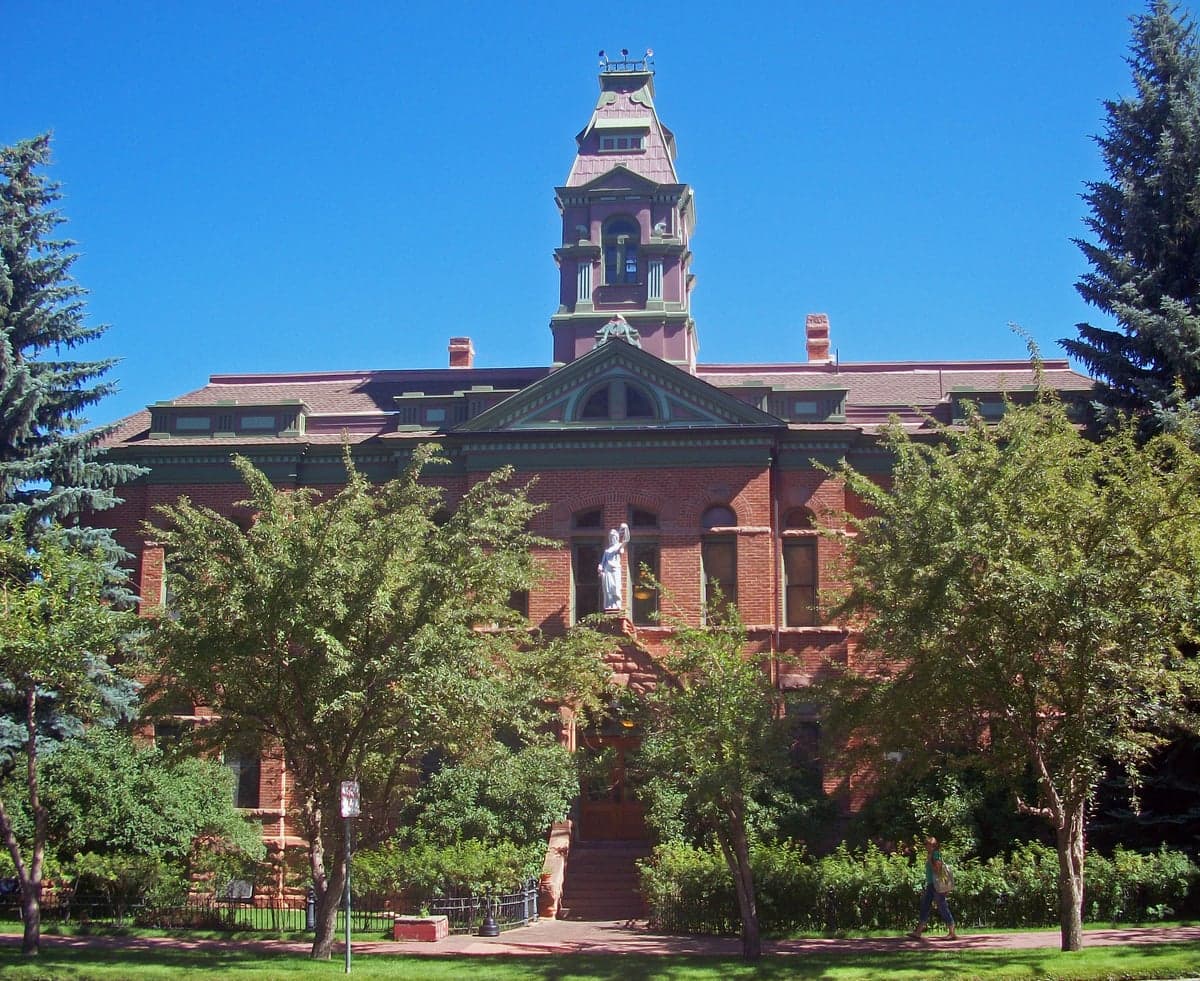
Living in Pitkin County means trading strip-mall convenience for a life where the daily backdrop is the Elk Mountains and the Roaring Fork River, and where the median home value of $1.13 million tells you exactly who can afford to stay. This is the home of Aspen, Snowmass Village, and the quieter, more affordable (relatively speaking) towns of Basalt and Woody Creek, a place where the median age of 47.3 reflects a population that either made their money elsewhere or inherited a piece of the dream decades ago. It’s a county of stark contrasts: billionaires in puffy vests and ski instructors living in employee housing, all sharing the same bus line and the same world-class powder.
The Daily Rhythm: Ski Bums, Second Homes, and the Commute Reality
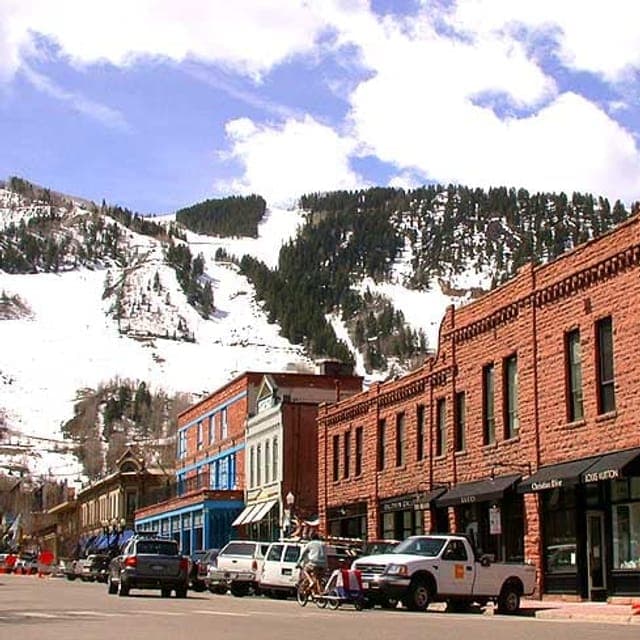
Daily life in Pitkin County is dictated by the seasons and the altitude. In winter, the rhythm is set by first chair at Aspen Mountain or Snowmass, with the average commute of just over 20 minutes feeling like a luxury compared to Front Range sprawl. Most people who work in Aspen proper live in Basalt, Carbondale (just over the county line), or in the limited employee housing complexes, riding the free RFTA bus system—a lifeline that locals swear by and visitors find bewilderingly efficient. Summer flips the script: the ski crowd swaps for hikers and fly fishermen, and the streets of Aspen fill with classical music fans for the Aspen Music Festival. Shopping is split between the high-end boutiques on Cooper Avenue in Aspen and the more practical City Market in Basalt; you won’t find a Walmart anywhere in the county. Weekends are for trail running on the Rio Grande Trail, floating the Roaring Fork, or grabbing a burger at the Woody Creek Tavern, a legendary dive that feels like the anti-Aspen.
Who Fits In: The Affluence Spectrum and the Work Ethic
The kind of person who thrives here is either independently wealthy or deeply committed to the service-industry grind that keeps the resort economy humming. With a median household income of $100,318, the numbers look healthy, but that figure is pulled upward by a thin layer of extreme wealth; the reality for many is a constant hustle of two or three jobs during peak season. The 64% college-educated rate reflects the professional class of real estate agents, wealth managers, and medical professionals who serve the ultra-rich, but the county also has a strong blue-collar backbone of carpenters, lift operators, and river guides. Families find a tight-knit, if expensive, community in Basalt, where the schools are strong and the youth sports scene revolves around skiing and soccer. Single people in their 20s and 30s tend to cluster in the employee housing pods, bonding over shared roommates and a love for the outdoors that outweighs the financial strain.
Sports, Festivals, and the Aspen Identity
Sports in Pitkin County are less about Friday-night football and more about the X Games, which descend on Aspen every January and turn the town into a spectacle of halfpipes and celebrity sightings. High school sports exist—Basalt High School has a competitive football and basketball program—but the real athletic identity is alpine. The Aspen Skiing Company is the dominant employer, and the four mountains (Aspen, Snowmass, Buttermilk, and Highlands) are the center of gravity. For entertainment, the Belly Up Aspen is the go-to music venue, pulling national acts into an intimate space, while the Wheeler Opera House offers a more refined calendar of concerts and films. The Food & Wine Classic in June is the summer equivalent of the X Games, drawing food-obsessed crowds and turning the pedestrian mall into a tasting room. Locals either embrace these festivals as a chance to make money or flee to Woody Creek to avoid the crowds.
Pros and Cons of Living in Pitkin County
No place is perfect, and Pitkin County has its own set of trade-offs that anyone considering a move should weigh carefully.
- Pro: Unmatched outdoor access. You can ski in the morning and mountain bike in the afternoon, all within a 20-minute drive. The wilderness is literally your backyard.
- Con: The cost of living index of 258. That’s more than double the national average. A modest three-bedroom home in Basalt will run you over a million dollars, and renting a one-bedroom apartment in Aspen can easily hit $3,000 a month.
- Pro: A genuine community feel in the smaller towns. Basalt and Woody Creek have a neighborly, small-town vibe that Aspen lost decades ago. People know each other, and the local dive bars are full of familiar faces.
- Con: The violent crime rate of 427.5 per 100,000. This number is skewed by property crime and incidents tied to the transient resort population, but it’s higher than the national average and worth paying attention to, especially in the more tourist-heavy areas of Aspen.
- Pro: No chain-store blight. You won’t find a Target or a Home Depot in the county. The local hardware stores and grocers give the place a distinct, independent character.
- Con: The seasonal rhythm can be exhausting. The “shoulder seasons” of late spring and late fall are quiet and beautiful, but the constant influx of tourists during peak winter and summer can wear on residents who just want to get a table at a restaurant without a reservation.
Ultimately, living in Pitkin County is a choice to prioritize lifestyle over financial ease. The people who stay are the ones who have figured out how to make the math work—or who have enough money that the math doesn’t matter. It’s a beautiful, demanding, and deeply rewarding place to call home, as long as you know what you’re signing up for.

* Values derived from national, state, county, city and local statistics and may differ in a specific area. Last updated: 2026-06-21T12:47:17.000Z
Narrative content on this page is AI-generated and may contain mistakes. Verify any details that matter before acting on them.
ReloMaps may earn a commission from affiliate links at no extra cost to you.

