Photo: Wikipedia
Demographics of Pitkin County
Affluence Level in Pitkin County
A wealthy area with high-earning, well-educated households. Incomes, home values, and educational attainment meaningfully outpace national averages.
People of Pitkin County
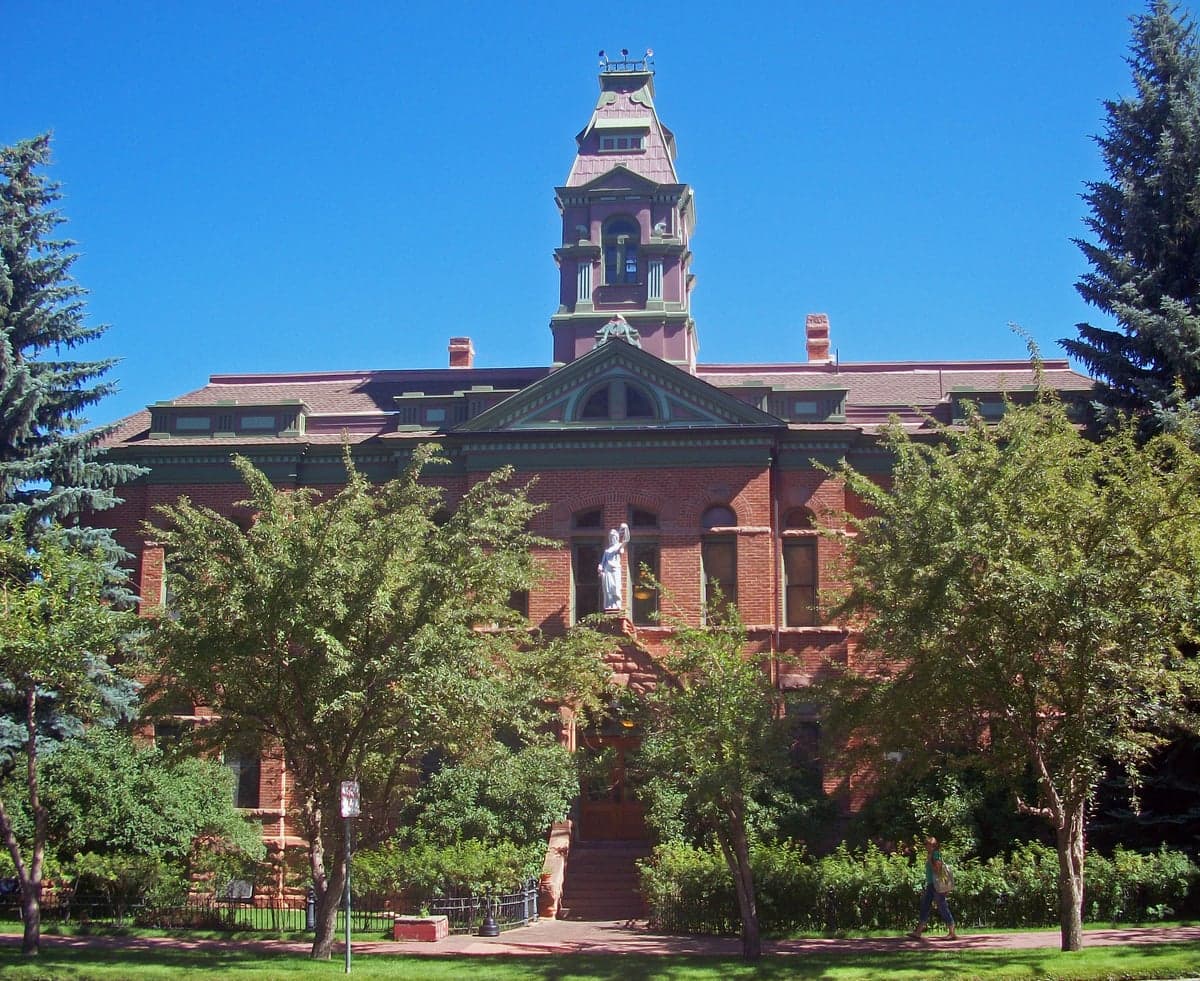
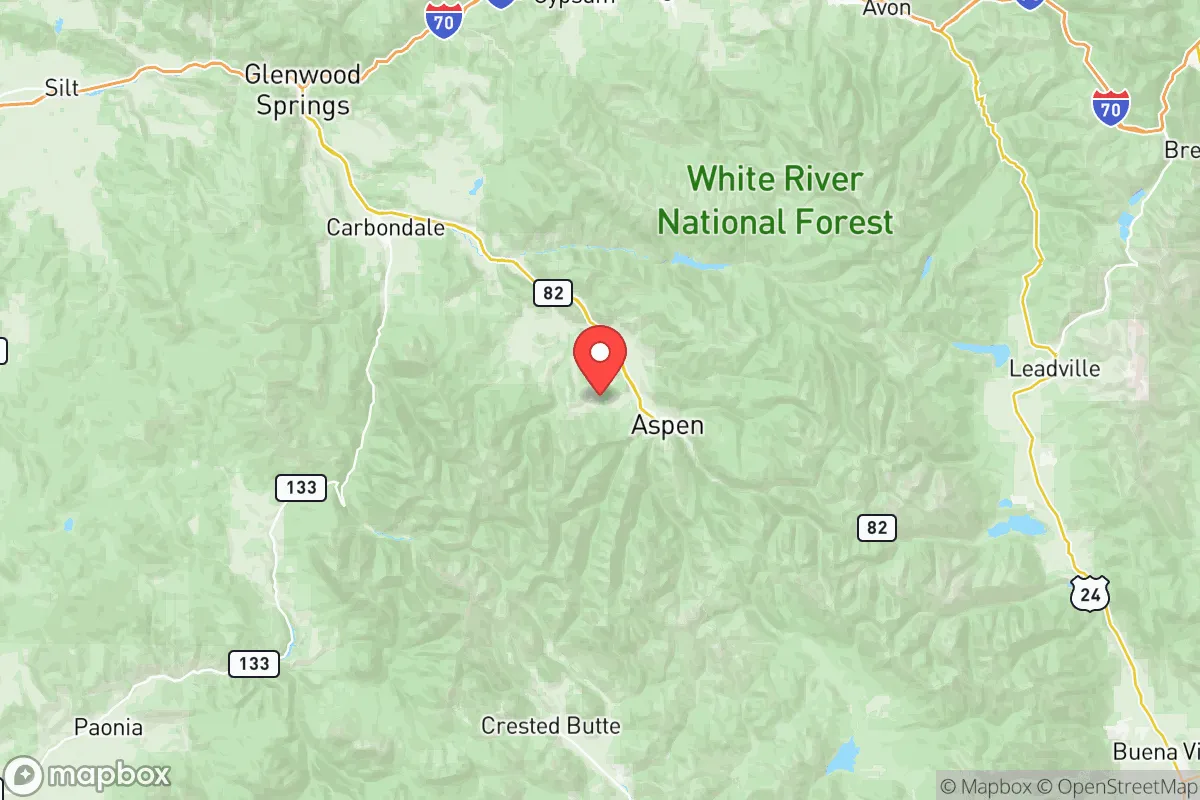
Pitkin County, Colorado, is home to 17,119 residents, a population defined by its extreme wealth, high education levels, and a distinctive blend of outdoor recreation culture and second-home transience. With 64.0% of adults holding a college degree and a median household income far exceeding the national average, the county is one of the most educated and affluent in the state, yet it remains overwhelmingly white (80.5%) with a notable Hispanic minority (11.1%). The population is concentrated in the resort towns of Aspen, Snowmass Village, and the smaller communities of Basalt and Carbondale, creating a demographic profile that is both globally connected and locally insular.
Settlement & growth (pre-1960)
The Ute people, specifically the Ute bands of the Tabeguache and Uncompahgre, were the original inhabitants of the Roaring Fork Valley for centuries before European contact. They used the high mountain valleys as summer hunting grounds, following game through what is now the Aspen area and the upper reaches of the Crystal River. Spanish exploration parties passed through the region in the late 1700s, but no permanent settlements were established by Spain or Mexico. The Utes were forcibly removed to reservations in Utah following the Brunot Agreement of 1873, which opened the area to American mining prospectors.
The first major wave of American settlement came with the Colorado Silver Boom of 1879-1893. Prospectors and miners, predominantly of Cornish, Irish, and German descent, flooded into the valley after rich silver deposits were discovered near what became Aspen. The town of Aspen was founded in 1879 and quickly grew to over 12,000 residents by the early 1890s, making it one of the largest silver camps in the world. The mining boom also established smaller settlements like Ashcroft (founded 1880) and Independence (founded 1879), both of which boomed briefly before declining. The collapse of the silver market in 1893 devastated the local economy, and Aspen's population plummeted to under 1,000 by the 1930s. The county's population remained sparse and predominantly white, with a small number of Hispanic laborers working in the remaining mines and on ranches in the lower valley around Basalt and Carbondale.
From the 1930s through the 1950s, Pitkin County entered a long period of economic stagnation and population decline. The few remaining residents were largely descendants of the original mining families, supplemented by a small number of ranchers and railroad workers. The county's population bottomed out at around 1,000 in the 1940s, with the only significant activity being the establishment of the Maroon Bells-Snowmass Wilderness area in 1964, which signaled a shift from extraction to recreation. No major new immigrant groups arrived during this period, and the county remained overwhelmingly native-born white.
Modern era (post-1965)
The post-1965 transformation of Pitkin County was driven not by immigration but by domestic migration and the rise of the ski industry. The 1965 Hart-Cellar Act had little direct effect on the county's demographics, as the area attracted almost no foreign-born residents until the late 1990s. Instead, the key event was the development of Aspen Mountain (Ajax) and the opening of Aspen Highlands (1958), Buttermilk (1958), and Snowmass (1967). These resorts drew wealthy skiers from the East Coast, California, and Texas, many of whom purchased second homes and eventually relocated permanently. The population grew from 1,000 in 1960 to 6,185 by 1970, then to 12,000 by 1990, driven almost entirely by affluent white domestic migrants.
The 1980s and 1990s saw the emergence of a significant Hispanic workforce, primarily from Mexico, drawn by construction and service jobs in the booming resort economy. This population concentrated in the lower-cost areas of Carbondale and Basalt, as well as in the mobile home parks and affordable housing pockets of Aspen itself. By 2000, the Hispanic share of the county had risen to 8.5%, and by 2020 it had reached 11.1%. However, the county's overall foreign-born population remains low at just 5.8%, reflecting the high cost of living and restrictive housing market that limits immigration from abroad. The East/Southeast Asian population (2.3%) is small and concentrated in Aspen's professional and hospitality sectors, while the Black population (0.4%) and Indian subcontinent population (0.0%) are negligible.
The modern era has also been marked by extreme suburbanization of wealth. The town of Snowmass Village was incorporated in 1977 as a planned resort community, while Aspen itself has become one of the most expensive real estate markets in the United States. The county's population is now characterized by a stark divide: a wealthy, highly educated, predominantly white permanent and second-home population, and a lower-income Hispanic service workforce that commutes from the more affordable Roaring Fork Valley communities downstream.
The future
Pitkin County's population is projected to remain stable or grow slowly, constrained by geography, environmental regulations, and extreme housing costs. The county's total population has hovered around 17,000-18,000 since 2010, and future growth is likely to be limited to infill development and the expansion of affordable housing projects in Basalt and Carbondale. The Hispanic share of the population is expected to continue rising slowly as the service economy demands more labor, but the county's restrictive zoning and high land prices will prevent the formation of large ethnic enclaves. The white, college-educated population will likely remain dominant, with the county becoming even more economically stratified between wealthy homeowners and a transient workforce.
The cultural identity of Pitkin County is evolving from a pure ski-resort monoculture toward a more year-round outdoor recreation and wellness destination. This shift may attract a slightly more diverse domestic migrant pool, including remote workers from coastal cities, but the county's demographic profile will remain one of the least diverse in Colorado. The next 10-20 years will likely see continued pressure on affordable housing, a gradual increase in the Hispanic population, and a persistent lack of racial diversity outside of the white majority.
For someone moving in now, Pitkin County offers a community that is affluent, educated, and deeply connected to the outdoors, but also one that is economically exclusive and racially homogeneous. The county is becoming a place where wealth and lifestyle access define social standing more than ethnic or cultural background, and where the service workforce lives increasingly outside the county's borders. New residents should expect a high cost of living, a politically progressive but socially insular environment, and a population that is stable in size but constantly shifting in its composition of permanent versus seasonal residents.

* Values derived from national, state, county, city and local statistics and may differ in a specific area. Last updated: 2026-06-21T12:47:17.000Z
Narrative content on this page is AI-generated and may contain mistakes. Verify any details that matter before acting on them.
ReloMaps may earn a commission from affiliate links at no extra cost to you.

