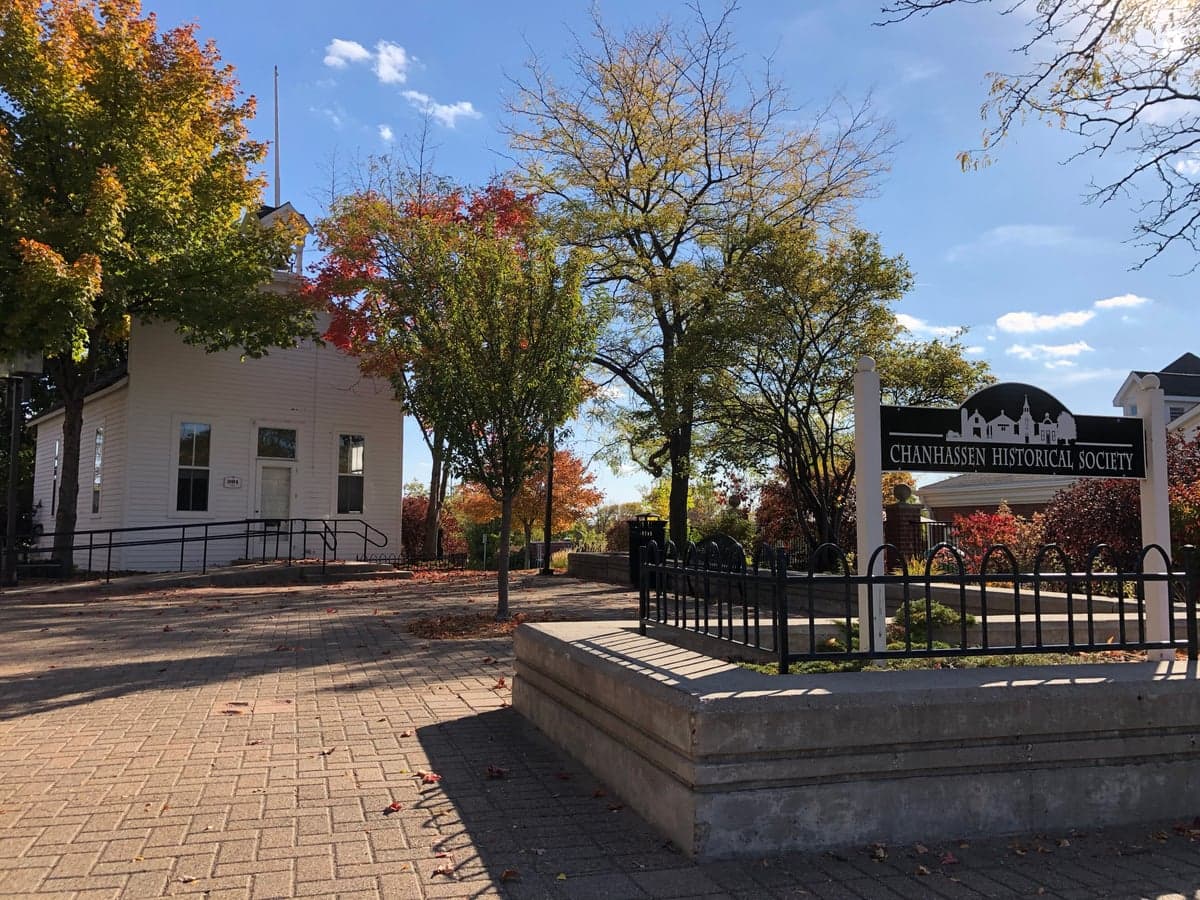
Photo: Wikipedia
Quality of Life in Chanhassen, MN
Above-average quality of iife. The area offers a reasonable cost of living, decent mobility, and a mix of neighborhood amenities.
What does Quality of Life tell us?
Quality of Life blends cost of living, nearby amenities, socioeconomic signals, and neighborhood character. City-level scores represent the whole municipality; individual neighborhoods can differ.
What does this tell us?
Quality of Life blends cost of living, nearby amenities, socioeconomic signals, and neighborhood character. City-level scores represent the whole municipality; individual neighborhoods can differ.
Cost of Living
66% above national average
The Real Cost of Living in Chanhassen, MN for 2026
| Tier | Individual | Family (4) |
|---|---|---|
| Survival | $28k | $52k |
| Comfortable | $103k | $152k |
| Luxury | $249k+ | $386k+ |
| Elite (Top 5%) | $300k+ | $464k+ |
91%
The Area Signal
A metric tracking the socioeconomic signals of the area.
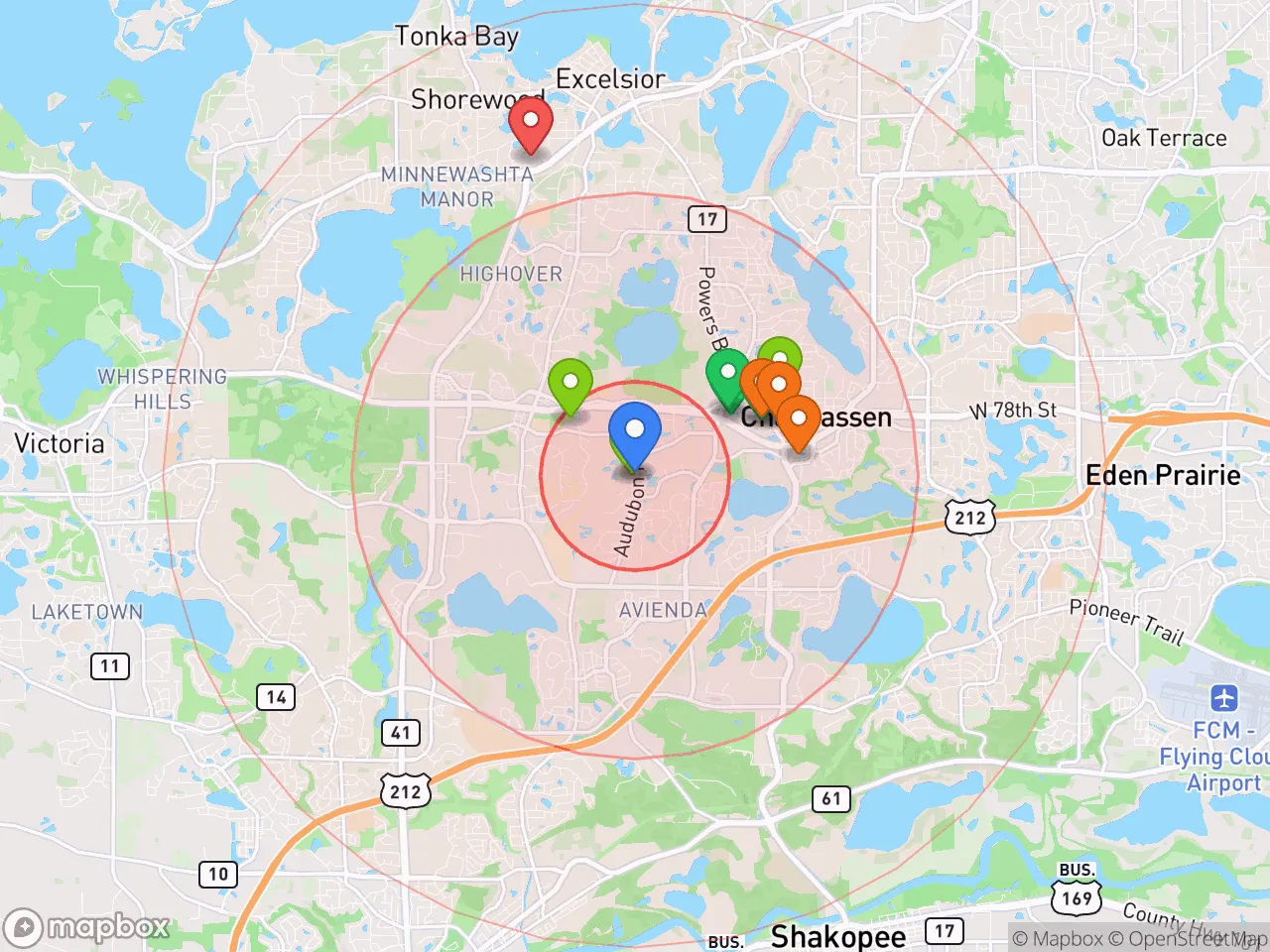
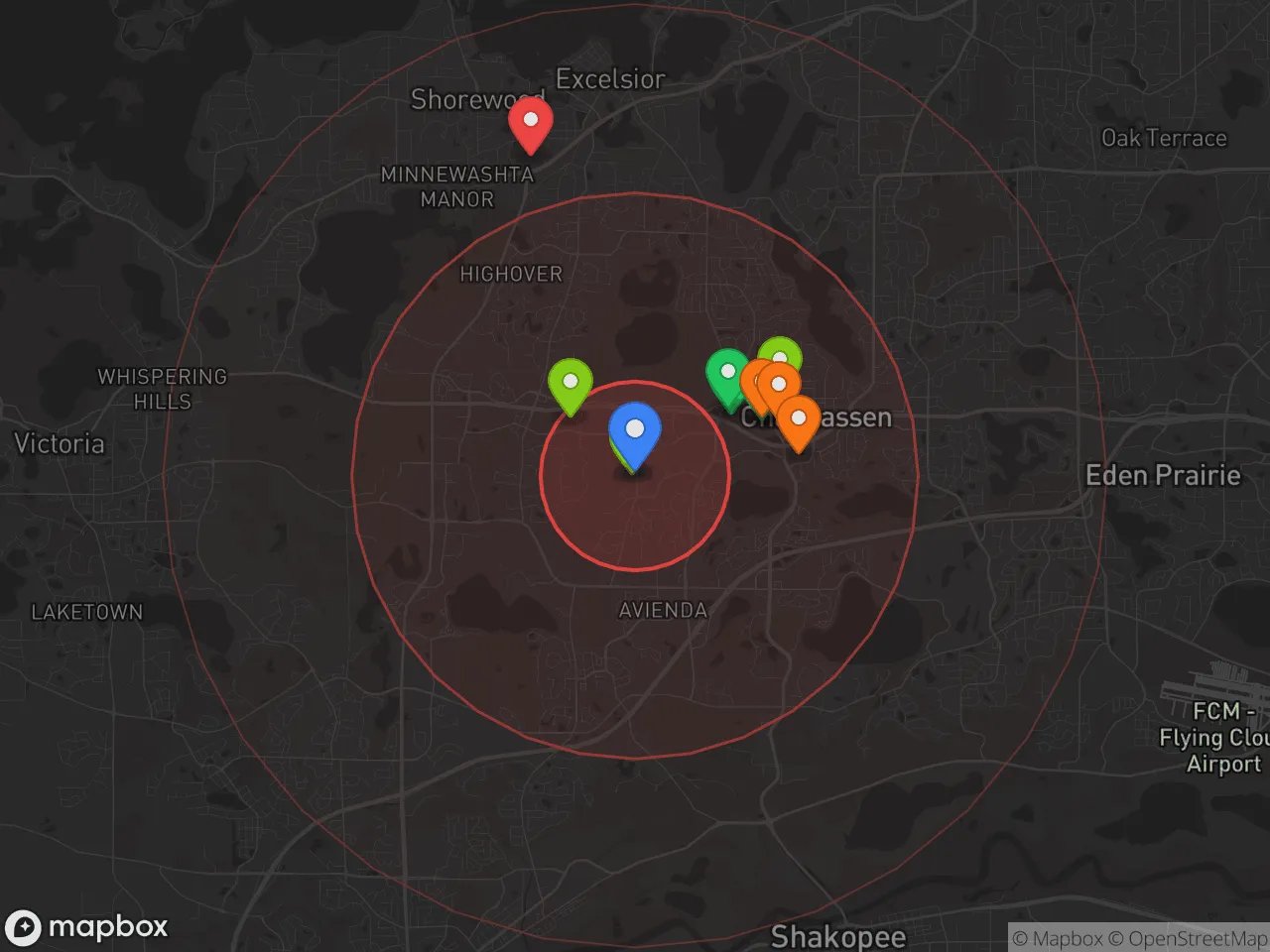
Hobbies
Explore the areaGroceries
4 within 10 miles
Gas
20 within 10 miles
Hospital
20 within 20 miles
Airport
JFK — John F. Kennedy Memorial
Post Office
USPS — Chanhassen, MN
Critical Amenities
Quality-of-Life Analysis
Chanhassen, Minnesota, is an affluent western suburb of the Twin Cities where the cost of living index sits at 166—66% above the national average—reflecting a community built around high-end housing, top-tier schools, and a lifestyle that attracts professionals, executives, and families seeking space without sacrificing urban access. The city's median home value of $530,700 and median rent of $1,749 place it firmly in the upper tier of metro-area suburbs, drawing residents who prioritize quality of life over affordability. With an average commute of just 22 minutes, Chanhassen offers a rare balance: a semi-rural feel with quick highway access to downtown Minneapolis and St. Paul.
Cost of living, housing, and affordability compared to nearby suburbs
Chanhassen's cost of living index of 166 is driven almost entirely by housing costs, which are significantly higher than the national median but competitive with other western suburbs like Eden Prairie (index ~155) and Minnetonka (~160). The median home value of $530,700 is roughly 20% above the Minneapolis metro average of $440,000, reflecting a market dominated by single-family homes on large lots, many with lake access or wooded acreage. Renters face a median of $1,749 per month, which is about $200 more than the metro average but still below the $2,000+ rents common in closer-in suburbs like Edina. Property taxes in Carver County average around 1.1% of assessed value, slightly lower than Hennepin County's 1.3%, offering a modest tax advantage for homeowners. For buyers, the trade-off is clear: you pay a premium for Chanhassen's lower density, better schools, and proximity to lakes and parks, but you get more square footage and land than in pricier, denser suburbs like Wayzata.
What daily life is like for families: schools, parks, and local amenities
Daily life in Chanhassen revolves around its highly rated public schools, part of the Eastern Carver County School District, where Chanhassen High School consistently ranks among the top 10% in Minnesota for test scores and college readiness. The city is also home to the Chanhassen Dinner Theatres, the largest professional dinner theater in the country, which anchors the local arts scene. Outdoor recreation is a major draw: Lake Ann Park offers a beach, trails, and a popular sledding hill, while the Minnesota Landscape Arboretum—just a 10-minute drive away—provides 1,200 acres of gardens and nature trails. The city's 22-minute average commute is a standout feature, as many residents work in Eden Prairie's corporate corridor (home to UnitedHealth Group and Cargill) or in downtown Minneapolis, accessible via Highway 5 and 212. Retail and dining are concentrated along Highway 5 and near the Chanhassen Town Center, with a mix of national chains and local spots like Nicollet's Chanhassen for upscale dining. The overall pace is quieter than inner-ring suburbs, with a strong emphasis on community events like the Fourth of July parade and farmers markets.
Chanhassen is best suited for families and professionals who can afford the premium housing costs and value a suburban lifestyle with strong schools, abundant green space, and a short commute. Empty-nesters downsizing from larger homes in the area also find the city appealing, as do outdoor enthusiasts who want lake access without the isolation of exurban living. Those on a tight budget or seeking a walkable, urban environment will likely find Chanhassen too expensive and car-dependent, but for buyers prioritizing space, safety, and school quality, it remains one of the Twin Cities' most desirable addresses.

Crime in Chanhassen, MN
Generally safer than 62% of comparable U.S. locations.
Violent CrimeViolent Crime Analysis
Property CrimeProperty Crime Analysis
Crime Analysis
Chanhassen, a suburban community in the Twin Cities metro area, reports a violent crime rate of 224.9 per 100,000 residents and a property crime rate of 1,424.8 per 100,000 — both below respective national averages. However, the city's location within the broader Minneapolis-St. Paul metropolitan area, where lenient prosecution policies and progressive judicial philosophies have become widespread, introduces a layer of concern for residents who prioritize public safety and accountability. The data tells only part of the story; the ideological environment of the surrounding justice system directly affects how crime is deterred and how offenders are managed.
Crime in context
Chanhassen's violent crime rate of 224.9 per 100,000 is roughly 30% below the national average of approximately 380 per 100,000, and its property crime rate of 1,424.8 per 100,000 sits about 25% below the U.S. figure of roughly 1,900 per 100,000. Compared to the state of Minnesota, which recorded a violent crime rate near 290 per 100,000 and a property crime rate above 2,000 per 100,000 in recent years, Chanhassen appears safer on paper. Yet these comparisons must be weighed against the reality that Chanhassen is part of a large metro area where several counties have elected district attorneys who emphasize diversion over incarceration and reduced sentencing for repeat offenders. Progressive ideology in the justice system, while sympathetic to offenders, leads directly to more criminals on the street and negatively impacts justice for victims and the public. This metro-wide climate means that even a low-crime suburb like Chanhassen cannot be fully insulated from regional patterns of recidivism and reduced consequences for property and violent crimes.
What residents experience
Day-to-day life in Chanhassen feels relatively safe, with most crime concentrated in commercial corridors and near transit links to the broader metro. Property crime — primarily theft from vehicles and package theft — is the most common concern, particularly in areas closer to Highway 101 and the Chanhassen Dinner Theatre district. Violent incidents are rare but not unheard of, and residents often note that the city's policing presence is proactive. Nonetheless, the progressive policies of the Hennepin County Attorney's Office, which has de-prioritized prosecution for certain low-level drug and property offenses, create a dynamic where offenders arrested in Chanhassen may face minimal consequences, reducing the deterrent effect that traditional law enforcement would otherwise provide. This gap between local enforcement and metro-wide prosecution philosophy is a persistent source of frustration for community safety advocates.
Neighborhood-level variation is modest but notable. The southwestern quadrant of Chanhassen, centered around Lake Ann and the Arbor Ridge area, sees the fewest incidents, largely due to larger lot sizes, lower density, and fewer commercial targets. The area near the intersection of Highway 5 and Powers Boulevard, which includes retail and apartment complexes, reports slightly higher property crime. The eastern edge of Chanhassen, abutting the city of Chaska and the Minnesota River, experiences spillover from broader metro crime patterns, including occasional vehicle thefts linked to organized rings operating across the Twin Cities. For prospective residents, choosing a home in the quieter southwestern neighborhoods or the Lake Minnewashta area offers the best statistical safety profile, while properties near major thoroughfares warrant extra attention to security measures such as lighting and garage security.
* Values derived from national, state, county, city and local statistics and may differ in a specific area. Last updated: 2026-07-25T13:31:54.000Z
Narrative content on this page is AI-generated and may contain mistakes. Verify any details that matter before acting on them.
ReloMaps may earn a commission from affiliate links at no extra cost to you.

