Photo: Wikipedia
Find The Best Places To Live in Hennepin County
PRO TIP! You can paste a Zillow or Redfin link to get info on that property.
Best Places to Live in Hennepin County

Cities & Towns in Hennepin County
Cities in Hennepin County
What It's Like Living in Hennepin County, MN
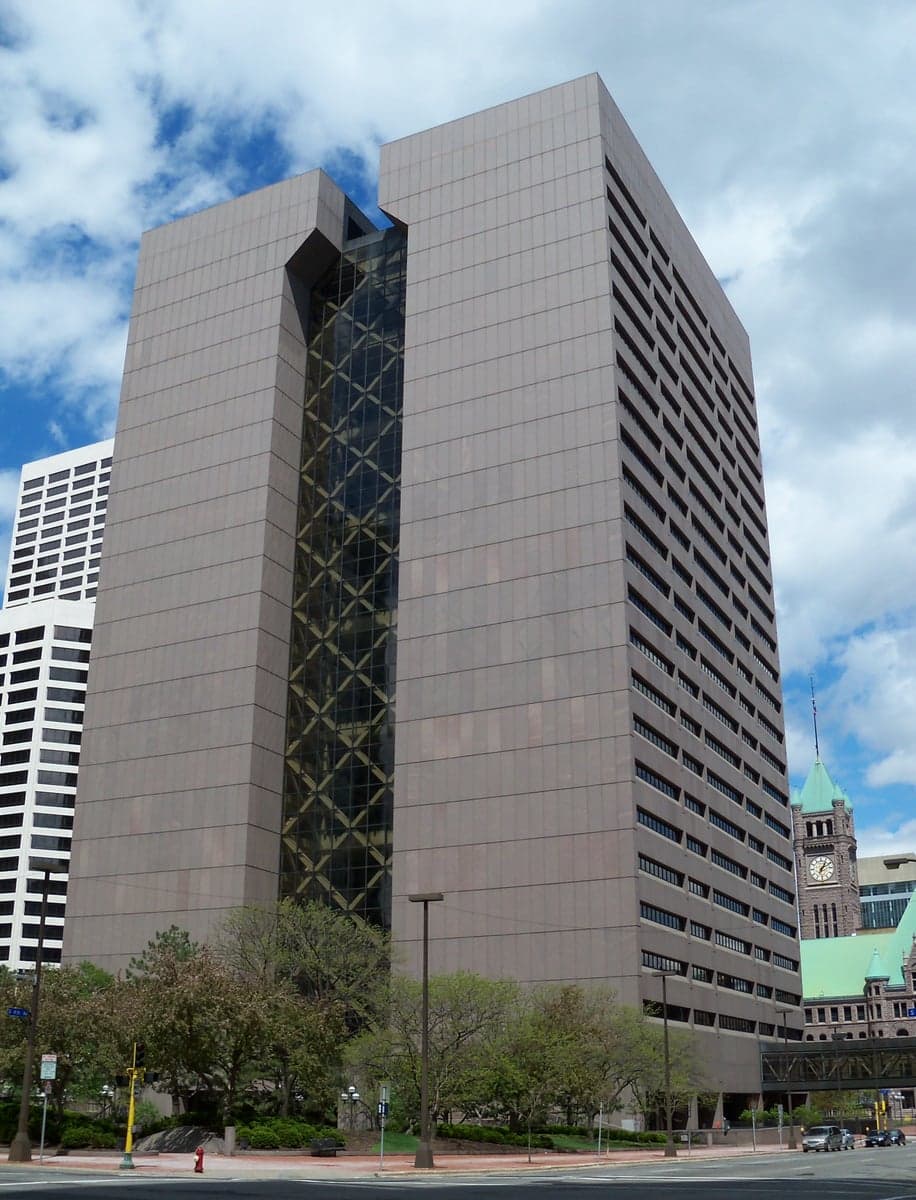
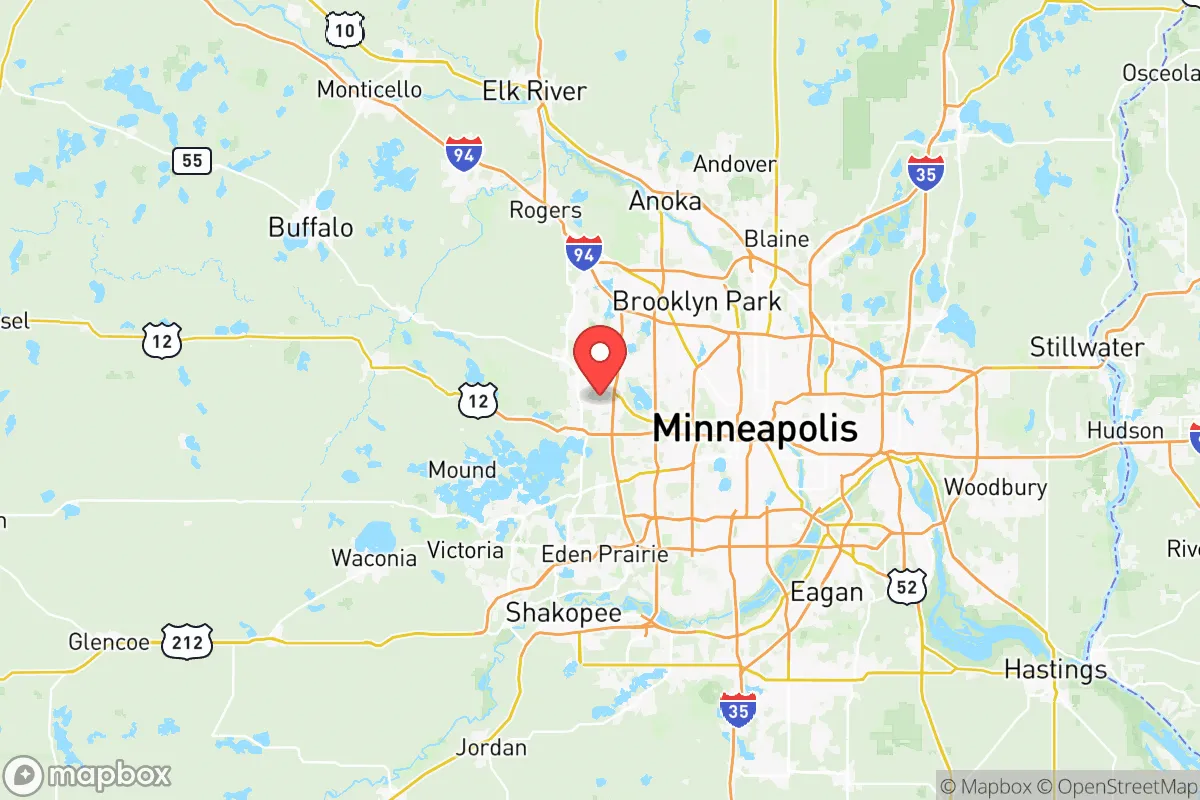
Living in Hennepin County means you’re part of a region that’s both the economic engine of Minnesota and a patchwork of distinct communities, from the high-rises of downtown Minneapolis to the quiet farm fields around Corcoran and the leafy, established suburbs of Edina and Wayzata. With over 1.2 million residents, it’s the state’s most populous county, but the experience varies wildly depending on whether you’re raising kids in a place like Plymouth, commuting from a smaller town like Maple Plain, or renting a condo in Uptown. The county’s identity is shaped by its lakes, its major employers, and a culture that balances Midwestern friendliness with a progressive urban core—something conservative-leaning newcomers will want to consider carefully before settling in.
Daily Rhythm: From City Commutes to Small-Town Mornings
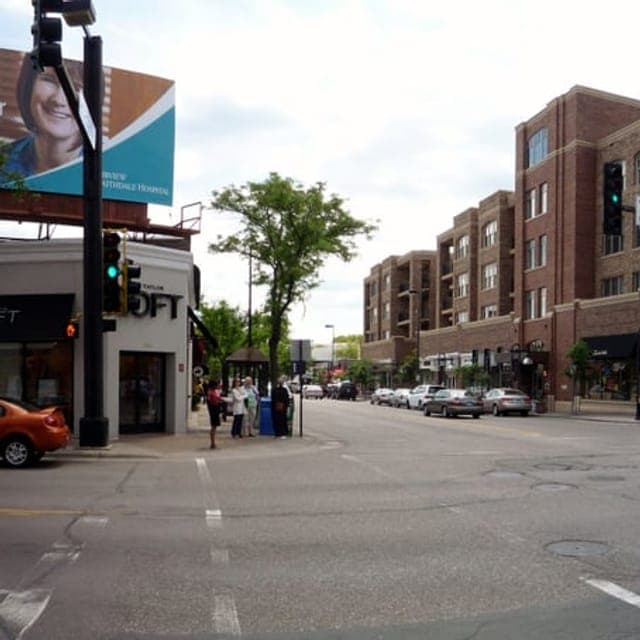
For most residents, the day starts with a commute that averages just over 22 minutes—short by national standards, but it can feel longer if you’re crossing the Mississippi River from northeast Minneapolis into the western suburbs. People in Eden Prairie or Minnetonka often head to work at major employers like UnitedHealth Group or Target’s corporate campus, while those in smaller towns like Osseo or Rogers might drive into the city or work in local trades and manufacturing. The county’s cost of living sits at 128 on the index (28% above the national average), and with a median home value of $376,500, housing is the biggest budget item. Families in places like Maple Grove or Chanhassen tend to anchor their weekends around youth sports, trips to the countless lakes, and errands at local grocery co-ops or big-box retailers. Single professionals and empty-nesters gravitate toward the city’s walkable neighborhoods—think Northeast Minneapolis’s art scene or the chain of lakes near Uptown—where restaurant patios and craft breweries define summer evenings.
The seasonal rhythm is a defining feature. Winters are long and real, with snow sticking from November through March, and locals embrace it: ice fishing on Lake Minnetonka, hockey rinks in every park, and the massive outdoor skating loop at the Loring Park rink. Summers are a frantic burst of activity, with everyone trying to pack in boating, biking the Grand Rounds trail system, and outdoor concerts at places like the Lake Harriet Bandshell or the Minnesota Zoo in Apple Valley (technically in Dakota County, but a regional draw). The flip side? Some longtime residents grumble about the humidity in July and the fact that winter darkness can wear on your mood by February.
Sports, Community, and What People Actually Do for Fun
Sports are a near-religion here, but the loyalties are split. The Minnesota Vikings (NFL), Timberwolves (NBA), and Twins (MLB) all play in Minneapolis, and game-day traffic around U.S. Bank Stadium or Target Field is a weekly reality. High school sports are a big deal in the suburbs—Friday-night football in Eden Prairie draws thousands, and the state hockey tournament at the Xcel Energy Center (in St. Paul, but a statewide event) is a rite of passage. For college sports, the University of Minnesota Golden Gophers in Minneapolis pull in crowds for football at Huntington Bank Stadium and hockey at 3M Arena at Mariucci. If you’re not into spectating, participation is huge: the county has over 900 lakes (including parts of Minnetonka and the Chain of Lakes), and you’ll find people kayaking, paddleboarding, or running the Bde Maka Ska loop year-round.
Festivals and local traditions add texture. The Minnesota State Fair in nearby Falcon Heights is a 12-day end-of-summer ritual that draws people from every corner of the county. Smaller towns have their own quirks: Wayzata hosts a popular Art Fair on Lake Minnetonka, Osseo has a classic small-town Heritage Days, and Rogers draws families to its summer farmers market and outdoor movie nights. The restaurant scene is strongest in Minneapolis, but suburbs like Edina and St. Louis Park have developed their own dining corridors—think gastropubs, sushi spots, and the ever-present Jucy Lucy burger debate.
Pros and Cons: What Locals Love and What Frustrates Them
What people love: The access to nature—you can be on a quiet hiking trail in Elm Creek Park Reserve in Maple Grove or fishing on Lake Minnetonka within 20 minutes of downtown. The schools are strong, especially in districts like Edina, Wayzata, and Minnetonka, which consistently rank among the state’s best. The economy is diversified, with healthcare (Allina, HealthPartners), retail (Target, Best Buy), and finance (U.S. Bancorp) providing stable jobs. The median household income of $96,339 reflects that stability, though it’s worth noting that 53.3% of adults hold a bachelor’s degree or higher, which shapes the cultural and political tone.
What frustrates them: The cost of living, particularly housing, is a growing pain point. A median home value of $376,500 is steep for a first-time buyer, and property taxes in places like Edina or Plymouth can feel punishing. Traffic on I-494 and I-394 during rush hour is reliably slow, and the county’s violent crime rate of 224.9 per 100,000 is higher than the national average—though that number is heavily skewed by a few neighborhoods in Minneapolis, while suburbs like Chanhassen and Corcoran have very low crime. Politically, the county leans strongly Democratic, which can feel isolating for conservative-leaning residents, especially in the city itself; some families choose outer-ring suburbs like Rogers or Maple Plain for a more mixed political environment. Finally, winter maintenance is a constant topic: snow emergencies, icy sidewalks, and the annual debate over whether the city plows your street well enough.

* Values derived from national, state, county, city and local statistics and may differ in a specific area. Last updated: 2026-07-02T18:03:42.000Z
Narrative content on this page is AI-generated and may contain mistakes. Verify any details that matter before acting on them.
ReloMaps may earn a commission from affiliate links at no extra cost to you.

