Photo: Wikipedia
Find The Best Places To Live
in Carnegie
PRO TIP! You can paste a Zillow or Redfin link to get info on that property.
What It's Like Living in Carnegie, PA
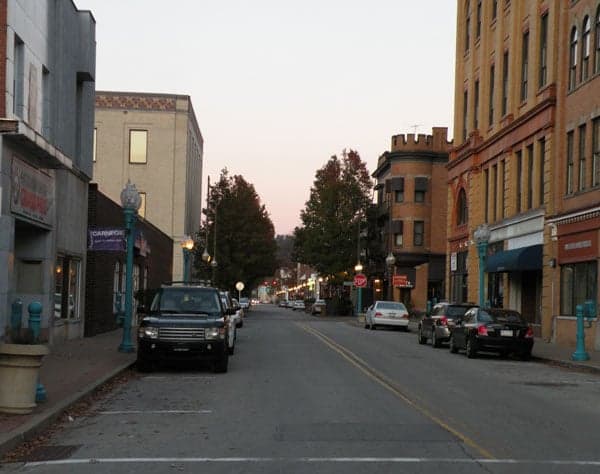
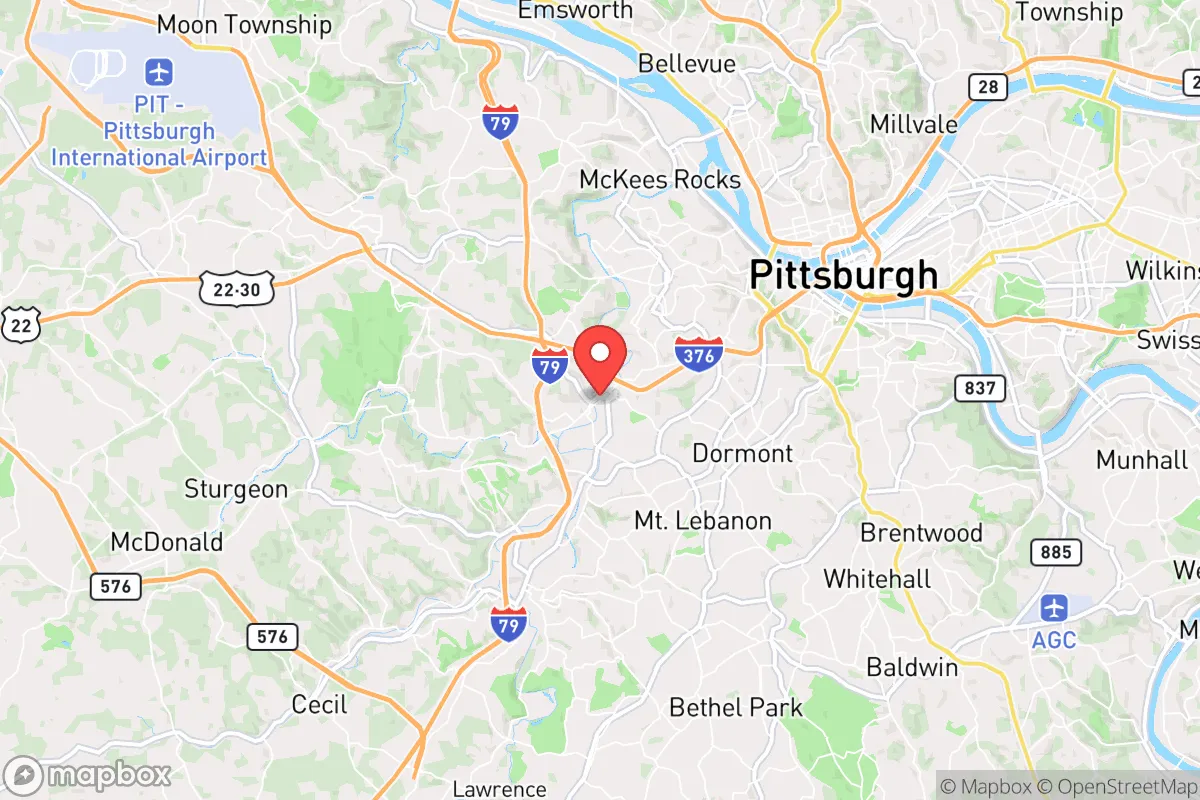
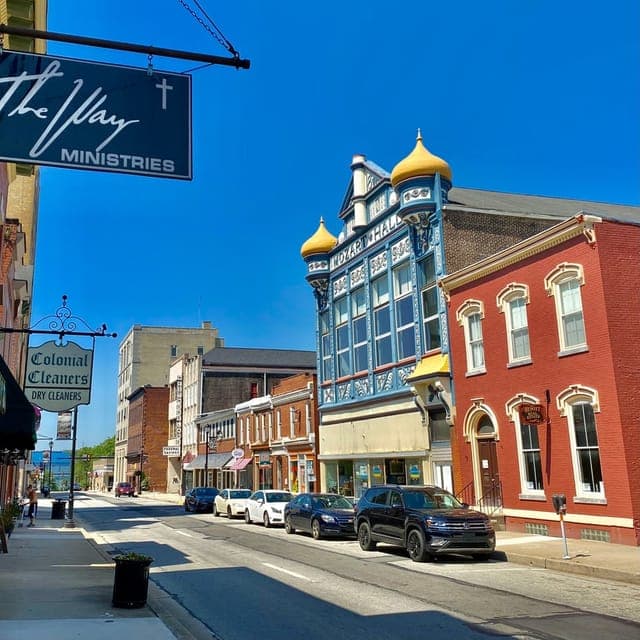
Carnegie, Pennsylvania, feels like one of those towns that doesn’t try to impress you—and that’s exactly why people stay. It’s a compact borough of about 8,000 residents, tucked between the more famous suburbs of Pittsburgh, and it carries a quiet, blue-collar dignity that’s hard to fake. You won’t find glossy new developments or a downtown that’s been polished for tourists; what you’ll find is a place where the coffee shop owner knows your order, the high school football game is the Friday night event, and the commute to downtown Pittsburgh is genuinely manageable—about 25 minutes on a good day.
Daily Rhythm and the Kind of Person Who Fits In
Life in Carnegie moves at a pace that suits people who want city access without city noise. The median age here is 41.7, which tells you it’s not a college party town or a retirement enclave—it’s a place where people are in the middle of building something. The median household income sits around $62,327, and with a cost of living index of 69 (well below the national average of 100), that money goes further than it would in many Pittsburgh suburbs. You see a mix of tradespeople, remote workers, and folks commuting to jobs in the city’s health and tech sectors. The kind of person who fits in here values practicality over pretense: they’d rather spend a Saturday morning at the Carnegie Farmers Market than at a chain store, and they’re fine with a house that needs a little work if it means owning a home for a median price of $168,800.
Weekends often start at a local diner like the Dor-Stop Restaurant, where the coffee is hot and the conversation is louder. People run errands at the small shops along Main Street, then head to one of the borough’s parks—like the Andrew Carnegie Free Library & Music Hall, which is more than a library; it’s a community anchor with a performance space that hosts everything from bluegrass nights to community theater. The weather follows the typical Pittsburgh pattern: gray winters that test your patience, humid summers that make you appreciate air conditioning, and a spring and fall that remind you why people put up with the rest.
Sports, Community, and What People Actually Do for Fun
High school sports are a genuine thread in Carnegie’s social fabric. The Carlynton High School Cougars—serving Carnegie, Rosslyn Farms, and Crafton—draw a loyal crowd on Friday nights. It’s not the scale of a WPIAL powerhouse like nearby Central Catholic, but the stands are full of families who’ve known each other for generations. For pro sports, Pittsburgh’s big three—the Steelers, Penguins, and Pirates—are a 15-minute drive away, and you’ll see plenty of black and gold on game days. But the local identity is less about the big leagues and more about the small moments: a summer concert in the park, a fundraiser at the VFW, or a beer at the Carnegie Tavern, where the bartender might ask how your week went and mean it.
Entertainment here leans low-key and community-driven. The Carnegie Arts & Heritage Festival, held each September, is the kind of event where you run into everyone you know—craft vendors, live music, and enough funnel cake to justify a long walk the next morning. For outdoor activity, the Montour Trail runs nearby, offering a paved path for biking and walking that connects to a larger regional network. If you want a proper night out, you’re driving to the South Side or Lawrenceville in Pittsburgh, but most residents don’t seem to mind. The trade-off is a quieter evening at home, a backyard grill, and neighbors who actually wave.
Pros and Cons of Living in Carnegie
The honest upsides are hard to argue with. Housing is affordable by any regional standard—a median home value of $168,800 is a fraction of what you’d pay in the eastern suburbs or even parts of the city proper. The commute is genuinely reasonable: the average is just under 25 minutes, and that’s door-to-door, not highway-to-highway. The violent crime rate of 89.8 per 100,000 is notably lower than Pittsburgh’s citywide average, and most residents describe the borough as safe, if a bit rough around the edges in certain blocks. The schools—Carlynton Area School District—are a mixed bag; they’re not the top-rated in the region, but they’re small enough that teachers know students by name, and that matters to a lot of families.
The frustrations are real, too. About 35.7% of residents hold a college degree, which is below the national average, and that reflects a local economy that doesn’t always have white-collar opportunities waiting. If you’re a young professional looking for a vibrant social scene or a foodie scene beyond a few solid spots, you’ll find yourself driving to Pittsburgh more often than you’d like. Some longtime residents grumble about the lack of new investment—Main Street has character, but it also has empty storefronts. And the weather, as mentioned, can wear on you: gray skies from November through March are the norm, not the exception.
Carnegie is a place for people who value substance over flash. It’s not trying to be the next hot neighborhood, and that’s exactly why the people who live here tend to stay. If you want a walkable, affordable community with a real sense of history and a 25-minute commute to one of the most livable cities in the country, it’s worth a serious look. Just don’t expect it to sell itself—you have to spend a little time here to understand why it works.

Similar small towns to Carnegie



* Values derived from national, state, county, city and local statistics and may differ in a specific area. Last updated: 2026-10-21T15:18:14.000Z
Narrative content on this page is AI-generated and may contain mistakes. Verify any details that matter before acting on them.
ReloMaps may earn a commission from affiliate links at no extra cost to you.

