
Photo: Wikipedia
Quality of Life in San Luis Obispo County
A livable area that tracks near national norms for affordability, walkability, and neighborhood health.
What does Quality of Life tell us?
Quality of Life measures an area by evaluating factors like cost of living, nearby amenities, country club access, airport proximity, socioeconomic signals and neighborhood character. For large states, this is a general average — quality of life can vary dramatically between metro areas, suburbs, and rural communities within the same state.
What does this tell us?
Quality of Life measures an area by evaluating factors like cost of living, nearby amenities, country club access, airport proximity, socioeconomic signals and neighborhood character. For large states, this is a general average — quality of life can vary dramatically between metro areas, suburbs, and rural communities within the same state.
Cost of Living
108% above national average
53%
The Real Cost of Living in San Luis Obispo County for 2026
| Tier | Individual | Family (4) |
|---|---|---|
| Survival | $30k | $57k |
| Comfortable | $120k | $176k |
| Luxury | $169k+ | $262k+ |
| Elite (Top 5%) | $206k+ | $320k+ |
Quality-of-Life Analysis
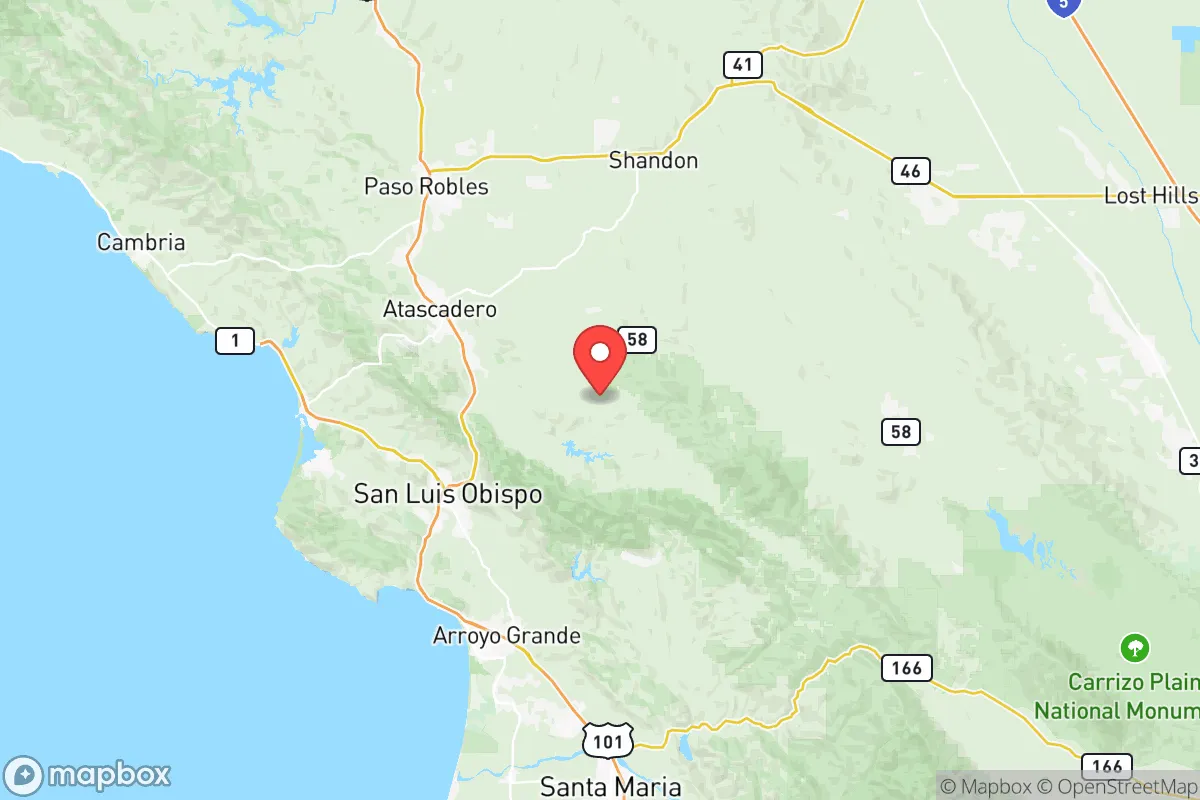
San Luis Obispo County offers a quality-of-life spectrum that ranges from the college-town energy and coastal tourism of San Luis Obispo (SLO) to the quiet agricultural rhythms of Paso Robles and the remote coastal solitude of Cambria. The county draws a mix of Cal Poly students and faculty, wine-country retirees, remote workers seeking a slower pace, and agricultural workers in the inland valleys. With a cost-of-living index of 208—more than double the national average—residents trade affordability for access to a Mediterranean climate, uncrowded beaches, and a food-and-wine scene that rivals Napa at a fraction of the price.
Largest town(s) & population centers
San Luis Obispo is the county seat and its largest city, home to roughly 47,000 residents plus the 22,000-student Cal Poly campus. Daily life here revolves around the downtown Mission Plaza, the Thursday-night farmers' market (one of California's most celebrated), and a walkable core of independent shops and farm-to-table restaurants. The median home value in SLO proper hovers around $800,000, with rents averaging $1,899—pushing many students and young professionals into shared housing or longer commutes. Paso Robles, 30 miles north, is the county's second-largest city (pop. 32,000) and the epicenter of a 200+ winery region. Its downtown has gentrified rapidly since 2015, with tasting rooms, craft breweries, and the Paso Robles Event Center drawing tourists year-round. Atascadero (pop. 30,000) sits between SLO and Paso Robles, offering a more suburban feel with lower home prices (median around $650,000) and a growing downtown anchored by the historic Atascadero Lake and the Colony House district.
Smaller towns & rural pockets
Along the coast, Morro Bay (pop. 10,000) centers on its iconic volcanic rock and a working fishing harbor, with a slower pace than SLO and a median home value near $750,000. Cambria (pop. 6,000) is a seaside village of artists and retirees, known for the Hearst Castle-adjacent San Simeon coastline and a downtown of galleries and bed-and-breakfasts—home values here exceed $850,000. Inland, Templeton (pop. 8,000) is a wine-country bedroom community with a historic main street and median home prices around $700,000. Arroyo Grande (pop. 18,000) anchors the Five Cities region in southern SLO County, offering a family-oriented downtown and access to Pismo Beach, with homes averaging $720,000. Rural pockets like Santa Margarita (pop. 1,200) and Shandon (pop. 1,200) remain agricultural outposts, with limited services but significantly lower land prices—raw parcels in Shandon can be found under $200,000, though well water and septic are required.
Cost & lifestyle range
The cost-of-living spread across SLO County is dramatic. At the high end, Avila Beach and Los Osos command median home values above $900,000, with Avila's gated beachfront communities pushing past $1.5 million. At the low end, Paso Robles and Atascadero offer median home values in the $600,000–$700,000 range, while Nipomo (pop. 18,000) in the south county has homes averaging $650,000 and a more affordable rental market. The average commute across the county is 21.4 minutes—short by California standards—but varies widely: a resident commuting from Paso Robles to SLO faces 30–40 minutes each way, while someone living in SLO proper might walk or bike to work. Lifestyle options range from the surf-and-hike culture of the coastal towns (Morro Bay, Cayucos) to the wine-and-dine scene of Paso Robles to the quiet agricultural life of the Carrizo Plain, where the nearest grocery store may be 30 minutes away. Pismo Beach and Grover Beach offer a middle ground: ocean proximity with more modest home prices (median $750,000) and a family-oriented beach-town vibe.
This county works best for people who prioritize climate, outdoor access, and a strong sense of place over urban amenities or low housing costs. Remote workers with coastal incomes, Cal Poly faculty, and retirees cashing out from the Bay Area or Los Angeles are the typical buyers. Families on a tighter budget often settle in Atascadero or Nipomo, while those seeking the quietest rural life gravitate to the inland valleys around Creston or the remote coast near Ragged Point. The trade-off is clear: SLO County offers a quality of life that ranks among California's best, but it demands a premium that prices out many service workers and younger renters.

Crime in San Luis Obispo County
WARNING: The crime statistics are unreliable for this jurisdiction. Local authorities have either not reported or under reported their data to the FBI. This could be due to bad intentions, incompetence or technical issues. Regardless, we suggest skepticism.
Higher crime rates than 72% of comparable U.S. locations.
Violent CrimeViolent Crime Analysis
Property CrimeProperty Crime Analysis
Crime Analysis
San Luis Obispo County presents a mixed safety picture, with violent crime rates that are notably higher than the national average but property crime rates that are slightly below the national benchmark. The county's overall violent crime rate of 434.6 per 100,000 residents is roughly 24% higher than the U.S. average, while its property crime rate of 1,820.1 per 100,000 sits about 5% below the national figure. These countywide averages, however, mask significant variation between the more urbanized coastal cities and the smaller inland communities, and are heavily influenced by the policies of the local justice system.
Crime in context
When compared to California as a whole, San Luis Obispo County's violent crime rate is slightly above the state average of roughly 410 per 100,000, while its property crime rate is well below the state average of approximately 2,100 per 100,000. The county's numbers are pulled upward by San Luis Obispo city, which reports a violent crime rate near 500 per 100,000, driven largely by aggravated assaults and a concentration of incidents near the downtown entertainment district and the Cal Poly campus. Paso Robles also sees elevated property crime, particularly vehicle burglaries and thefts from parked cars in its downtown and wine-tasting areas. In contrast, Morro Bay and Arroyo Grande consistently report violent crime rates below 300 per 100,000, making them among the safer communities in the county. The presence of a progressive district attorney's office in San Luis Obispo County, which has implemented diversion programs and reduced sentencing for certain non-violent offenses, is a factor that some residents cite as contributing to repeat property crime and a perception of leniency that emboldens offenders.
What residents experience
For most residents, the day-to-day reality is shaped more by property crime than by violent encounters. Theft from vehicles, package theft, and bicycle theft are the most commonly reported crimes, especially in the San Luis Obispo downtown core and near the Cal Poly campus. Residents in Atascadero report a moderate risk of property crime, with rates around 1,900 per 100,000, while Pismo Beach sees a spike in thefts during tourist season, particularly from rental cars and beach parking lots. Violent crime, while less frequent, is not absent: aggravated assaults account for roughly 60% of all violent incidents countywide, and domestic violence calls are a persistent issue across all jurisdictions. The county's approach to criminal justice, which emphasizes rehabilitation over incarceration for many drug-related and property offenses, has led to a revolving-door effect for some repeat offenders, a pattern that frustrates victims and neighborhood watch groups alike.
Neighborhood-level variation is stark. The Cal Poly area and the neighborhoods immediately south of downtown San Luis Obispo (such as the "South Street" corridor) see the highest concentration of both violent and property crime. In contrast, the residential neighborhoods of Los Osos and the Edna Valley wine region report crime rates roughly half the county average. The North County communities of Paso Robles and Templeton experience moderate property crime but very low violent crime, making them attractive for families seeking a quieter, safer environment. Prospective residents should examine block-level crime maps and consider that the county's progressive judicial philosophy, while well-intentioned, has created a system where property crime offenders often face minimal consequences, a dynamic that directly impacts quality of life and property values in higher-risk areas.
* Values derived from national, state, county, city and local statistics and may differ in a specific area. Last updated: 2026-09-08T01:46:51.000Z
Narrative content on this page is AI-generated and may contain mistakes. Verify any details that matter before acting on them.
ReloMaps may earn a commission from affiliate links at no extra cost to you.

