Photo: Wikipedia
Quality of Life in San Joaquin County
A livable area that tracks near national norms for affordability, walkability, and neighborhood health.
What does Quality of Life tell us?
Quality of Life measures an area by evaluating factors like cost of living, nearby amenities, country club access, airport proximity, socioeconomic signals and neighborhood character. For large states, this is a general average — quality of life can vary dramatically between metro areas, suburbs, and rural communities within the same state.
What does this tell us?
Quality of Life measures an area by evaluating factors like cost of living, nearby amenities, country club access, airport proximity, socioeconomic signals and neighborhood character. For large states, this is a general average — quality of life can vary dramatically between metro areas, suburbs, and rural communities within the same state.
Cost of Living
54% above national average
63%
The Real Cost of Living in San Joaquin County for 2026
| Tier | Individual | Family (4) |
|---|---|---|
| Survival | $26k | $49k |
| Comfortable | $96k | $141k |
| Luxury | $150k+ | $233k+ |
| Elite (Top 5%) | $177k+ | $274k+ |
Quality-of-Life Analysis
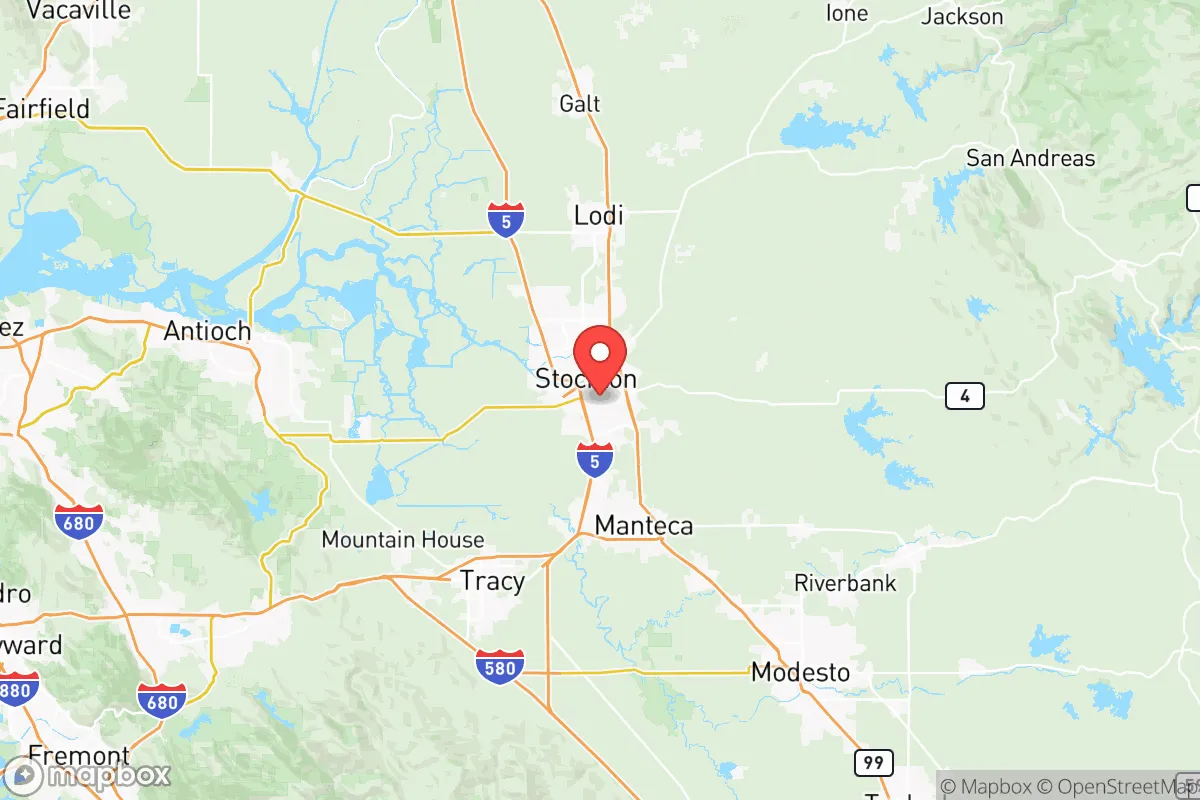
San Joaquin County offers a broad quality-of-life spectrum, from the urban core of Stockton to the commuter-friendly suburbs of Tracy and the agricultural small towns of Lodi, Manteca, and Ripon. With a cost-of-living index of 154 (well above the U.S. average of 100) and a median home value of $494,500, the county attracts a mix of Bay Area transplants seeking lower housing costs, agricultural workers, and families looking for a slower pace within commuting distance of the Central Valley's major job centers. The average commute of 34.6 minutes reflects the region's role as a bedroom community for the Bay Area and Sacramento, though daily life varies dramatically depending on whether you live in a dense city center, a planned suburb, or a rural crossroads.
Largest town(s) & population centers
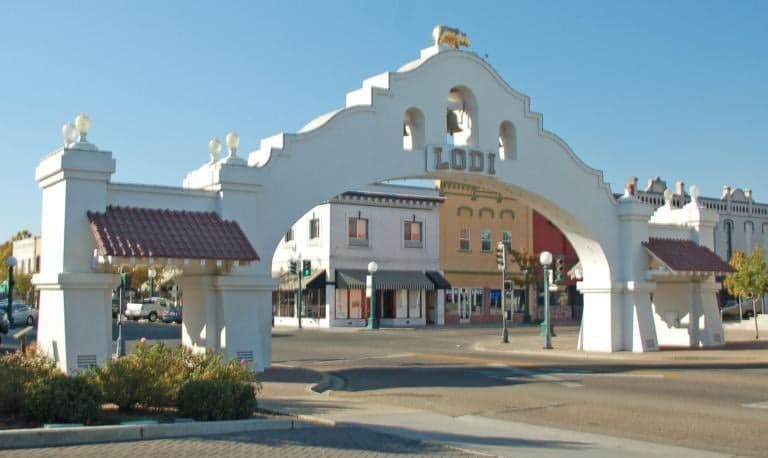
Stockton is the county seat and largest city, with a population over 320,000. Daily life here is urban and diverse, with a historic downtown, the University of the Pacific, and a growing arts scene along the Miracle Mile. Stockton also faces higher crime rates and more socioeconomic challenges than the county's smaller towns. Tracy, the second-largest city, is a fast-growing suburb with a strong commuter culture — many residents work in the Bay Area, taking Altamont Corridor Express (ACE) trains or driving I-205. Tracy offers newer housing developments, good schools in parts of the Tracy Unified School District, and a more suburban, family-oriented feel. Manteca and Lodi round out the major population centers. Manteca is another commuter hub with a growing retail corridor and a family-friendly reputation, while Lodi is known for its wine country, historic downtown, and a slightly older, more established population. Daily life in these larger towns centers on strip-mall shopping, chain restaurants, and local parks, with limited nightlife compared to Stockton but a stronger sense of community safety.
Smaller towns & rural pockets
Beyond the main cities, San Joaquin County contains several smaller communities that offer a distinctly different pace. Ripon is a small, conservative city with a strong agricultural base, low crime, and a highly rated school district — it feels more like a tight-knit farm town than a suburb. Escalon and Linden are even smaller, with populations under 10,000, and are surrounded by almond orchards and dairy farms. These towns have limited retail and dining options but offer quiet streets, community events like the Escalon Almond Blossom Festival, and a slower rhythm of life. Unincorporated areas such as French Camp, Thornton, and Woodbridge are rural pockets where homes sit on larger lots and residents often commute to Stockton or Lodi for work and shopping. These areas lack municipal services like public water or sewer in some cases, but they provide space and privacy that the larger towns cannot match.
Cost & lifestyle range
The cost of living varies significantly across the county. At the high end, Tracy and Ripon command median home values above the county average of $494,500, often exceeding $550,000 for a single-family home, with median rents around $1,800–$2,000. These areas offer newer housing stock, lower crime, and better school ratings, but also longer commutes and higher property taxes. At the lower end, Stockton and Lodi have more affordable housing — median home values in parts of Stockton dip below $400,000, and median rent in the county overall is $1,633, which is below the California state average. However, lower costs in Stockton often correlate with higher crime and underperforming schools. Rural areas like Escalon and Linden sit in the middle: home prices are moderate (around $450,000–$500,000), but residents sacrifice retail convenience and job proximity. The lifestyle range is thus a trade-off: pay more for safety and schools in Tracy or Ripon, accept urban grit for affordability in Stockton, or choose rural quiet with limited amenities in the county's agricultural pockets.
San Joaquin County works best for people who need to balance California housing costs with a reasonable commute to the Bay Area or Sacramento, and who are willing to trade urban density for space or vice versa. Families with school-age children often gravitate to Tracy, Ripon, or Manteca for their reputations and safety, while younger renters and first-time buyers find more options in Stockton. Agricultural workers and those seeking a true small-town lifestyle will find their niche in Escalon, Linden, or the rural unincorporated areas. The county's diversity of settings means that with careful research, most residents can find a corner that matches their priorities — but the trade-offs in cost, commute, and community character are real and should be weighed before moving.

Crime in San Joaquin County
WARNING: The crime statistics are unreliable for this jurisdiction. Local authorities have either not reported or under reported their data to the FBI. This could be due to bad intentions, incompetence or technical issues. Regardless, we suggest skepticism.
Higher crime rates than 72% of comparable U.S. locations.
Violent CrimeViolent Crime Analysis
Property CrimeProperty Crime Analysis
Crime Analysis
San Joaquin County, located in California's Central Valley, experiences crime rates that are elevated compared to both state and national averages, creating a mixed safety landscape for its 790,000 residents. The county's violent crime rate stands at 434.4 incidents per 100,000 residents, while property crime reaches 1,818.4 per 100,000, figures that reflect challenges common to inland California regions with concentrated poverty and gang activity. Safety conditions vary dramatically between the county's urban centers and its smaller, more rural communities, with progressive prosecutorial policies in recent years adding a layer of concern for law-abiding residents.
Crime in context
San Joaquin County's violent crime rate of 434.4 per 100,000 is roughly 20% higher than the California state average of approximately 360 per 100,000 and nearly double the national rate of about 380 per 100,000. Property crime at 1,818.4 per 100,000 also exceeds both the state average (around 1,600) and the national figure (approximately 1,950), though it sits below some neighboring Central Valley counties. The city of Stockton, the county seat and largest city, historically drives these numbers upward, with violent crime rates that have at times ranked among the highest in California. Lodi and Tracy report lower but still elevated rates, while Manteca falls somewhere in the middle. The county's geography as a transportation hub for Interstate 5 and Highway 99 contributes to property crime linked to cargo theft and transient populations.
What residents experience
For everyday residents, property crime is the most tangible safety concern. Vehicle break-ins, package theft, and residential burglaries are common complaints across Stockton, Lodi, and Manteca, with police departments often stretched thin by staffing shortages. Violent crime, while less frequent, is concentrated in specific Stockton neighborhoods such as south Stockton and the downtown corridor, where gang-related shootings and aggravated assaults occur disproportionately. Residents in Ripon and Escalon, smaller communities on the county's edges, report far fewer incidents and a stronger sense of neighborhood security. A significant factor shaping public safety in San Joaquin County is the progressive orientation of the local justice system. The San Joaquin County District Attorney's office, under recent leadership, has emphasized diversion programs and reduced sentencing for certain non-violent offenses. While intended to reduce incarceration, critics argue these policies have emboldened repeat offenders and contributed to a revolving-door effect in the county's jails, leaving victims feeling underserved and the public less protected.
Neighborhood-level variation
Safety in San Joaquin County is highly localized. Stockton remains the primary hotspot, with violent crime rates in some census tracts exceeding 1,000 per 100,000, while affluent areas like the Brookside neighborhood see rates closer to the national average. Tracy, a growing commuter city near the Alameda County line, has seen property crime rise with population growth but maintains a lower violent crime profile. Lodi, known for its wine region, experiences moderate property crime but benefits from a smaller, more connected community. Manteca and Ripon are often cited by real estate agents as safer alternatives for families, though property crime in Manteca has ticked upward with new housing developments. For prospective residents, choosing a specific city or neighborhood within San Joaquin County is critical, as the difference between a high-crime urban block and a low-crime suburban street can be stark.
* Values derived from national, state, county, city and local statistics and may differ in a specific area. Last updated: 2026-07-10T05:15:04.000Z
Narrative content on this page is AI-generated and may contain mistakes. Verify any details that matter before acting on them.
ReloMaps may earn a commission from affiliate links at no extra cost to you.

