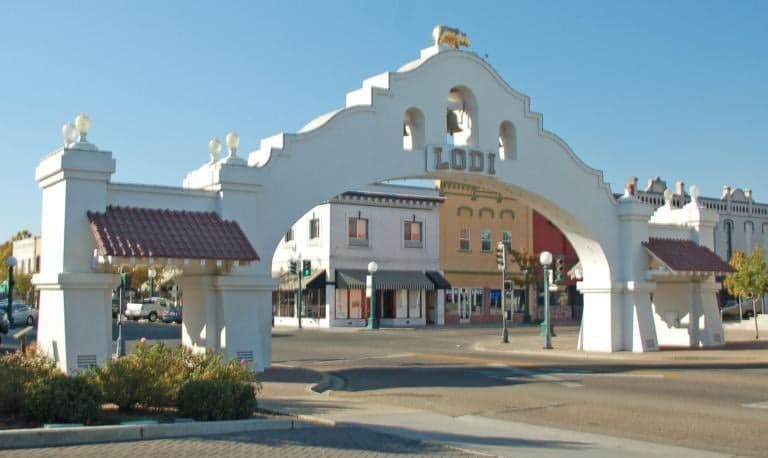
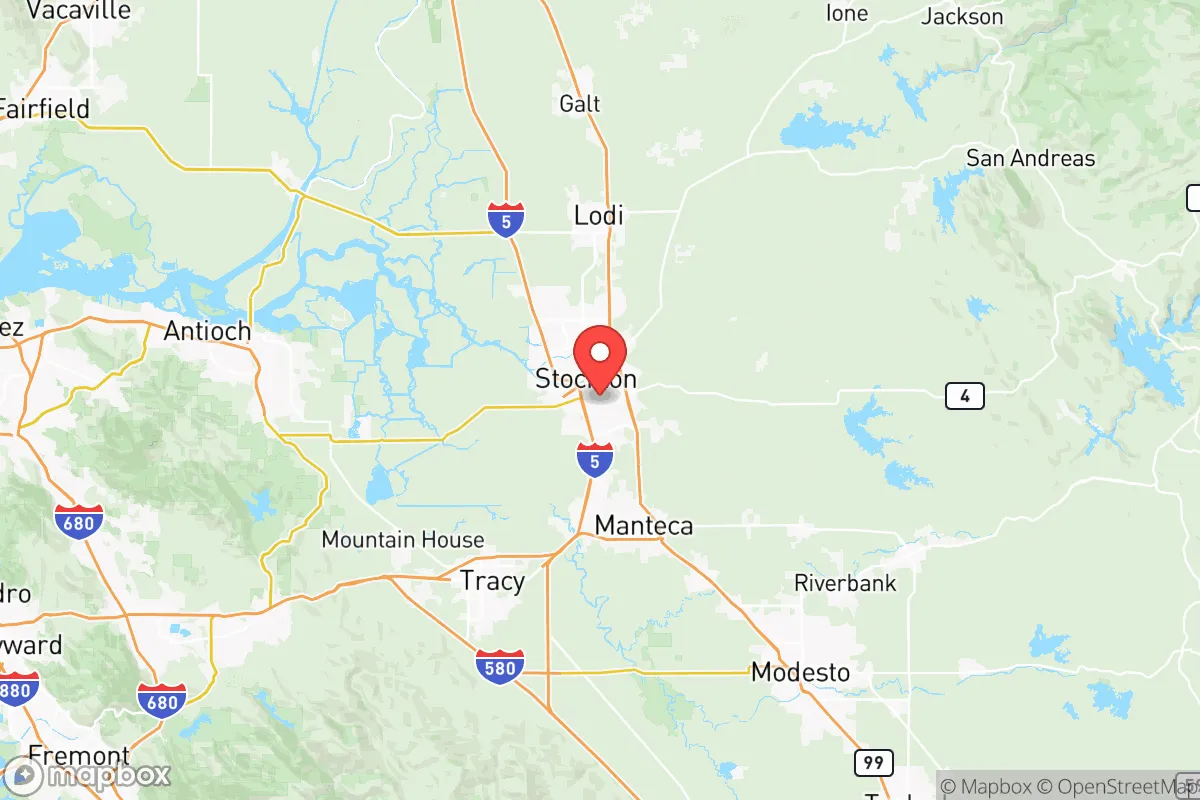
Photo: Wikipedia
Find The Best Places To Live in San Joaquin County
PRO TIP! You can paste a Zillow or Redfin link to get info on that property.
Best Places to Live in San Joaquin County
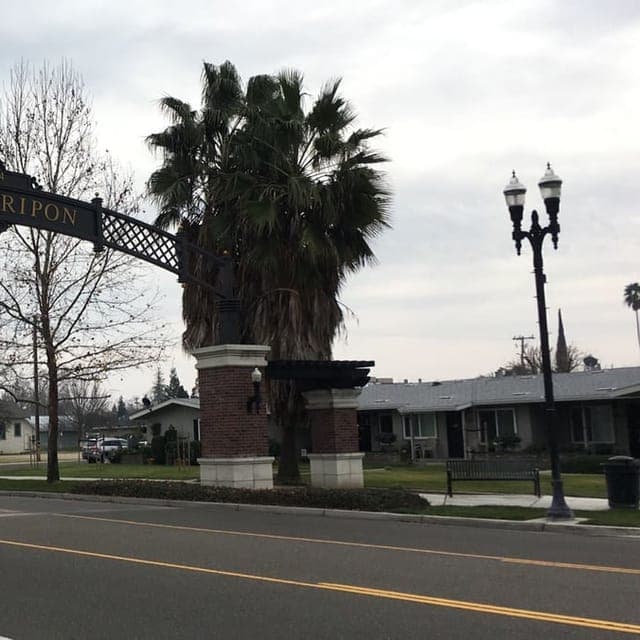
Cities & Towns in San Joaquin County
Cities in San Joaquin County
What It's Like Living in San Joaquin County, CA
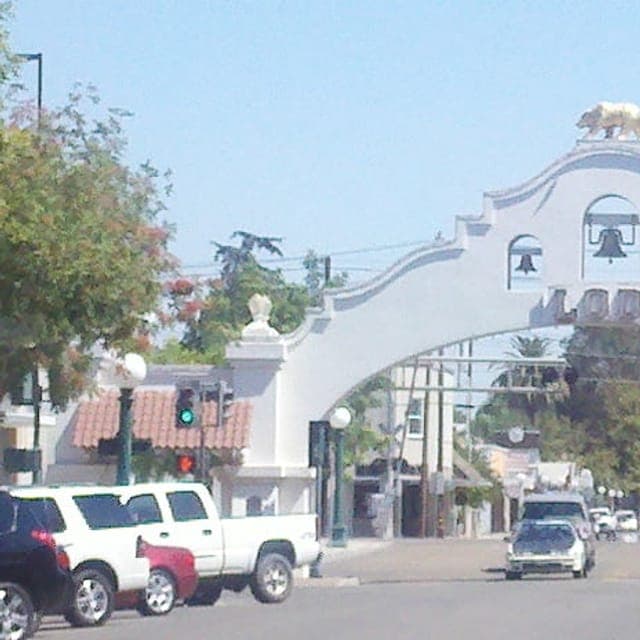
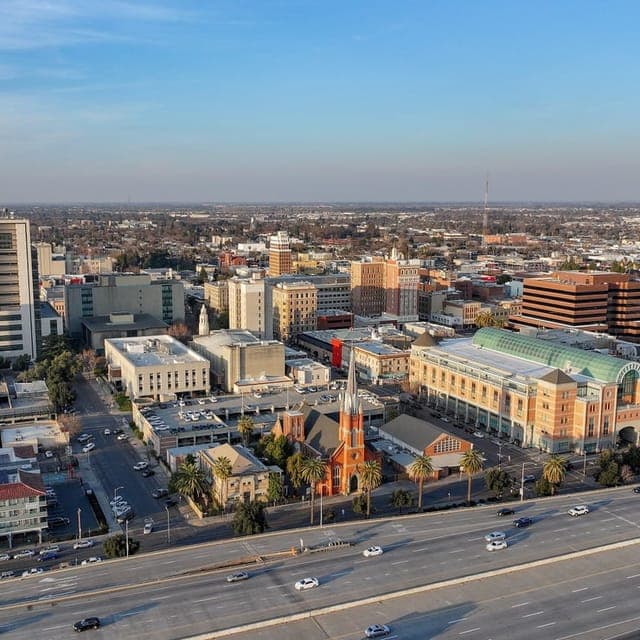
San Joaquin County is the kind of place where you trade the breakneck pace of the Bay Area for a slower, more grounded rhythm, without giving up access to big-city jobs or weekend adventures. It’s a sprawling, agricultural powerhouse that feels like a collection of distinct towns—Stockton, Lodi, Tracy, Manteca, and a dozen smaller communities—each with its own personality, but all sharing a practical, hardworking ethos. If you’re looking for a place where you can actually afford a house, raise a family, and still make a living, this is a county that deserves a serious look.
Daily Rhythm: Where You Work, Shop, and Eat
For most people living here, the day starts early. The average commute clocks in at just under 35 minutes, which is long by national standards but a relief compared to the hour-plus slog many endure coming out of the East Bay. A huge chunk of the workforce—especially from Tracy and Mountain House—heads west over the Altamont Pass to jobs in tech, logistics, or healthcare in places like Pleasanton and San Jose. But the county itself is a major employment hub, anchored by the Port of Stockton, Amazon distribution centers in Tracy and Stockton, and a robust agricultural sector that keeps fields of almonds, tomatoes, and grapes humming from spring through fall.
Weekends here are about getting things done and enjoying the outdoors. You’ll see families loading up for a day at the Delta—renting a houseboat out of Stockton or launching a fishing boat at Ladd’s Marina in Bethel Island. Shopping runs lean toward big-box stores and local farmers’ markets; the Lodi Farmers Market on Saturday mornings is a genuine community gathering, not a tourist trap. Dining is unpretentious and satisfying: Bud’s Seafood Grille in Stockton is a local institution for crab and cioppino, while Lodi’s wine country has quietly become a destination, with spots like Wine & Roses offering a more polished evening out. If you’re after a dive bar with character, the Black Rabbit in Stockton has been pouring drinks since the 1930s.
Sports, Community, and What Binds People Together
High school football is a genuinely big deal here, especially in towns like Manteca and Tracy, where Friday-night games draw thousands and the local booster clubs are as organized as any small business. The Manteca Buffaloes and Tracy Bulldogs have fierce rivalries that have spanned decades. For college sports, the University of the Pacific Tigers in Stockton offer Division I basketball and soccer, and the Spanos Center gets loud during conference play. There’s no major pro team in the county, but the Stockton Ports (Single-A affiliate of the Oakland A’s) provide affordable summer baseball, and the Stockton Kings (G League basketball) are a fun, low-cost night out.
Festivals are a big part of the identity here. The Lodi Grape Festival in September is a century-old tradition with carnival rides, livestock shows, and wine tastings. Stockton’s Fiesta Mexicana draws tens of thousands for live music and food. And in the smaller towns—like Ripon and Escalon—the Fourth of July parade is the social event of the year, where you’ll see volunteer fire departments, 4-H clubs, and every local politician shaking hands.
The Honest Trade-Offs: What Works and What Doesn’t
Let’s start with the upside. The cost of living index sits at 154 (100 is the U.S. average), which is high nationally but a bargain compared to the Bay Area’s 200-plus. The median home value is $494,500—still steep for many, but it gets you a 3-bedroom house with a yard in a decent neighborhood, something you can’t touch for under a million in San Jose. The median household income of $88,531 means a dual-income family can actually make the math work. And the median age of 35.2 reflects a young, family-oriented population—schools are a central concern, and districts like Lodi Unified and Manteca Unified are active in the community.
Now the downsides, and they’re real. The violent crime rate is 434.4 per 100,000, which is notably higher than the national average—Stockton in particular has struggled with gang-related violence, and while things have improved in recent years, it’s still something you need to be aware of when choosing a neighborhood. Only 21.6% of adults hold a college degree, which tracks with the county’s blue-collar and agricultural base; if you’re a knowledge worker, you may find fewer peers with similar backgrounds. And the commute—while better than the Bay Area—still eats up time, especially if you’re driving the I-205 or I-5 corridors during rush hour. Summer heat is no joke, either: July and August regularly hit triple digits, and the Delta breeze only helps so much.
For the right person—someone who values space, affordability, and a slower pace, and who doesn’t mind a bit of grit—San Joaquin County offers a real foothold in California. It’s not a polished suburb or a trendy city; it’s a working landscape where people still know their neighbors, and where the biggest weekend decision might be whether to hit the Delta or the wine trail.

* Values derived from national, state, county, city and local statistics and may differ in a specific area. Last updated: 2026-07-10T05:15:04.000Z
Narrative content on this page is AI-generated and may contain mistakes. Verify any details that matter before acting on them.
ReloMaps may earn a commission from affiliate links at no extra cost to you.

