
Photo: Wikipedia
Quality of Life in Los Angeles County
A livable area that tracks near national norms for affordability, walkability, and neighborhood health.
What does Quality of Life tell us?
Quality of Life measures an area by evaluating factors like cost of living, nearby amenities, country club access, airport proximity, socioeconomic signals and neighborhood character. For large states, this is a general average — quality of life can vary dramatically between metro areas, suburbs, and rural communities within the same state.
What does this tell us?
Quality of Life measures an area by evaluating factors like cost of living, nearby amenities, country club access, airport proximity, socioeconomic signals and neighborhood character. For large states, this is a general average — quality of life can vary dramatically between metro areas, suburbs, and rural communities within the same state.
Cost of Living
109% above national average
48%
The Real Cost of Living in Los Angeles County for 2026
| Tier | Individual | Family (4) |
|---|---|---|
| Survival | $30k | $57k |
| Comfortable | $124k | $182k |
| Luxury | $159k+ | $246k+ |
| Elite (Top 5%) | $214k+ | $331k+ |
Quality-of-Life Analysis
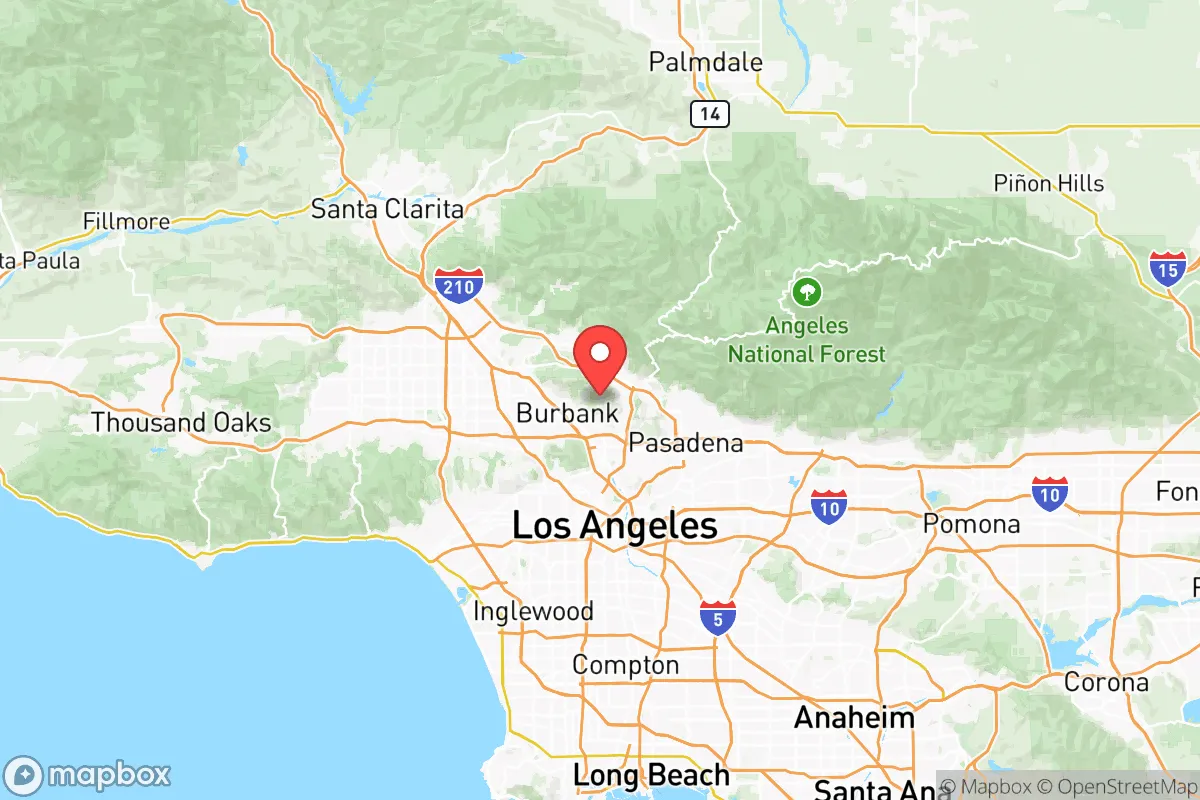
Los Angeles County is a vast, sprawling region of 4,000 square miles that encompasses everything from the hyper-urban core of downtown Los Angeles to remote desert communities and mountain hamlets, making it one of the most geographically and demographically diverse counties in the United States. The county draws a wide spectrum of residents: entertainment industry professionals and creatives cluster near Hollywood and the Westside, while families and commuters seek more affordable housing in the San Gabriel and Santa Clarita Valleys. Meanwhile, those seeking a slower pace or rural lifestyle gravitate toward the high desert of the Antelope Valley or the forested slopes of the San Gabriel Mountains, creating a quality-of-life spectrum that is unmatched in its range.
Largest town(s) & population centers
The county's primary population centers are the city of Los Angeles itself (population roughly 3.8 million), along with major suburban cities like Long Beach (pop. 460,000), Glendale (pop. 190,000), and Santa Clarita (pop. 225,000). Daily life in these hubs varies dramatically by neighborhood: in West Hollywood and Santa Monica, residents walk to trendy restaurants and rely on the Metro system, while in Pasadena and Burbank, a more traditional suburban rhythm prevails with single-family homes, good public schools, and a strong sense of local community. The average commute across the county is 30.8 minutes, but this figure masks extremes — a resident of Lancaster in the Antelope Valley may face a 90-minute drive to a downtown job, while someone in Culver City might have a 15-minute bike ride to work. The county's cost of living index of 209 (more than double the national average) is driven primarily by housing costs in these coastal and central areas.
Smaller towns & rural pockets
Beyond the urban core, Los Angeles County contains genuine small towns and rural areas that feel worlds apart from the city. In the Santa Clarita Valley, communities like Agua Dulce and Acton offer horse properties and five-acre lots with direct access to Angeles National Forest trails. The Antelope Valley includes the unincorporated communities of Littlerock and Pearblossom, where agriculture and desert living define daily life — think alfalfa fields, Joshua trees, and a median home value well below the county's $783,300 average. In the San Gabriel Mountains, the unincorporated town of Wrightwood (population 4,500) sits at 6,000 feet elevation and offers skiing at Mountain High Resort, while Mt. Baldy Village provides a true mountain retreat with only a few hundred year-round residents. These areas typically lack the public transit and dense amenities of the urban core but offer lower housing costs and a quieter pace of life.
Cost & lifestyle range
The cost and lifestyle spread across Los Angeles County is extreme. At the high end, coastal neighborhoods like Malibu and Manhattan Beach command median home prices well above $2 million, with a correspondingly high cost of living that reflects ocean views, top-tier schools, and proximity to creative industries. At the low end, the Antelope Valley cities of Lancaster and Palmdale offer median home values around $400,000–$500,000, with a cost of living closer to 120–130 on the index — still above the national average but dramatically cheaper than the Westside. The countywide median rent of $1,893 masks a similar spread: a one-bedroom in Santa Monica averages $2,800, while a comparable unit in Lancaster might rent for $1,400. Amenities follow the same gradient: Beverly Hills and Century City offer world-class dining and shopping, while rural Lake Hughes or Valyermo have no grocery store within 15 miles. The trade-off is clear: urban convenience and career opportunity versus space, quiet, and lower housing costs.
This county is best suited for individuals who understand that quality of life is a trade-off between proximity to opportunity and personal space. Professionals in entertainment, tech, and healthcare who need to be near the urban core will find the Westside and San Fernando Valley worth the premium, while remote workers, retirees, and those in trades like construction or logistics may find the Antelope Valley or mountain communities a better fit. Families seeking good schools should research specific districts carefully — La Cañada Flintridge and South Pasadena are top-tier, while other areas struggle with underfunded schools. Ultimately, Los Angeles County offers a quality-of-life option for nearly every budget and preference, but the key is knowing which specific community aligns with your priorities for commute, cost, and character.

Crime in Los Angeles County
WARNING: The crime statistics are unreliable for this jurisdiction. Local authorities have either not reported or under reported their data to the FBI. This could be due to bad intentions, incompetence or technical issues. Regardless, we suggest skepticism.
Higher crime rates than 72% of comparable U.S. locations.
Violent CrimeViolent Crime Analysis
Property CrimeProperty Crime Analysis
Crime Analysis
Los Angeles County presents a complex safety picture, with a violent crime rate of 434.5 per 100,000 residents and a property crime rate of 1,819.1 per 100,000. These figures place the county well above both California state averages and national benchmarks, driven largely by persistent challenges in its most populous urban centers. While some affluent enclaves and suburban communities maintain low crime rates, the county's overall risk profile is elevated, particularly for property offenses like theft and burglary.
Crime in context
Los Angeles County's violent crime rate of 434.5 per 100,000 is roughly 20% higher than the California state average and significantly exceeds the national rate of approximately 380 per 100,000. The property crime rate of 1,819.1 per 100,000 is even more stark, running about 30% above the state average and nearly double the national property crime rate. These numbers reflect a county where high-density urban areas like downtown Los Angeles, South Los Angeles, and parts of the San Fernando Valley drive up the averages. By contrast, cities such as Santa Clarita, Thousand Oaks, and Calabasas consistently report crime rates well below the county median, often by 40-60% for violent offenses. The disparity is largely a function of population density, socioeconomic conditions, and policing resources.
What residents experience
For the average resident, property crime is the most likely threat. Vehicle break-ins, package theft, and residential burglaries are common across the county, even in relatively safe neighborhoods. In cities like Beverly Hills and Pasadena, property crime rates can still be elevated due to the concentration of high-value targets. Violent crime, while less frequent, is concentrated in specific corridors: Lancaster and Palmdale in the Antelope Valley, parts of Long Beach, and the Florence-Firestone area near downtown Los Angeles. These areas often see higher rates of aggravated assault and robbery. The county's progressive district attorney, George Gascón, has implemented policies such as reduced sentencing for certain felonies and limited use of enhancements, which critics argue have contributed to a perception of impunity among repeat offenders. This ideological shift, while intended to reduce incarceration, has been linked to increased recidivism rates and a rise in organized retail theft rings operating across multiple jurisdictions.
Neighborhood-level variation
Safety in Los Angeles County is highly localized. A resident of San Marino or Rolling Hills Estates enjoys a violent crime rate below 100 per 100,000, while a resident of Compton or Westmont faces rates exceeding 1,000 per 100,000. Even within the city of Los Angeles, neighborhoods like Brentwood and Sherman Oaks are far safer than Skid Row or Watts. The county's 88 incorporated cities and dozens of unincorporated areas each have their own policing strategies, community dynamics, and judicial outcomes. For those considering relocation, focusing on specific city-level crime data—rather than countywide averages—is essential. Areas with conservative-leaning city councils and strong local police departments, such as Glendale and Burbank, tend to report lower crime rates and faster response times. Conversely, jurisdictions under the influence of progressive prosecutorial policies, particularly in the central Los Angeles area, have seen property crime rates climb steadily since 2020, making them less advisable for safety-conscious newcomers.
* Values derived from national, state, county, city and local statistics and may differ in a specific area. Last updated: 2026-07-17T02:38:06.000Z
Narrative content on this page is AI-generated and may contain mistakes. Verify any details that matter before acting on them.
ReloMaps may earn a commission from affiliate links at no extra cost to you.

