Photo: Wikipedia
Find The Best Places To Live
in Burbank
PRO TIP! You can paste a Zillow or Redfin link to get info on that property.
What It's Like Living in Burbank, CA
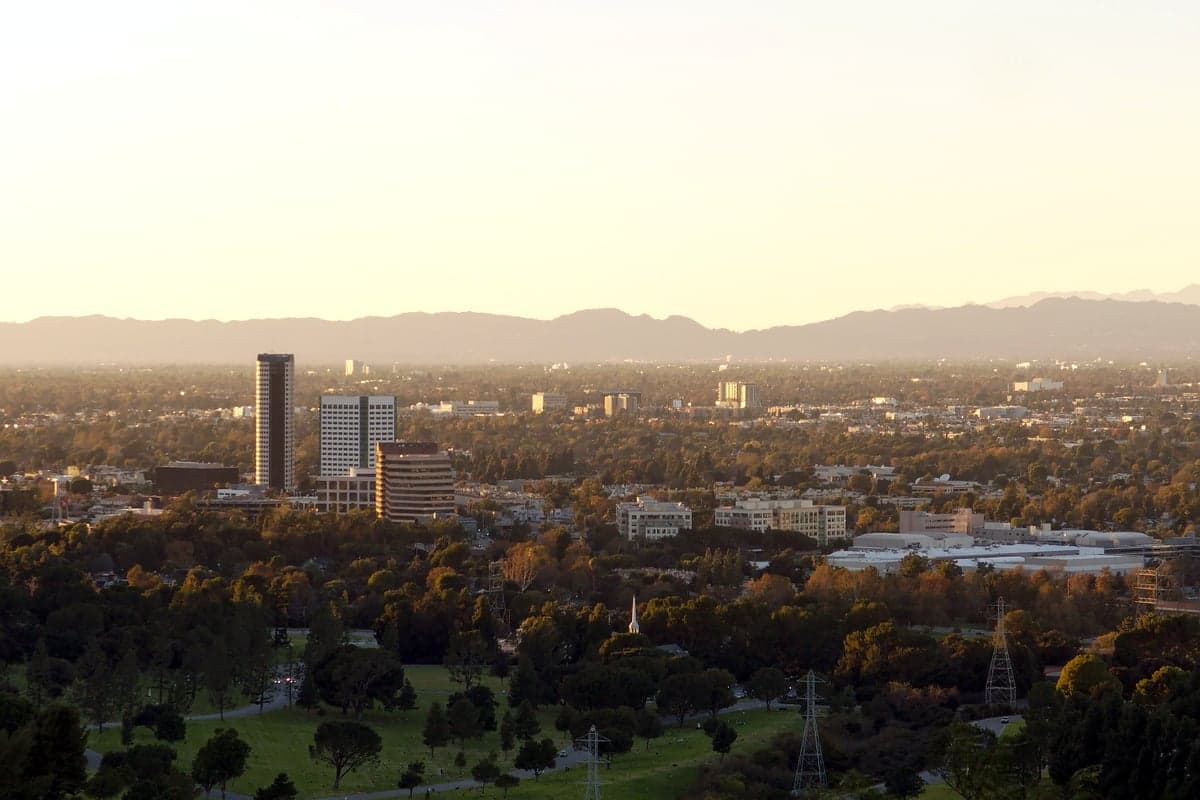
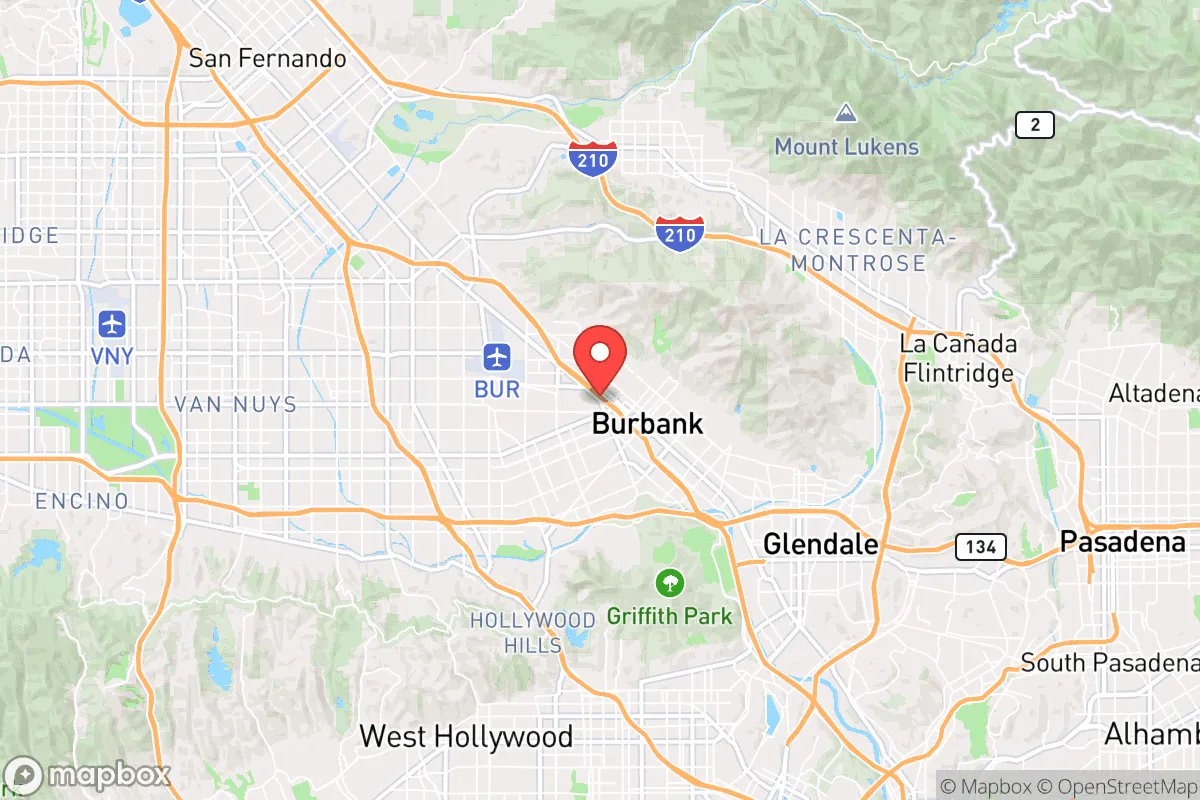
Burbank has a reputation as the "Media Capital of the World," but for the 105,165 people who actually live here, it feels more like a small, slightly glamorous suburb that happens to be sandwiched between Hollywood and the Verdugo Mountains. It’s the kind of place where you might see a Warner Bros. studio tour bus roll past your neighborhood coffee shop, but the real draw is the quiet, walkable neighborhoods and a downtown that actually feels like a downtown. If you’re looking for a California city that balances creative industry jobs with a strong sense of community, Burbank is a serious contender — but the price tag is steep.
The Daily Rhythm: Work, Commute, and Weekend Life
Daily life here revolves around the studios and the local grid. With a median age of 39.8, Burbank skews older than much of Los Angeles County, meaning you’ll find a lot of established professionals, families, and empty-nesters rather than a transient 20-something crowd. The average commute is about 26 minutes, which is a genuine luxury for the LA area — many residents work at Disney, Warner Bros., or NBCUniversal and can bike or take a short drive to the lot. Weekends often mean a trip to the Burbank Farmers Market on Sunday mornings, hiking the trails at Wildwood Canyon or Stough Canyon Nature Center, or grabbing a beer at Lincoln Beer Company on Magnolia Boulevard. The downtown area on San Fernando Boulevard is where you’ll find the Burbank Town Center mall, indie bookstores like Once Upon a Time, and a surprisingly good food scene that includes the legendary Porto’s Bakery (the line moves fast, trust the process).
Sports, Community, and Local Identity
Burbank isn’t a pro-sports town in the way that, say, Boston is, but high school football is a genuine community event. The Burbank High Bulldogs and Burroughs High Indians rivalry games draw big crowds, and you’ll see “Go Bulldogs” signs in front yards during the season. For pro sports, residents are typically Dodgers or Angels fans, but the city’s proximity to Dodger Stadium (about 15 minutes without traffic) makes the Dodgers the default. The Burbank International Film Festival in September is a big deal locally, and the Burbank Oktoberfest at the St. Finbar Church grounds is a surprisingly authentic celebration with polka bands and bratwurst. Culturally, Burbank is proud of its mid-century modern architecture and its role in aviation history — the Burbank Bob Hope Airport (BUR) is a major convenience for travel, though the noise from planes can be a frustration for neighborhoods under the flight path.
What’s There to Do: Parks, Bars, and Entertainment
Outdoor life is a big part of the appeal. Griffith Park is literally next door, offering miles of hiking, the Los Angeles Zoo, and the Griffith Observatory with its iconic views. Inside Burbank, Johnny Carson Park is a popular spot for picnics and pickup soccer, and the Burbank Equestrian Center in Griffith Park offers horseback riding lessons. For nightlife, it’s more low-key than Hollywood — think craft cocktail bars like The Blue Room or dive bars like The Snug on Magnolia. The Burbank Comedy Festival in August brings stand-up acts to venues across the city. A notable quirk: Burbank has a strict no-fly zone over the city for drones, and the local police are known for enforcing noise ordinances strictly — this is not a party-all-night kind of place, and most residents prefer it that way.
Pros and Cons of Living Here
- Pro: Walkable downtown and strong local businesses. You can live in the “Magnolia Park” neighborhood and walk to restaurants, a movie theater, and the grocery store without getting in a car.
- Pro: Excellent schools and family-friendly vibe. The Burbank Unified School District is highly rated, and the city has a low violent crime rate compared to LA proper (though the violent crime rate of 341.8 per 100,000 is above the national average, it’s concentrated in specific areas).
- Con: Astronomical housing costs. The median home value is $1,041,100, and the cost of living index is 255 — more than double the U.S. average. Even with a median household income of $95,816, buying a home here requires serious financial planning or dual incomes.
- Con: Traffic and parking. While the commute is manageable, local traffic on Magnolia and Olive Avenue can be frustrating, and parking near downtown or the studios is a constant headache.
- Con: The “Burbank bubble.” Some residents feel the city can be insular — it’s easy to never leave Burbank, and the lack of diversity in some neighborhoods is a point of criticism.
Ultimately, Burbank works best for people who want the entertainment industry’s job opportunities without the chaos of living in Hollywood or Santa Monica. It’s a place where you can raise kids, have a career in production or tech, and still be 20 minutes from the beach on a good day. Just be ready for the price tag and the occasional plane overhead.

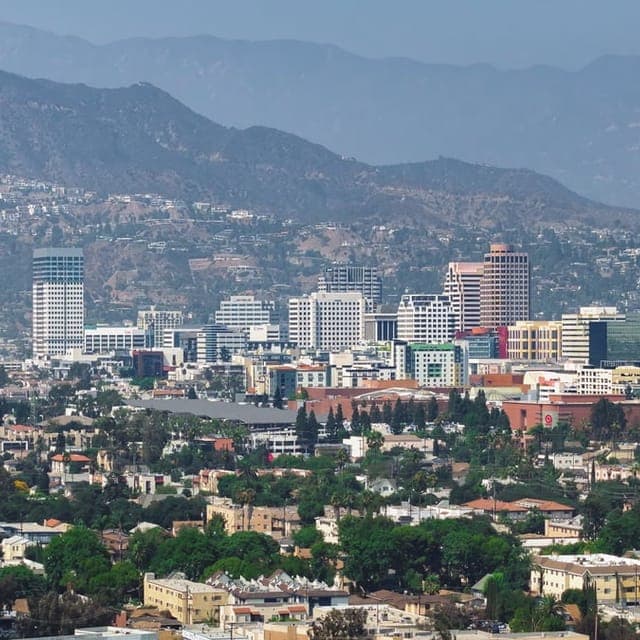
Similar small cities to Burbank
* Values derived from national, state, county, city and local statistics and may differ in a specific area. Last updated: 2026-08-20T05:11:06.000Z
Narrative content on this page is AI-generated and may contain mistakes. Verify any details that matter before acting on them.
ReloMaps may earn a commission from affiliate links at no extra cost to you.

