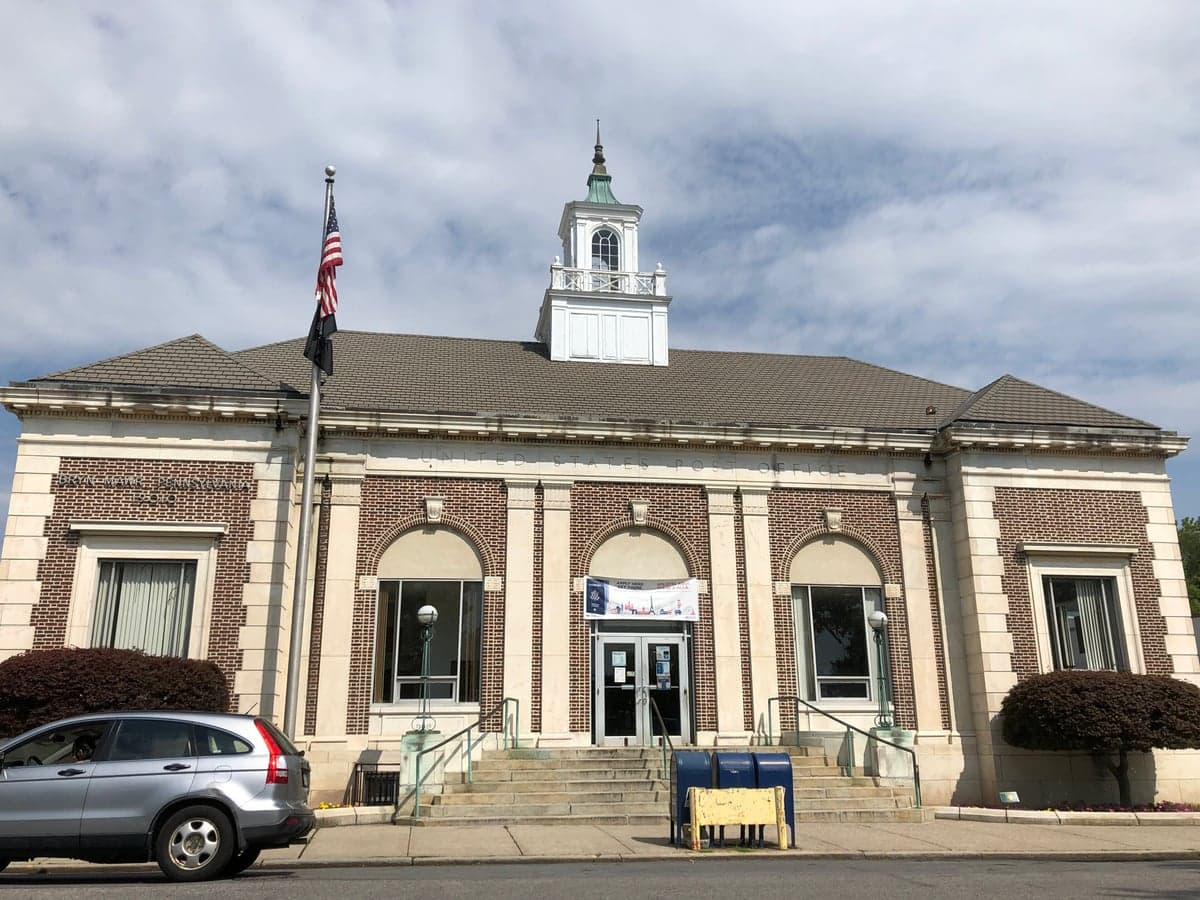
Photo: Wikipedia
Quality of Life in Bryn Mawr, PA
Above-average quality of iife. The area offers a reasonable cost of living, decent mobility, and a mix of neighborhood amenities.
What does Quality of Life tell us?
Quality of Life blends cost of living, nearby amenities, socioeconomic signals, and neighborhood character. City-level scores represent the whole municipality; individual neighborhoods can differ.
What does this tell us?
Quality of Life blends cost of living, nearby amenities, socioeconomic signals, and neighborhood character. City-level scores represent the whole municipality; individual neighborhoods can differ.
Cost of Living
65% above national average
The Real Cost of Living in Bryn Mawr, PA for 2026
| Tier | Individual | Family (4) |
|---|---|---|
| Survival | $34k | $63k |
| Comfortable | $76k | $112k |
| Luxury | $158k+ | $244k+ |
| Elite (Top 5%) | $281k+ | $436k+ |
78%
The Area Signal
A metric tracking the socioeconomic signals of the area.
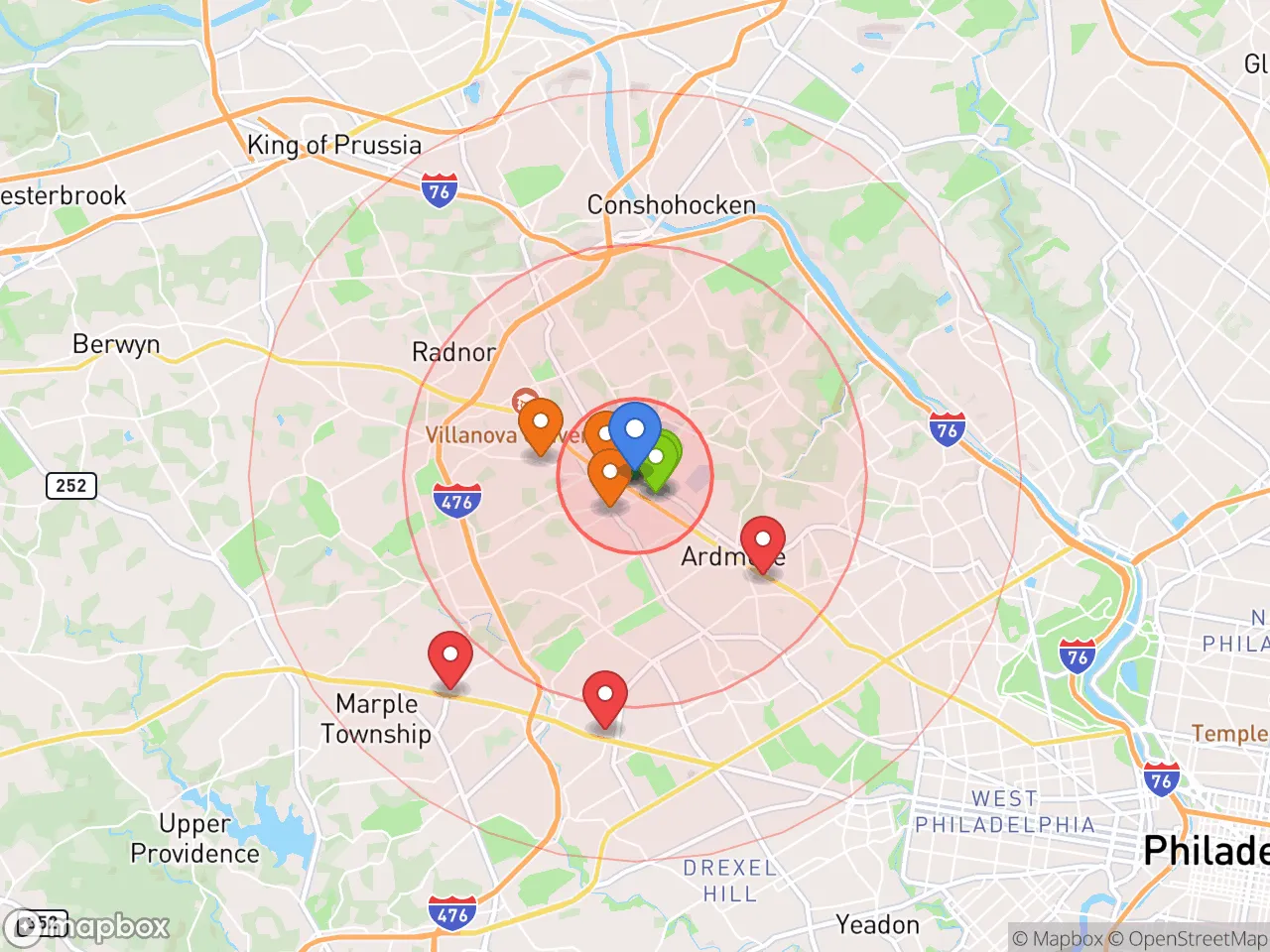
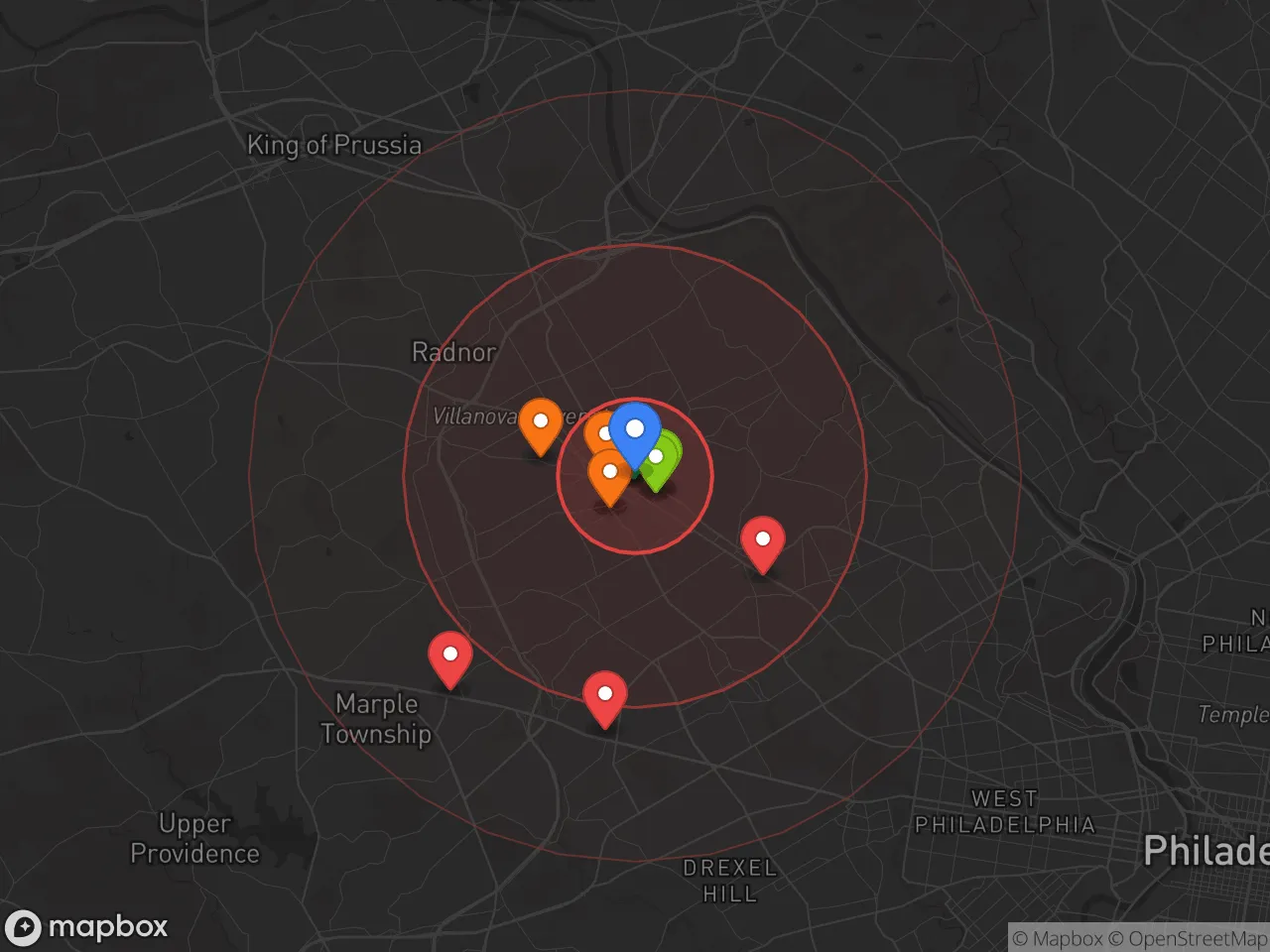
Hobbies
Explore the areaGroceries
0 within 10 miles
Gas
0 within 10 miles
Hospital
0 within 20 miles
Airport
PHL — Philadelphia International
Post Office
Critical Amenities
Quality-of-Life Analysis
Bryn Mawr, Pennsylvania, is an affluent Main Line suburb that consistently ranks among the most desirable places to live in the Philadelphia metro area. With a cost of living index of 165 (65% above the U.S. average), the community attracts professionals, academics, and executives who prioritize top-tier schools, historic charm, and proximity to Center City Philadelphia. The population skews highly educated and family-oriented, with a median household income well above the national figure, creating a stable, amenity-rich environment where daily life revolves around village centers, train stations, and leafy residential streets.
Cost of living, housing costs, and how Bryn Mawr compares to nearby suburbs
Bryn Mawr’s cost of living is substantially higher than both the Pennsylvania average and neighboring communities like Ardmore or Narberth, driven almost entirely by housing. The median home value sits at $391,900, while the median rent is $2,113 per month—figures that are roughly 30-40% above the Philadelphia suburban average. Compared to pricier Main Line enclaves like Gladwyne or Villanova, however, Bryn Mawr offers relatively more entry points, particularly in the form of condos, townhomes, and older single-family homes near the Bryn Mawr train station. Property taxes in Lower Merion Township are among the highest in Montgomery County, but residents gain access to one of the state’s top-rated public school systems. For renters, the $2,113 median rent is competitive for the area, though studio and one-bedroom units in newer luxury buildings near Lancaster Avenue can exceed $2,500. The average commute of 24.9 minutes—well under the national average—reflects the convenience of SEPTA’s Paoli/Thorndale Regional Rail line, which reaches 30th Street Station in about 20 minutes, making the higher housing costs a trade-off for time saved.
What daily life is like for families: schools, walkability, and local amenities
Daily life in Bryn Mawr centers on a walkable village core along Lancaster Avenue and Old Lancaster Road, where residents find independent bookstores, coffee shops, farm-to-table restaurants, and the historic Bryn Mawr Film Institute. The community is served by the Lower Merion School District, consistently ranked among Pennsylvania’s top five, with Bryn Mawr Elementary and Welsh Valley Middle School feeding into Lower Merion High School—a perennial national Blue Ribbon school. For higher education, Bryn Mawr College anchors the cultural and intellectual life of the town, offering public lectures, concerts, and a renowned arboretum. The area’s walk score is moderate (mid-50s), but the presence of the SEPTA station, plus bike lanes and sidewalks along key corridors, makes errands feasible without a car for many residents. Parks such as Harriton House and the 200-acre Rolling Hill Park provide immediate access to hiking trails and open space. The rhythm of life is notably quieter than Center City, yet the train puts Philadelphia’s museums, sports venues, and airport within a 30-minute door-to-door reach, giving families a suburban pace with urban connectivity.
Bryn Mawr is best suited for professionals and families who value exceptional public schools, a short commute to Philadelphia, and a walkable village atmosphere without the intensity of city living. Empty-nesters downsizing from larger Main Line homes also find the area appealing, thanks to its mix of condos, proximity to medical facilities like Main Line Health Bryn Mawr Hospital, and cultural offerings. Those seeking a lower cost of living or a more diverse housing stock may prefer Ardmore or Conshohocken, but for buyers and renters who can absorb the premium, Bryn Mawr delivers a consistently high quality of life anchored by education, convenience, and community stability.

Crime in Bryn Mawr, PA
Generally safer than 57% of comparable U.S. locations.
Violent CrimeViolent Crime Analysis
Property CrimeProperty Crime Analysis
Crime Analysis
Bryn Mawr, Pennsylvania, presents a mixed safety profile for prospective residents. The community's violent crime rate of 227.6 incidents per 100,000 residents is notably lower than the national average, but its property crime rate of 1,350.4 per 100,000 is significantly higher. As a suburban enclave within the Philadelphia metropolitan area, Bryn Mawr’s safety picture is heavily influenced by the broader regional trends and the progressive criminal justice policies enacted by officials in surrounding jurisdictions.
Crime in context
When compared to state and national benchmarks, Bryn Mawr’s violent crime rate is a clear positive. The national average for violent crime hovers around 380 per 100,000, meaning Bryn Mawr’s rate is roughly 40% lower. However, the property crime rate tells a different story. At 1,350.4 per 100,000, it exceeds the national average of approximately 1,950 per 100,000 but is still a concern for residents. The more pressing issue is the regional environment. As part of the Philadelphia metro area, Bryn Mawr is subject to the effects of progressive district attorneys and judges in nearby counties who prioritize diversion programs and reduced sentencing. This ideological approach, while sympathetic to offenders, has been linked to higher recidivism and a greater number of criminals on the street, directly impacting public safety and justice for victims.
What residents experience
Daily life in Bryn Mawr is generally quiet, but property crime is the most tangible threat. Residents frequently report package thefts, vehicle break-ins, and occasional burglaries, particularly in areas near the train station and commercial corridors. The presence of Lower Merion Township Police provides a visible deterrent, but the force is stretched thin by the region's overall crime trends. The progressive legal environment means that even when suspects are caught, they often face minimal consequences, creating a cycle of repeat offenses. For families and long-term residents, this translates to a need for constant vigilance—locking cars, securing packages, and investing in home security systems. The violent crime rate is low, but the fear of property crime and the perception of a lenient justice system are the dominant safety concerns.
Neighborhood-level variation is significant. Areas closer to the Bryn Mawr Hospital and the main commercial district along Lancaster Avenue experience higher foot traffic and, consequently, more petty crime. In contrast, the quieter residential streets north of Montgomery Avenue and near the Bryn Mawr College campus tend to see fewer incidents, though no area is immune. The college itself maintains its own public safety department, which adds an extra layer of security for that immediate vicinity. Ultimately, while Bryn Mawr is safer than many urban neighborhoods, the combination of elevated property crime and a regional progressive justice system that prioritizes offender rehabilitation over public protection means residents must remain proactive about their safety.
* Values derived from national, state, county, city and local statistics and may differ in a specific area. Last updated: 2026-11-05T02:23:43.000Z
Narrative content on this page is AI-generated and may contain mistakes. Verify any details that matter before acting on them.
ReloMaps may earn a commission from affiliate links at no extra cost to you.

