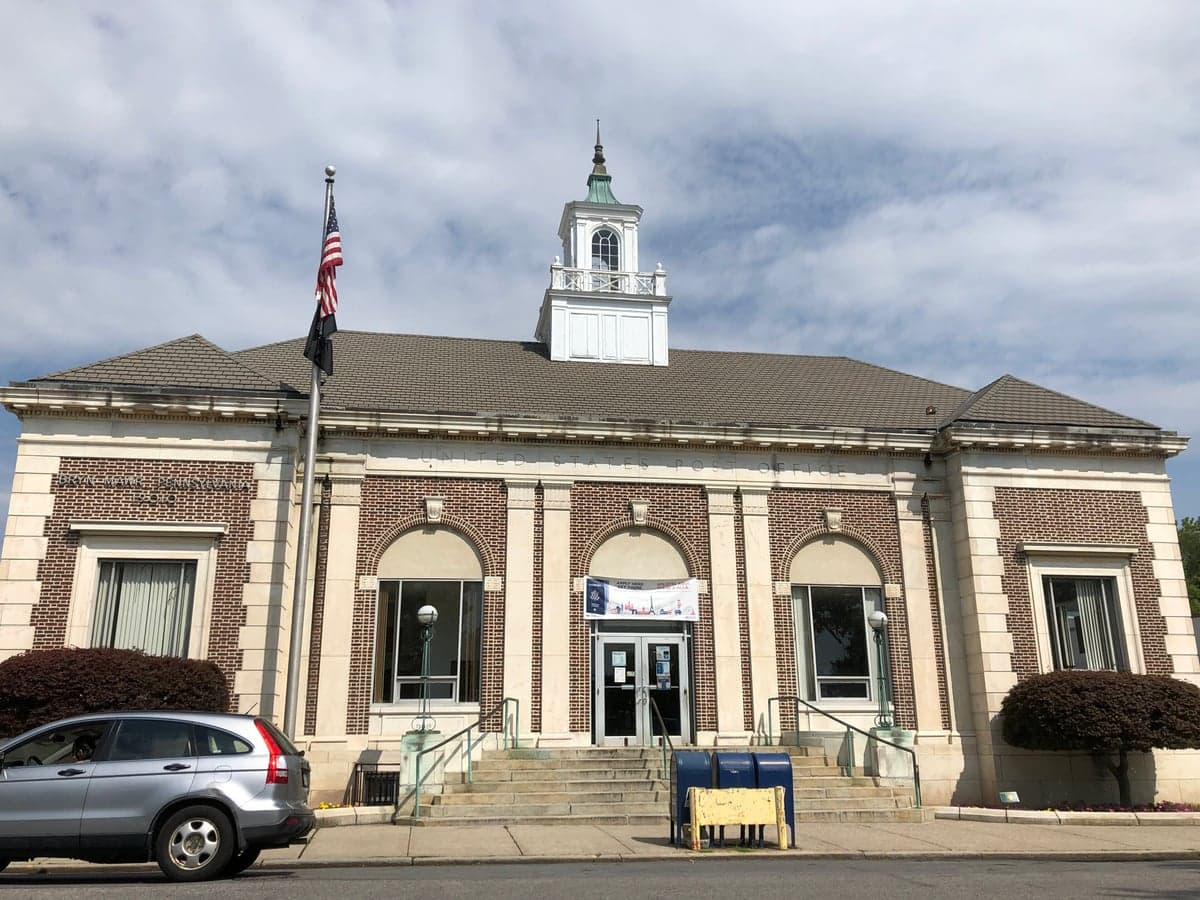
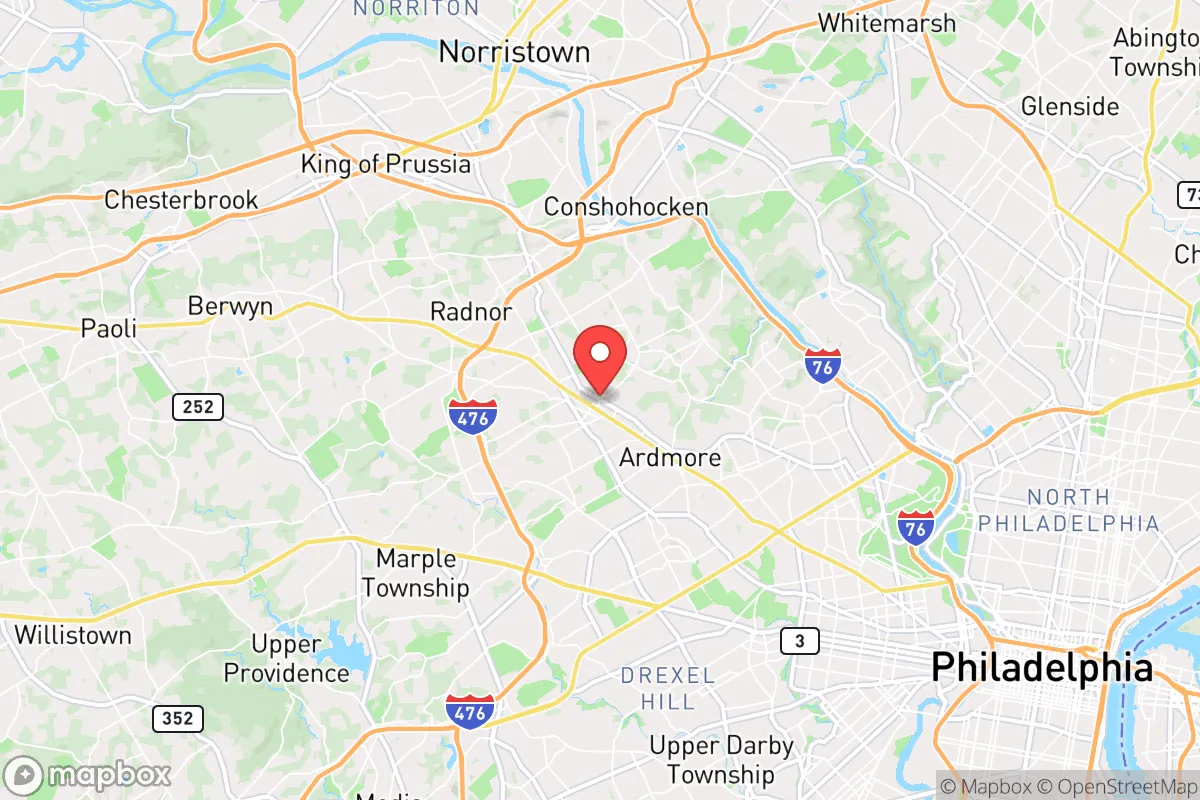
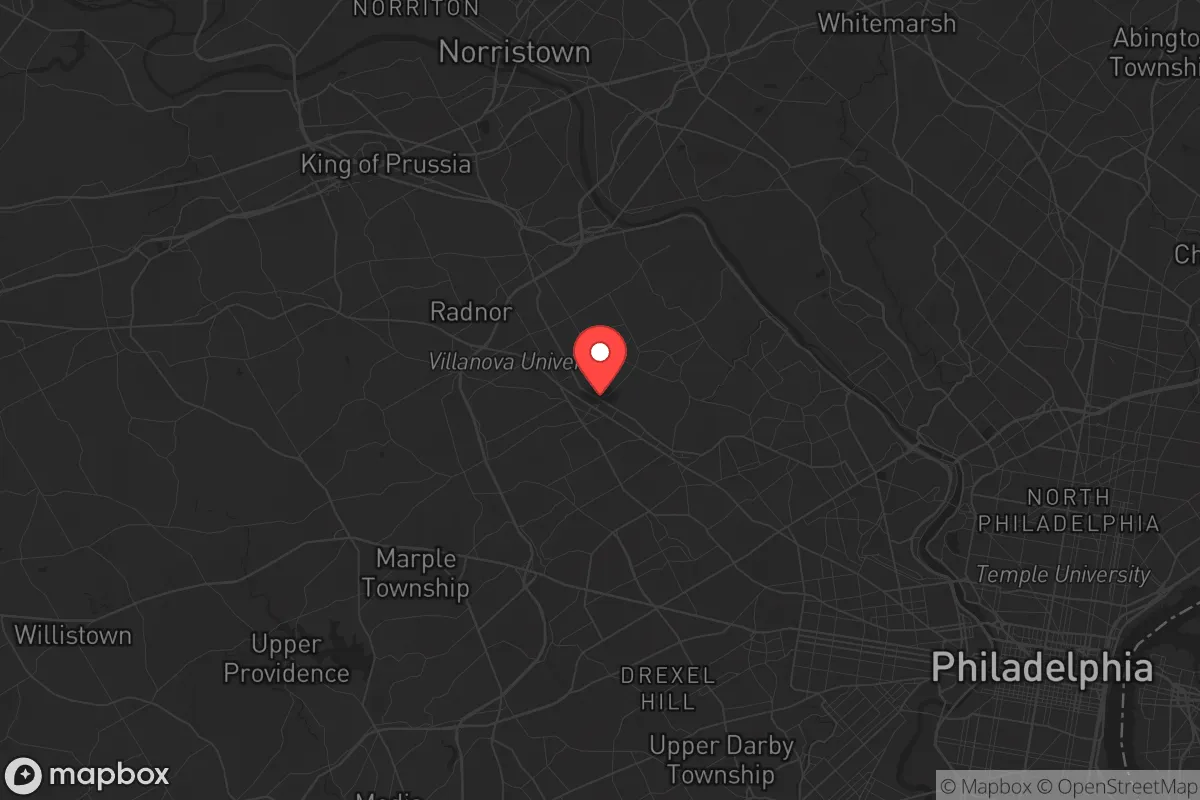
Photo: Wikipedia
Find The Best Places To Live
in Bryn Mawr
PRO TIP! You can paste a Zillow or Redfin link to get info on that property.
Compare Bryn Mawr with another place
What It's Like Living in Bryn Mawr, PA
Bryn Mawr feels less like a standalone town and more like a crossroads of worlds — part historic Main Line village, part college campus, part commuter hub for Philadelphia. With a population just under 5,800, it’s compact, but the median age of 25.1 tells you right away this isn’t a typical sleepy suburb; the presence of Bryn Mawr College and a steady stream of young professionals tilts the energy younger than you’d expect for a place with $391,900 median home values. You’ll see as many students biking to class as families pushing strollers toward the coffee shops on Lancaster Avenue, and the whole place hums with a quiet, bookish ambition.
Daily Rhythm: Campus Meets Commuter Corridor
Most mornings in Bryn Mawr start with a line at Bryn Mawr Coffee Shop or the Bryn Mawr Farmers Market (seasonal, Saturdays on the college green). By 8 a.m., Lancaster Avenue is thick with SEPTA buses and cars heading toward the Bryn Mawr train station — the average commute clocks in at about 25 minutes, which is genuinely manageable for a Philadelphia suburb, and many residents ride the Paoli/Thorndale line straight to Center City in under 30 minutes. The college campus itself functions as the town’s de facto park; locals walk dogs on the paths, attend lectures open to the public, and use the library as a quiet workspace. Evenings tend to be low-key: dinner at White Dog Cafe (farm-to-table, reliably good) or a beer at McShea’s Pub, a no-frills Irish bar that’s been here forever. There’s no nightclub scene — the nightlife is more “wine with neighbors on a porch” than “last call at a club.”
For families, the school system is the gravitational center. Radnor Township School District and Lower Merion School District both serve parts of Bryn Mawr, and they’re a major reason home values hold steady. School sports — especially Radnor High School football and Lower Merion basketball — draw real crowds on Friday nights. If you don’t have kids, you might not notice, but if you do, the school calendar effectively dictates the social rhythm of the town from September through June.
Sports, Festivals, and What People Actually Do for Fun
Bryn Mawr doesn’t have its own pro team, but it sits in the gravitational pull of Philadelphia sports — you’ll see Eagles flags on porches during the season, and the local bars fill up for Phillies playoff games. High school sports are the more immediate community glue. Lower Merion High School basketball has a storied history (Kobe Bryant played there), and games against Radnor or Harriton are genuine events. For outdoor recreation, Harvey Run Park offers a solid network of trails, and Chanticleer Garden in nearby Wayne is a favorite for lazy Sunday walks — it’s a former estate turned public pleasure garden, free on certain days.
The biggest annual event is Bryn Mawr Day in September, a street fair on Lancaster Avenue with live music, food trucks, and a parade that feels like the whole town shows up. The college also hosts a steady stream of concerts, art exhibits, and guest speakers that are open to the public — it’s a real perk for residents who want cultural programming without driving to Philly. For a bigger night out, you’re 20 minutes from the Kimmel Center or the Mann Music Center in Fairmount Park.
Pros and Cons of Living Here
- Pro: Walkable core. The village center around Lancaster and Montgomery Avenues has a grocery store (Acme), a pharmacy, several restaurants, and the train station — you can genuinely live without a car for errands if you work in Philly.
- Con: Cost of living. The index sits at 165 (65% above the national average). That $391,900 median home value buys you a rowhome or a small single-family — not a mansion. Rentals are tight and expensive, especially near the college.
- Pro: Educated, engaged neighbors. Over 61% of adults hold a bachelor’s degree or higher. Conversations at the farmers market or a block party tend to be substantive — people care about local politics, schools, and the environment.
- Con: Traffic on Lancaster Avenue. It’s a state road that cuts through town, and during rush hour it backs up badly. The train is the smarter choice for commuting, but if you drive, patience is required.
- Pro: Low violent crime. The rate of 227.6 per 100,000 is below the national average for a suburb its size. Property crime is more of a concern (package thefts, car break-ins near the train station), but violent incidents are rare.
- Con: Not a nightlife destination. If you want bars open past midnight or a lively music scene, you’re heading to Philadelphia or Conshohocken. Bryn Mawr is quiet after 10 p.m., which is exactly what some people want and exactly what others find dull.
Who Fits In — and Who Might Not
Bryn Mawr works best for people who value intellectual community, walkability, and easy access to a major city without living in it. The median income of $87,218 suggests a mix of academics, healthcare professionals (Main Line Health is a major employer), and remote workers who chose this for the train line. It’s less suited for someone seeking a big backyard, a car-centric lifestyle, or a vibrant singles scene — the social fabric here is built around college life, school-age families, and established professionals. The weather follows typical Mid-Atlantic seasons: humid summers, crisp autumns, cold winters with occasional snow (the town handles it well), and a gorgeous spring when the college’s cherry trees bloom. The cultural quirk you’ll notice most: people here take their coffee, their books, and their local governance seriously. It’s a place where a zoning board meeting can draw 50 people, and where the biggest controversy in recent memory was about a proposed Wawa. If that sounds like your kind of drama, you’ll feel right at home.

Similar small towns to Bryn Mawr


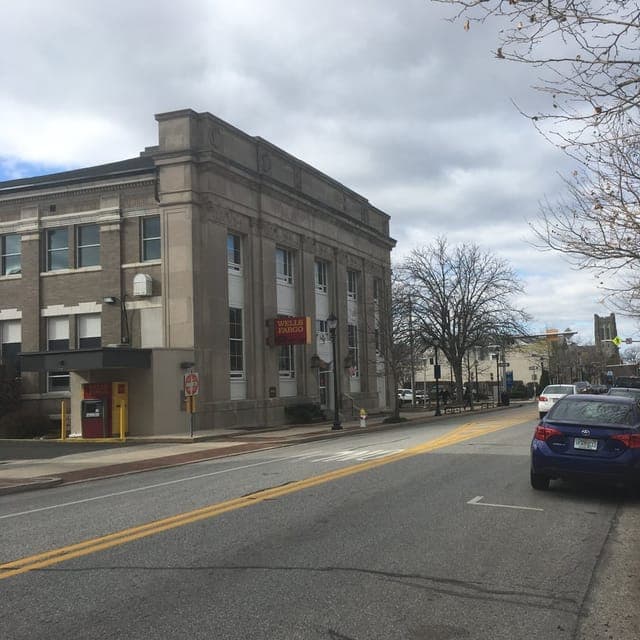
* Values derived from national, state, county, city and local statistics and may differ in a specific area. Last updated: 2026-11-05T02:23:43.000Z
Narrative content on this page is AI-generated and may contain mistakes. Verify any details that matter before acting on them.
ReloMaps may earn a commission from affiliate links at no extra cost to you.

