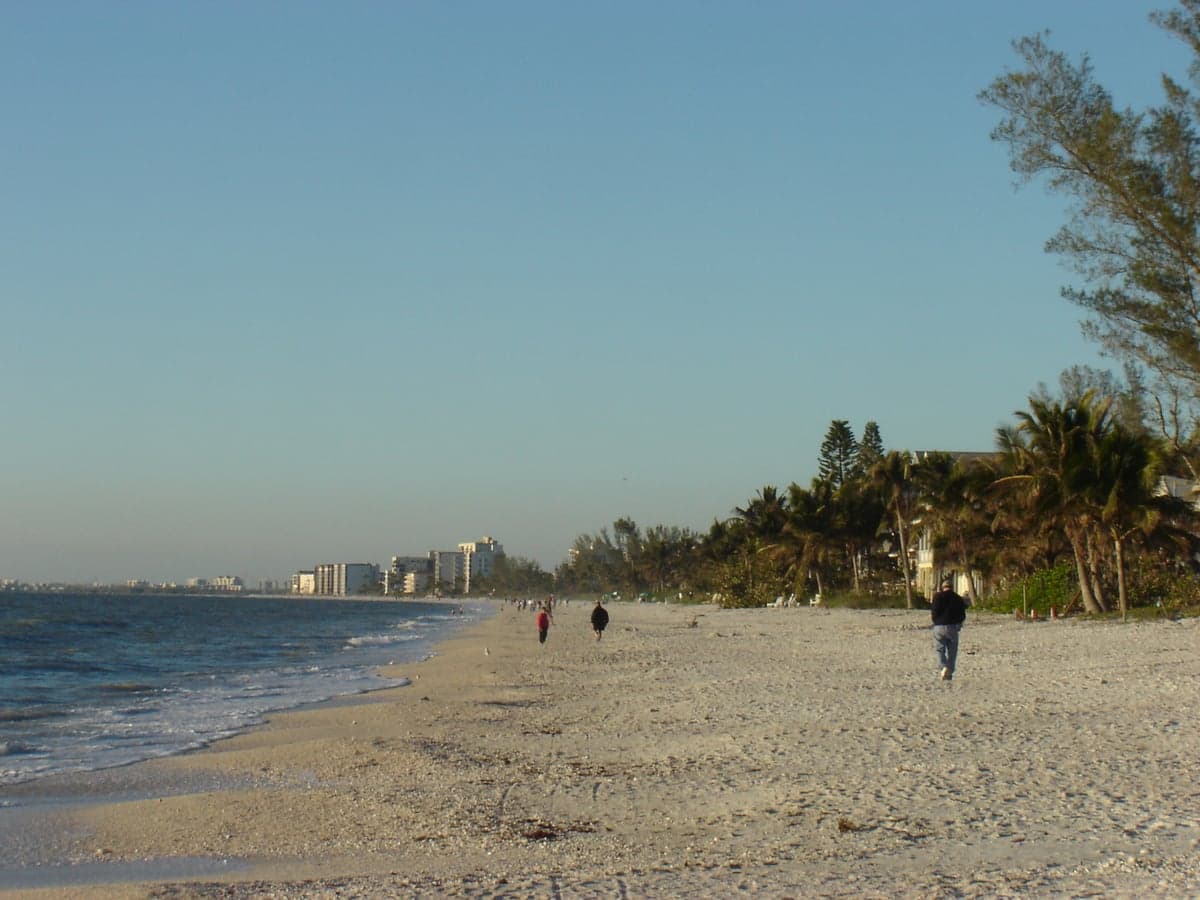
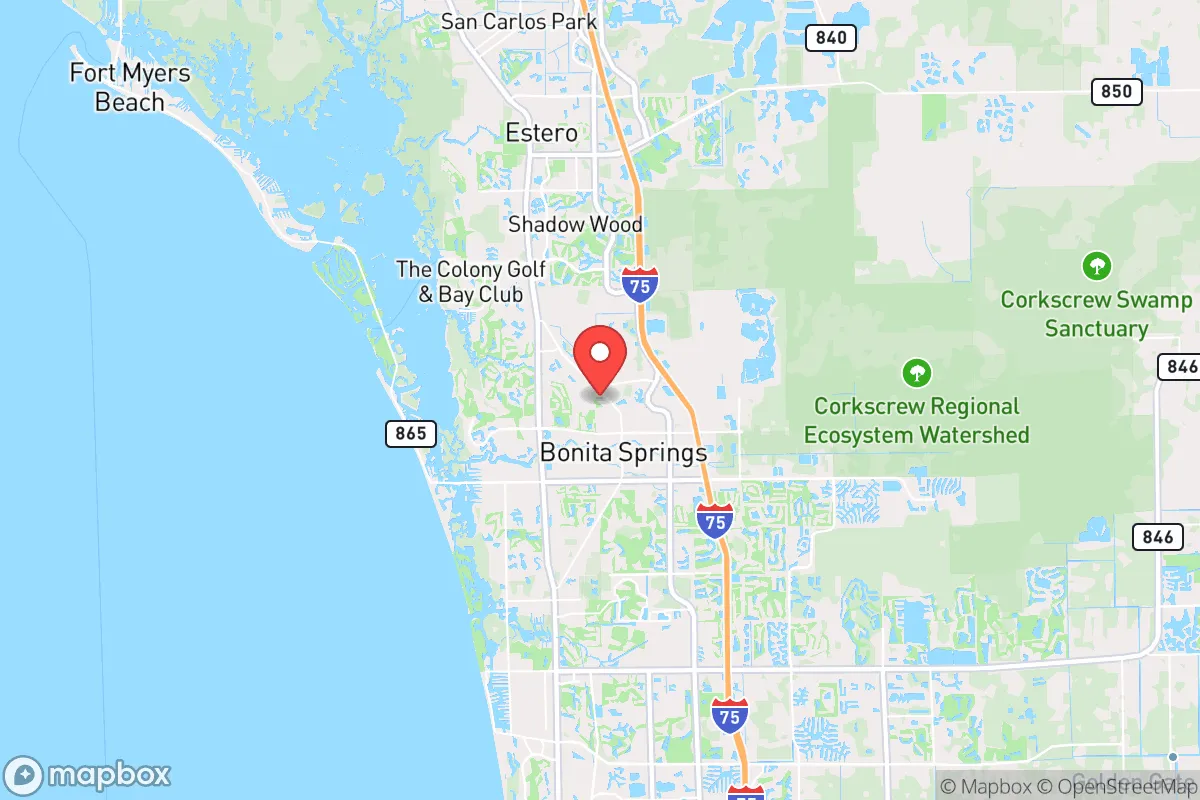
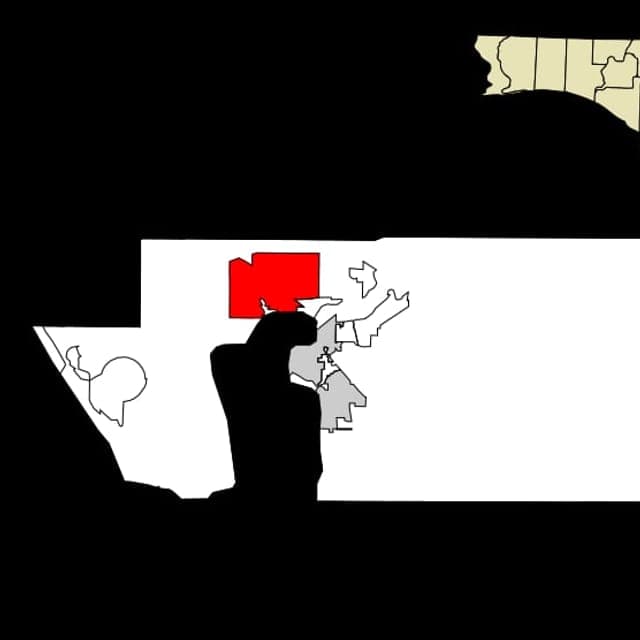
Photo: Wikipedia
Find The Best Places To Live
in Bonita Springs
PRO TIP! You can paste a Zillow or Redfin link to get info on that property.
What It's Like Living in Bonita Springs, FL
If you picture Southwest Florida living but want something that feels a notch quieter than Naples and a step more established than Estero, Bonita Springs is where that sweet spot lands. It’s a town of about 55,000 people where the median age hovers just over 61, meaning the rhythm here is decidedly relaxed—think early dinners, golf carts in the grocery store parking lot, and weekends spent on the water rather than in a nightclub. The identity is less “retirement community” and more “active adult lifestyle,” with a noticeable contingent of families and working professionals who appreciate the slower pace without wanting to feel disconnected from modern amenities.
The Daily Rhythm: Slow Mornings, Active Afternoons
Most mornings in Bonita Springs start with coffee at a place like Java D’Lite or a walk along the Everglades Wonder Gardens boardwalk, a historic wildlife sanctuary that’s been part of the town since the 1930s. By mid-morning, you’ll see retirees heading to the Bonita Springs YMCA for water aerobics, while younger families load up for a day at Barefoot Beach Preserve—one of the few undeveloped stretches of Gulf shoreline left in Lee County. The average commute here is just over 23 minutes, which is manageable by Florida standards, though the stretch of US-41 through town can feel like a parking lot during snowbird season (roughly November through April). Most errands are run at the Promenade at Bonita Bay or the newer Bonita Commons, where you’ll find Publix, Target, and a solid mix of chain and local restaurants. Dinner reservations at 5:30 PM are common, and the town largely shuts down by 9 PM—locals like it that way.
Sports & Community: High School Loyalty and Spring Training Energy
Sports culture here is split between two very different worlds. On one side, you have Bonita Springs High School athletics—football games on Friday nights are a genuine community gathering, with the Bullsharks drawing solid crowds from families and alumni. On the other side, spring training brings Boston Red Sox and Minnesota Twins fans to nearby JetBlue Park and Hammond Stadium, both about a 20-minute drive north in Fort Myers. During February and March, you’ll see a sea of red and navy blue jerseys at local restaurants like Doc’s Beach House or The Turtle Club. Golf is the unofficial sport of the town, with over a dozen courses in the immediate area, including the private Bonita Bay Club and the semi-private Raptor Bay. Pickleball has exploded in popularity, with courts at Riverside Park packed from sunrise until the heat becomes unbearable.
What’s There to Do: Water, Wildlife, and a Little Nightlife
Weekends here revolve around the water. Residents spend them kayaking the Imperial River, which runs right through downtown, or fishing off the pier at Little Hickory Island Beach Park. The Bonita Springs Farmers Market runs from October through May and is a serious social event—expect live music, fresh citrus, and local honey vendors. For entertainment, the Centers for the Arts Bonita Springs hosts concerts, plays, and art classes, while the Southwest Florida Performing Arts Center in nearby Estero brings in touring acts. The biggest annual event is the Bonita Springs National Art Festival in January, which draws artists from across the country and turns the downtown area into a sprawling outdoor gallery. Nightlife is limited but not nonexistent—The Ranch House is a dive bar with a loyal local following, and Mermaid Bar & Grill offers live music and a waterfront deck. If you want a proper club scene, you’re driving to Naples or Fort Myers.
Pros and Cons of Living Here
- Pro: The weather is genuinely enviable. From October through May, you get low humidity, blue skies, and temperatures in the 70s. It’s the reason most people move here.
- Con: Summer is a different story. June through September brings oppressive humidity, daily afternoon thunderstorms, and the ever-present threat of hurricane season. Air conditioning is non-negotiable.
- Pro: The cost of living buys a specific lifestyle. With a median home value around $460,600 and a median household income of $90,486, Bonita Springs is expensive compared to the national average (cost of living index of 159), but you’re paying for proximity to the Gulf, low crime rates (violent crime at 209.9 per 100K, below the national average), and a community that values quiet and safety.
- Con: Seasonal traffic and crowds. From January through March, the population swells, and US-41 becomes a slog. Locals learn to avoid it between 4 PM and 6 PM, or they simply stay home.
- Pro: Schools are a community anchor. The Lee County school district serves Bonita Springs, and while it’s not the highest-ranked in the state, schools like Bonita Springs Elementary and Bonita Springs Middle School are well-supported by local families. The high school is relatively new (opened 2018) and has become a point of pride.
- Con: It’s not a young person’s town. With a median age of 61.2, singles under 30 or families with teenagers may find the social scene thin. Most nightlife and dating options require a drive to Fort Myers or Naples.
Bonita Springs works best for people who want the Florida beach lifestyle without the chaos of a tourist hub. It’s a place where you know your neighbors, wave at the same people at the farmers market, and plan your errands around snowbird season. The trade-off is a slower pace and fewer late-night options, but for those who value peace, safety, and easy access to the water, it’s a trade most are happy to make.

Similar small cities to Bonita Springs

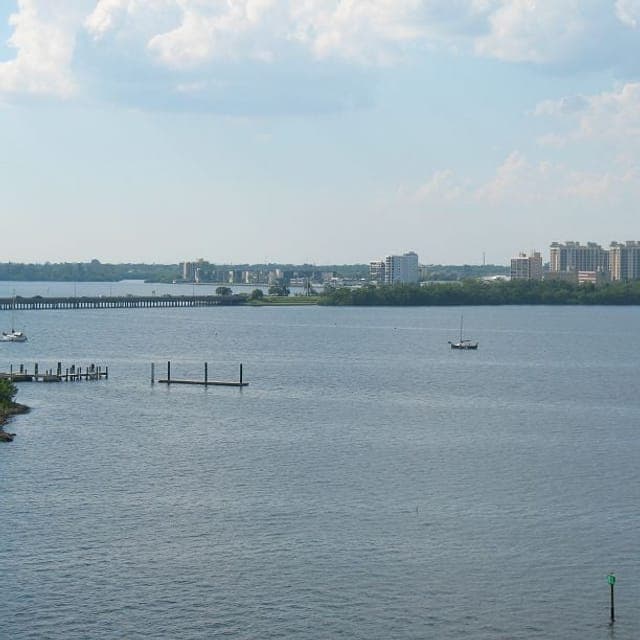

* Values derived from national, state, county, city and local statistics and may differ in a specific area. Last updated: 2026-09-17T20:18:06.000Z
Narrative content on this page is AI-generated and may contain mistakes. Verify any details that matter before acting on them.
ReloMaps may earn a commission from affiliate links at no extra cost to you.

