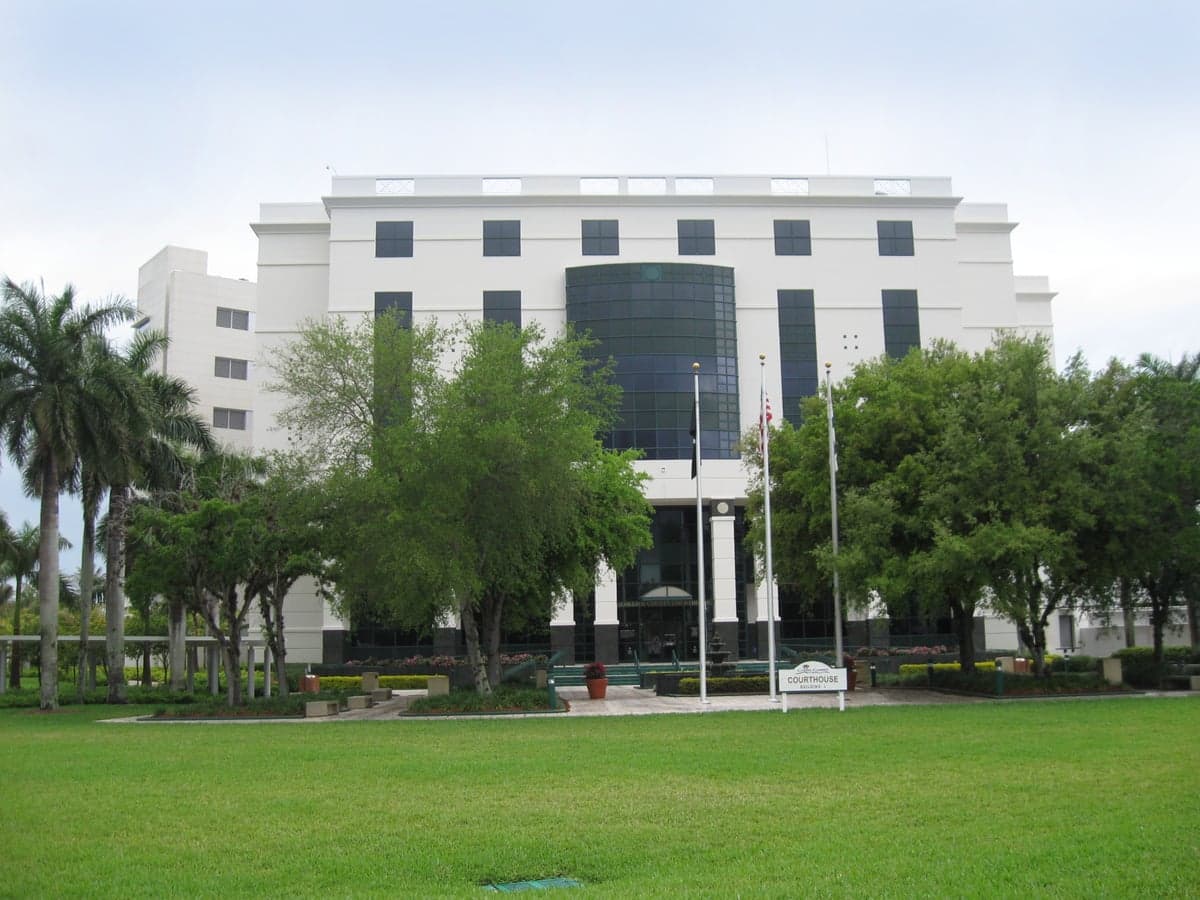
Photo: Wikipedia
Find The Best Places To Live in Collier County
PRO TIP! You can paste a Zillow or Redfin link to get info on that property.
Best Places to Live in Collier County

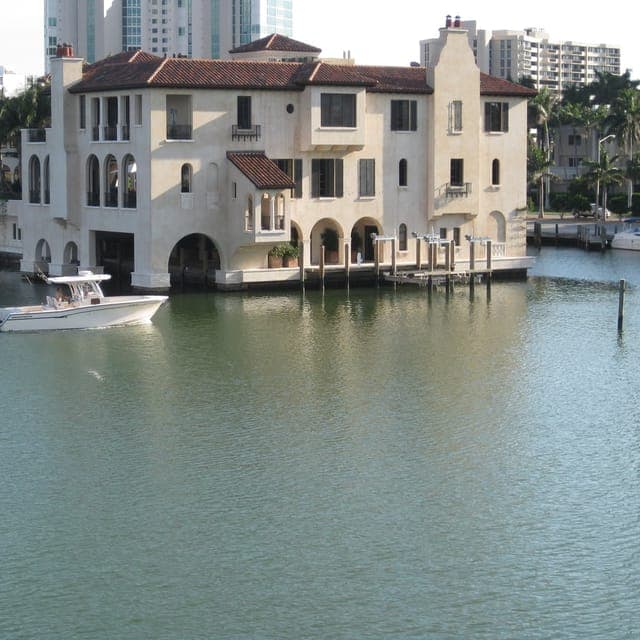
Cities & Towns in Collier County
Cities in Collier County
What It's Like Living in Collier County, FL
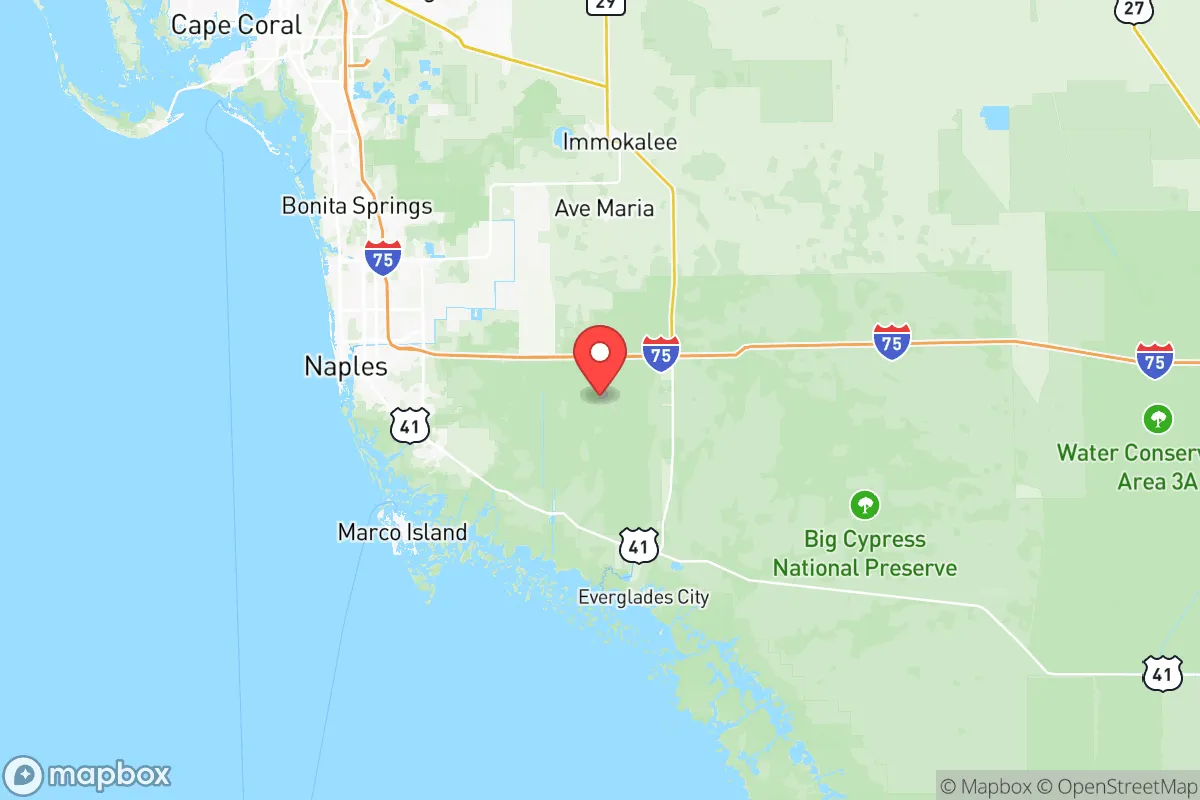
Living in Collier County means trading the alarm clock for the Gulf sunrise, where life slows down just enough to notice the tides. This sprawling southwest Florida county, home to just under 388,000 people, is a study in contrasts—the polished, pricey streets of Naples contrast sharply with the working-class grit of Immokalee and the quiet, pine-shaded lanes of Ave Maria. Whether you’re a retiree, a remote worker, or a family looking for good schools, the pace here is dictated by the weather, the snowbird season, and a deep, unspoken agreement that the beach and the boat trump almost everything else.
The Daily Rhythm: Beach Days, Traffic Jams, and Snowbird Seasons
If you live in Naples, your weekend mornings likely start with a walk along the Naples Pier or a kayak through the mangrove tunnels of the Rookery Bay Reserve. Afternoons might mean lunch at a waterfront spot like The Dock at Crayton Cove, where the grouper sandwiches are as reliable as the sunset. For groceries, you’ll find Publix on nearly every corner, but the real local color is at the Naples Farmers Market on Saturdays, where the stone crab claws and Key lime pies sell out before 10 AM. The median age here is 53.1, which shapes the daily vibe—there’s less late-night diner traffic and more midday yoga and early-bird dinner reservations. People dress for comfort, not fashion; flip-flops and Tommy Bahama shirts are the unofficial uniforms.
But the daily rhythm has friction. From January through March, U.S. 41 (Tamiami Trail) and I-75 clog with snowbirds, turning a 15-minute commute into a 40-minute crawl. The average commute countywide is a manageable 25 minutes, but residents know that number jumps by 50% in season. Ave Maria, the planned Catholic town east of Naples, runs its own rhythm entirely—less beach traffic, more bike rides to the downtown oratory, and a younger family crowd that fills the town’s coffee shop and pizza joint. The contrast is sharp: in Immokalee, life revolves around the agricultural calendar, with early mornings at the produce stands, while Marco Island feels like a perpetual vacation for its year-rounders, who wave at neighbors outside the island’s CVS like they’re all members of the same small club.
Sports, Community, and the Big Night Out
High school football isn’t just a sport here—it’s a community ritual. Naples High School’s Golden Eagles pack the bleachers on Friday nights, and a playoff run can shut down local sports bars. There are no major pro teams within the county, but the Florida Everblades hockey team (in nearby Estero) and spring training for the Boston Red Sox in Fort Myers pull in Collier County residents on weekends. For nightlife, Fifth Avenue South in Naples is the main drag—a mix of high-end galleries, wine bars (try Aurelio’s or The French), and live music spots like The Bevy. Locals who want a quieter night head to Mercato, an outdoor shopping and dining complex near Vanderbilt Beach, where the crowd is a blend of retirees and young professionals watching a cover band at Whiskey Park.
The cultural calendar is packed with festivals that define the local identity. The Naples Winter Wine Festival raises millions for children’s charities and is a spectacle of philanthropy and wine-tasting. The Marco Island Seafood Festival in March is a grease-and-beer affair where locals trade recipes and stone-crab-fishing tales. And in Immokalee, the Immokalee Heritage Festival celebrates the community’s agricultural roots with live music, tamales, and a cattle show. For outdoor enthusiasts, the Fakahatchee Strand Preserve State Park offers boardwalk hikes through the largest strand swamp in Florida, where you might spot a ghost orchid or a Florida panther—if you’re lucky.
Pros and Cons of Living in Paradise
- What longtime residents love: The sheer absurdity of the sunsets—every night is a postcard. The access to pristine beaches like Delnor-Wiggins Pass State Park and Lowdermilk Park, which feel private even on busy days. The quality of public schools in Naples and Marco Island—learning institutions like Sea Gate Elementary draw families from across the state. The slow, easy friendship of neighbors who aren’t rushing.
- What drives them crazy: The cost of living index of 159 (nearly 60% above the national average). A median home price of $486,800 means Marco Island waterfront condos and Naples Park cottages are out of reach for most middle-class buyers, pushing young families east toward Ave Maria or Golden Gate Estates. The summer humidity and hurricane anxiety—August through October means tracking storms on the Weather Channel. And the seasonal crowding: locals joke that they hibernate in their own homes from January to March, avoiding the restaurant lines.
The violent crime rate of 207 per 100,000 is on par with the national average, but property crime in tourist-heavy areas (especially Naples’ Old Naples and Vanderbilt Beach) spikes in season. The median income of $86,173 supports a comfortable middle-class lifestyle for couples or remote workers, but single individuals often room-share to afford rent near the coast. The academic pulse is real—39.5% of adults hold a college degree, which shows in the book clubs, lecture series at Naples Art Institute, and the lively debate at city council meetings about development versus conservation. This is a place where a new condo tower can spark a neighbor-war that lasts for years, and where people genuinely care about their local mangrove forests. It’s not for everyone—if you crave 24-hour noise or urban anonymity, you’ll chafe here—but for those who want a life where the beach is the background to every conversation, it’s hard to beat.

* Values derived from national, state, county, city and local statistics and may differ in a specific area. Last updated: 2026-06-19T20:33:22.000Z
Narrative content on this page is AI-generated and may contain mistakes. Verify any details that matter before acting on them.
ReloMaps may earn a commission from affiliate links at no extra cost to you.

