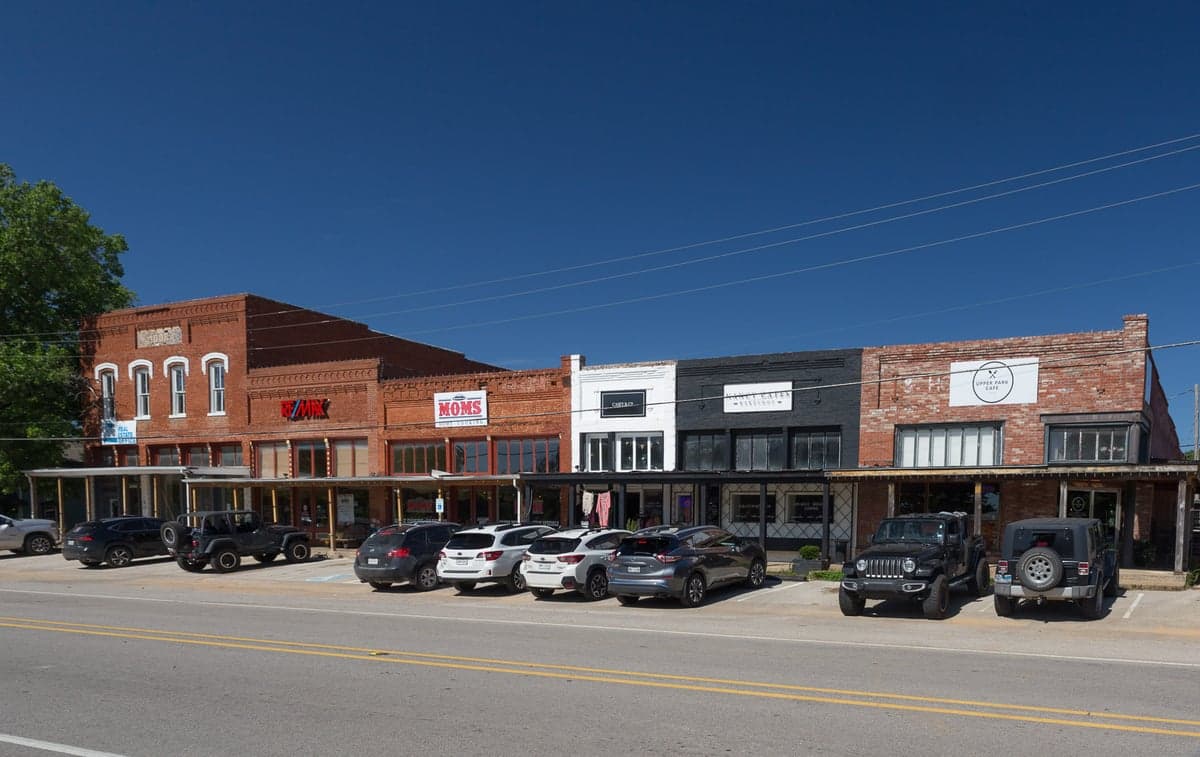
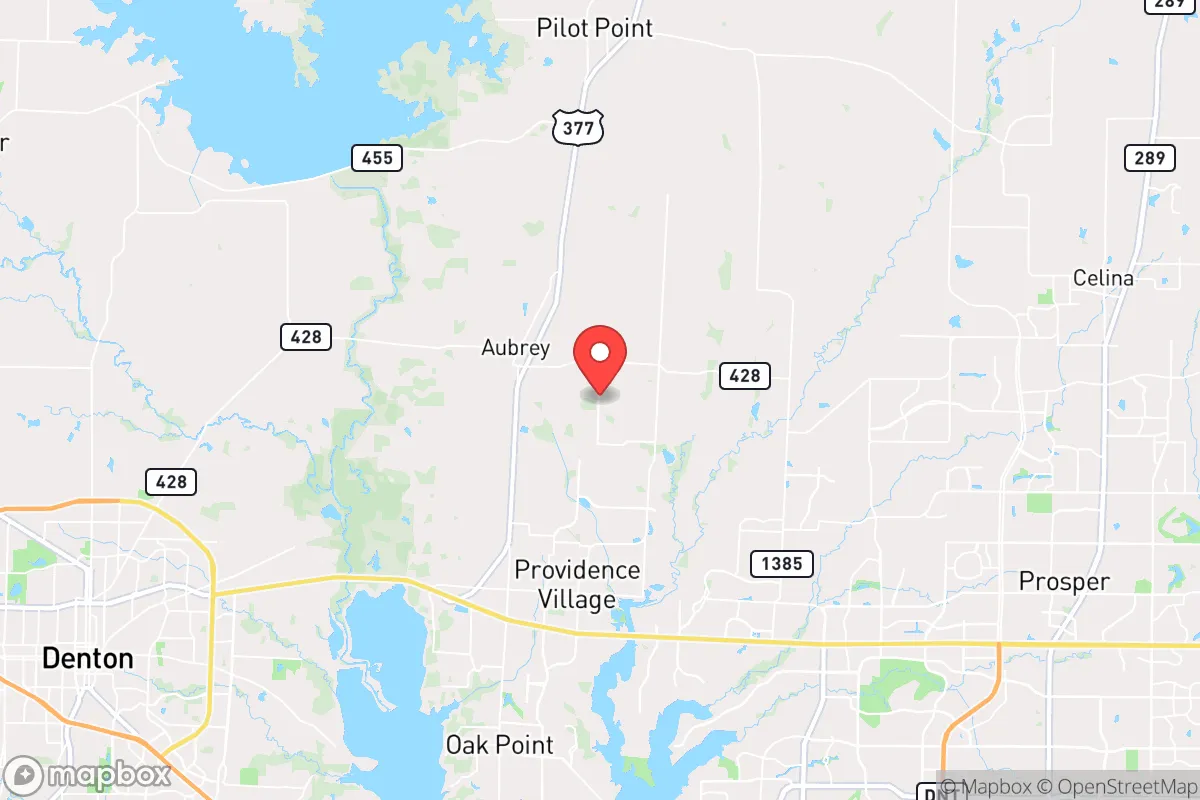
Photo: Wikipedia
Find The Best Places To Live
in Aubrey
PRO TIP! You can paste a Zillow or Redfin link to get info on that property.
What It's Like Living in Aubrey, TX
Aubrey, Texas, still feels like a small town that just got a jolt of adrenaline. With a population hovering around 6,600, it’s the kind of place where you still see familiar faces at the gas station, but the rapid growth pushing north from Frisco and McKinney means those faces change faster every year. The vibe is distinctly family-focused, with a strong conservative streak and a practical, no-nonsense attitude that values space, quiet, and a slower pace—even as new subdivisions and strip centers creep in along Highway 377.
The Daily Rhythm: Commutes, Schools, and the Weekend Reset
For most residents, daily life revolves around a long commute. The average drive to work clocks in at just over 31 minutes, and that’s often a one-way trip to jobs in Frisco, McKinney, or even Plano. You’ll see a lot of trucks and SUVs heading south on 377 every morning. The trade-off is a home with a yard and a quieter evening. Weekends are for the hardware store, the local park, or a drive to Lake Ray Roberts for fishing and boating. The median age here is 33.9, and the median household income sits at $100,596, which reflects a population of young families and established tradespeople who value a single-family home over a downtown loft. The local schools—Aubrey ISD—are a major community anchor; Friday night lights at Aubrey High School football games are a genuine social event, not just a backdrop.
Sports, Community, and Where People Actually Hang Out
High school sports are the main event. Aubrey Chaparrals football and basketball games draw big crowds, and the community takes pride in the teams’ competitiveness. There’s no pro sports team in town, but Dallas Cowboys and Texas Rangers fandom runs deep—you’ll see jerseys at the local Whataburger and the Aubrey Sonic. For a night out, options are limited but genuine. The Aubrey Cafe & Bakery is a breakfast and lunch staple, known for chicken-fried steak and pie. Bocci’s Pizza is a local institution for casual dinners. For drinks, you’re looking at a few sports bars and dives along 377, or a short drive to the busier restaurant row in nearby Pilot Point. The big annual event is the Aubrey Peanut Festival in the fall—a classic small-town fair with a parade, carnival rides, and a nod to the area’s agricultural roots. Outdoor life centers on Clear Creek Natural Heritage Center (a short drive south) and Ray Roberts Lake State Park (about 15 minutes north), where hiking, biking, and camping are the main draws.
What Fits and What Frustrates: The Real Trade-Offs
The kind of person who thrives in Aubrey is someone who wants a newish house on a decent-sized lot, doesn’t mind driving for work or entertainment, and values a community where neighbors know each other’s names. It’s a good fit for families with young kids, people in the trades, and remote workers who need space for a home office. The median home value of $338,900 is a relative bargain compared to Frisco or McKinney, though the cost of living index of 142 (well above the national average) reflects the premium on that space and the rising property taxes. 36% of adults hold a college degree, which is lower than the suburban norm—this is a blue-collar and entrepreneurial crowd, not a tech hub.
- Pros: Affordable housing for the region, strong sense of community, good schools (Aubrey ISD is well-regarded), easy access to Lake Ray Roberts, and a slower pace of life.
- Cons: Long commutes on a two-lane highway (377 can get congested), limited dining and shopping options (you’ll drive to Denton or Frisco for most things), rising property taxes, and a violent crime rate of 348.5 per 100,000—higher than the national average, though most incidents are concentrated in specific areas and property crime is the bigger day-to-day concern.
Weather, Traffic, and the Seasonal Rhythm
Summers are hot and humid, with July and August highs regularly above 95°F. Winters are mild but can bring the occasional ice storm that shuts down 377 for a day. Spring and fall are genuinely pleasant, with bluebonnets along the roadsides and cool evenings perfect for porch sitting. Traffic is the biggest practical frustration—Highway 377 is the only major artery, and it gets clogged during commute hours and on weekends when people head to the lake. There’s no real public transit; you need a car for everything. The seasonal rhythm is dictated by school calendars and football season, with summer dominated by lake trips and fall by Friday night games. The town’s identity is still rooted in its agricultural past, but the new subdivisions are changing the landscape fast—longtime residents grumble about the loss of open fields, while newcomers appreciate the new grocery stores and gas stations. It’s a place in transition, and that tension is part of what makes living here interesting.

Similar small towns to Aubrey


* Values derived from national, state, county, city and local statistics and may differ in a specific area. Last updated: 2026-10-27T13:34:42.000Z
Narrative content on this page is AI-generated and may contain mistakes. Verify any details that matter before acting on them.
ReloMaps may earn a commission from affiliate links at no extra cost to you.

