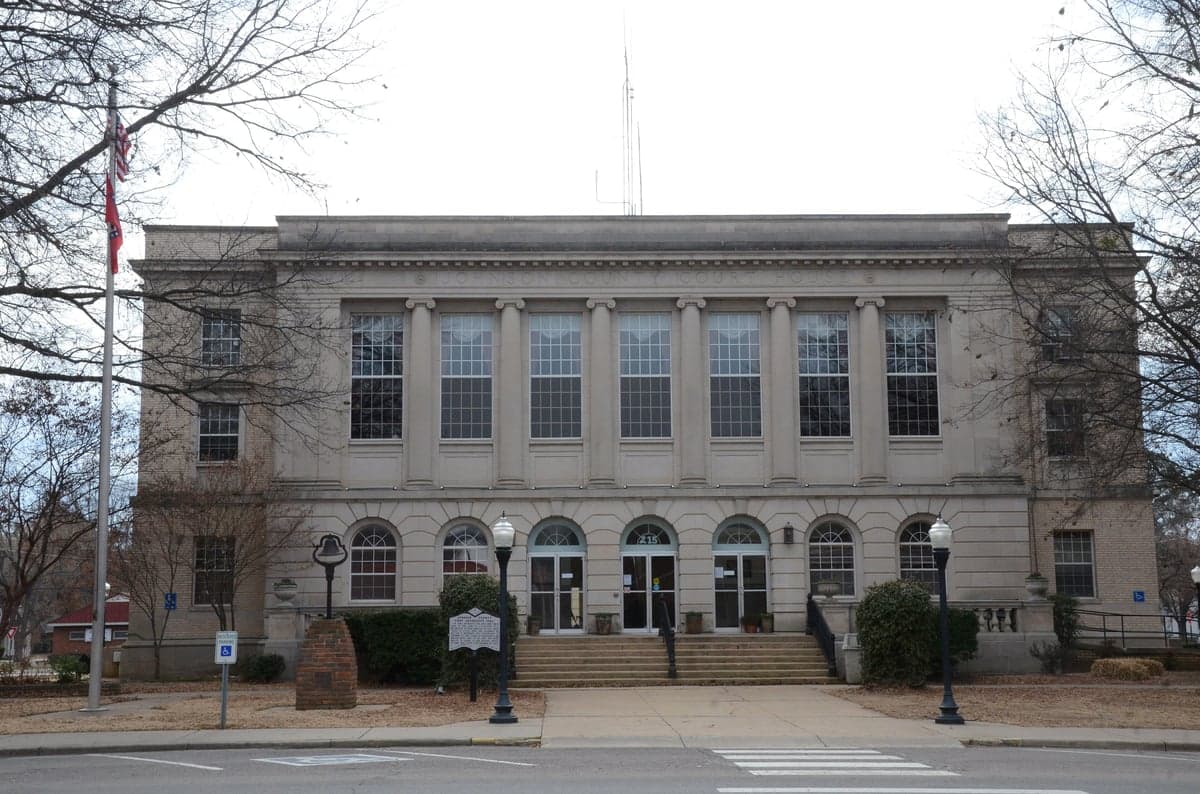
Photo: Wikipedia
Quality of Life in Johnson County
A livable area that tracks near national norms for affordability, walkability, and neighborhood health.
What does Quality of Life tell us?
Quality of Life measures an area by evaluating factors like cost of living, nearby amenities, country club access, airport proximity, socioeconomic signals and neighborhood character. For large states, this is a general average — quality of life can vary dramatically between metro areas, suburbs, and rural communities within the same state.
What does this tell us?
Quality of Life measures an area by evaluating factors like cost of living, nearby amenities, country club access, airport proximity, socioeconomic signals and neighborhood character. For large states, this is a general average — quality of life can vary dramatically between metro areas, suburbs, and rural communities within the same state.
Cost of Living
45% below national average
126%
The Real Cost of Living in Johnson County for 2026
| Tier | Individual | Family (4) |
|---|---|---|
| Survival | $11k | $21k |
| Comfortable | $24k | $36k |
| Luxury | $81k+ | $125k+ |
| Elite (Top 5%) | $96k+ | $149k+ |
Quality-of-Life Analysis
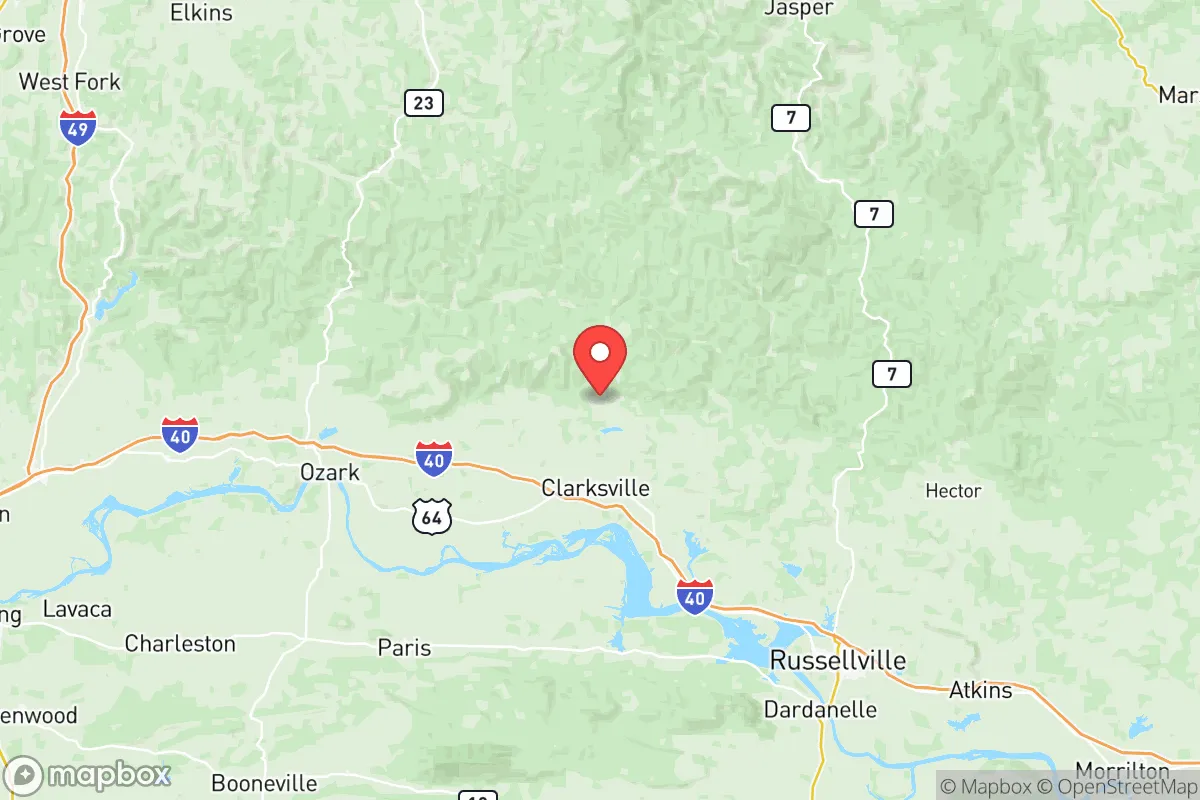
Johnson County, Arkansas, offers a quality-of-life spectrum that ranges from the small-city conveniences of its county seat, Clarksville, to the quiet isolation of Ozark National Forest foothills and Arkansas River bottomlands. With a cost of living index of 55 — well below the national average of 100 — the county attracts a mix of University of the Ozarks students, remote workers seeking affordability, and retirees drawn to the region's natural scenery. The character of daily life shifts noticeably between the commercial corridor of Interstate 40 and the winding two-lane roads that lead into the Boston Mountains.
Largest town(s) & population centers
Clarksville, home to roughly 10,000 residents, is the county's primary population and employment hub. Daily life here centers around the University of the Ozarks, a private liberal arts college that brings cultural events and a modest student population to the town square. The commercial strip along U.S. Highway 64 provides grocery stores, chain retailers, and medical services, while the downtown area features locally owned cafes and antique shops. Commuting patterns reflect the town's role as a regional service center: the average commute across the county is just 19.4 minutes, one of the shortest in the Arkansas River Valley. Clarksville's housing stock includes historic homes near the university campus and newer subdivisions on the town's eastern edge, with the countywide median home value of $124,800 making homeownership accessible for most working households.
Smaller towns & rural pockets
South of Clarksville, the community of Coal Hill (population roughly 900) offers a quieter, more rural lifestyle along Arkansas Highway 103. Named for its 19th-century coal mining history, the town today consists largely of single-family homes on spacious lots, a small school district, and limited retail — residents typically drive 15 minutes north to Clarksville for groceries and errands. Further east, Hartman (population about 500) sits near the Arkansas River and provides a handful of river-access properties and mobile home communities. The unincorporated area of Ozone, located in the Ozark National Forest, represents the county's most remote living option, with properties accessible by gravel roads and no municipal services. These rural pockets see significantly lower property costs than Clarksville, with some older homes and land parcels falling well below the county median.
Cost & lifestyle range
The cost spread across Johnson County is narrow by national standards but meaningful locally. At the low end, rental housing in Coal Hill and Hartman can be found for median rent of $714 per month, often in older mobile homes or small frame houses. At the higher end, Clarksville's newer subdivisions and riverfront properties near the Arkansas River command prices approaching $200,000, though this remains inexpensive compared to neighboring Pope County or the Fayetteville metro area. Lifestyle trade-offs are clear: Clarksville provides walkable access to a grocery store, a public library, and a hospital, while rural residents accept longer drives for those amenities in exchange for acreage, privacy, and lower property taxes. The county's lack of public transit means a personal vehicle is essential everywhere, though the short average commute mitigates the burden for those working locally.
Johnson County works best for people who value low housing costs, short commutes, and outdoor recreation over urban amenities or career density. Remote workers, university faculty, and retirees on fixed incomes find the affordability especially attractive, while those needing specialized healthcare, frequent air travel, or dense job markets will find the county's isolation limiting. The spectrum from Clarksville's college-town bustle to Ozone's forest solitude means most residents can find a niche that matches their tolerance for rural living.

Crime in Johnson County
Crime rates similar to the national median for U.S. locations.
Violent CrimeViolent Crime Analysis
Property CrimeProperty Crime Analysis
Crime Analysis
Johnson County, Arkansas, reports a violent crime rate of 523.1 incidents per 100,000 residents and a property crime rate of 1,634.7 per 100,000, placing it above both state and national averages for violent offenses. The county's overall safety picture is heavily influenced by conditions in its largest municipality, Clarksville, which accounts for a disproportionate share of reported incidents. While the rural stretches of the county and smaller communities like Knoxville and Lamar generally experience fewer crimes, the county-wide statistics warrant careful consideration for anyone evaluating relocation to the area.
Crime in context
Johnson County's violent crime rate of 523.1 per 100,000 is significantly higher than the Arkansas state average of roughly 460 per 100,000 and well above the national median of approximately 380 per 100,000. Property crime, at 1,634.7 per 100,000, sits closer to the state average of about 1,700 per 100,000 but still exceeds the national median of roughly 1,500 per 100,000. These figures place Johnson County among the more dangerous rural counties in Arkansas for violent crime, though it remains below the rates seen in the state's most troubled urban centers. The disparity between violent and property crime rates suggests that targeted enforcement and community conditions, rather than broad economic factors, are driving the elevated violent crime numbers.
What residents experience
Residents in Clarksville, the county seat and largest city, report the highest concentration of both violent and property crimes, with incidents often clustered near the downtown corridor and along the Interstate 40 exchange. The presence of the University of the Ozarks in Clarksville introduces a seasonal dynamic, with property crimes like theft and vehicle break-ins rising during the academic year. In contrast, the smaller towns of Knoxville, Lamar, and Hartman report far fewer incidents, with violent crime being rare in these communities. The county's judicial system, operating under the 5th Judicial District, has seen increasing concern among residents regarding progressive sentencing trends. Critics point to a pattern of lenient plea agreements and reduced sentences for repeat offenders, which directly contributes to recidivism and keeps violent criminals on the streets. This ideological approach to justice, while sympathetic to offenders, undermines public safety and erodes trust in the local courts. Residents in Clarksville frequently express frustration that property crimes, particularly burglary and theft, receive minimal consequences, creating a cycle where offenders are quickly released to reoffend.
Neighborhood-level variation
Safety conditions vary dramatically across Johnson County. The unincorporated areas and rural routes between Clarksville and the Ozark National Forest offer the lowest crime exposure, with many residents reporting that they rarely lock doors. However, the areas immediately surrounding the Clarksville city limits, particularly the neighborhoods near the industrial parks and the Highway 64 corridor, show elevated crime rates that mirror the city's averages. For those considering relocation, properties in the Lamar and Knoxville school districts generally offer the safest environments, while homes within Clarksville city limits require more vigilance, especially near rental-heavy zones and the interstate exits. The county's proximity to larger metro areas like Fayetteville and Fort Smith also introduces transient crime, as offenders use Interstate 40 to move quickly between jurisdictions, a pattern that local law enforcement struggles to contain with limited resources.
* Values derived from national, state, county, city and local statistics and may differ in a specific area. Last updated: 2026-07-15T15:51:37.000Z
Narrative content on this page is AI-generated and may contain mistakes. Verify any details that matter before acting on them.
ReloMaps may earn a commission from affiliate links at no extra cost to you.

