Photo: Wikipedia
Find The Best Places To Live in Johnson County
PRO TIP! You can paste a Zillow or Redfin link to get info on that property.
Best Places to Live in Johnson County
Cities & Towns in Johnson County
Cities in Johnson County
What It's Like Living in Johnson County, AR
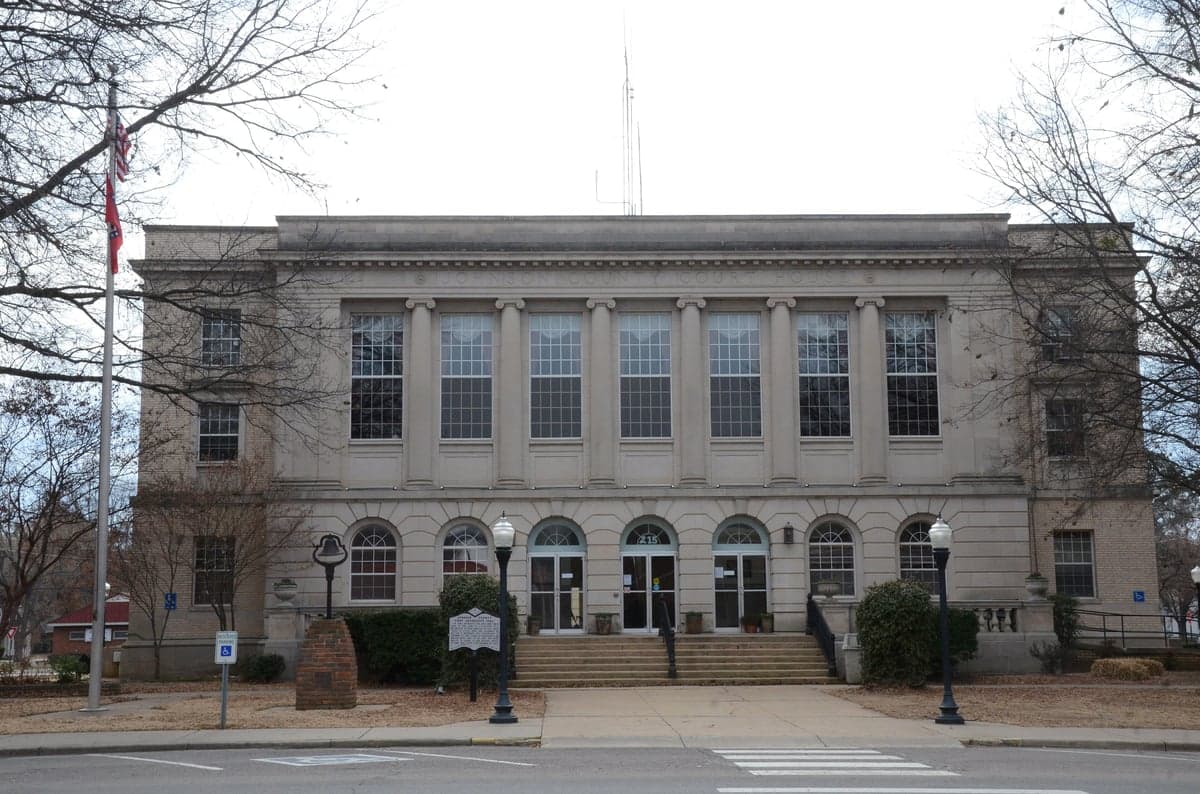
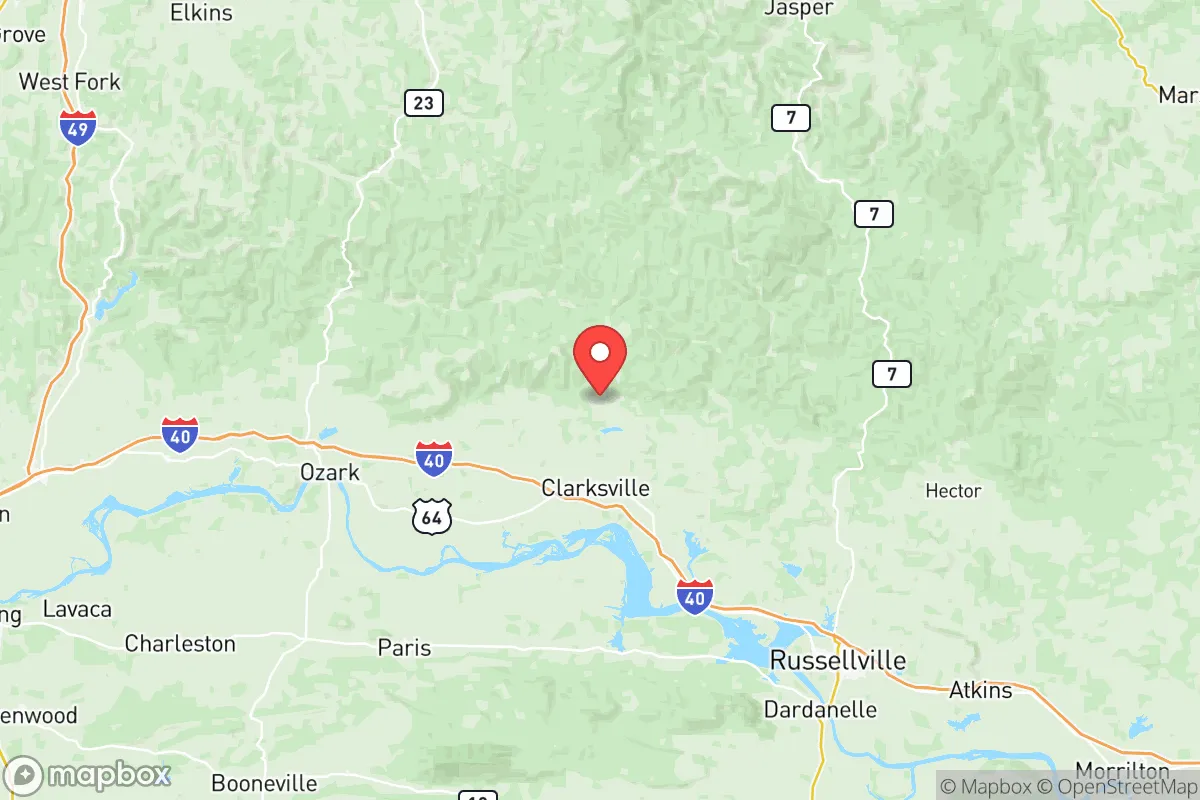
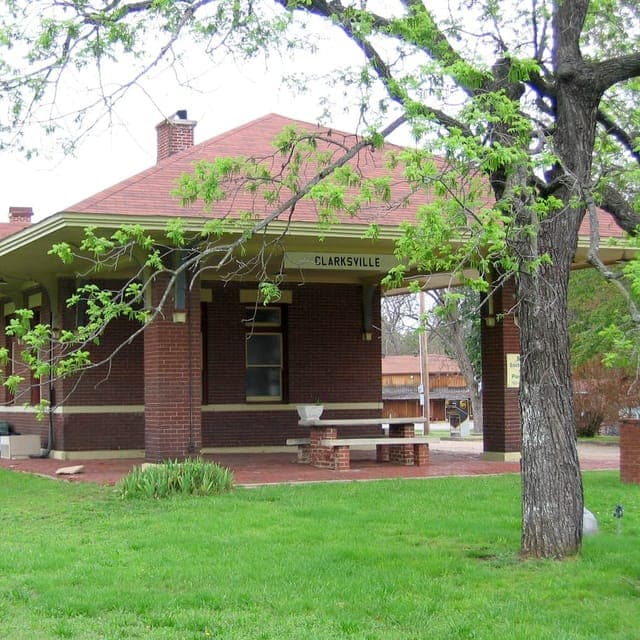
Johnson County, Arkansas, feels like a place where the pace of life slows down enough to notice the seasons changing. Spread across the Arkansas River Valley with the Ozark National Forest pressing in from the north, this is a county of small towns, open farmland, and a quiet, self-reliant rhythm that appeals to people who don't mind driving a bit for a big-box store. The county seat, Clarksville, anchors daily life, but the real character comes from the mix of communities like Lamar, Coal Hill, Hartman, and Knoxville, each with its own personality and a shared sense of not being in a hurry.
Daily Rhythm and Where People Actually Spend Their Time
Most mornings in Johnson County start early. The average commute here is just over 19 minutes, which means people actually have time for coffee before heading to work. Clarksville is the hub for errands and employment, with the University of the Ozarks providing a steady anchor of jobs and campus life. Many residents work in education, healthcare, or manufacturing, with a notable number commuting west to Fort Smith or east to Russellville for higher-paying roles. The cost of living index sits at 55 — nearly half the national average — which is the single biggest reason people move here. A median home value of $124,800 means a family can buy a three-bedroom house on a single income that would barely cover a studio apartment in Northwest Arkansas. Shopping is practical: Walmart in Clarksville handles the weekly haul, and locals know to hit the farmers market in season for tomatoes and sweet corn that taste like summer. Friday nights in the fall, the parking lots at Clarksville High School and Lamar High School fill up early for football games, and that's less about sports fandom and more about community gathering — it's where you catch up with neighbors and watch the kids run the concession stand.
Who Fits In and Who Might Struggle
Johnson County works best for people who value space, quiet, and independence over convenience and nightlife. The median age of 39.4 suggests a population that's settled — families raising kids, empty nesters downsizing, and a smaller number of younger adults who either work remotely or have local trade jobs. Only 18.1% of adults hold a college degree, which is well below the national average, and the median household income of $44,808 reflects an economy built more on practical skills than white-collar professions. That said, the low cost of living means that income stretches further than it would almost anywhere else in the state. People who fit in here tend to be handy, resourceful, and comfortable with a slower social calendar. If you need a craft cocktail bar or a co-working space with fiber internet, you'll be driving to Fayetteville or Fort Smith. If you want a garden, a workshop, and neighbors who wave from their trucks, this is a natural fit.
What There Is to Do — and What There Isn't
Outdoor life is the main entertainment. The Ozark National Forest borders the county to the north, offering hiking, hunting, and camping within a short drive. The Mulberry River, which cuts through the southern part of the county, is a favorite for canoeing and floating in the summer, especially the stretch near the town of Oark. Spadra Park on the Arkansas River near Clarksville has boat ramps and picnic shelters that see steady use on weekends. For indoor recreation, the Johnson County Peach Festival in Clarksville every July is the biggest annual event — a genuine small-town fair with a parade, carnival rides, and enough peach cobbler to feed the whole county. The local music scene is sparse but earnest, with church potlucks and school auditoriums hosting the occasional bluegrass or gospel show. What frustrates many residents is the lack of variety in dining and entertainment. Clarksville has a handful of solid local spots — BJ's Grill & Bar is a reliable burger-and-cold-beer joint, and El Parral serves the kind of Mexican food that keeps regulars coming back — but options thin out fast after 8 p.m. If you want a movie theater or a live music venue with touring acts, you're looking at a 45-minute drive to Russellville or an hour to Fayetteville.
Pros and Cons of Living in Johnson County
- Pro: Affordability that's hard to beat anywhere in the U.S. A cost of living index of 55 and median home values under $125,000 mean that even modest incomes buy a comfortable, debt-free lifestyle.
- Con: Limited job market and low wages. The median income of $44,808 reflects an economy where good jobs are scarce, and many residents commute or work multiple gigs to make ends meet.
- Pro: Genuine community connections. People know each other here. Neighbors help with hay baling, churches organize meal trains, and the high school football game is a genuine social anchor.
- Con: The violent crime rate of 523.1 per 100,000 is notably high for a rural county. Most incidents are concentrated in specific areas and tied to domestic situations, but it's a statistic that gives some newcomers pause and is a frequent topic of local concern.
- Pro: Uncrowded outdoor access. The Ozark National Forest, Mulberry River, and Spadra Park offer recreation without the crowds found in more popular parts of the state.
- Con: Limited healthcare and shopping. Specialists and major retailers require a drive, and the local hospital handles basic needs but not complex care.
The weather follows a familiar Arkansas pattern: hot, humid summers with frequent thunderstorms, and mild winters that occasionally throw an ice storm to remind everyone who's in charge. Spring and fall are genuinely beautiful, with the hills turning green or gold and temperatures that make outdoor work a pleasure. Schools in Clarksville and Lamar are central to community identity — they're not just places for education but also the site of ball games, fundraisers, and the social calendar. For the right person, Johnson County offers a version of the American dream that's increasingly rare: a place where a regular paycheck still buys a house, a yard, and a life that doesn't feel like a race.

* Values derived from national, state, county, city and local statistics and may differ in a specific area. Last updated: 2026-07-15T15:51:37.000Z
Narrative content on this page is AI-generated and may contain mistakes. Verify any details that matter before acting on them.
ReloMaps may earn a commission from affiliate links at no extra cost to you.

