
Photo: Wikipedia
Find The Best Places To Live in Yavapai County
PRO TIP! You can paste a Zillow or Redfin link to get info on that property.
Best Places to Live in Yavapai County
Cities & Towns in Yavapai County
Cities in Yavapai County
What It's Like Living in Yavapai County, AZ
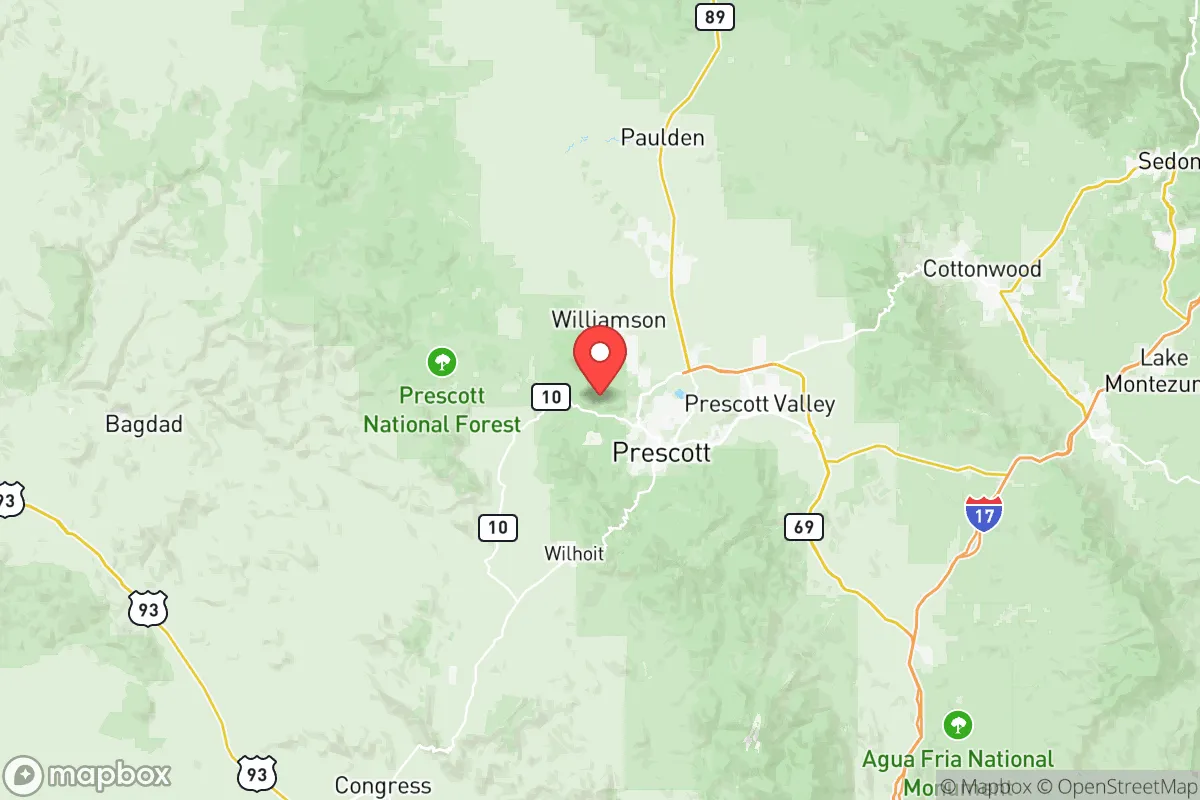
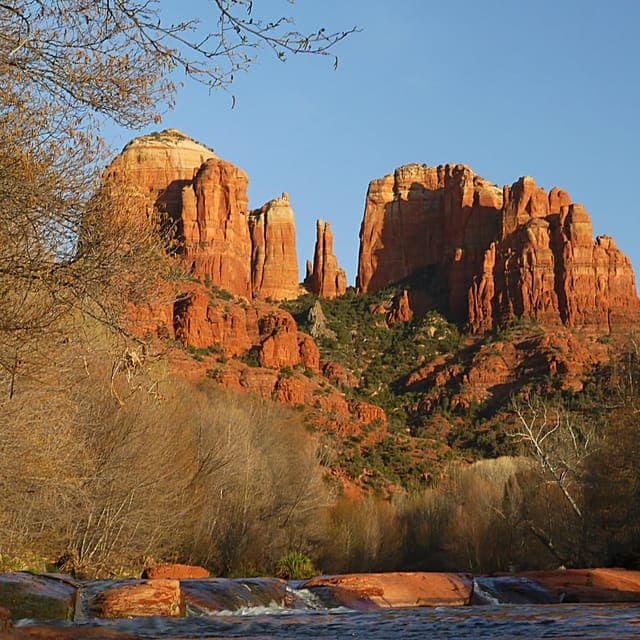
Yavapai County is a place where the landscape itself sets the pace—think red rock buttes, ponderosa pine forests, and high desert mesas that stretch for miles between towns like Prescott, Cottonwood, and Sedona. It’s a region that attracts people who want elbow room, four distinct seasons, and a lifestyle that feels a generation removed from the sprawl of Phoenix or Tucson. Whether you’re raising kids in a master-planned community in Prescott Valley, retiring to a golf-course home in Dewey-Humboldt, or working remotely from a cabin in Chino Valley, the county offers a distinct blend of Western independence and small-town neighborliness.
Daily Rhythm: What People Actually Do Here
Most mornings in Yavapai County start with a drive—the average commute is just under 23 minutes, which feels reasonable even if you’re crossing from one town to another for work. People who live in Prescott often commute to jobs in Prescott Valley or even down to the Verde Valley, while Sedona draws a steady flow of service-industry workers from Cottonwood and Camp Verde. The region’s largest employers include the county government, Yavapai Regional Medical Center, and Embry-Riddle Aeronautical University in Prescott, but a surprising number of residents work remotely or run small businesses tied to tourism, construction, and healthcare.
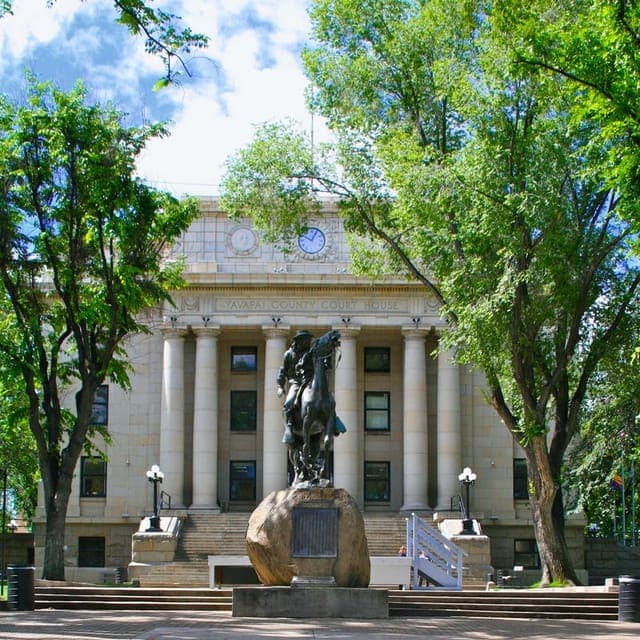
Weekends here revolve around the outdoors. Hiking Thumb Butte, kayaking on Watson Lake, or exploring the ghost town of Jerome are standard Saturday activities. In the summer, families head to Lynx Lake for fishing and paddleboarding; in the winter, Prescott’s Courthouse Square lights up for the annual Christmas parade. Shopping is mostly practical—Walmart and Fry’s in Prescott Valley, local hardware stores in Chino Valley—but Sedona’s Tlaquepaque Arts & Crafts Village draws browsers from across the county. Dining leans toward hearty American fare: The Palace Restaurant in Prescott for a historic steak dinner, or Colt Grill in Cottonwood for a green-chile burger.
Sports & Community: Friday Nights and Local Pride
High school sports are a genuine centerpiece of community life, especially in towns like Prescott and Prescott Valley where Friday-night football at Bradshaw Mountain or Prescott High draws crowds that fill bleachers and pack local diners afterward. There’s no major professional team in the county, but the Prescott Valley Event Center hosts the Northern Arizona Suns (NBA G League) and occasional rodeo events, and the Prescott Rodeo Grounds holds the World’s Oldest Rodeo every Fourth of July—a tradition that’s been running since 1888. For college sports, Embry-Riddle’s Eagles teams in baseball and soccer have a loyal following, especially among alumni and local families with students at the university.
What’s notable is how deeply these events tie into local identity. A kid who plays for Camp Verde High School isn’t just an athlete; they’re part of a town tradition that spans generations. The same goes for Sedona Red Rock High School’s basketball games, which often double as community meetups. If you’re moving here with school-age children, expect Friday nights to become a regular part of your calendar.
What’s There to Do: Festivals, Music, and the Outdoor Year
Yavapai County’s entertainment calendar is surprisingly full for a region of 241,000 people. Prescott’s annual Folk Fest in August brings bluegrass and Americana bands to Courthouse Square, while Cottonwood’s Verde Valley Wine Festival showcases the region’s growing wine scene—there are now over two dozen vineyards and tasting rooms in the area. Sedona’s Film Festival and International Yoga Festival draw visitors from around the world, but locals also know the quieter spots: the Verde River for tubing in summer, the granite dells of Prescott for rock climbing, and the Mingus Mountain trail system for mountain biking.
The cultural quirk here is a strong libertarian streak mixed with a love for tradition. You’ll see Trump flags next to “Keep Sedona Weird” bumper stickers, and the same person who volunteers at the local food bank might also carry a concealed weapon to the grocery store. Gun ownership is common, and the county’s outdoor shooting ranges are well-used. At the same time, the arts scene in Sedona and Jerome is proudly progressive, creating a live-and-let-live atmosphere that most residents appreciate.
Pros and Cons of Living Here
Longtime residents love the climate—four seasons without the extreme heat of Phoenix or the snowpack of Flagstaff—and the fact that you can own land, raise animals, or build a shop in unincorporated areas without endless permits. The cost of living index sits at 121 (21% above the national average), largely driven by housing: the median home value is $392,900, which is steep for a county where the median income is $66,106. That gap is the most common frustration, especially for younger families and service workers priced out of Sedona and Prescott proper.
- What people love: Low traffic outside of Sedona’s tourist season, strong sense of community in smaller towns like Mayer and Bagdad, abundant public land for hunting and hiking, and a slower pace that feels safe—the violent crime rate of 372 per 100,000 is slightly above the national average but concentrated in specific areas.
- What frustrates them: Limited job diversity outside healthcare and government, a median age of 55 that can feel isolating for younger singles, and a lack of late-night culture—most restaurants close by 9 p.m. even in Prescott. The school system varies widely: Sedona and Prescott have strong public schools, while rural districts in Chino Valley and Camp Verde struggle with funding.
If you’re the kind of person who values privacy, outdoor recreation, and a community where people know your name, Yavapai County delivers. If you need urban amenities, diverse nightlife, or a fast-paced career ladder, you’ll likely feel the limitations. Most residents accept the trade-offs because the landscape—and the freedom that comes with it—is hard to find anywhere else in Arizona.

* Values derived from national, state, county, city and local statistics and may differ in a specific area. Last updated: 2026-06-21T00:18:44.000Z
Narrative content on this page is AI-generated and may contain mistakes. Verify any details that matter before acting on them.
ReloMaps may earn a commission from affiliate links at no extra cost to you.

