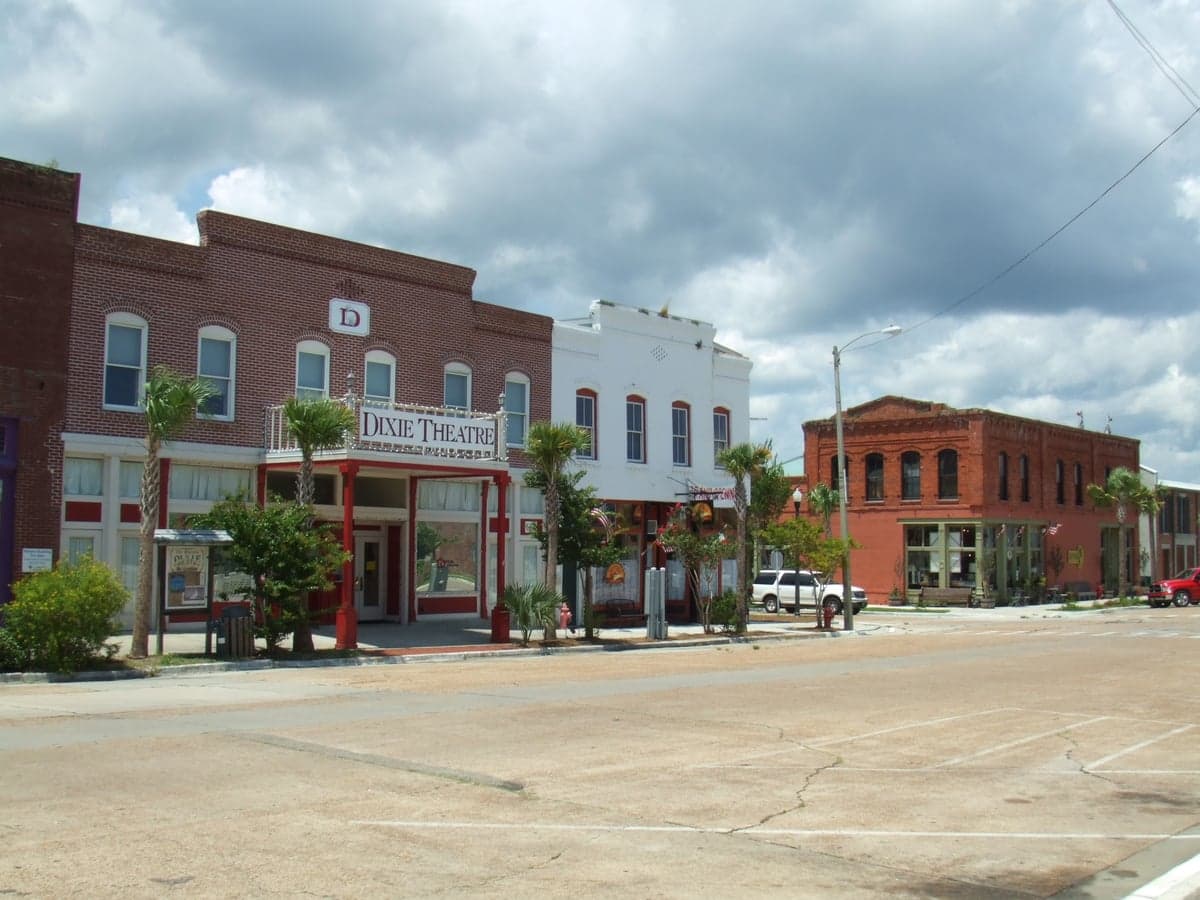
Photo: Wikipedia
Strategic Assessment of Apalachicola, FL
Workable tactical position. Some exposure to population density or targets, but generally defensible in a crisis.
What does the Strategic Assessment tell us?
Our Strategic Assessment grades tactical survivability of an area. Major population centers, military targets, fallout zones, natural disasters, and border exposure all drive risk — lower exposure means a more defensible position in a crisis.
This is heavily inspired by Joel Skousen's Strategic Relocation book. Highly recommended you checkout the book ($)What does this tell us?
Our Strategic Assessment grades tactical survivability of an area. Major population centers, military targets, fallout zones, natural disasters, and border exposure all drive risk — lower exposure means a more defensible position in a crisis.
This is heavily inspired by Joel Skousen's Strategic Relocation book. Highly recommended you checkout the book ($)Strategic Pillars
Key Distances
Regional Safe Places
Below is our recommended "safe zones" in Florida and the surrounding area based on our strategic heuristics. For most people, it's unrealistic to live in a “safe zone” full-time due to work, family or other personal reasons. They tend to be more rural. However, many of these areas are perfect for second homes and retreat properties that double as a vacation home or even a short-term rental.

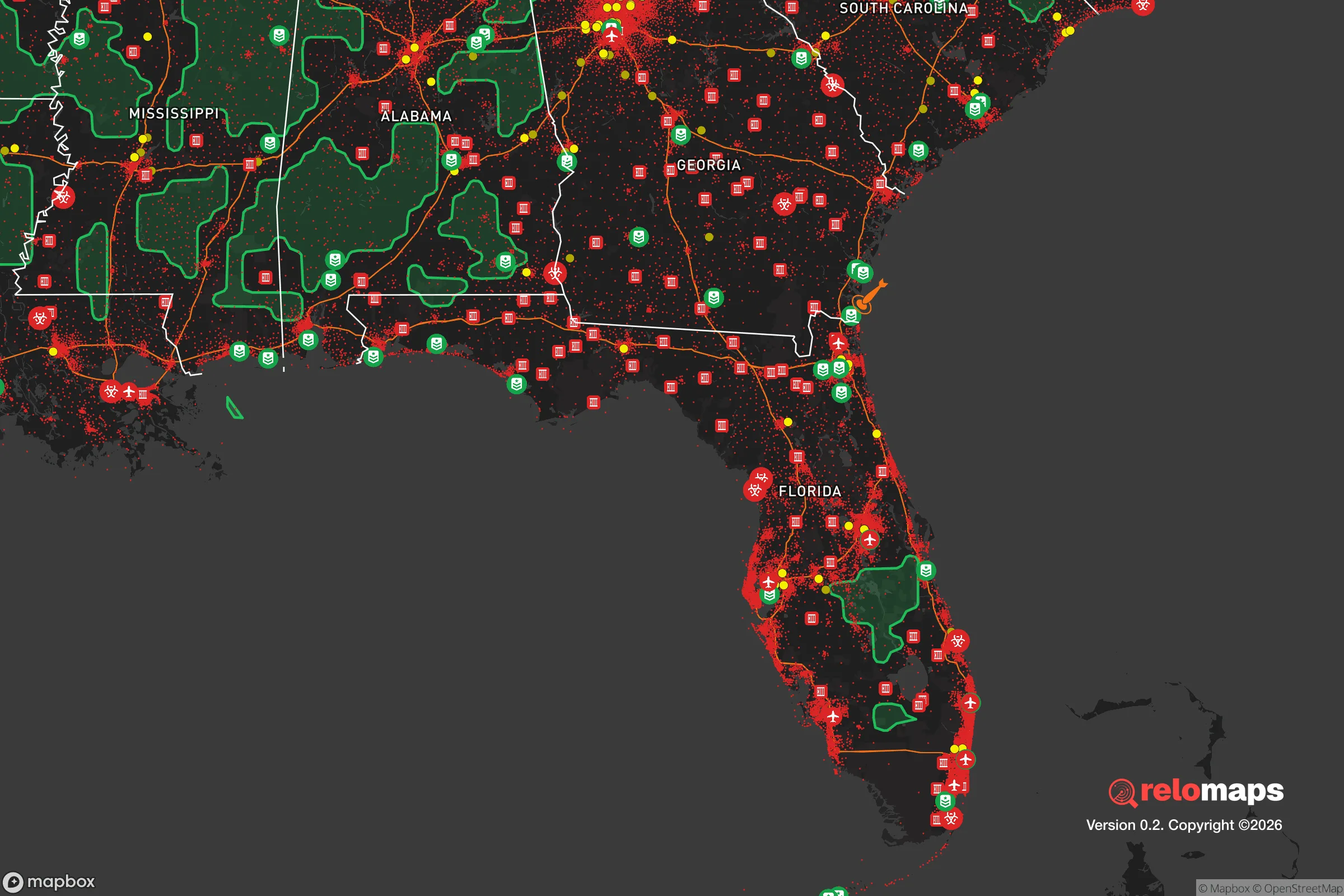


Important Note: For informational purposes only. This does not mean nothing bad ever happens in the green zones. Please use common sense. This is based on public data and modeled with AI. We tried to take a conservative approach but mistakes happen. We update this regularly as new information becomes available.
Solar Generator Recommendations
Backup power matters more here than in safer locations. We've picked three solar generators across budgets and capacity tiers — start with the budget unit if you only need a few essentials, or step up if you want to run a fridge and HVAC for days at a time.
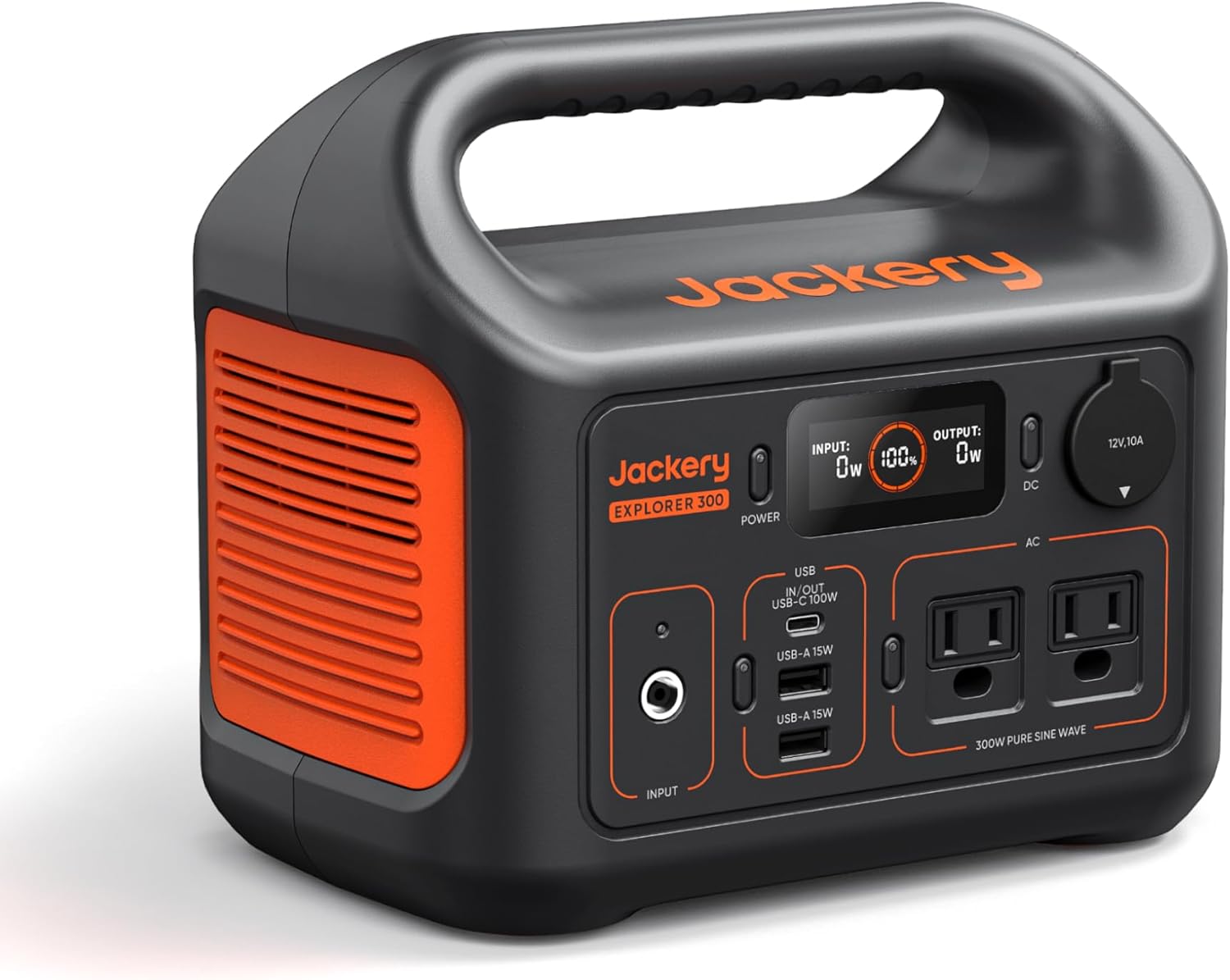
Jackery Portable Power Station Explorer 300
Budget OptionPower on the Go: Weighing only 11 lbs, it's convenient to set up and store with book-sized foldable solar panels

BLUETTI Portable Power Station AC180
Designed for both indoor and outdoor scenarios, AC180 is highly capable as it has a robost capacity and continuous output power.

EF ECOFLOW DELTA Pro Ultra Power Station
Upgraded PickEcoFlow DELTA Pro Ultra is a whole-home energy system designed to grow with your family. Integrated with the Smart Home Panel 2, it scales to meet your evolving energy needs — keeping your home powered, intelligent, and secure through every stage of life.
We earn a commission, at no additional cost to you.
Strategic Assessment Analysis
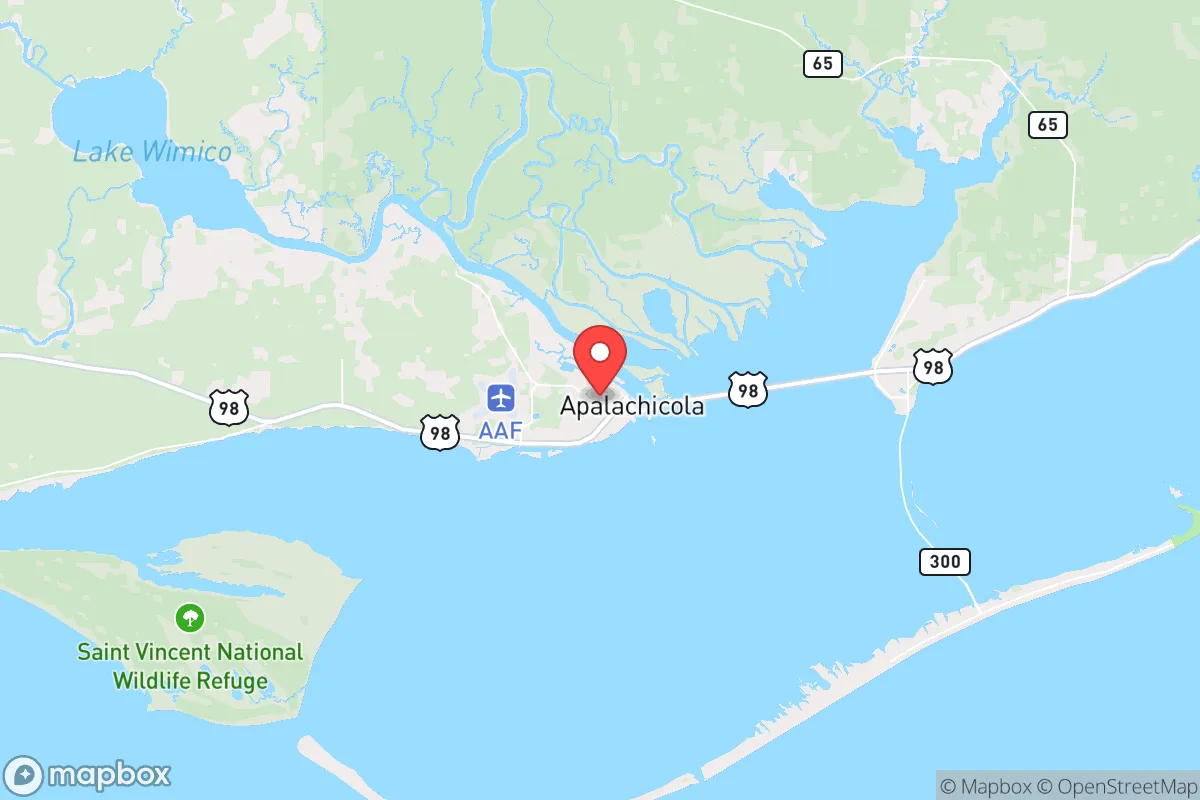
Apalachicola, Florida, presents a compelling case for the relocation-minded reader focused on resilience, but it is a case built on trade-offs rather than unqualified advantages. Its primary strategic asset is its position on the remote, sparsely populated "Forgotten Coast," roughly 75 miles southwest of Tallahassee and 80 miles southeast of Panama City, placing it well outside the immediate blast and fallout zones of any major military or population target. This isolation, however, comes with significant exposure to natural forces and logistical vulnerabilities that demand a clear-eyed assessment before any move.
Geographic position and natural advantages for long-term security
Apalachicola's location at the mouth of the Apalachicola River, where it empties into the Gulf of Mexico, offers a unique blend of defensive and resource-based advantages. The surrounding landscape is dominated by the Apalachicola National Forest to the north and the St. Vincent Island National Wildlife Refuge to the south, creating a natural buffer of undeveloped, low-population terrain. This geographic isolation is a double-edged sword: it provides a significant measure of security from the social and economic fallout of a major urban disruption, as the nearest city of any size (Tallahassee) is over an hour's drive away. The area's low population density—Franklin County has roughly 12,000 residents—means that in a crisis, competition for local resources would be far less intense than in a suburban or urban setting. The river itself is a major freshwater artery, and the surrounding bays and Gulf waters provide a substantial, if seasonal, source of protein. For a relocator thinking about self-sufficiency, the ability to draw water (with proper treatment) and harvest seafood is a tangible, long-term advantage that few other Florida locations can match.
Exposure to natural hazards and proximity to fallout-relevant landmarks
The most significant risk to Apalachicola is its extreme vulnerability to hurricanes and storm surge. The town sits on a barrier island and low-lying coastal plain, with much of the developed area at an elevation of less than 10 feet above sea level. A direct hit from a Category 3 or higher storm would likely result in catastrophic flooding, making evacuation the only viable option. The single road in and out—U.S. Highway 98—is itself vulnerable to storm surge and flooding, creating a serious chokepoint. For the resilience-minded relocator, this means that any long-term plan must account for the possibility of annual or biennial evacuation, which undermines the concept of a fixed, defensible homestead. In terms of man-made risks, Apalachicola's distance from major cities is a net positive. The nearest potential fallout-relevant landmarks are Tyndall Air Force Base (near Panama City, roughly 80 miles west) and the state capital in Tallahassee. While neither is a primary strategic target on the scale of a major naval base or nuclear command center, a significant event at either could produce fallout patterns that, depending on wind direction, could affect the Forgotten Coast. However, the prevailing winds in the region are from the east and southeast, which would generally carry any airborne contamination away from Apalachicola and into the Gulf. The more immediate man-made risk is the town's complete dependence on a single two-lane highway for resupply and evacuation, making it a fragile node in any extended disruption scenario.
Practical resilience for a relocator: food, water, energy, and defensibility
For a relocator serious about self-sufficiency, Apalachicola offers a mixed picture. Water is abundant—the Apalachicola River is one of the largest freshwater flows in Florida, and the local aquifer is generally reliable. However, the water table is shallow and vulnerable to saltwater intrusion during droughts and storm surges, so a well-equipped property should have a deep, cased well and a robust rainwater catchment system. Food security is strong for those who fish, crab, and oyster, but the local oyster fishery has been in decline due to freshwater flow disputes with Georgia and Alabama, making it less reliable than in decades past. The growing season is long (roughly 10 months), and the sandy, well-drained soil is suitable for raised-bed vegetable gardening. Local hunting for deer and wild hogs is viable in the surrounding national forest. Energy independence is challenging but achievable. The local grid is served by a single transmission line running along Highway 98, making it vulnerable to storm damage. Solar is a strong option—the area gets over 230 sunny days per year—but any system must be designed to withstand hurricane-force winds. Battery storage is essential, as grid outages can last days or weeks after a major storm. Propane is widely available for backup generation and cooking. Defensibility is a mixed bag. The town's layout—a compact historic core with scattered residential areas along the bay—makes it difficult to secure a single perimeter. However, the limited road access (essentially one way in and one way out) means that a small, organized group could effectively control access to the peninsula. The local law enforcement presence is minimal (Franklin County Sheriff's Office has fewer than 30 deputies), so in a prolonged crisis, residents would largely be responsible for their own security. The community is tight-knit and historically self-reliant, which is a social asset that cannot be overstated.
The overall strategic picture for Apalachicola is one of high natural risk paired with strong natural resource advantages. It is not a location for someone seeking a low-maintenance, low-risk retreat. It is, however, a viable option for a relocator who is willing to invest in a hurricane-resistant home, a robust off-grid energy system, and a deep understanding of coastal living. The town's isolation from major population centers is its greatest strategic asset, but that same isolation becomes a liability during the annual hurricane season. For the reader who values self-sufficiency and is prepared for the reality of periodic evacuation and hard work, Apalachicola offers a genuine, if demanding, path to resilience. For anyone seeking a "set it and forget it" safe haven, the risks likely outweigh the rewards.

* Values derived from national, state, county, city and local statistics and may differ in a specific area. Last updated: 2026-11-05T17:47:29.000Z
Narrative content on this page is AI-generated and may contain mistakes. Verify any details that matter before acting on them.
ReloMaps may earn a commission from affiliate links at no extra cost to you.

