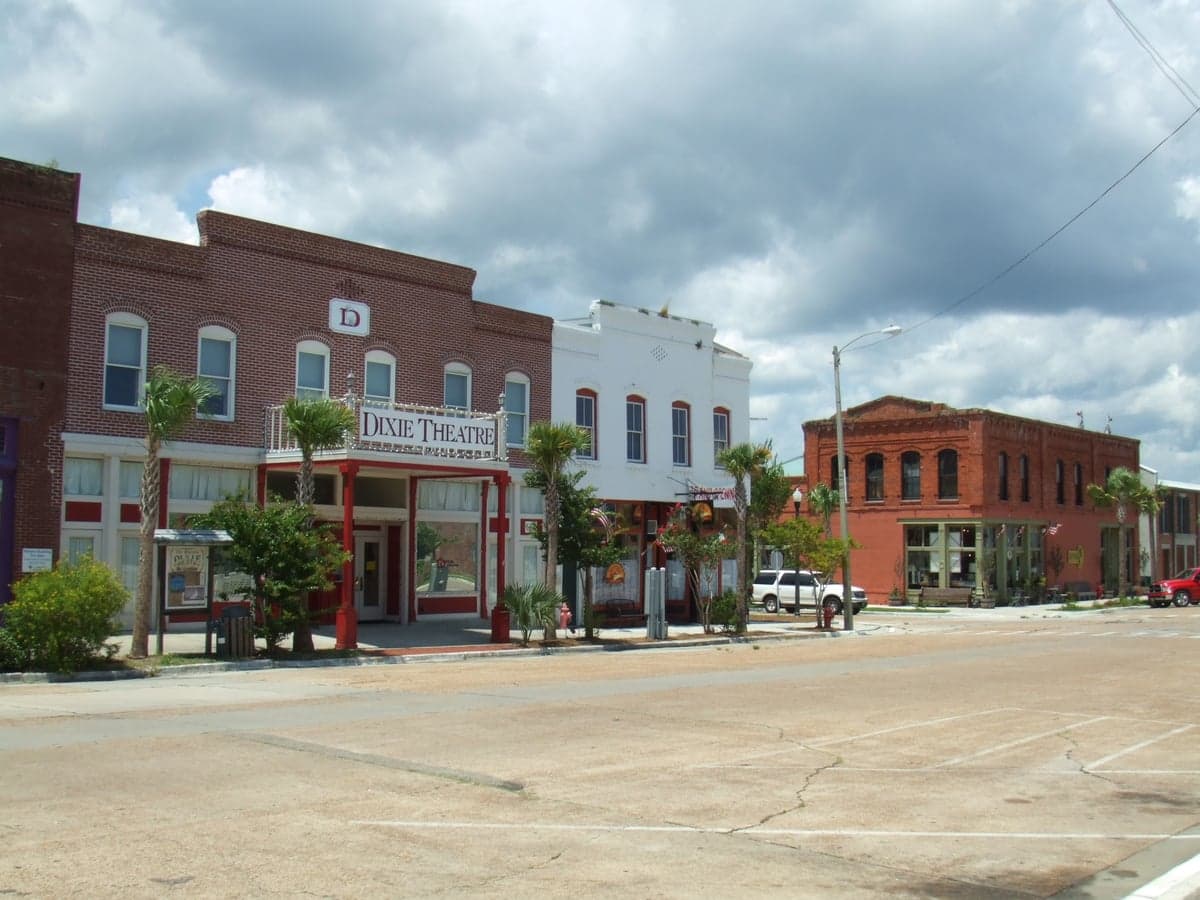
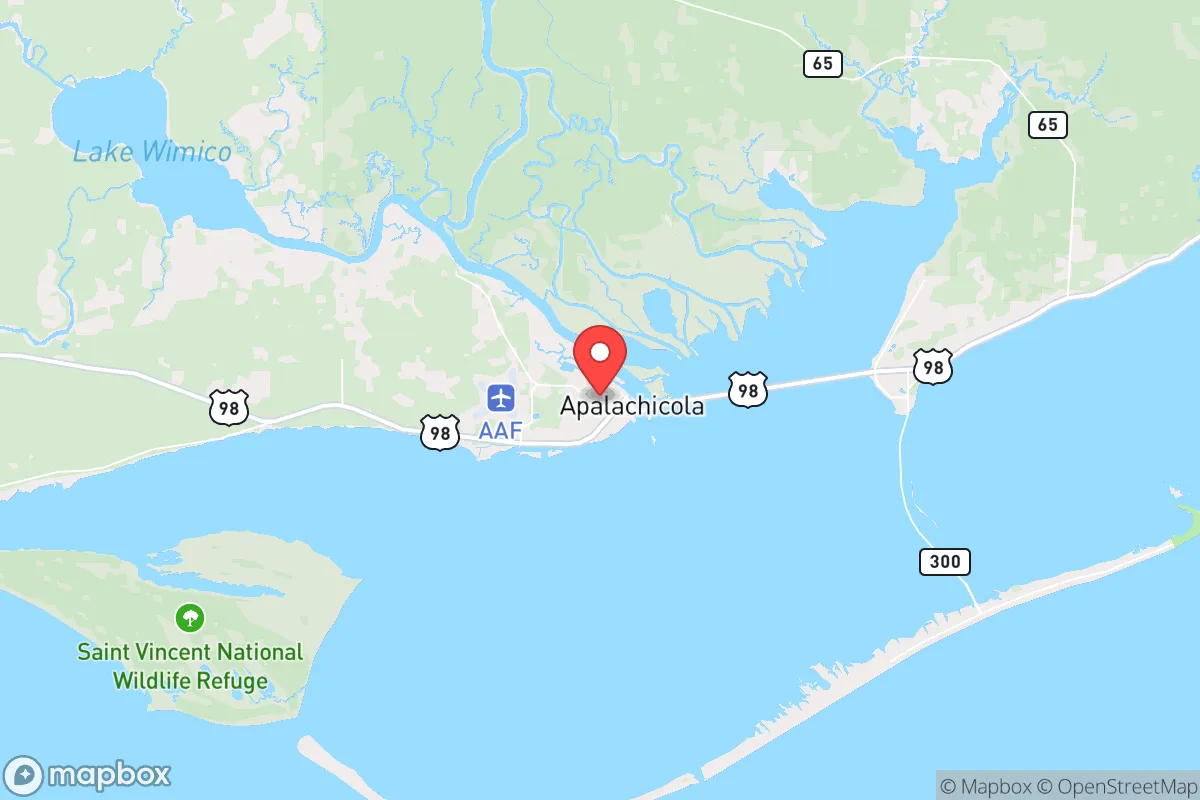
Photo: Wikipedia
Find The Best Places To Live
in Apalachicola
PRO TIP! You can paste a Zillow or Redfin link to get info on that property.
Compare Apalachicola with another place
What It's Like Living in Apalachicola, FL
Apalachicola feels less like a typical Florida town and more like a quiet, working waterfront village where the pace is set by the tides and the oyster boats. With just over 2,300 residents and a median age pushing 52, this is a place where people know each other by name, and the biggest decision of the day might be whether to walk to the dock or grab coffee at the downtown bakery. It’s not for everyone, but for those who value solitude, history, and a deep connection to the Gulf, it’s hard to beat.
The Daily Rhythm: Slow, Self-Reliant, and Tied to the Water
Life here moves on its own schedule. Most people work in fishing, tourism, or the handful of local businesses that keep the town running—shrimping and oystering are still the backbone, though the industry has taken hits from recent hurricanes and red tide. The average commute is just over 18 minutes, which means you’re never stuck in traffic; the biggest slowdown is waiting for the drawbridge on U.S. 98. Weekends are spent on the water—kayaking the Apalachicola River, fishing off St. George Island, or just sitting on the porch watching the sunset over the bay. There’s no mall, no chain restaurants to speak of, and the nearest big-box shopping is a 45-minute drive to Panama City. That’s a feature, not a bug, for the people who live here.
The local food scene punches above its weight. The Owl Cafe and Up the Creek Raw Bar are the go-to spots for fresh oysters and fried shrimp, and the Saturday morning farmers market at Mill Pond draws a steady crowd. For groceries, there’s a small Piggly Wiggly and a local seafood market; anything else requires a trip out of town. The median household income is about $61,000, which goes further here than in most of Florida—the cost of living sits right at the national average, and with a median home value under $250,000, a family can still buy a historic house within walking distance of the water.
Sports, Festivals, and What Passes for Nightlife
Sports aren’t a major draw in Apalachicola—there’s no pro team within two hours, and the local high school, Apalachicola High School, fields small but scrappy teams in football and basketball. The real energy goes into the Florida Seafood Festival, held every November, which draws thousands for oyster-eating contests, live music, and a parade that shuts down the main drag. It’s the town’s biggest event and a genuine point of pride. For regular entertainment, the Dixie Theatre hosts live music and plays, and the Bowery bar on Market Street is where locals gather for drinks and conversation. There’s no club scene, no late-night anything—the bars close early, and the biggest excitement on a Tuesday night might be trivia at a waterfront pub.
Outdoor life is the main entertainment. The Apalachicola National Estuarine Research Reserve offers miles of trails and boardwalks, and the nearby St. George Island State Park has some of the best undeveloped beaches on the Gulf Coast. Fishing charters are plentiful, and the river itself is a paddler’s paradise. For a town this small, the access to nature is exceptional—but you have to be the kind of person who finds that more appealing than a movie theater or a shopping center.
Who Fits In—and Who Doesn’t
Apalachicola tends to attract retirees, second-home owners, and younger families who work remotely or in the seafood industry. The median age of 51.8 reflects the large retiree population, but there’s a small but steady influx of people in their 30s and 40s looking for a slower, cheaper life. About a third of residents have a college degree, which is higher than many rural Florida towns, and you’ll find a mix of old Florida families and newcomers who bought a historic fixer-upper. The political leanings are mixed—Franklin County voted for Trump in 2024 by a modest margin, but the town itself has a libertarian streak that values personal freedom and minimal government interference.
What frustrates longtime residents? The lack of healthcare options is a real issue—the nearest hospital with a full ER is in Panama City, a 45-minute drive. Hurricanes are a fact of life, and the town has flooded badly in recent storms. The violent crime rate of 210 per 100,000 is slightly above the national average, but most locals will tell you it’s concentrated in a few areas and rarely affects daily life. Property crime, especially theft from boats and sheds, is a more common annoyance. And if you’re looking for a vibrant social scene or career opportunities outside of fishing or tourism, you’ll be disappointed.
What they love? The quiet, the community, and the water. Neighbors still look out for each other. You can leave your kayak on the dock overnight and find it there in the morning. The sunsets over the river are genuinely world-class. And for a certain kind of person—someone who values solitude, self-reliance, and a deep sense of place—Apalachicola is exactly right.

Similar small towns to Apalachicola


* Values derived from national, state, county, city and local statistics and may differ in a specific area. Last updated: 2026-11-05T17:47:29.000Z
Narrative content on this page is AI-generated and may contain mistakes. Verify any details that matter before acting on them.
ReloMaps may earn a commission from affiliate links at no extra cost to you.

