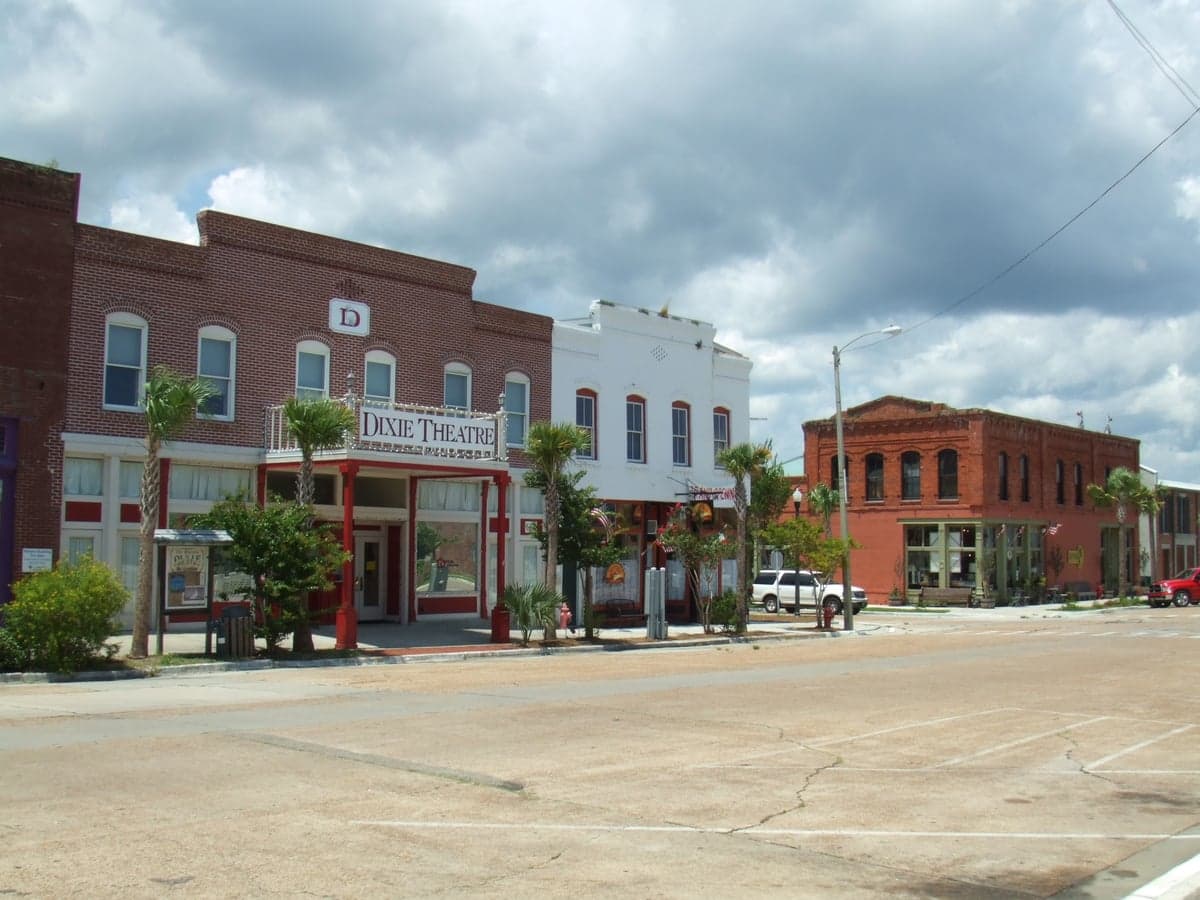
Photo: Wikipedia
Quality of Life in Apalachicola, FL
Above-average quality of iife. The area offers a reasonable cost of living, decent mobility, and a mix of neighborhood amenities.
What does Quality of Life tell us?
Quality of Life blends cost of living, nearby amenities, socioeconomic signals, and neighborhood character. City-level scores represent the whole municipality; individual neighborhoods can differ.
What does this tell us?
Quality of Life blends cost of living, nearby amenities, socioeconomic signals, and neighborhood character. City-level scores represent the whole municipality; individual neighborhoods can differ.
Cost of Living
1% below national average
The Real Cost of Living in Apalachicola, FL for 2026
| Tier | Individual | Family (4) |
|---|---|---|
| Survival | $20k | $37k |
| Comfortable | $48k | $71k |
| Luxury | $104k+ | $161k+ |
| Elite (Top 5%) | $122k+ | $189k+ |
86%
The Area Signal
A metric tracking the socioeconomic signals of the area.
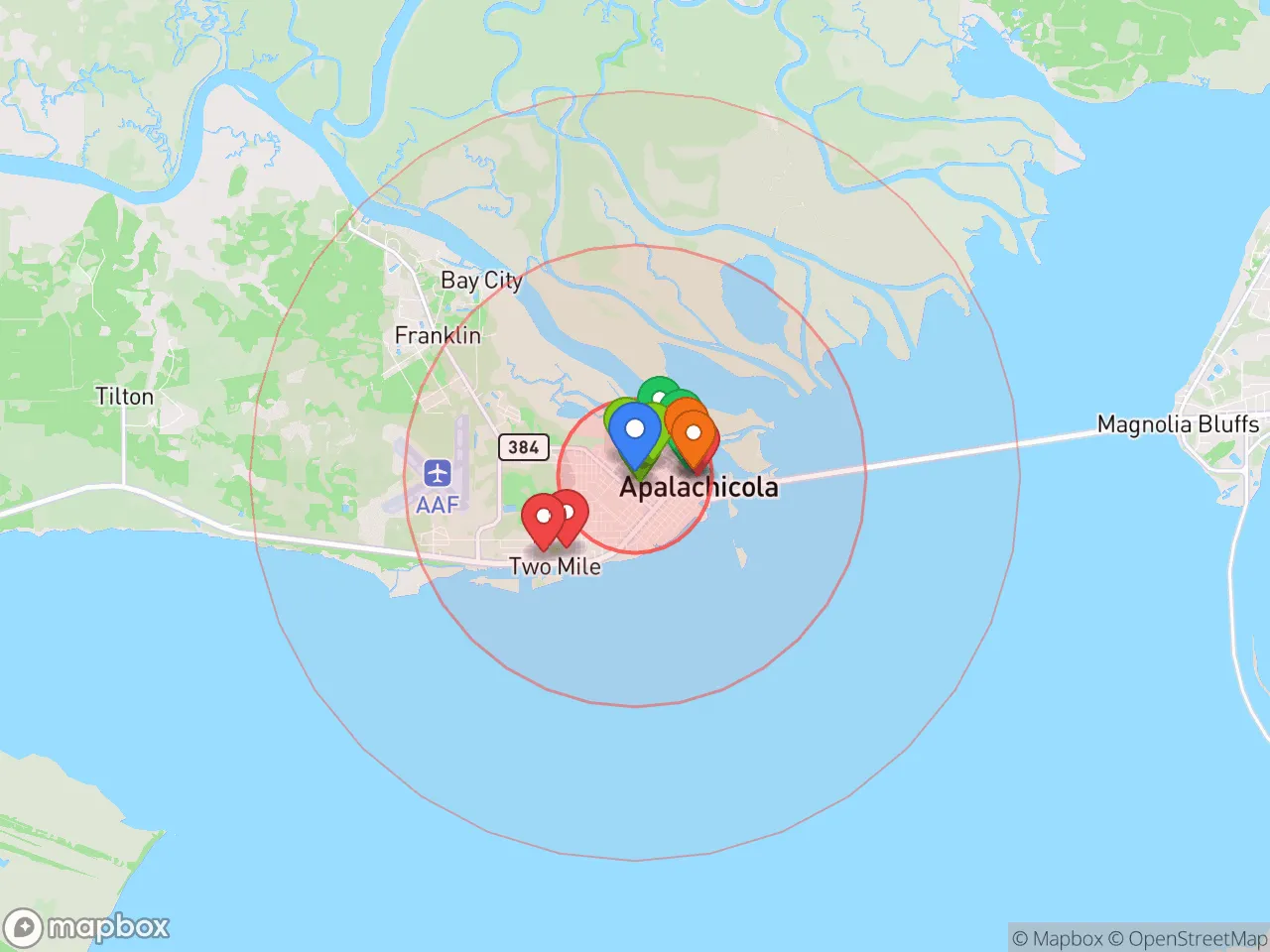
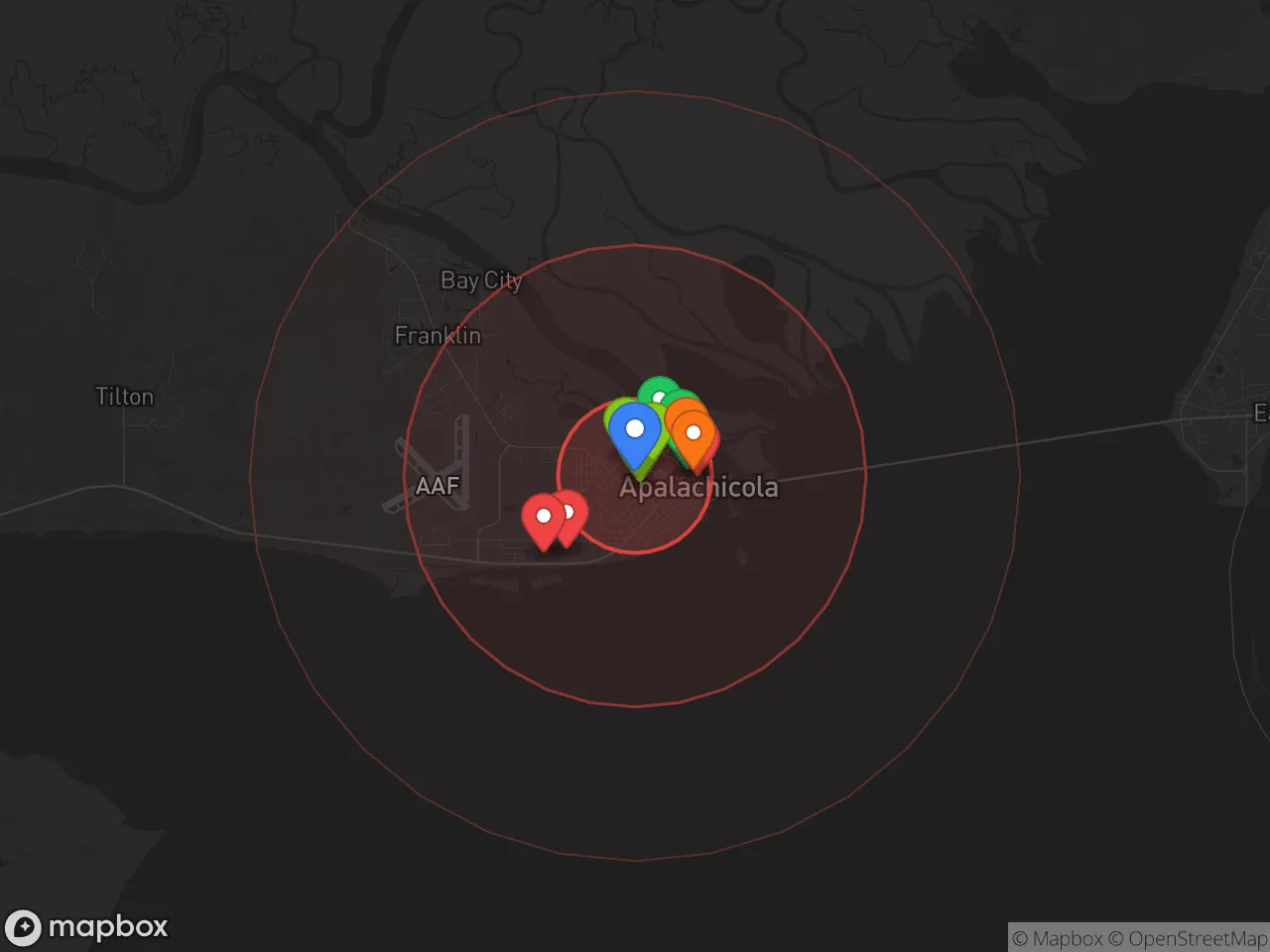
Hobbies
Explore the areaGroceries
0 within 10 miles
Gas
0 within 10 miles
Hospital
0 within 20 miles
Airport
TPA — Tampa International
Post Office
Critical Amenities
Quality-of-Life Analysis
Apalachicola, Florida, presents a quality of life defined by its working waterfront heritage and a cost of living that sits just below the national average, attracting a mix of longtime oystering families, second-home buyers, and remote workers seeking a slower pace. The area’s affluence is modest compared to Florida’s luxury coastal enclaves, with a median household income that trails state averages, yet the community is anchored by a tight-knit population of retirees, artists, and professionals employed in tourism, seafood processing, and local government. This is not a place of conspicuous wealth but of quiet resilience, where the rhythm of the Apalachicola River and Bay shapes daily life more than any economic boom.
Cost of living, housing affordability, and how it compares to nearby towns
Apalachicola’s overall cost of living index is 99, essentially equal to the U.S. average of 100, making it significantly more affordable than Florida’s major metro areas like Miami (index ~120) or Tampa (index ~105). The median home value sits at $247,900, which is roughly $100,000 below the statewide median, though prices have risen steadily since 2020 as out-of-state buyers discover the Forgotten Coast. Median rent is $1,235, comparable to nearby Port St. Joe but about 15% cheaper than Panama City Beach. The average commute is a remarkably short 18.5 minutes, reflecting the town’s compact layout and limited sprawl—most residents work within Franklin County or make the 45-minute drive to Panama City for specialized jobs. Property taxes remain low due to Florida’s homestead exemptions and the absence of a state income tax, though flood insurance premiums are a significant added cost for homes in flood zones, often exceeding $2,000 annually.
Local amenities, schools, and the daily rhythm of life
Daily life in Apalachicola revolves around the downtown historic district, where independent bookstores, seafood markets, and galleries line Avenue D and Market Street. The Franklin County School District serves the area with three schools: Apalachicola Bay Charter School (K-8), Franklin County School (K-12), and the district’s high school, which has an enrollment of roughly 250 students and a student-teacher ratio of 14:1. Healthcare is limited to the 25-bed George E. Weems Memorial Hospital, which handles emergencies and basic care; specialists and major medical services require a drive to Panama City. Grocery shopping is done at the local Piggly Wiggly or at seafood wholesalers like the Apalachicola Seafood Market. The town’s cultural anchor is the Apalachicola National Estuarine Research Reserve, which offers nature trails and a museum, while the annual Florida Seafood Festival in November draws thousands. For dining, staples include the Owl Café for upscale Southern fare and Boss Oyster for raw-bar classics. The pace is distinctly unhurried—most businesses close by 6 p.m., and evening entertainment centers on porch-sitting, fishing from the city dock, or live music at the Bowery Station listening room.
Apalachicola is best suited for those who value authentic coastal character over polished resort living—retirees on fixed incomes, remote workers with stable internet (Starlink is common), and families who prioritize small-school environments and outdoor recreation over urban amenities. The trade-offs are real: limited job diversity, hurricane evacuation risks, and a lack of big-box retail or nightlife. But for buyers willing to accept those constraints, the area offers a quality of life grounded in natural beauty, low crime, and a genuine sense of community that is increasingly rare along Florida’s Gulf Coast.

Crime in Apalachicola, FL
Generally safer than 68% of comparable U.S. locations.
Violent CrimeViolent Crime Analysis
Property CrimeProperty Crime Analysis
Crime Analysis
Apalachicola, Florida, presents a mixed safety profile for prospective residents. The city’s violent crime rate of 210.1 per 100,000 residents is notably lower than the national average, but its property crime rate of 910.4 per 100,000 is significantly higher, indicating that theft and burglary are the primary public safety concerns. While the small-town atmosphere of this Franklin County seat offers a quieter lifestyle than a major metro, the elevated property crime figures demand attention from anyone considering a move.
Crime in context
Apalachicola’s violent crime rate of 210.1 per 100,000 sits well below the U.S. average of roughly 380 per 100,000, making serious offenses like assault and robbery less common than in many parts of the country. However, the property crime rate of 910.4 per 100,000 is a stark contrast, exceeding both the Florida state average (approximately 1,800 per 100,000) and the national average (around 1,950 per 100,000) by a wide margin. This means residents are roughly 2.5 times more likely to experience a property crime than the typical American. The data suggests that while personal safety from violent acts is relatively strong, securing homes, vehicles, and personal belongings requires extra vigilance.
What residents experience
Daily life in Apalachicola is shaped by its small-town character, but the property crime rate creates a tangible undercurrent of caution. Residents commonly report issues with vehicle break-ins, theft from unsecured porches or yards, and occasional burglaries of vacation homes or rental properties, particularly during the off-season when fewer people are around. The city’s reliance on tourism and its historic, walkable downtown can also attract opportunistic theft. It is important to note that Franklin County, like many rural areas in Florida, operates within a state judicial system that has seen progressive policies in some urban centers. While local judges and prosecutors in this region tend to be more conservative, the broader trend in Florida’s larger metro areas—where liberal district attorneys have implemented policies like cash bail reform and reduced prosecution for certain property crimes—can indirectly affect statewide crime patterns. For Apalachicola, this means that even if local enforcement is diligent, the overall environment in the state can contribute to a higher risk of repeat property offenders being on the streets.
Neighborhood-level variation in Apalachicola is not extreme, but some patterns exist. The historic downtown core and areas near the waterfront, popular with tourists, see a higher concentration of property crimes like theft from vehicles and shoplifting. Residential streets further from the commercial center, such as those in the "Hill" neighborhood, tend to have lower reported incident rates. The safest areas are generally the quieter, less trafficked residential pockets away from major thoroughfares and the central business district. Prospective residents should prioritize homes with good lighting, secure locks, and, if possible, a neighborhood watch presence. Overall, while the risk of violent crime is low, the high property crime rate makes Apalachicola a place where proactive security measures are not optional—they are a necessity for peace of mind.
* Values derived from national, state, county, city and local statistics and may differ in a specific area. Last updated: 2026-11-05T17:47:29.000Z
Narrative content on this page is AI-generated and may contain mistakes. Verify any details that matter before acting on them.
ReloMaps may earn a commission from affiliate links at no extra cost to you.

