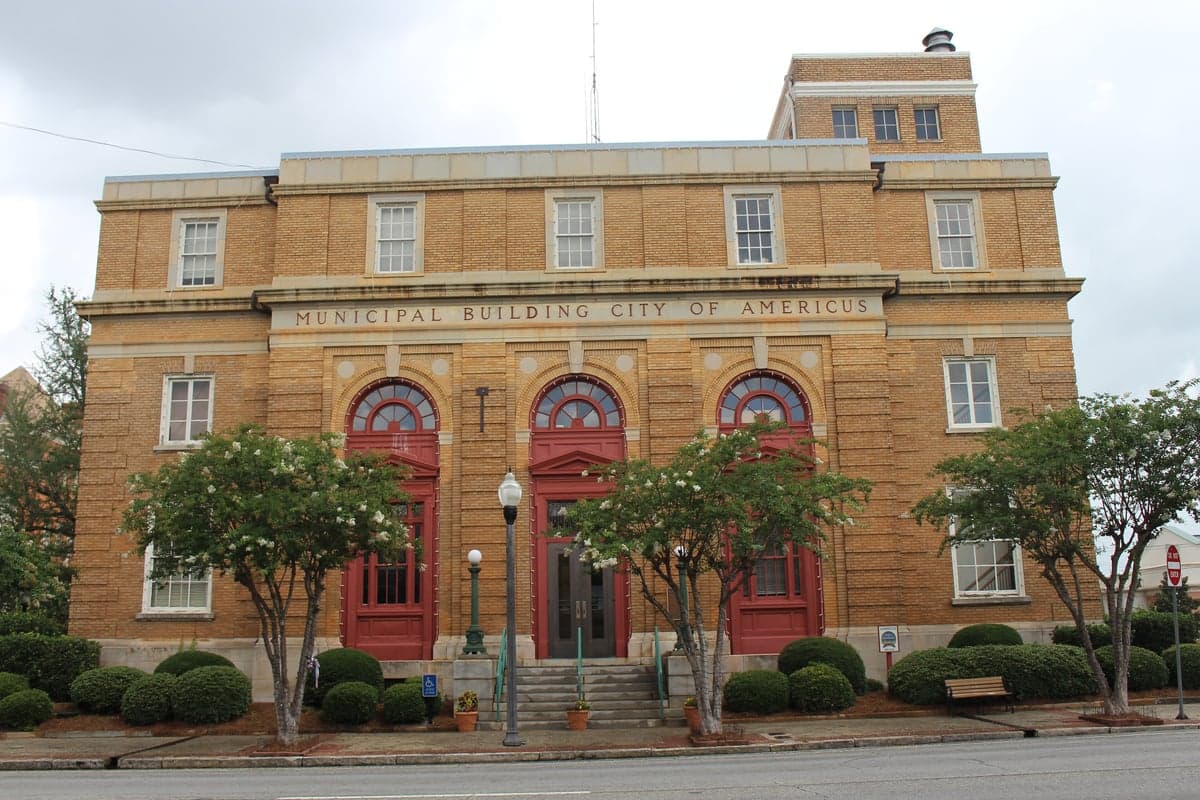
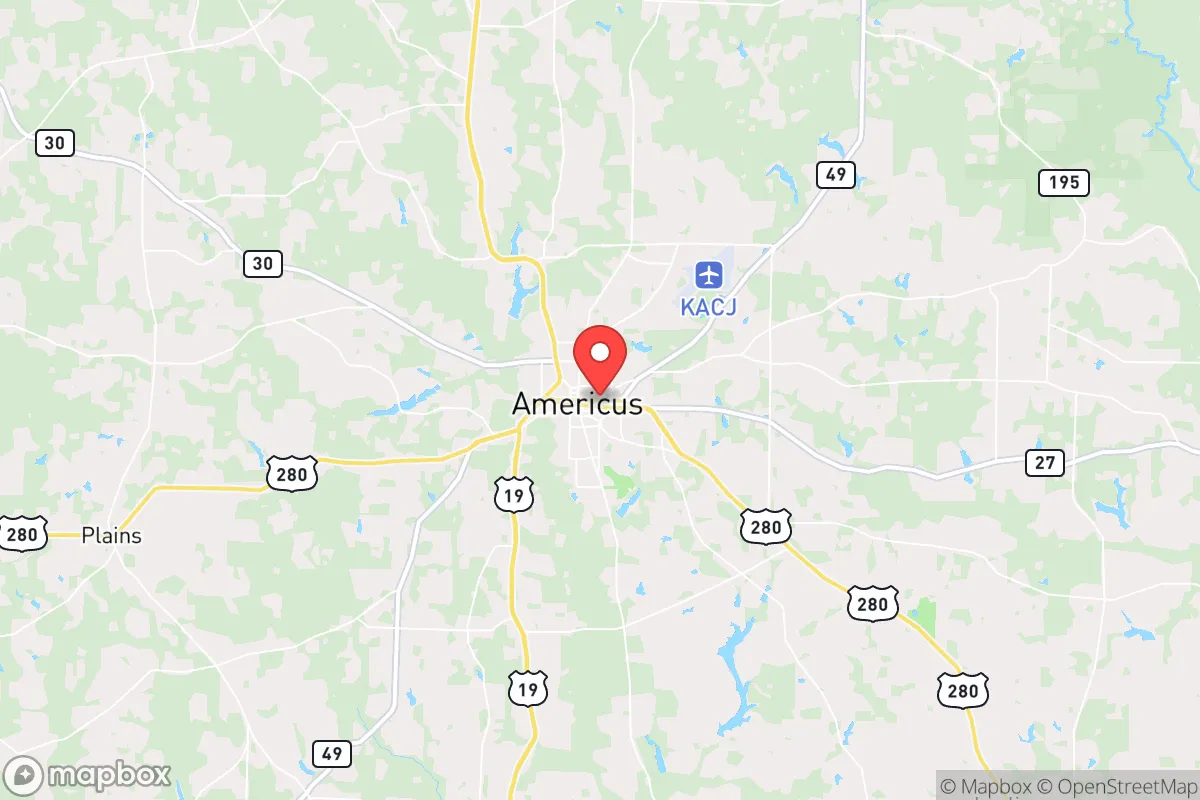
Photo: Wikipedia
Find The Best Places To Live
in Americus
PRO TIP! You can paste a Zillow or Redfin link to get info on that property.
Compare Americus with another place
What It's Like Living in Americus, GA
Americus, Georgia, is one of those small Southern towns where the past and present sit side by side on the same street corner. With a population just shy of 16,000, it feels less like a suburb and more like a self-contained community where people know your name—and your business. The vibe is unhurried, deeply rooted in church and family, and defined by a quiet resilience that shows up in everything from the historic downtown architecture to the way locals rally around the high school football team on Friday nights.
The Daily Rhythm: Slow Mornings and a Short Commute
Life in Americus moves at a pace that can feel jarring if you’re coming from Atlanta or even Macon. The average commute clocks in at under 19 minutes, which means most people are home for lunch if they want to be. Mornings often start at a local coffee shop like Theodocia’s or a quick stop at the Piggly Wiggly, and by early afternoon, the downtown sidewalks are quiet again. The median age here is just 29, which is younger than you might expect for a town this size—largely because of Georgia Southwestern State University and the influx of young families drawn by the low cost of living. With a cost of living index of 59—well below the national average of 100—a median home value of $113,500 means a decent three-bedroom house is within reach for a couple earning the median household income of $39,527. That math is the main reason people move here: your dollar goes further, and you can actually own a home on a single income.
Sports, Friday Nights, and Community Pride
If you want to understand Americus, you have to understand the Americus-Sumter High School Panthers. Friday night football in the fall is the closest thing the town has to a civic religion. The stadium fills up with parents, grandparents, and alumni who haven’t missed a home game in decades. There’s no pro sports team within 100 miles, so high school athletics—football, basketball, and baseball—carry the weight of local pride. The Georgia Southwestern State Hurricanes also draw a decent crowd for basketball and baseball, but the energy is more casual, more student-focused. For a town this size, sports are less about winning championships and more about the ritual of gathering, tailgating, and catching up with neighbors you haven’t seen since last week’s game.
What’s There to Do: Festivals, Parks, and a Surprising Arts Scene
Americus punches above its weight when it comes to things to do, especially if you like history and the outdoors. The biggest annual event is the Azalea Festival in March, which draws crowds from across southwest Georgia for a parade, arts and crafts, and enough fried food to last until summer. The Rylander Theatre, a restored 1920s movie palace downtown, hosts live music, plays, and film screenings year-round—it’s the kind of venue that makes you forget you’re in a town of 16,000. For outdoor types, the Jimmy Carter National Historical Park in nearby Plains is a 20-minute drive, and Lake Blackshear is about 30 minutes north for fishing, kayaking, and camping. The Global Village and Discovery Center, run by Habitat for Humanity (which was founded here), offers a unique look at housing solutions around the world. On a typical weekend, you’ll find families at the Windsor Park playground, couples grabbing dinner at Mama’s Kitchen for Southern comfort food, or a group of friends at The Brick for pizza and a beer.
Pros and Cons of Living in Americus
What residents love: The affordability is the top reason people stay. You can buy a home, raise a family, and still have money left over for vacations or savings. The sense of community is real—neighbors help each other, and local businesses remember your order. The short commute means more time at home, and the slower pace is a relief for anyone tired of traffic and noise.
What frustrates locals: The violent crime rate is a serious concern at 902 per 100,000 residents—well above the national average, and it’s concentrated in specific areas, but it still affects the town’s reputation and sense of safety. Job opportunities are limited; the largest employers are the school system, the hospital, and Georgia Southwestern, so anyone in specialized fields may need to commute to Albany (40 minutes) or Columbus (an hour). Only about 21.5% of adults hold a college degree, which reflects the limited white-collar job market. And if you’re looking for nightlife beyond a few bars and restaurants, you’ll be disappointed—most places close by 10 p.m., and the nearest real entertainment hub is an hour away.
Cultural quirks: Americus is the birthplace of Habitat for Humanity, and that legacy of volunteerism and community service is still baked into the local identity. You’ll see “Love Thy Neighbor” signs in yards and church parking lots full on Wednesday nights. The town also has a strong sense of its Civil War and civil rights history—the Windsor Hotel and the Americus Historic District are points of pride. Summers are hot and humid, with July highs in the low 90s, and the pace of life slows down even more when the air gets thick. Winters are mild, which is a bonus for anyone who hates snow.
Americus isn’t for everyone. It’s for people who value affordability, community, and a slower rhythm over career opportunities and nightlife. If you’re raising a family on a budget, or you’re retired and want your money to stretch, it’s a solid choice. Just know that the trade-offs are real—and that the sense of belonging you get here is something you won’t find in a bigger city.

Similar towns to Americus
* Values derived from national, state, county, city and local statistics and may differ in a specific area. Last updated: 2026-10-29T21:15:33.000Z
Narrative content on this page is AI-generated and may contain mistakes. Verify any details that matter before acting on them.
ReloMaps may earn a commission from affiliate links at no extra cost to you.

