Photo: Wikipedia
Find The Best Places To Live in North Slope County
PRO TIP! You can paste a Zillow or Redfin link to get info on that property.
Best Places to Live in North Slope County

Cities & Towns in North Slope County
Cities in North Slope County
What It's Like Living in North Slope County, AK
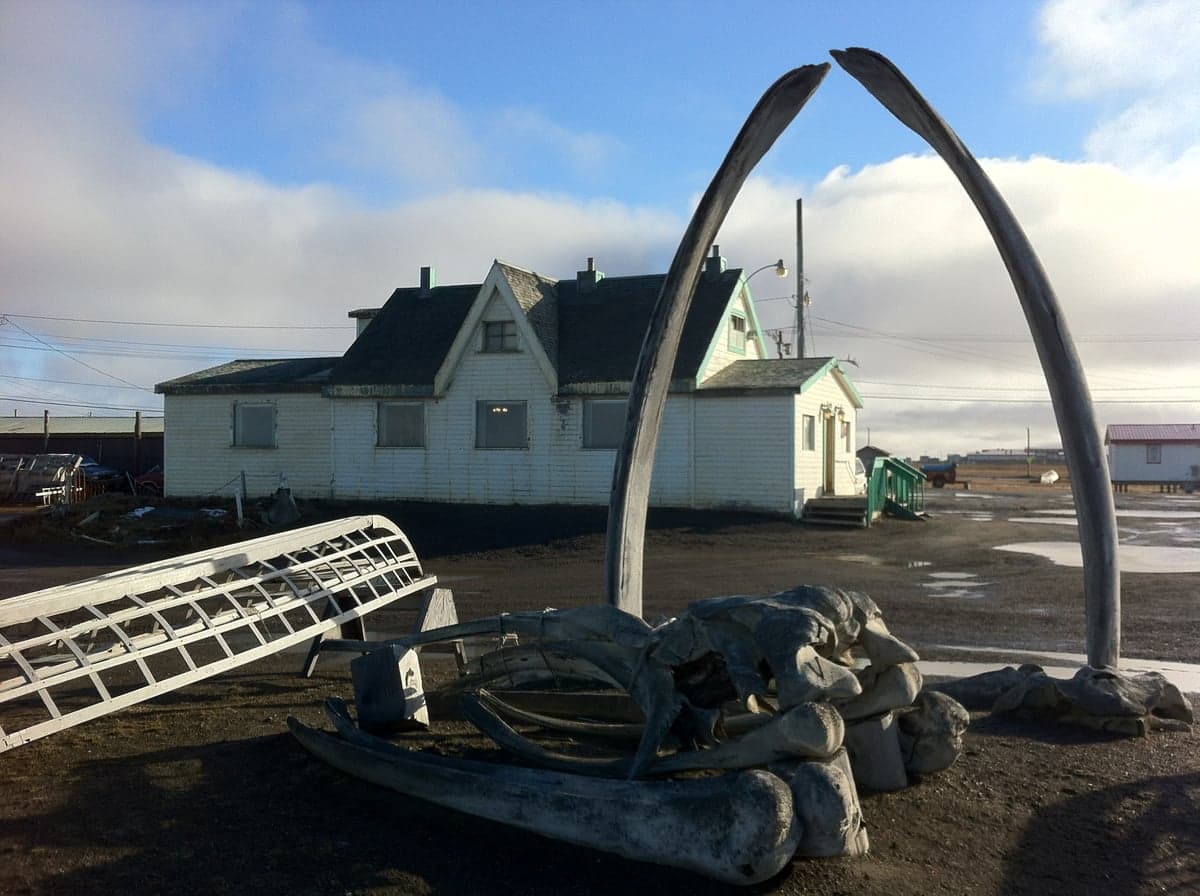
Living in North Slope County, Alaska, is less a lifestyle choice and more a declaration of purpose. This is a place where the work is hard, the weather is unforgiving, and the community is forged in shared resilience. From the industrial hub of Utqiaġvik (formerly Barrow) to the remote energy camps of Prudhoe Bay and the smaller villages like Nuiqsut and Wainwright, life here revolves around the oil industry, the stark Arctic landscape, and a tight-knit social fabric that outsiders often find both intimidating and deeply appealing.
The Daily Grind: Work, Weather, and Weekends
For most residents, daily life is defined by a unique work rhythm. A huge portion of the workforce is tied to the oil fields, often working a shift schedule—two weeks on, two weeks off—that involves flying in and out of Prudhoe Bay or Deadhorse. This means many people spend half their time in a hyper-industrial, remote camp environment and the other half at home in Utqiaġvik or a smaller community like Anaktuvuk Pass. The average commute of just under 20 minutes is a bit misleading; for those on the Slope, the commute can be a flight or a long drive on the Dalton Highway, but within the towns themselves, everything is close. The median income of $86,313 reflects the high wages of the oil and support sectors, but it’s balanced by a cost of living index of 91—actually below the national average, largely because of subsidized housing and fuel in some areas, though groceries can still be shockingly expensive.
Weekends are spent differently depending on the season. In the endless daylight of summer, people fish, hunt for caribou, or take ATVs out on the tundra. In the deep winter, with months of polar night, social life moves indoors. You’ll find locals at the Barrow Arctic Science Consortium for community events, or grabbing a bite at Sam & Lee’s Chinese Restaurant in Utqiaġvik—a local institution. The weather is the constant conversation piece: winter temperatures can drop to -30°F with wind chills far lower, and the wind itself is a defining feature. It’s not a place for the faint of heart, but for those who thrive on purpose and routine, it works.
Who Fits In: A Community of Workers and Families
The kind of person who thrives here is practical, self-reliant, and values a clear mission over convenience. It’s a slightly conservative-leaning population—many residents are drawn by the stable, high-paying jobs and the no-nonsense culture of the oil patch. Families are common, and the median age of 35.2 suggests a population that’s settled but not elderly. Schools, like Utqiaġvik’s Ipalook Elementary and Barrow High School, are community anchors. Friday-night basketball games in the winter are a big deal, drawing crowds that pack the gym for warmth and camaraderie. The college-educated rate is low at 14.9%, but that’s because many jobs here are trade-based—welders, heavy equipment operators, and mechanics are the backbone. You’ll find a mix of Iñupiat families with deep generational roots and transient workers from the Lower 48 who stay for a few years to save money.
What’s There to Do: Sports, Festivals, and the Great Outdoors
Entertainment here is defined by the land and the culture. The biggest annual event is Utqiaġvik’s Kivgiq, the Iñupiat Eskimo dance festival, which brings together villages from across the Slope for drumming, dancing, and traditional games. It’s a powerful display of cultural identity. For sports, high school basketball and wrestling are the main draws—there’s no pro or college team within hundreds of miles, so the local teams are the stars. Outdoor activities are world-class but extreme: polar bear watching in the fall, birding on the tundra in spring, and the surreal experience of the midnight sun. The Barrow Duck-In is a quirky annual event where locals race homemade duck boats in the lagoon. For dining, Arctic Pizza in Utqiaġvik is a legendary spot—known for its massive slices and as a gathering place for everyone from oil workers to scientists. The biggest frustration for many is the lack of road access to the rest of Alaska; you can’t drive out, so everything comes by plane or barge, which makes travel expensive and logistics a constant chore.
Pros and Cons of Living on the Slope
Longtime residents love the financial stability, the deep sense of community, and the raw beauty of the Arctic. The violent crime rate of 732.2 per 100,000 is a serious concern—it’s high, driven largely by domestic incidents and alcohol-related issues in a region with a complex relationship with prohibition (Utqiaġvik is a “damp” city, with strict alcohol import rules). That’s a con that can’t be glossed over. On the plus side, the median home value of $219,600 is remarkably affordable compared to Anchorage or the Lower 48, and many employers offer housing allowances. The isolation is both a pro and a con: you’ll never feel crowded, but you’ll also miss the variety of a big city. For the right person—someone who values purpose, community, and a paycheck that matches the challenge—North Slope County is a place you don’t just live; you belong.

* Values derived from national, state, county, city and local statistics and may differ in a specific area. Last updated: 2026-06-30T04:01:11.000Z
Narrative content on this page is AI-generated and may contain mistakes. Verify any details that matter before acting on them.
ReloMaps may earn a commission from affiliate links at no extra cost to you.

