Photo: Wikipedia
Find The Best Places To Live in Ketchikan Gateway County
PRO TIP! You can paste a Zillow or Redfin link to get info on that property.
Best Places to Live in Ketchikan Gateway County
Cities & Towns in Ketchikan Gateway County
Cities in Ketchikan Gateway County
What It's Like Living in Ketchikan Gateway County, AK
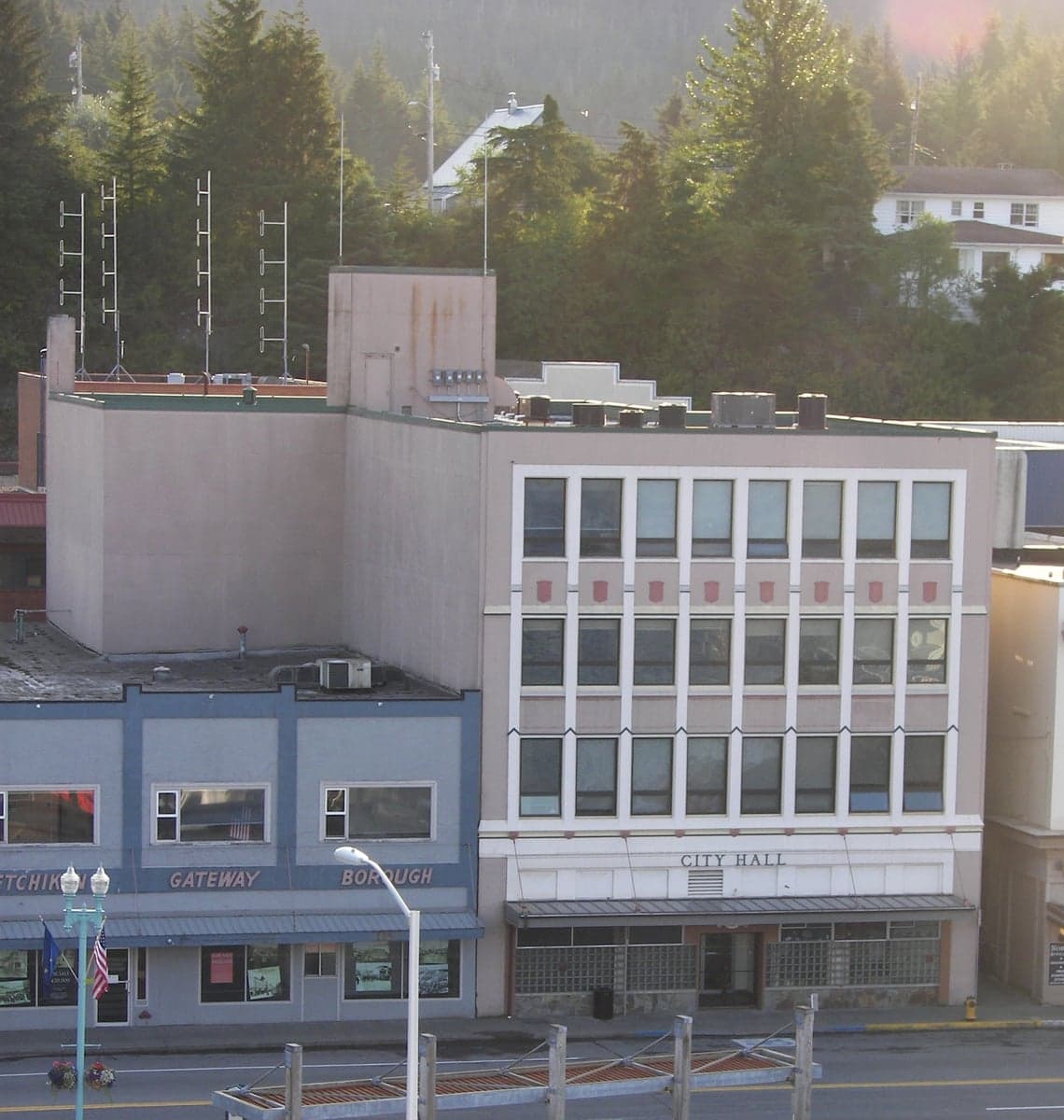
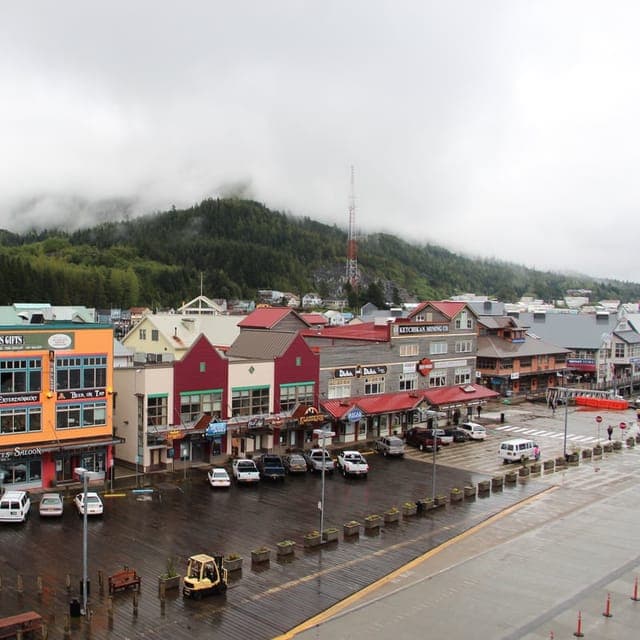
Living in Ketchikan Gateway County is a lot like being inside a postcard that occasionally rains sideways. It’s a place where the daily routine revolves around water, weather, and a fierce sense of self-reliance, wrapped in a small-town warmth that surprises newcomers. The county’s hub is Ketchikan itself, a town of about 8,000, with Saxon and the more rural outposts like Ward Cove and the island communities of Metlakatla (part of the Annette Island Reserve) adding a quieter, more remote flavor. If you’re moving here, you’re trading convenience for character—and you’ll need a good rain jacket.
Daily Rhythm: Rain, Resilience, and a Short Commute
For most people, life here revolves around the water and the work that comes with it. The average commute is a breezy 19.5 minutes, which means you’ll trade gridlock for a scenic drive past Tongass National Forest—often with a bald eagle perched on a streetlight. The median income sits at $89,155, which helps offset the higher cost of living (index of 125, compared to the 100 US average). That extra cost is most visible at the grocery store, where a gallon of milk might run $5 or more. Weekends are spent at places like the Totem Bight State Historical Park or heading out on a charter fishing boat for salmon and halibut in the Inside Passage. Locals grab coffee at First City Coffee & Café, and a hearty dinner often means a stop at The Asylum Bar for halibut tacos or the legendary steamed clams at the Alaska Fish House. The weather is the big daily factor: expect rain for roughly 230 days a year, with winter daylight dipping to just 6.5 hours. It’s not for the sun-worshipper, but for those who love a cozy, cabin-like existence.
Sports, Community, and the Fishing Life
High school sports are a genuine community anchor here. The Ketchikan Kings (and Lady Kings) pack the gym for basketball games, and the local rivalry with the Wrangell Wolves or the Petersburg Vikings is the stuff of legend. Friday-night football doesn’t exist at the level you’d find in Lubbock or Allen, but soccer, cross-country, and volleyball draw solid crowds. Fishing isn’t just a sport—it’s the economy. The massive salmon runs in the Tongass Narrows mean most families own a boat or have a friend who does. The biggest local employer is the Ketchikan Pulp Company (though now largely shuttered), followed by healthcare and the U.S. Forest Service. The annual Blueberry Arts Festival in August brings out the whole county for craft booths and a parade, while the Ketchikan Winter Music Festival keeps the arts scene alive in the dark months. There’s no professional sports team closer than Seattle, but the city’s minor-league baseball team, the Ketchikan Miners, offers a summer pastime with a fiercely local following.
What’s There to Do: Outdoor Adventure and Small-Town Evenings
The great outdoors is the main attraction. The Tongass National Forest is your backyard, with hiking trails like the Deer Mountain trail offering a steep 2.5-mile climb to panoramic views of the islands. For a quieter day, a ferry ride to the Annette Island Reserve’s community of Metlakatla (a Tsimshian Indian Reservation) provides a glimpse into a deeply traditional fishing and carving culture. For something off the beaten path, Saxon, a mostly-suburban fringe, has a few local bars like the Locker Room Tavern where you can shoot pool and chat with loggers. In Ketchikan proper, the Southeast Alaska Discovery Center offers exhibits on the region’s ecology. The biggest frustration for residents? The cost of everything—especially housing. The median home value is $379,000, which for a house on a rain-soaked island in a county of 13,870 people feels steep, but it’s far cheaper than Juneau or Anchorage. The dark side: the violent crime rate is a sobering 732.2 per 100,000—above the national average—and locals will tell you it’s concentrated in specific areas, not random. Property crime, like break-ins on boats, is the bigger day-to-day annoyance.
Who Thrives Here – and Who Might Struggle
This county is a fit for people who don’t mind a limited selection of restaurants or a 90-minute ferry ride to the nearest big-box store. The median age of 40.8 suggests a mix of young families and retirement-bound outdoorsmen. About 27% of adults have a college degree, lower than the national average, which reflects the trades-heavy economy—fishing, construction, and tourism. The kind of person who loves Ketchikan is someone who’d rather spend a weekend gutting a salmon on a dock than shopping at a mall. Families with school-age kids find a tight-knit environment in the Ketchikan Gateway Borough School District, with schools like Ketchikan High School and the smaller Schoenbar Middle School serving as social hubs. The biggest con? The isolation. There’s no road out of Ketchikan—you’re only reachable by plane or ferry. The Alaska Marine Highway is your lifeline, and the schedule dictates everything from doctor visits (for specialists, you fly to Juneau or Seattle) to vacations. But for those who stay, the quiet, the camaraderie, and the sheer beauty of the misty fjords make the rain worthwhile.

* Values derived from national, state, county, city and local statistics and may differ in a specific area. Last updated: 2026-07-01T03:07:37.000Z
Narrative content on this page is AI-generated and may contain mistakes. Verify any details that matter before acting on them.
ReloMaps may earn a commission from affiliate links at no extra cost to you.

