
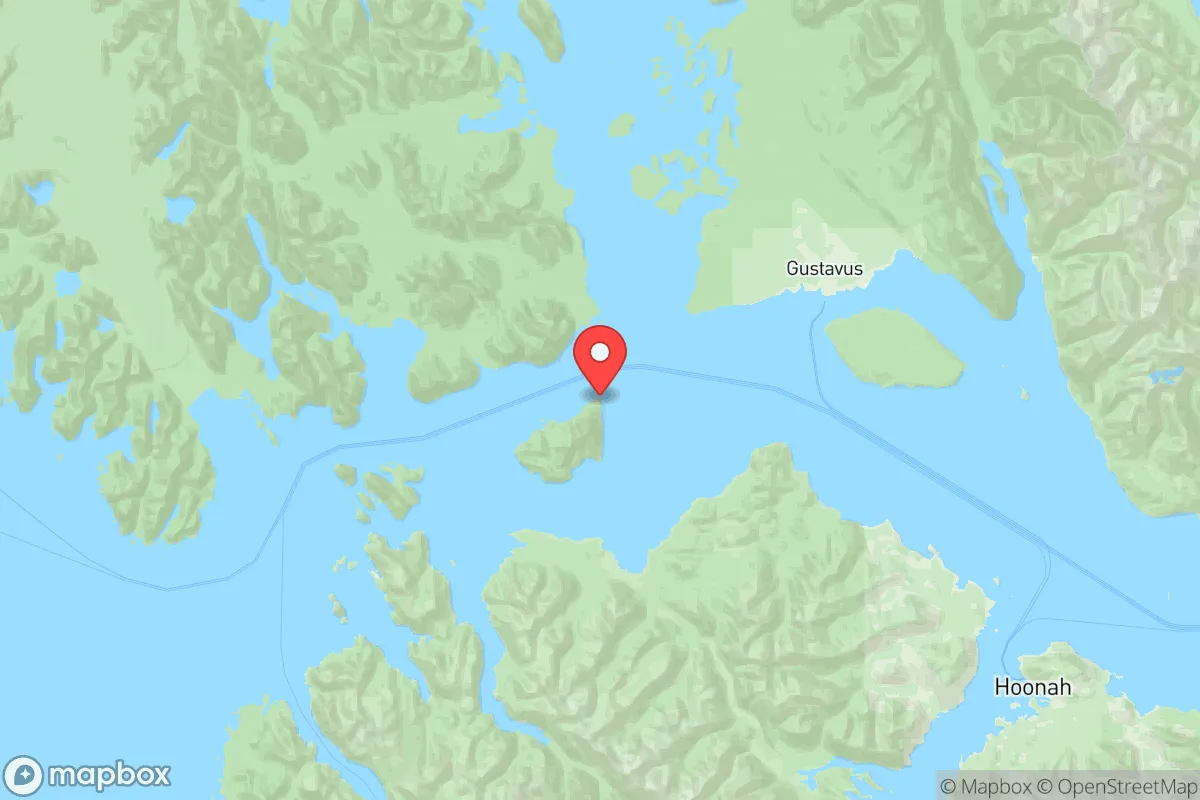
Quality of Life in Hoonah Angoon County
A livable area that tracks near national norms for affordability, walkability, and neighborhood health.
What does Quality of Life tell us?
Quality of Life measures an area by evaluating factors like cost of living, nearby amenities, country club access, airport proximity, socioeconomic signals and neighborhood character. For large states, this is a general average — quality of life can vary dramatically between metro areas, suburbs, and rural communities within the same state.
What does this tell us?
Quality of Life measures an area by evaluating factors like cost of living, nearby amenities, country club access, airport proximity, socioeconomic signals and neighborhood character. For large states, this is a general average — quality of life can vary dramatically between metro areas, suburbs, and rural communities within the same state.
Cost of Living
10% below national average
79%
The Real Cost of Living in Hoonah Angoon County for 2026
| Tier | Individual | Family (4) |
|---|---|---|
| Survival | $16k | $30k |
| Comfortable | $54k | $79k |
| Luxury | $113k+ | $175k+ |
| Elite (Top 5%) | $133k+ | $206k+ |
Quality-of-Life Analysis
Hoonah-Angoon County, Alaska, offers a quality-of-life spectrum that ranges from the relative conveniences of its sole incorporated city, Hoonah, to the extreme isolation of fly-in or boat-access-only villages like Angoon and the remote wilderness of Admiralty Island. The county draws two distinct types of residents: those seeking a tight-knit, service-oriented community with ferry and air connections, and those pursuing a subsistence-based lifestyle in some of the most roadless, off-grid territory in the United States. With a cost-of-living index of 90 (10% below the national average) and a median home value of $278,300, the county presents a rare financial trade-off—lower housing costs than much of Alaska, but with a commensurate lack of retail, healthcare, and transportation infrastructure.
Largest town(s) & population centers
Hoonah is the county's largest community and its functional hub, home to roughly 900 residents. Daily life here centers on the Icy Strait Point cruise ship dock, the Hoonah City Schools, and the local fishing fleet. Residents have access to a grocery store, a health clinic, a post office, and the Hoonah Airport, which offers scheduled flights to Juneau. The median rent of $986 is the most affordable in the county for a rental unit, and the average commute of 19.5 minutes reflects the town's compact layout—most residents walk or drive short distances to work at the school, the cannery, or the tourism operations. Angoon, the county's second-largest settlement with about 450 people, is accessible only by air or boat. Life there is more subsistence-oriented, with a strong Tlingit cultural presence, a K-12 school, a small store, and a clinic, but no road connections to any other community. The daily rhythm is dictated by tides and weather, with residents relying on skiffs and floatplanes for transport.
Smaller towns & rural pockets
Beyond Hoonah and Angoon, the county is dotted with tiny, unincorporated Native villages and seasonal fish camps. Elfin Cove, a boardwalk-only fishing village on Chichagof Island, has a year-round population under 30 but swells in summer with sportfishing guides and lodge workers. Pelican, another boardwalk community, is home to about 80 residents and a single roadless street lined with stilted houses and a cannery. Tenakee Springs, accessible only by boat or seaplane, is a hot-springs community with about 100 year-round residents who live in off-grid cabins and rely on a community barge for supplies. Gustavus, while technically in the adjacent Haines Borough, is often grouped with the county's rural character; within Hoonah-Angoon proper, the most remote pockets are the seasonal camps on Admiralty Island (Kootznoowoo Wilderness), where no permanent roads exist and residents live in float houses or cabins accessible only by skiff.
Cost & lifestyle range
The cost-of-living index of 90 masks wide internal variation. Hoonah sits at the low end of the spread: a median home value of $278,300 buys a modest three-bedroom house with road access, municipal water, and electricity. Rentals here average $986, and the presence of the ferry terminal and airport keeps freight costs lower than in more remote villages. At the high end, Angoon and Tenakee Springs see home values that can exceed $350,000 for waterfront cabins, but with no road access, residents pay a premium for fuel, building materials, and groceries shipped by barge or air. Elfin Cove and Pelican represent the extreme: land is essentially leasehold, homes are often sold as "cabin and skiff" packages, and the cost of a gallon of milk can reach $8–$10 due to freight. The average commute of 19.5 minutes is misleading—it applies only to those who work in their home community; for many, commuting means a 45-minute floatplane ride to Juneau or a multi-day boat trip to a seasonal job.
This county is best suited for people who value deep cultural connection, subsistence living, and extreme natural beauty over urban amenities. Hikers, fishermen, and Tlingit community members thrive in Hoonah and Angoon, while seasonal lodge workers, wilderness guides, and off-grid homesteaders find their niche in Elfin Cove, Pelican, and the Admiralty Island camps. Anyone considering a move should be prepared for the logistical reality: no roads connect the communities, healthcare requires a flight to Juneau for anything beyond basic care, and the cost of shipping goods can erase the savings from the below-average cost-of-living index. For those who accept these trade-offs, Hoonah-Angoon County offers a quality of life defined by self-reliance, community interdependence, and some of the most pristine coastal wilderness in North America.

Crime in Hoonah Angoon County
Higher crime rates than 67% of comparable U.S. locations.
Violent CrimeViolent Crime Analysis
Property CrimeProperty Crime Analysis
Crime Analysis
Hoonah-Angoon County, a remote, island-and-coastal borough in Southeast Alaska, presents a crime and safety picture that is markedly different from both the state average and the national norm, driven largely by its small, isolated communities and the absence of a large urban center. The county’s violent crime rate of 733.7 per 100,000 residents is significantly higher than the national average, while its property crime rate of 1,920.3 per 100,000 also exceeds national figures. However, these statistics must be interpreted within the context of a population of roughly 2,000 people, where a single incident can dramatically skew annual rates.
Crime in context
When compared to the rest of Alaska, Hoonah-Angoon County’s violent crime rate is elevated. The state of Alaska consistently ranks among the highest in the nation for violent crime, and this borough is no exception. The county’s property crime rate, while high, is more in line with other rural Southeast Alaska communities. It is critical to note that the vast majority of the county’s landmass is uninhabited wilderness, and crime is concentrated almost entirely within its few small towns. The largest community, Hoonah (pop. ~900), is the primary driver of the county’s crime statistics, as it is the only incorporated city and the location of most law enforcement activity. Other settlements like Angoon, Gustavus, Pelican, and Tenakee Springs have far smaller populations and correspondingly lower incident counts, though their per-capita rates can still fluctuate wildly year-to-year.
What residents experience
For residents, the most tangible safety concerns are not the headline-grabbing violent crimes but rather property offenses, particularly theft and burglary, which are often linked to substance abuse and economic hardship. Alcohol-related offenses, including domestic violence and disorderly conduct, are also a persistent issue, as they are in many rural Alaska communities. Law enforcement is provided by the Alaska State Troopers, with a post in Hoonah, and by local police departments in Hoonah and Angoon. Response times in outlying areas can be extremely long due to the geography and limited road connections. The judicial system operates under the Second Judicial District of Alaska, with cases often heard in Hoonah or flown to Juneau. The progressive, rehabilitation-focused approach of the Alaska court system, while well-intentioned, can be a source of frustration for victims, as it may prioritize treatment over incarceration, potentially leading to repeat offenses by the same individuals in small communities where everyone knows each other.
Neighborhood-level variation
Neighborhood-level variation within Hoonah-Angoon County is less about distinct districts and more about the contrast between the main towns and the remote, unincorporated areas. In Hoonah, the area around the Icy Strait Lodge and the ferry terminal is generally considered safer and more patrolled, while the more densely populated residential areas near the school and the old cannery can see higher rates of property crime and disturbances. Angoon, the second-largest community, faces similar challenges, with crime often concentrated around the village core. In contrast, the small, isolated communities of Gustavus (the gateway to Glacier Bay National Park), Pelican, and Tenakee Springs are exceptionally quiet, with crime rates that are often near zero for years at a time. These towns are largely self-policing, and residents typically leave doors unlocked. The most significant safety risk for anyone living or traveling in the county’s vast wilderness areas is not crime but the natural environment—bears, weather, and remoteness pose far greater dangers than any human threat.
* Values derived from national, state, county, city and local statistics and may differ in a specific area. Last updated: 2026-10-21T14:08:39.000Z
Narrative content on this page is AI-generated and may contain mistakes. Verify any details that matter before acting on them.
ReloMaps may earn a commission from affiliate links at no extra cost to you.

