Find The Best Places To Live in Hoonah Angoon County
PRO TIP! You can paste a Zillow or Redfin link to get info on that property.
Best Places to Live in Hoonah Angoon County

Cities & Towns in Hoonah Angoon County
Cities in Hoonah Angoon County
What It's Like Living in Hoonah Angoon County, AK
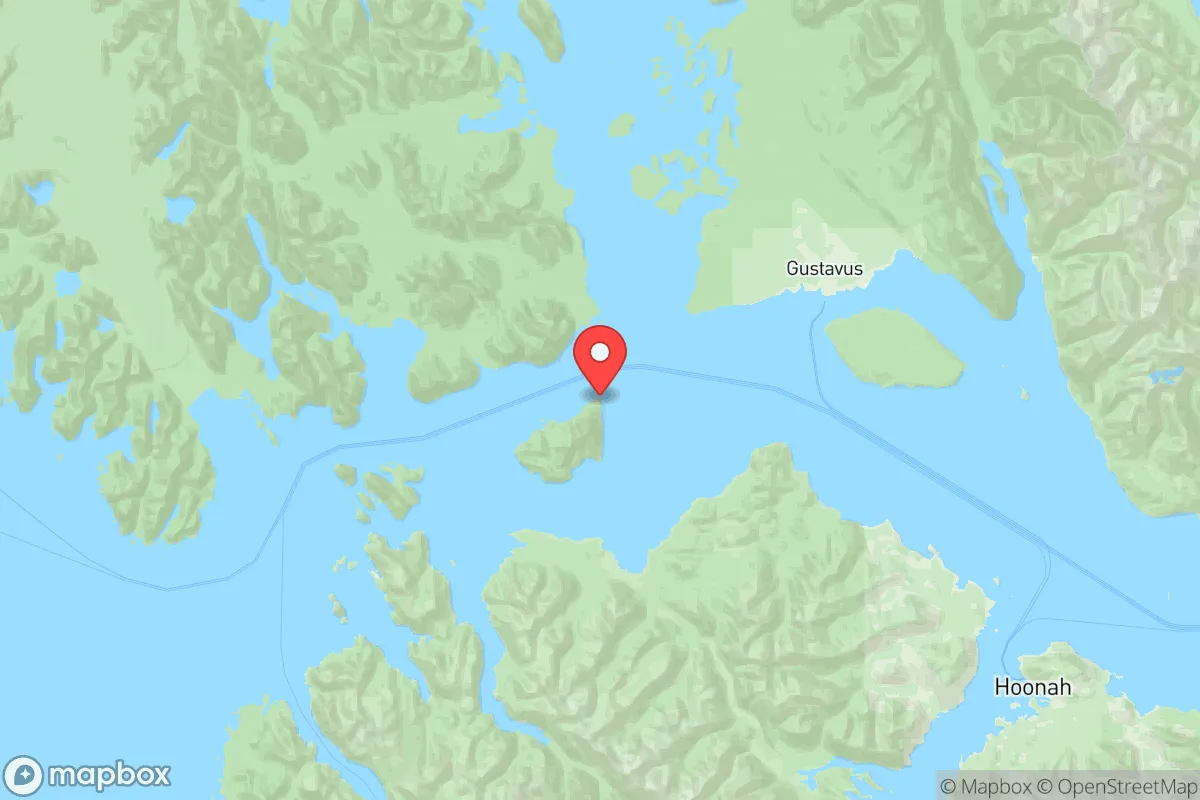
Living in Hoonah-Angoon County means trading convenience for raw, stunning isolation on the edge of the Tongass National Forest. This is a place where the daily commute is measured in boat miles or floatplane minutes, where the nearest big-box store is a hundred miles of ocean away, and where the rhythm of life is dictated by tides, salmon runs, and the weather rolling in off the Inside Passage. It’s not for everyone, but for the roughly 2,313 people who call it home, it’s a deliberate choice to live in one of the most remote and culturally rich corners of Southeast Alaska.
Daily Rhythm in the Islands and Fjords
Life here is defined by the water. In the county seat of Hoonah, the largest community with about 750 residents, a typical day might start with checking the tide tables before heading to work at the Icy Strait Point cruise ship dock, the local school, or one of the tribal government offices. The commute is famously short—averaging just under 20 minutes—but that’s often a walk or a short drive on roads that dead-end at the water’s edge. In Angoon, the only other incorporated city, life is even more self-contained. Residents rely on the local grocery store (where prices are high due to barge shipping) and the post office as social hubs. For those in the smaller villages like Elfin Cove or Pelican, there are no roads at all—everything arrives by boat or plane, and the “commute” is the walk from your dock to the boardwalk. The median age of 51.4 reflects a community that skews older, with many residents having deep family roots here, though a younger cohort works in fishing, guiding, and tourism.
What People Actually Do: Work, Play, and Community
The economy is a mix of commercial fishing, government services, and seasonal tourism. The biggest single employer is the Hoonah City Schools district, followed by the tribal health clinic and the Icy Strait Point cruise ship operations, which bring in thousands of visitors each summer. For entertainment, locals don’t have a movie theater or a bowling alley. Instead, weekends are spent fishing for halibut and salmon, hunting deer and bear, or gathering berries and seaweed. The Hoonah Eagles high school basketball team is a genuine community event—games against Angoon or Gustavus pack the gym, and the season is a major social calendar item. The Celebration of the Seawolf festival in Hoonah each summer is the biggest cultural event, featuring Native dancing, canoe races, and a salmon bake that draws people from across the region. For a night out, the Hoonah Bar and the Angoon Bar are the two main watering holes—places where you’ll hear Tlingit spoken alongside English, and where the jukebox plays everything from classic country to Alaska folk rock.
Pros and Cons of Life in the Last Frontier
What residents love: The sheer, unfiltered beauty. You can step out your door and be in bear-viewing territory, kayak among humpback whales, or hike a trail that sees fewer than 100 people a year. The cost of living index sits at 90 (10% below the national average), which is a genuine surprise given the remoteness—housing is relatively affordable, with a median home value of $278,300, though that buys a modest home on a gravel road, not a mansion. The median household income of $62,500 is enough to live comfortably here because there’s little to spend money on besides groceries, fuel, and the occasional flight to Juneau. The sense of community is intense: people know each other, help each other, and the tribal culture (the Huna Tlingit have lived here for thousands of years) gives a deep sense of place and continuity.
What frustrates residents: The isolation is real. The violent crime rate of 733.7 per 100,000 is high—nearly double the national average—and much of it is alcohol-fueled, a persistent issue in rural Alaska communities. Only 23.3% of adults hold a college degree, which limits local job options beyond fishing, government, or tourism. Weather is a constant factor: expect 80+ inches of rain annually in Hoonah, with overcast skies for months. The nearest hospital with a full ER is in Juneau, a 45-minute flight or a 4-hour ferry ride away. For families, the schools are small (Hoonah High School graduates about 15-20 students a year) but tight-knit; the school is often the heart of the community, hosting everything from basketball tournaments to Thanksgiving dinners. If your idea of a good weekend involves a Target run or a concert, this is not the place. But if you want to live where the wilderness is your backyard and your neighbors are your lifeline, Hoonah-Angoon County offers a life that’s hard to find anywhere else in America.

* Values derived from national, state, county, city and local statistics and may differ in a specific area. Last updated: 2026-10-21T14:08:39.000Z
Narrative content on this page is AI-generated and may contain mistakes. Verify any details that matter before acting on them.
ReloMaps may earn a commission from affiliate links at no extra cost to you.

