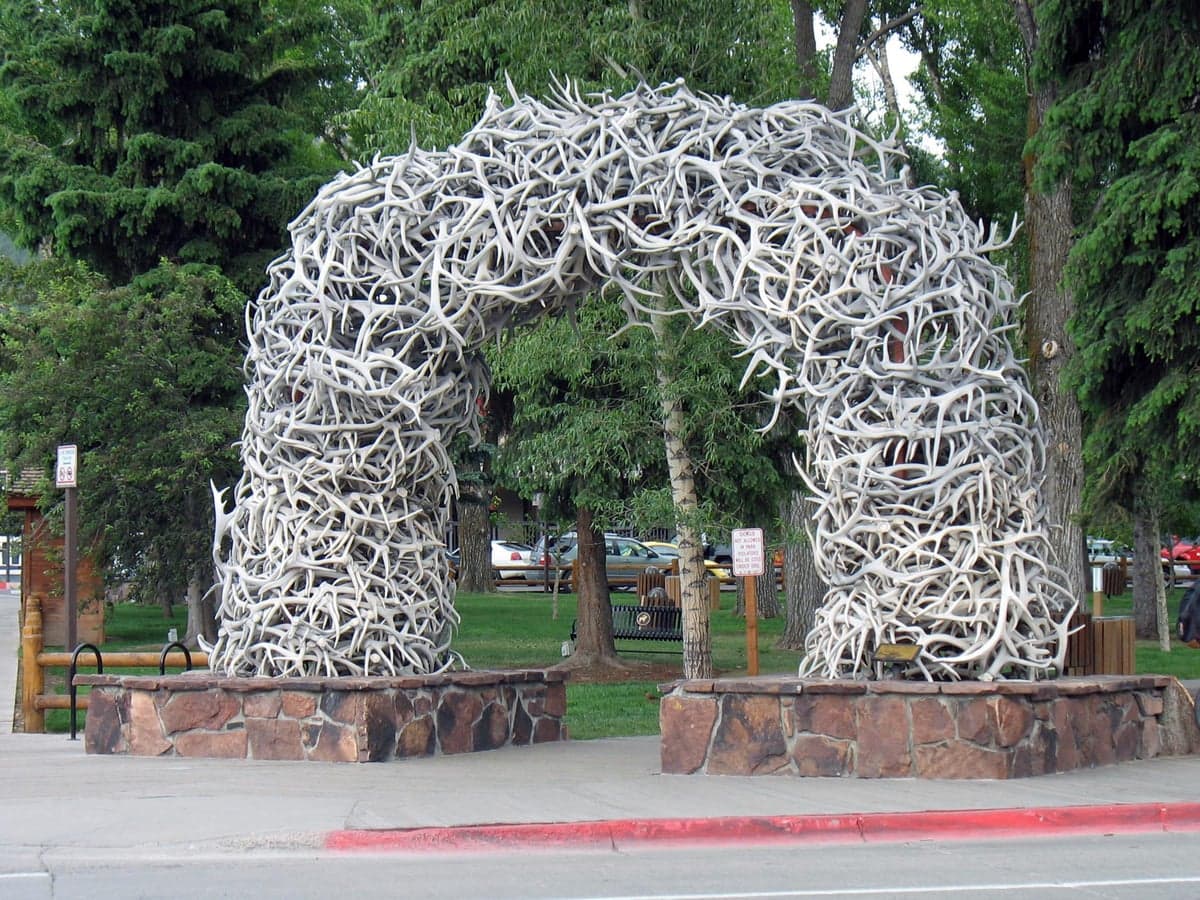
Photo: Wikipedia
Demographics of Teton County
Affluence Level in Teton County
A wealthy area with high-earning, well-educated households. Incomes, home values, and educational attainment meaningfully outpace national averages.
People of Teton County
Teton County, Wyoming, is home to 23,358 residents, a population defined by its extreme wealth, outdoor recreation culture, and rapid transformation from a rural ranching community into a global tourism and second-home destination. The county is overwhelmingly white (78.9%) with a significant Hispanic minority (14.7%), a highly educated workforce (61.2% college degree attainment), and a foreign-born population of 8.4%. The people of Teton County today are a mix of multi-generational ranching families, wealthy transplants from coastal cities, and a growing service-sector workforce, primarily Hispanic, that supports the region's luxury tourism economy centered on Jackson and the surrounding valley.
Settlement & growth (pre-1960)
Long before European settlement, the area now known as Teton County was inhabited by several Native American nations, including the Shoshone, Bannock, Blackfeet, Crow, and Gros Ventre. These groups used the Jackson Hole valley as a seasonal hunting ground, following bison, elk, and other game through the mountain passes. The Shoshone were the most prominent year-round residents, with their territory extending across much of western Wyoming. The first European Americans to enter the region were fur trappers and mountain men in the early 1800s, including John Colter, who is believed to have passed through Jackson Hole around 1807-1808. However, no permanent non-Native settlement occurred during this period due to the harsh winters and remote location.
The first permanent settlers arrived in the 1880s, drawn by the promise of open range for cattle ranching. These early homesteaders were primarily of Northern European descent — English, Scots-Irish, and German — who came from other parts of the United States rather than directly from Europe. They established small ranching communities in the Jackson Hole valley, with the town of Jackson (originally called Jackson's Hole) becoming the central hub after its formal platting in 1894. Other early settlements included Kelly, Moose, Wilson, and Moran, each serving as a cluster of ranching families. The population grew slowly but steadily through the early 20th century, reaching about 2,000 residents by 1930. The establishment of Grand Teton National Park in 1929 and its expansion in 1950 began shifting the local economy from ranching toward tourism, though the county remained a sparsely populated, rural area through the 1950s.
Modern era (post-1965)
The 1965 Hart-Cellar Act had a limited direct impact on Teton County compared to urban areas, but the county's demographic transformation accelerated dramatically after the 1970s due to domestic migration rather than international immigration. The creation of Jackson Hole Mountain Resort in 1965 and the expansion of the nearby Teton Village ski area turned Jackson into a destination for wealthy skiers and outdoor enthusiasts from across the United States. This triggered a wave of in-migration from coastal cities — particularly California, New York, and Colorado — that reshaped the county's population. The newcomers were predominantly white, highly educated, and affluent, driving up housing prices and transforming the local economy from ranching to luxury tourism and second-home development.
The Hispanic population began growing significantly in the 1990s and 2000s, drawn by service-sector jobs in hospitality, construction, and landscaping that the tourism economy created. Today, 14.7% of Teton County residents are Hispanic, up from roughly 5% in 1990. This community is concentrated in Jackson and the unincorporated area of Hoback Junction, where more affordable housing options exist. The Hispanic population is primarily of Mexican origin, with smaller numbers from Central America. Meanwhile, the East/Southeast Asian population stands at 1.2%, and the Indian subcontinent population at 0.2%, both small but growing as professionals in finance, technology, and healthcare move to the area. The Black population remains negligible at 0.6%. The foreign-born share of 8.4% is driven almost entirely by the Hispanic community, with smaller numbers of European and Asian immigrants working in specialized professions.
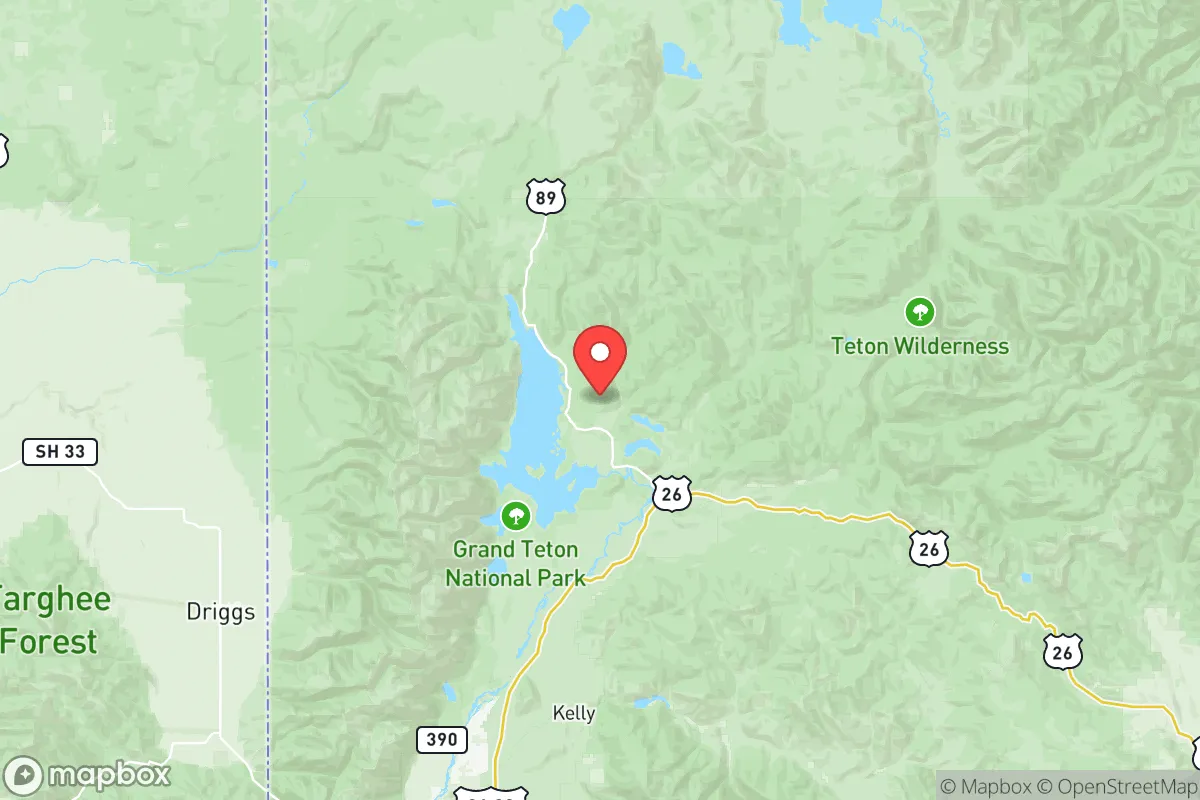
Suburbanization in Teton County is constrained by geography — the valley floor is limited, and most land is federally protected within Grand Teton National Park, Bridger-Teton National Forest, and the National Elk Refuge. As a result, development has concentrated in Jackson, Wilson, and the area around Teton Village, with newer subdivisions like Melody Ranch and Rafter J representing the closest thing to suburban sprawl. The county's housing crisis — median home prices exceeding $3 million — has pushed many service workers to commute from Driggs, Idaho and Victor, Idaho across the Teton Pass, creating a cross-border commuting pattern that is unique in Wyoming.
The future
Teton County's population is projected to grow slowly, constrained by geography, federal land ownership, and extreme housing costs. The county is becoming slightly more diverse, with the Hispanic share expected to continue rising as the service economy expands, but the overall demographic profile will remain predominantly white and wealthy. The East/Southeast Asian and Indian populations will likely grow modestly as high-income professionals in finance, technology, and remote work continue to relocate from coastal cities, but these groups will remain small single-digit percentages of the total population. The most significant demographic trend is the ongoing displacement of middle-income and working-class residents — both white and Hispanic — to neighboring Teton Valley, Idaho, as Jackson Hole becomes increasingly unaffordable for anyone not in the top income brackets.
The cultural identity of Teton County is evolving from a ranching community with a libertarian, live-and-let-live ethos into a wealthy, environmentally conscious enclave with progressive politics on land use and conservation, but conservative leanings on taxes and property rights. The county voted for Donald Trump in 2024, but by a narrower margin than most of Wyoming, reflecting the tension between the old ranching population and the newer, more liberal transplants. For someone moving in now, Teton County offers world-class outdoor recreation and natural beauty, but at the cost of extreme housing prices, a service economy dependent on tourism, and a community increasingly divided between the ultra-wealthy and those who serve them.

* Values derived from national, state, county, city and local statistics and may differ in a specific area. Last updated: 2026-07-03T22:49:25.000Z
Narrative content on this page is AI-generated and may contain mistakes. Verify any details that matter before acting on them.
ReloMaps may earn a commission from affiliate links at no extra cost to you.

