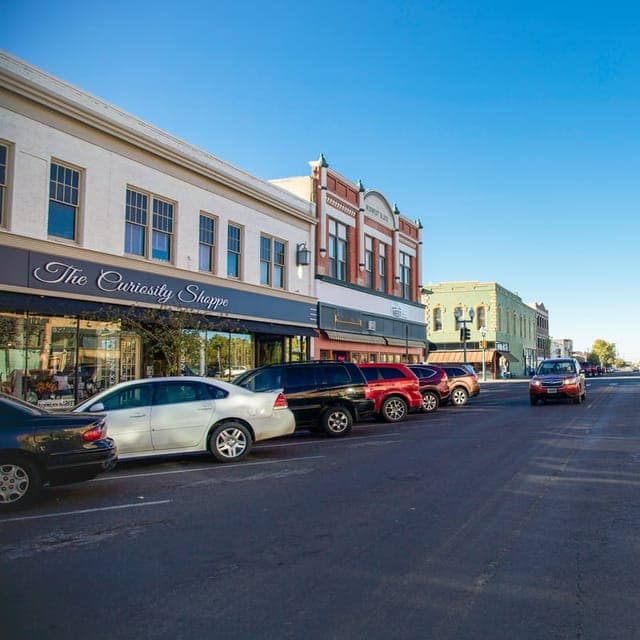
Photo: Wikipedia
Quality of Life in Wyoming
A livable area that tracks near national norms for affordability, walkability, and neighborhood health.
What does Quality of Life tell us?
Quality of Life measures an area by evaluating factors like cost of living, nearby amenities, country club access, airport proximity, socioeconomic signals and neighborhood character. For large states, this is a general average — quality of life can vary dramatically between metro areas, suburbs, and rural communities within the same state.
What does this tell us?
Quality of Life measures an area by evaluating factors like cost of living, nearby amenities, country club access, airport proximity, socioeconomic signals and neighborhood character. For large states, this is a general average — quality of life can vary dramatically between metro areas, suburbs, and rural communities within the same state.
Cost of Living
10% below national average
92%
The Real Cost of Living in Wyoming for 2026
| Tier | Individual | Family (4) |
|---|---|---|
| Survival | $15k | $29k |
| Comfortable | $55k | $81k |
| Luxury | $129k+ | $200k+ |
| Elite (Top 5%) | $152k+ | $235k+ |
Quality-of-Life Analysis
Wyoming offers a spectrum of quality-of-life options that range from isolated mountain retreats to small but functional energy-industry hubs, with no true major metropolis in the state. The entire state has a cost of living index of 90 (100 is the US average), a median home value of $285,100, and a median rent of $968, making it more affordable than the national average, though wages in many sectors lag behind. The average commute is just 18.5 minutes, reflecting the state's low-density, car-dependent layout. The kind of person who thrives here is generally someone seeking outdoor recreation, wide-open spaces, and a slower pace, rather than urban amenities, career diversity, or cultural density.
Major metros
Wyoming does not have a city that qualifies as a major metro by national standards. The largest population center is Cheyenne, the state capital and home to roughly 65,000 residents. Cheyenne functions as a government and railroad hub, with a conservative, family-oriented vibe and a strong military presence from F.E. Warren Air Force Base. Casper, the second-largest city, is the energy-industry center of the state, with an economy tied to oil, gas, and mining; it offers the most substantial set of retail and medical services in central Wyoming. Laramie, home to the University of Wyoming, is the closest thing to a college town with a small-city feel, offering a younger demographic and a modest arts scene. None of these cities offer dense urban living, walkable neighborhoods, or robust public transit; they are best understood as regional service centers with populations under 70,000.
Mid-size cities & college towns
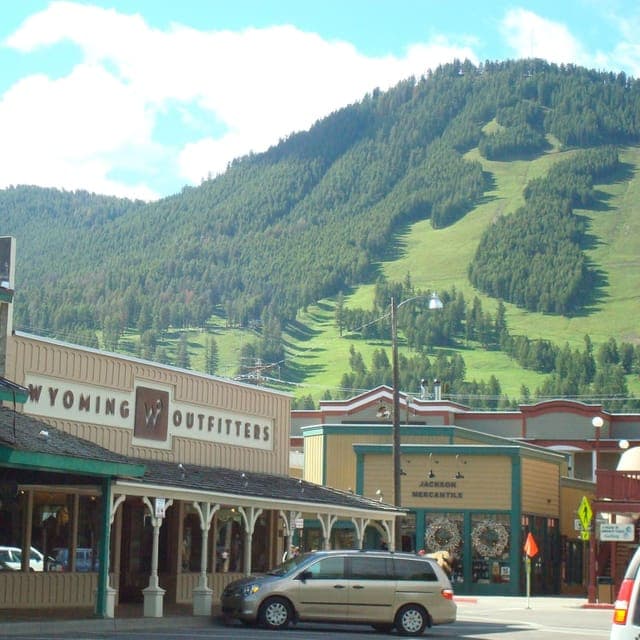
Wyoming's mid-size cities and college towns provide a middle ground between rural isolation and the limited amenities of the largest towns. Laramie (pop. ~32,000) is the state's primary college town, anchored by the University of Wyoming; it has a younger, more liberal-leaning population than the rest of the state, with a brewery-and-outdoor-recreation culture and affordable housing relative to comparable college towns elsewhere. Rock Springs (pop. ~23,000) is a southwestern energy hub with a more transient workforce and a high proportion of rental housing; it appeals to those working in mining or oil extraction who want basic services and proximity to the Flaming Gorge recreation area. Gillette (pop. ~33,000) is the coal and energy capital of the state, with high wages in the energy sector but a boom-and-bust economy and limited cultural amenities; it attracts workers willing to trade lifestyle for income. Jackson (pop. ~10,000) is technically a small town but functions as a high-end resort destination with national-park access, luxury lodging, and a service economy; it is the most expensive place in the state and draws wealthy second-home owners and seasonal workers.
Small towns & rural areas
The vast majority of Wyoming's land area is rural, and small towns here offer a pace of life that is slow, quiet, and deeply connected to the landscape. Cody (pop. ~10,000) sits near Yellowstone's east entrance and has a strong Western heritage identity, with the Buffalo Bill Center of the West and a tourism-driven economy; it appeals to retirees and families who want mountain scenery without Jackson's cost. Pinedale (pop. ~2,000) is a gateway to the Wind River Range and attracts serious backcountry skiers, hikers, and anglers; housing is limited and expensive relative to the town's size. Worland (pop. ~5,000) and Thermopolis (pop. ~2,800) are agricultural and energy-service towns in the Bighorn Basin, offering very low housing costs and a quiet, conservative lifestyle. Saratoga (pop. ~1,700) is a small resort town with hot springs and fly-fishing on the North Platte River, popular with second-home owners from Colorado. The rural areas outside these towns — the Red Desert, the Bighorn Mountains, the Laramie Plains — offer true solitude, with few neighbors, no traffic, and limited access to healthcare or groceries.
Luxury vs. affordable living
The luxury tier in Wyoming is almost entirely concentrated in Jackson Hole, including the town of Jackson and the surrounding valley. Median home values in Teton County exceed $1.5 million, and the area is dominated by high-end real estate, luxury resorts, and wealthy part-time residents. Wilson and Moose are exclusive enclaves within the valley. Outside Teton County, luxury options are limited but include large ranch properties near Saratoga and Buffalo, and custom homes in the Bighorn Mountains near Sheridan. On the affordable end, Rawlins (pop. ~8,500) has a median home value around $180,000 and is one of the cheapest places to buy in the state, though it offers few amenities and a harsh climate. Torrington and Wheatland in the eastern plains have home values well below the state median, with a strong agricultural character. Evanston (pop. ~11,000) near the Utah border offers relatively low housing costs and access to the Wasatch Front for employment. The spread in cost of living across the state is extreme: Teton County is among the most expensive rural counties in the US, while Carbon and Platte counties are among the most affordable.
The practical reality is that Wyoming rewards people who know exactly what they want. Those who prioritize income and don't mind boom-and-bust cycles gravitate to Gillette or Rock Springs. Those who want mountain recreation and can afford a premium choose Jackson or Cody. Those who want the lowest possible cost of living and maximum solitude settle in Rawlins, Worland, or the rural plains. The state's low average commute and low overall cost of living are real benefits, but they come with trade-offs: limited job diversity, long distances to specialized healthcare, and a cultural and political uniformity that not everyone will find comfortable. The person who thrives in Wyoming is self-sufficient, comfortable with isolation, and values landscape over lifestyle amenities.

Crime in Wyoming
Generally safer than 71% of comparable U.S. locations.
Violent CrimeViolent Crime Analysis
Property CrimeProperty Crime Analysis
Crime Analysis
Wyoming, WY, presents a mixed safety profile that diverges sharply between its violent and property crime rates. The state’s violent crime rate stands at 171.9 incidents per 100,000 residents, well below the national average, while its property crime rate of 1,012.8 per 100,000 exceeds the U.S. median, making property offenses the primary concern for most residents. This disparity means that while the risk of a violent encounter is relatively low, theft, burglary, and vehicle break-ins are more common than in many other parts of the country.
Crime in context
Wyoming’s violent crime rate is roughly 40% lower than the national average, placing it among the safer states for personal safety. However, its property crime rate runs about 15% higher than the U.S. median, driven largely by thefts and burglaries in more populated corridors. Cities like Casper and Rock Springs report property crime rates that push the state average upward, while smaller communities such as Laramie and Sheridan tend to stay closer to the state baseline. The contrast is stark: a resident in Cheyenne faces a notably higher risk of property crime than someone in a rural county like Sublette or Teton, where population density is minimal and opportunistic theft is less common.
What residents experience
For daily life, the practical takeaway is that violent crime is rare enough that most Wyomingites never encounter it, but property crime is a routine nuisance. Car break-ins, package thefts, and shed burglaries are the most frequent complaints, especially in neighborhoods near major highways or commercial districts. Law enforcement agencies in Gillette and Evanston have reported upticks in thefts tied to transient populations and resource extraction workers, while Jackson sees seasonal spikes in property crime during tourist-heavy months. The state’s rural character means response times can be long outside city limits, so residents in unincorporated areas often rely on neighborhood watch programs and personal security measures more than urban counterparts.
Prosecutorial philosophy also shapes safety outcomes. In more populous counties like Laramie County (Cheyenne) and Natrona County (Casper), district attorneys have generally maintained tough-on-crime stances, but some smaller jurisdictions have adopted progressive diversion programs that prioritize rehabilitation over incarceration. While these programs aim to reduce recidivism, critics argue they can lead to earlier release of repeat property offenders, undermining deterrence and frustrating victims who see the same individuals cycling through the system. Residents in areas with lenient sentencing policies should be aware that property crime rates may remain stubbornly high as a result.
Neighborhood-level variation is significant. Within Cheyenne, the south and east sides report lower crime rates than the central and north districts, while in Casper, areas near the oil fields and the interstate corridor see more theft. For those prioritizing safety, smaller towns like Wheatland or Pinedale offer violent crime rates near zero and property crime well below the state average, though at the cost of fewer amenities and longer drives to services.
Top Cities for Quality of Life in Wyoming
* Values derived from national, state, county, city and local statistics and may differ in a specific area. Last updated: 2026-07-03T22:49:26.000Z
Narrative content on this page is AI-generated and may contain mistakes. Verify any details that matter before acting on them.
ReloMaps may earn a commission from affiliate links at no extra cost to you.

